
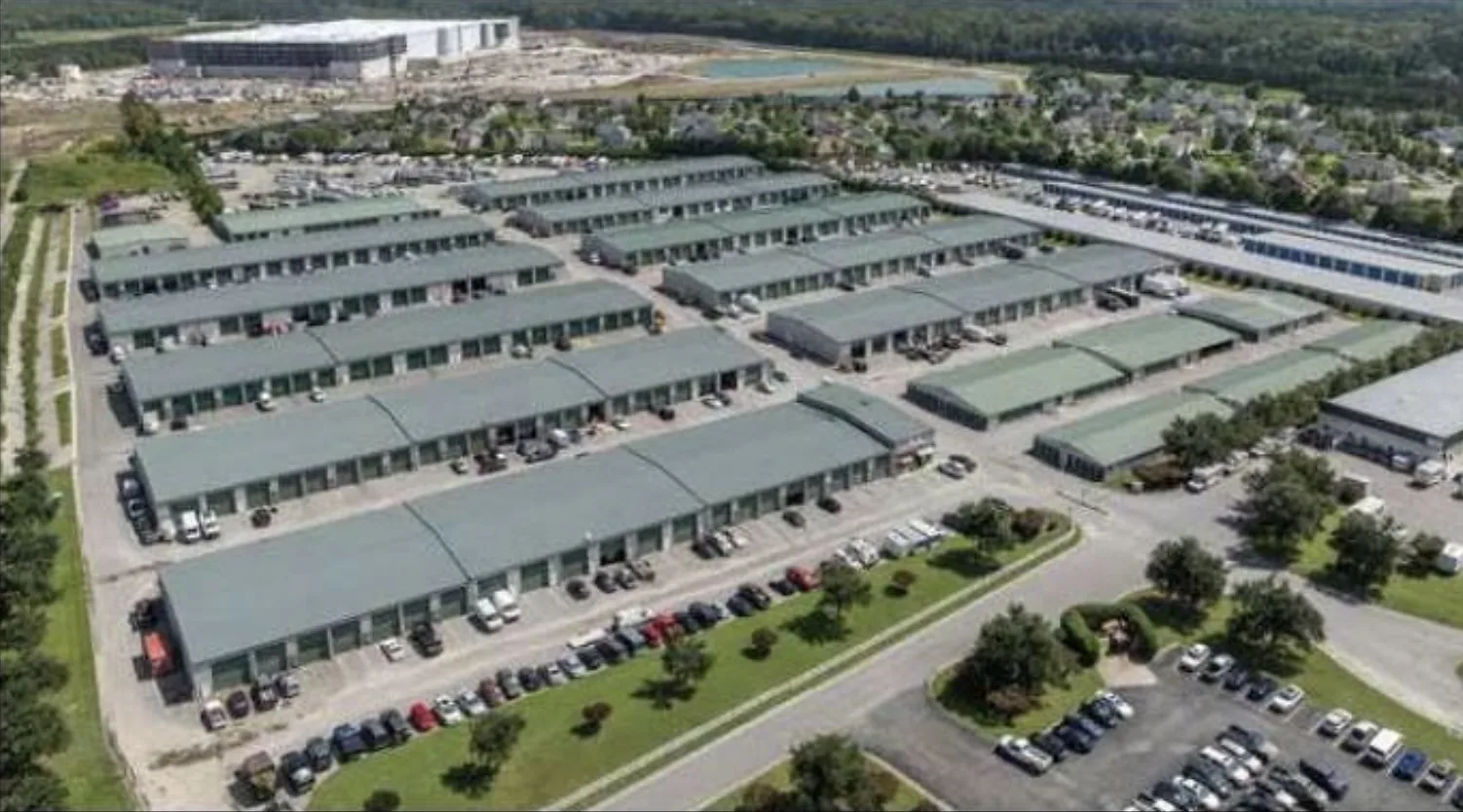
Large industrial and commercial roofs near Coastal Virginia Commerce Park often start leaking at the edges, where metal flashing ties into the membrane. Once that connection opens, rain can run under roofing that otherwise looks fine. We repair membrane and metal commercial roofs in Chesapeake, VA, and the fix always depends on the fasteners, the wood behind the edge and how much of the old roof is still sound. If damage is widespread, we'll tell you when replacement makes more sense than another repair. A temporary seal keeps water out while the permanent repair is planned.
Coastal Virginia Commerce Park is a large industrial development along Route 17, and its size makes planning important. Before we inspect, tell us the building, the part of the roof that's leaking and who we should coordinate with on site. We map the drains, expansion joints and visible damage by area, then confirm with the building manager where we can stage materials and which operations need protection. If site or utility work will affect access, we plan around it.
Loose edge metal and the wood behind it
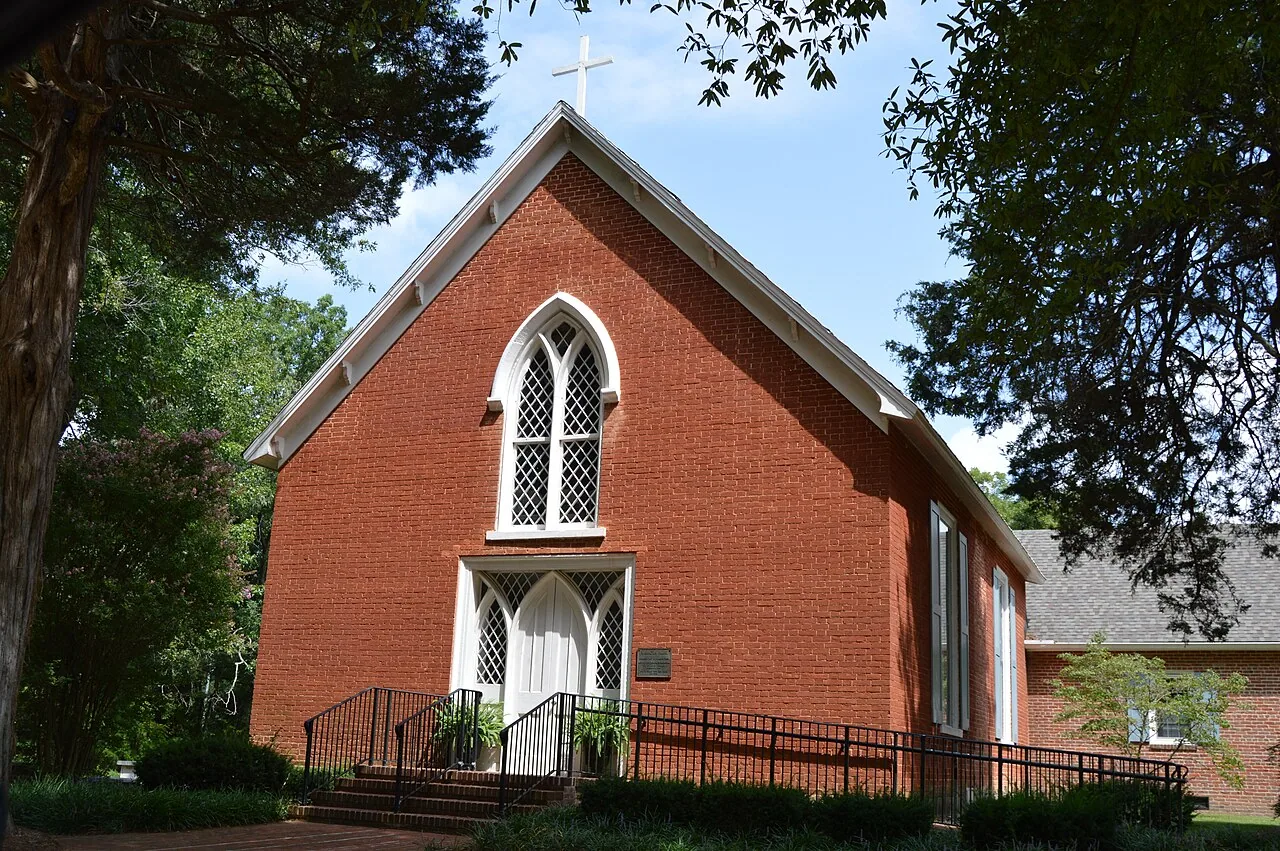
Edge metal can pull loose while the roof next to it is still in good shape. Wind catching a loose edge will peel it back further over time. We check the fasteners and the wood blocking behind the metal. New metal can only hold if what it's fastened to is solid, so rotted blocking gets replaced first. Putting a new metal cap over damaged wood just hides the problem.
Our edge metal, coping and gutter repairs are based on what we find on your building. We inspect buildings across Chesapeake's commercial areas the same way, each on its own. Old sealants and patches may need to be cleaned off before new flashing will bond. If we can't see the condition of the backing without removing the metal, we'll tell you that and confirm before ordering custom pieces. You'll get a clear list of what we confirmed and what still needs checking, so the metal is ordered for the edge that's actually there.
Tracing the leak to its source
A gap at the edge often damages the membrane seams right next to it. Water entering there can travel along the deck before it drips inside, so the stain may be well away from the actual leak. We check those seams and compare them with when and where the building manager has seen water. Leaking HVAC condensate lines or plumbing can look like a roof leak, too, and those belong to a different trade. Your maintenance history helps us look in the right places, though we confirm the cause on the roof.
When we do a roof leak repair along Route 17, we focus on the damage that's actually causing the leak. Buildings in Bowers Hill get their own inspection. Old coatings or patches can hide the real problem, so we may need to remove them. If we can't confirm the condition of the backing from the surface, we'll say so. We won't recommend just another patch based on the shape of a ceiling stain.
Wet insulation near the edge
Rain that gets in at the edge can soak the insulation well beyond the visible damage. The roof surface may look dry while the layers underneath are wet. We test suspicious areas, using infrared scans on larger roofs and core cuts to confirm. Scan readings need careful interpretation, since equipment and roof layers can affect them. New membrane and flashing need dry, solid insulation underneath.
When insulation and cover board need replacing near the edge, we confirm the wet area first. If we find more damage once the roof is open, we document it and explain the added work before going further. You'll see exactly why the repair grew. Dry, sound insulation stays in place where the new system allows it. Covering wet insulation doesn't stop the damage underneath.
Replacing the blocking or insulation can change the edge height, which affects the size of the new metal. We confirm those measurements after the backing is repaired and before ordering. Both the metal and the insulation need to be on site before we open the roof over an active operation.
Working above active operations
Removing damaged edge sections opens the roof to rain and debris. The building manager tells us which areas need protection and how materials can move in and out. If ceilings or electrical equipment have been affected, your maintenance staff or electrician should check them. We only open what we can seal that day, and the new edge metal and insulation have to be on site before we start. The work schedule also has to fit around your operations.
For roof work over active operations, we coordinate every step with the building manager. For flex industrial buildings, the tenant or owner contact sets the access rules. We check moisture and temperature before installing new materials, since every product has its own requirements. If we need to pause, the roof stays sealed and we explain what needs to happen before we resume. If another trade needs to finish their part first, we keep the area protected and tell anyone working nearby when it's ready.
After the repair
When the job is done, you get a record showing which edges were rebuilt and where insulation was replaced. Areas of the old roof next to the repair are clearly marked. HVAC and maintenance crews get tips for avoiding damage to the new work. Any drainage or foot-traffic problems we noticed are written down for future maintenance. Interior and equipment repairs stay with the right trades, who'll know when the roof is ready for them to proceed.
Our roof condition reports for buildings near Coastal Virginia Commerce Park include photos and repair locations. If many edges and seams are failing, we'll tell you whether replacement makes sense. If a new leak shows up later, we inspect it fresh. New punctures or condensate leaks may need a different fix. You can report roof problems nights, weekends and holidays, and we'll confirm when we can get there based on access. A temporary seal can protect the building while we wait on test results or custom metal.
The record also shows what was rebuilt and what was left in place, so future equipment changes can be checked against it.
With large industrial roofs in this part of Chesapeake, planning matters. Tell us the building, roof section and on-site contact before we schedule a crew. For big roofs, we map drains and expansion joints by area and tie any ponding or interior leaks to those spots. If future site work may change access, we note the current staging route so it isn't confused with a permanent arrangement during your next budget review.
Commercial Roofing Questions
What decides the repair for a building near the park?
An inspection of that building's roof. The repair depends on what's damaged, the condition of the insulation and wood underneath, and how much of the roof is still sound.
Does new edge metal fix the problem?
Only if the wood blocking behind it is solid and the membrane is properly tied in. Damaged backing has to be replaced first.
How do you know how much insulation is wet?
We use infrared scans and core cuts to find and confirm wet areas. Sometimes we need to open a small section before deciding how much to replace.
What needs to be ready before we set a work date?
Protection for the areas below, edge metal and insulation on site, a plan for sealing the roof each day, and coordination with your operations and other trades.
How can you tell a new leak from the area you repaired?
We compare what we find with our records of where we rebuilt the edge and replaced insulation. New equipment work or condensate lines can cause separate leaks.
Edge leak near Coastal Virginia Commerce Park?
Send us the building address and where the edge is failing. We'll inspect the roof and send photos with a short explanation of the cause and the repair.