
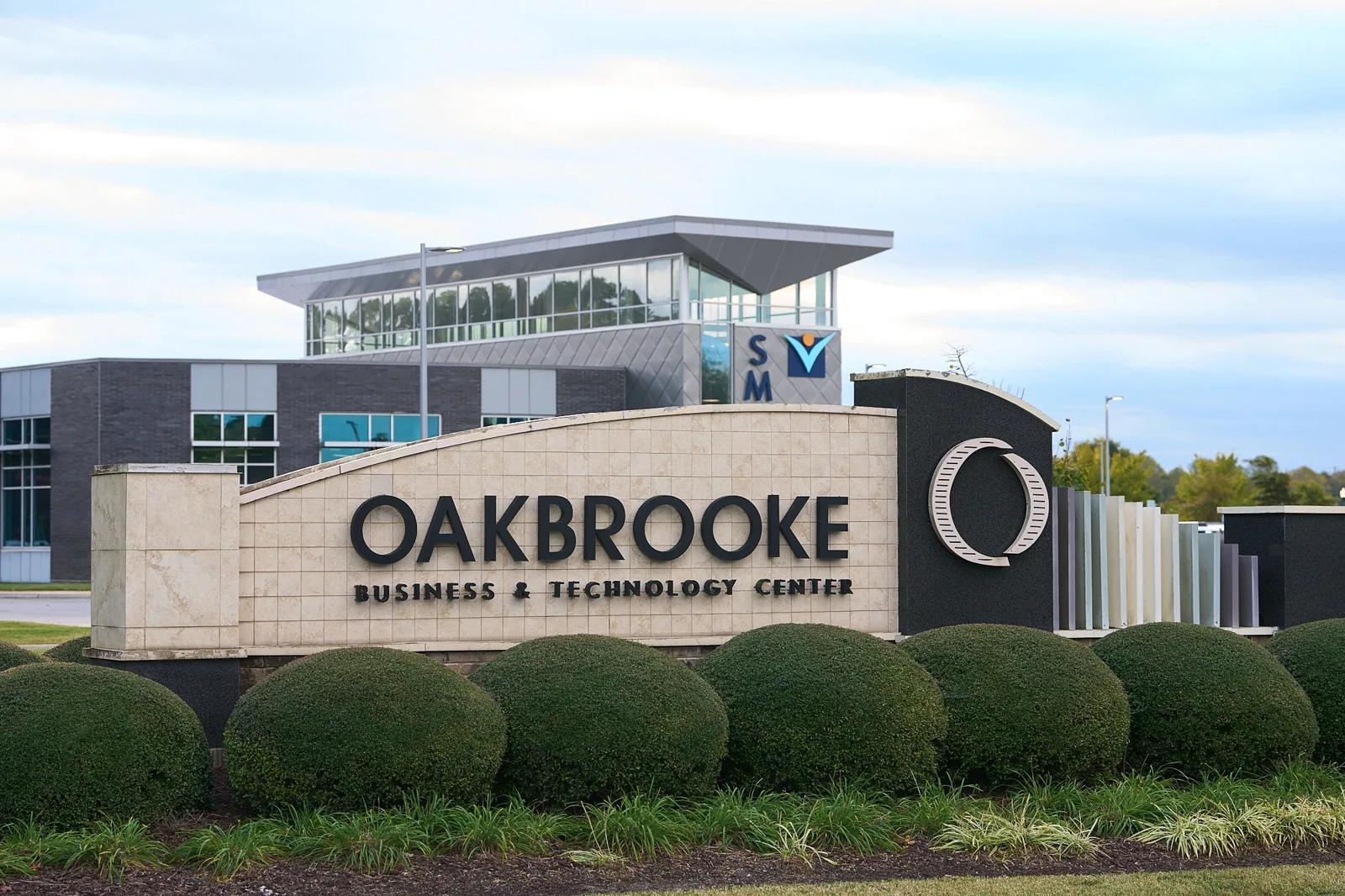
When the coating splits next to an HVAC curb on an Oakbrooke office roof, the problem usually isn't the coating. It's the flashing underneath that has torn or pulled loose, and now water is getting in. We inspect and restore commercial roofs in Chesapeake, VA, and we start by finding out how much of the existing roof is worth keeping. A restoration coating only works on a sound roof, so failed flashings and wet insulation have to be fixed first. Spreading coating over a weak spot doesn't repair it. We also plan how to protect the rooms below while we work.
Oakbrooke Business and Technology Center is a 120-acre office and flex park near Clearfield Avenue and Kempsville Road, with many separate buildings. That makes building-level details important. The property manager tells us which building, what equipment is on the roof and when we can work. We inspect the existing roof layers and old coatings before choosing restoration or removal. Photos show the failed detail and the repair we recommend, along with any areas that still need testing.
Each building in the park has its own roof history, tenants and equipment. We confirm how we'll reach the roof, whether by stairs, hatch or lift, and any restrictions on material handling before we start.
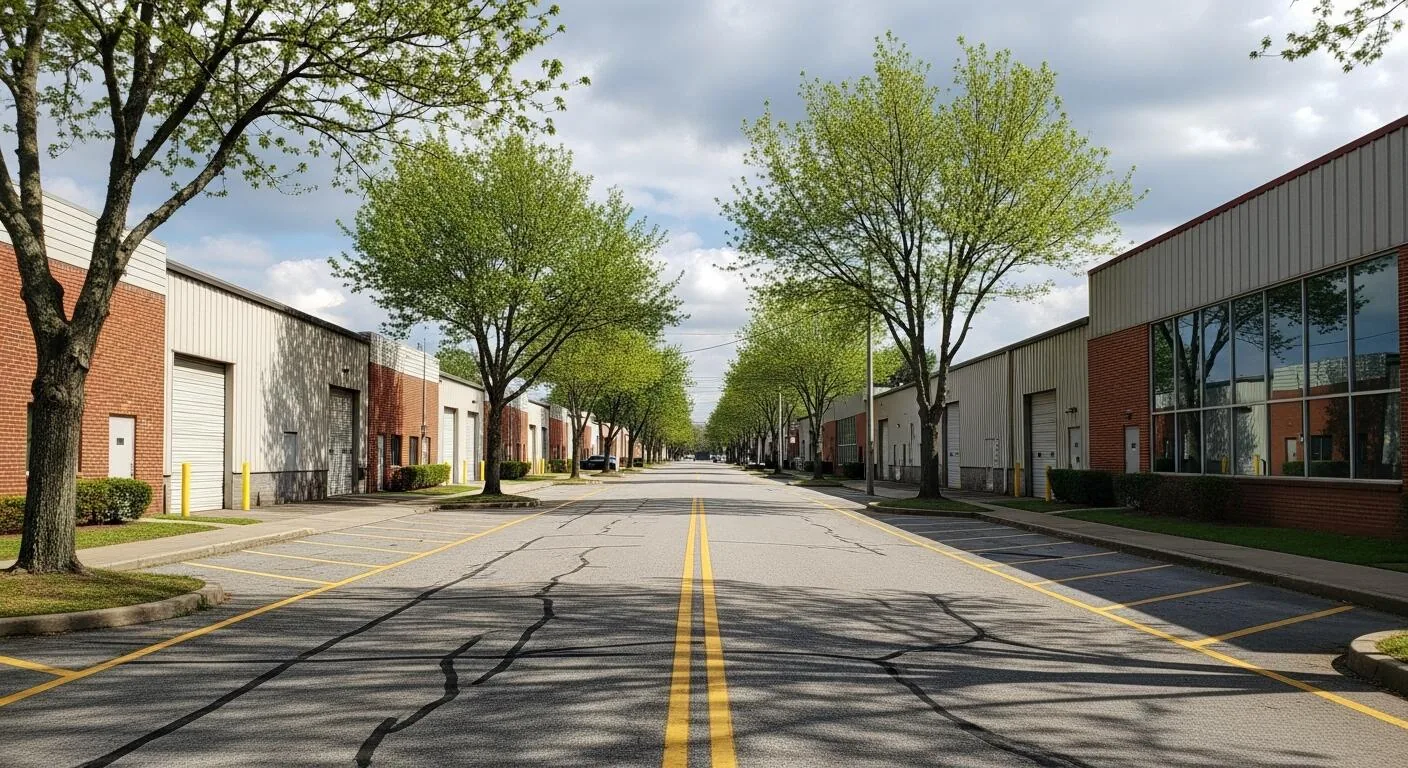
A split coating usually means a failed detail
A split in the coating can mean the flashing underneath has failed. Coating over it again just hides the same problem. We check the flashing, the membrane around it and the wood or insulation underneath. The repair needs solid material to attach to and the right shape to shed water. If an HVAC unit or wall needs work first, that trade is scheduled before we touch the flashing. Then the detail gets rebuilt before any coating goes on.
Our roof coating restoration assessment at Oakbrooke separates detail repairs from the field coating. Buildings in Summit Pointe get their own inspection. We look for old sealants that could keep new materials from bonding. A coating across the whole roof still needs the leaking details fixed first. You'll see those repairs listed next to the coating price. We describe the prep before ordering materials, so you're not buying coating for a roof that isn't ready for it.
Will the new coating stick?
Old coatings can keep a new one from sticking. Even after pressure washing, there may be loose material, residue or moisture left on the surface. We check what's on your roof and what the new coating system requires. On many roofs, we test a small prepared area to see how well the coating bonds. A clean, bright surface doesn't prove a coating will stick. We explain the prep needed before setting a date to coat.
A silicone roof coating is a common choice for office and flex roofs, but it has its own prep and maintenance requirements. Buildings in Greenbrier get their own testing. Silicone isn't right for every roof or every old coating, and most other materials won't stick to it later. We explain the detail repairs, cleaning and any testing needed so you understand what you're getting. Your decision is based on the surface that will actually receive the coating.
Wet insulation a coating can't fix
Water that leaked in at a curb can soak the insulation nearby. The roof can look fine on top while the insulation underneath is wet. We test suspicious areas and separate what we've confirmed from what scans suggest. Scans can be affected by equipment and roof layers, so we check further with core cuts where needed. Sometimes we need to open the roof to find the edges of the wet area. Coating over wet insulation traps the moisture.
When insulation and cover board under a planned Oakbrooke restoration need replacing, we follow what testing shows. If we find more damage once the roof is open, we explain it before expanding the repair. The roof stays protected while you decide. Dry insulation stays where the system allows. The coating goes over a solid, dry base, and the insulation replacement is priced separately from the coating.
New insulation can change curb or edge heights, which affects flashing size. We check that before ordering custom parts. You'll know about it along with the coating prep, so both are ready at the same time.
Waiting for the right conditions
Coatings need time to dry and cure, which can limit foot traffic on parts of the roof. We go over that with the building manager before we start. If we're removing damaged flashing, the rooms below still need protection, and we seal any opening at the end of the day. If we find more damage, we pause and explain before going further. Materials and any other trades need to be ready. Having a clear forecast doesn't mean every detail is ready to coat.
For roof work over occupied offices at Oakbrooke, we plan around the tenants below. For office buildings, the building manager sets the rules. We check moisture and temperature before applying, since each product has its own requirements. If the surface isn't ready, we wait and tell you what needs to change. Temporary protection stays in place in the meantime. HVAC crews know when they can get back on the roof based on the coating's actual cure, not how it looks.
After the restoration
When the job is done, you get a record showing the details we rebuilt and insulation we replaced, plus the area we coated. HVAC crews get tips for working around the new coating and flashing. We note any foot-traffic or drainage issues for future maintenance. Equipment or interior repairs stay with the right trades, and they'll know when the roof is ready. Interior finishes shouldn't go back until moisture and safety are checked.
Our roof condition reports for Oakbrooke properties show exactly where we worked. If the roof is too far gone for a coating, we'll recommend replacement instead. If a new leak appears, we inspect it fresh, since a puncture or condensate leak may need a different fix. You can report urgent roof problems nights, weekends and holidays, and we'll confirm timing based on your access. A temporary seal can protect the building while we check further.
The record also lists prep requirements for future repairs, since new patches on a coated roof need compatible materials.
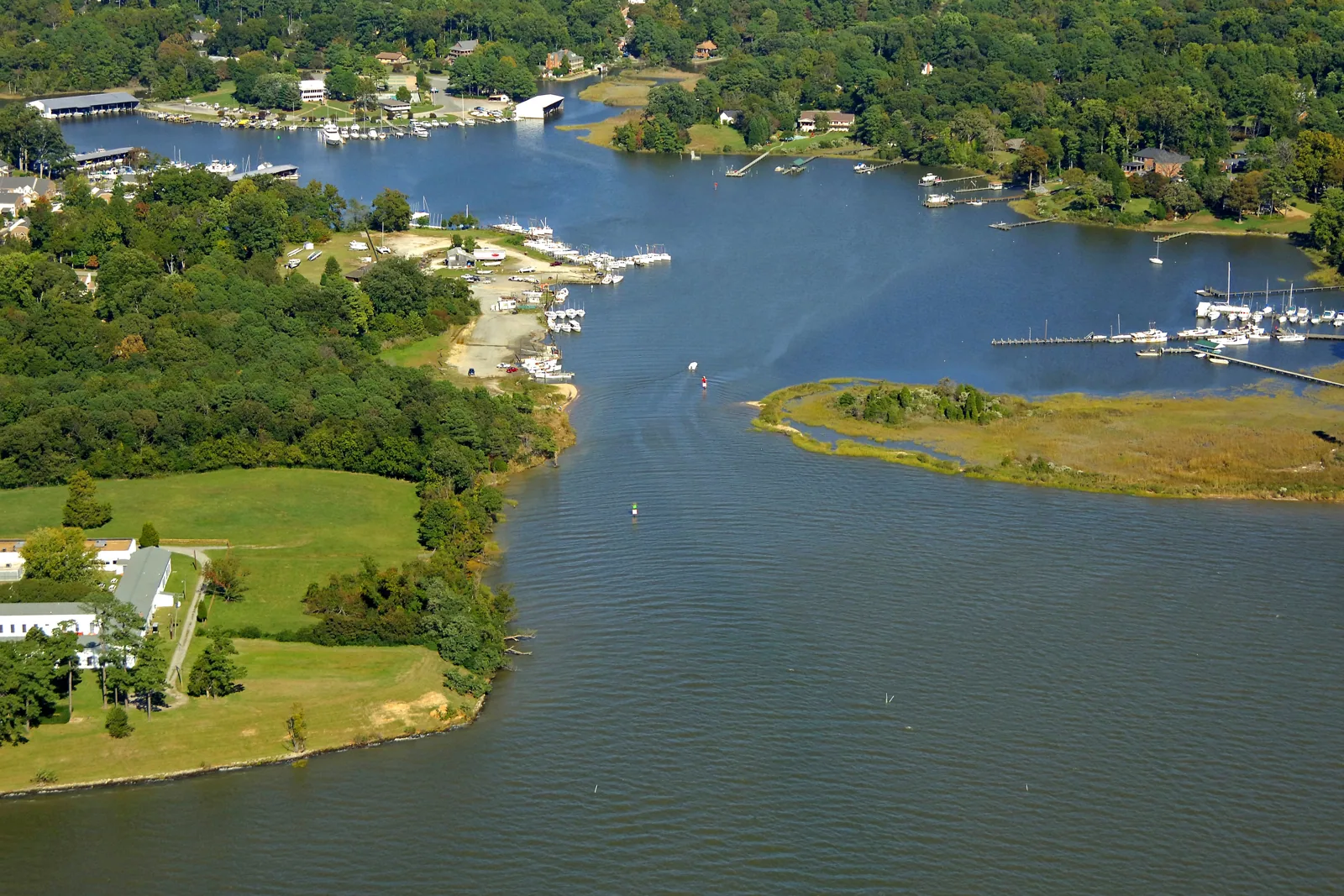
Office and flex buildings around Oakbrooke's lake can have very different rooftop equipment, tenant schedules and rules about storing materials on the ground. Confirm whether the property allows a lift or requires stair and hatch access, because that affects crew size and delivery timing. On equipment-heavy roofs, we inspect curb bases and pipe penetrations together, since a leak can travel before showing up inside. Our recommendation separates small flashing repairs from wider coating work.
Commercial Roofing Questions
Will another coat of coating fix a split next to a curb?
No. The split usually means the flashing underneath has failed. That has to be rebuilt before the area is coated again.
How do you know if a new coating will stick to the old one?
We identify the old coating and test a small prepared area. Some coatings don't bond to others, so testing comes before ordering.
Can you coat over wet insulation?
No. Wet insulation has to be replaced first. Coating over it traps moisture and causes the new coating to fail.
When can HVAC crews get back on a newly coated roof?
Once the coating has cured enough for foot traffic, which depends on the product and weather. We'll tell you when it's ready.
What should the restoration record include?
The details we rebuilt, insulation we replaced, the area coated and the products used. It also notes anything still waiting on other trades.
Coating splitting on your Oakbrooke roof?
Send us the Oakbrooke building address and any history of past coatings or repairs. We'll find the failed detail and explain whether restoration makes sense, with photos.