
A roof recover puts a new membrane, and usually a layer of cover board or insulation, over the existing roof instead of tearing it off. On the right building it saves money, reduces disposal and keeps the building dry during the work. On the wrong one it traps wet insulation, buries flashing problems and shortens the life of the new roof.
The first question is whether the current roof is a good candidate. We look at how many roofs are already on the building, whether the insulation is dry, and how the added thickness will affect curbs, walls, drains and rooftop equipment. A leak at a raised curb is a good example: if the curb is already short, adding two inches of roof around it can leave too little flashing height to work with.
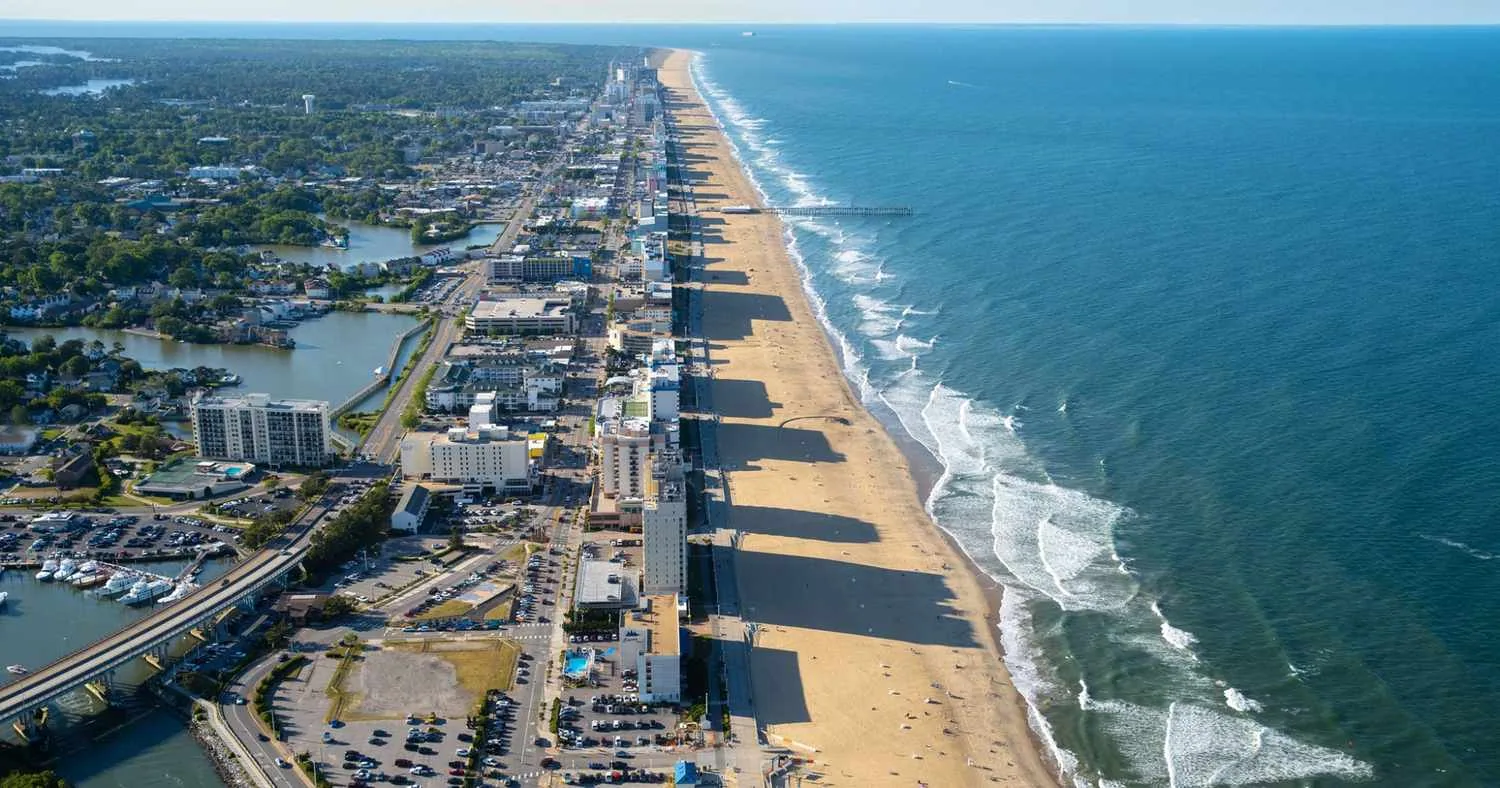
Virginia Beach covers a lot of ground, from Town Center offices to retail strips and light industrial buildings out toward the Oceanfront and Pungo. Every building needs its own inspection. We start with the address, a contact who can get us on the roof, and any information you have about the existing roof. We look at roof access, where a lift or hoist can go, and which areas of the building have tenants or sensitive operations below.
From there we can tell you whether a flashing repair will solve the immediate leak or whether the roof is ready for a recover. You'll get a written report of what we confirmed and anything we still need to check.
Flashing height: what a recover does to curbs and walls
A recover raises the roof surface. Every curb, wall flashing, roof hatch and pipe boot has to be re-flashed to the new height, and some of them won't have enough room. A curb that had 8 inches of flashing height may only have 6 after the recover, and that may not be enough to keep water out during heavy rain.
Before we price the job, we measure those heights against the proposed new roof thickness. Some curbs need to be raised. Some edge metal needs to be replaced. Mechanical units may need to be lifted by the HVAC contractor so we can flash them properly. You'll see all of that in the proposal, not just the cost of the field membrane.
Our roof recover and overlay assessments include these details. A building in Virginia Beach Town Center gets the same measurements. Drains and scuppers matter too: a thicker roof can leave a drain sitting low, and the drain bowl or scupper may need to be adjusted. Edge metal and flashing pieces get measured to the new roof height before anything is fabricated.
Existing roof: is it sound enough to cover?
You can't recover a roof with wet insulation under it. Trapped water keeps rotting the deck and insulation, and it can show up later as blisters or soft spots in the new membrane. Leaks from old punctures and failed seams often leave pockets of wet insulation that nobody can see from the top.
We check the existing roof with an infrared moisture survey where the roof type allows it, then cut cores to confirm what the scan shows. Wet areas get marked out and replaced before the recover goes on; dry insulation in good shape stays. The same process applies to jobs in Norfolk and anywhere else we work.
Building code also limits how many roofs can be stacked on a building, and some decks can't carry the added weight. If there's already a recover on the roof, or the deck shows signs of damage, a recover may not be allowed. If the deck or structure is in question, we'll bring in an engineer before recommending anything.
If there are areas we can't confirm without tearing into the roof, we'll say so clearly in the report rather than guessing. A recover is a good choice when the existing roof is dry and sound; it's a bad choice when the new roof is just covering up a problem.
Old repairs: what the new roof has to tie into
Older roofs often have years of patches stacked around the same pipe, curb or skylight: roof cement over mastic over coating. Before the new membrane can tie in, that buildup usually has to come off. New membrane won't bond reliably to old cement or incompatible coatings, no matter how clean it looks.
We identify what's on the roof at each detail and decide what needs to be removed or rebuilt. Sometimes a skylight curb or pipe boot needs to be replaced entirely, separate from the field membrane. Those items get listed in the proposal so they don't come as a surprise.
Our penetration and skylight flashing work covers that part of a recover. If a mechanical contractor needs to disconnect equipment so we can flash around it, we schedule that ahead of time. New wood blocking or a rebuilt curb can change the size of metal flashings, so we measure after the base is built rather than before. While any detail is waiting on parts or another trade, it gets a temporary seal so the building stays dry, and the permanent flashing goes on once it's ready.
Recover or tear-off: comparing the two honestly
Sometimes a recover is the wrong call. If too much insulation is wet, if there's already a second roof on the building, or if the deck needs repair, a full tear-off usually makes more sense. Removing the old roof gives you a clean deck to build on and a better look at what's underneath.
A recover bid will almost always come in cheaper on paper. But if it leaves out curb raises, wet insulation replacement or edge metal, the numbers aren't comparable. We price both options with the same flashing, drain and edge work included so you can see the real difference.
Our commercial roof replacement option is shown next to the recover whenever both are reasonable. A tear-off adds disposal and may uncover deck damage; a recover saves on removal but depends on a dry, sound roof. If wider damage turns up once the roof is opened, we stop, show you photos and explain what changes before we go further. Either way, the flashings and edges have to be done right, and the photos in our report show what drove the recommendation.
Occupied buildings: staging the work above tenants
Reroofing over an occupied building means the work has to stay ahead of the weather. Before we start, the facility manager tells us which areas have sensitive operations, where crews and materials can go, and what hours we can work. Ceiling, electrical or interior damage from past leaks is handled by the appropriate trades; we share our schedule with them.
We only tear off or open as much roof as we can close up that day. Membrane, insulation and flashing materials are on site before work begins, and we check moisture and temperature at the surface before we install. If the weather won't cooperate, the roof gets a temporary seal and we explain what we're waiting on.
Our occupied building reroofing crews follow this approach on every job, and on office building roofs we work around tenant schedules. At the end you get a summary of insulation replaced, flashings rebuilt and areas left in place, plus guidance for service techs so they don't damage the new details.
Leaks at night, on weekends or over a holiday can be called in, and we'll confirm a response time for your address. Because of Virginia Beach's coastal wind and flooding, a post-storm inspection should separate roof damage from water that came in some other way. We check edge metal, fasteners, equipment supports and drain strainers, then compare what we find with the interior leak report. Large properties may need separate access plans for occupied areas and fenced service yards. Our report lists which areas we looked at, any temporary repairs and what we'd recheck after the next storm.
Commercial Roofing Questions
How do you know whether flashing heights will work with a recover?
We measure curbs, walls and edges against the thickness of the new roof. Any that come up short get raised or rebuilt as part of the job.
If the moisture scan looks good, is the roof cleared for a recover?
Not on its own. We confirm with core cuts and check how many roofs are already on the building and whether the deck can carry more weight.
Do old patches and roof cement need to come off before a recover?
Usually, yes, at the details. New membrane won't bond reliably to old cement or incompatible coatings, so we remove it or rebuild the detail.
Why compare a recover bid to a tear-off?
Because a cheap recover that leaves out curbs, wet insulation or edge metal isn't really cheaper. We price both with the same detail work included.
What has to be in place before work starts over an occupied space?
A plan for which areas are protected, materials on site, and a way to seal the roof temporarily at the end of each day.
Thinking about a roof recover in Virginia Beach?
Send us the Virginia Beach address, anything you know about the existing roof, and photos of the problem areas. We'll tell you whether a recover makes sense or a tear-off is the better choice.