
A seam that has lifted on a Greenbrier office roof can let rain run under the membrane and into the insulation, often without any visible sign on top. We repair commercial membrane and metal roofs across Chesapeake, VA. Our inspection finds the opening and checks the insulation around it. If the rest of the roof is in good shape, a targeted repair is usually all you need. If the roof is failing in several places, we'll explain the bigger options. Either way, we put a temporary seal down first so the leak stops while we plan the fix.
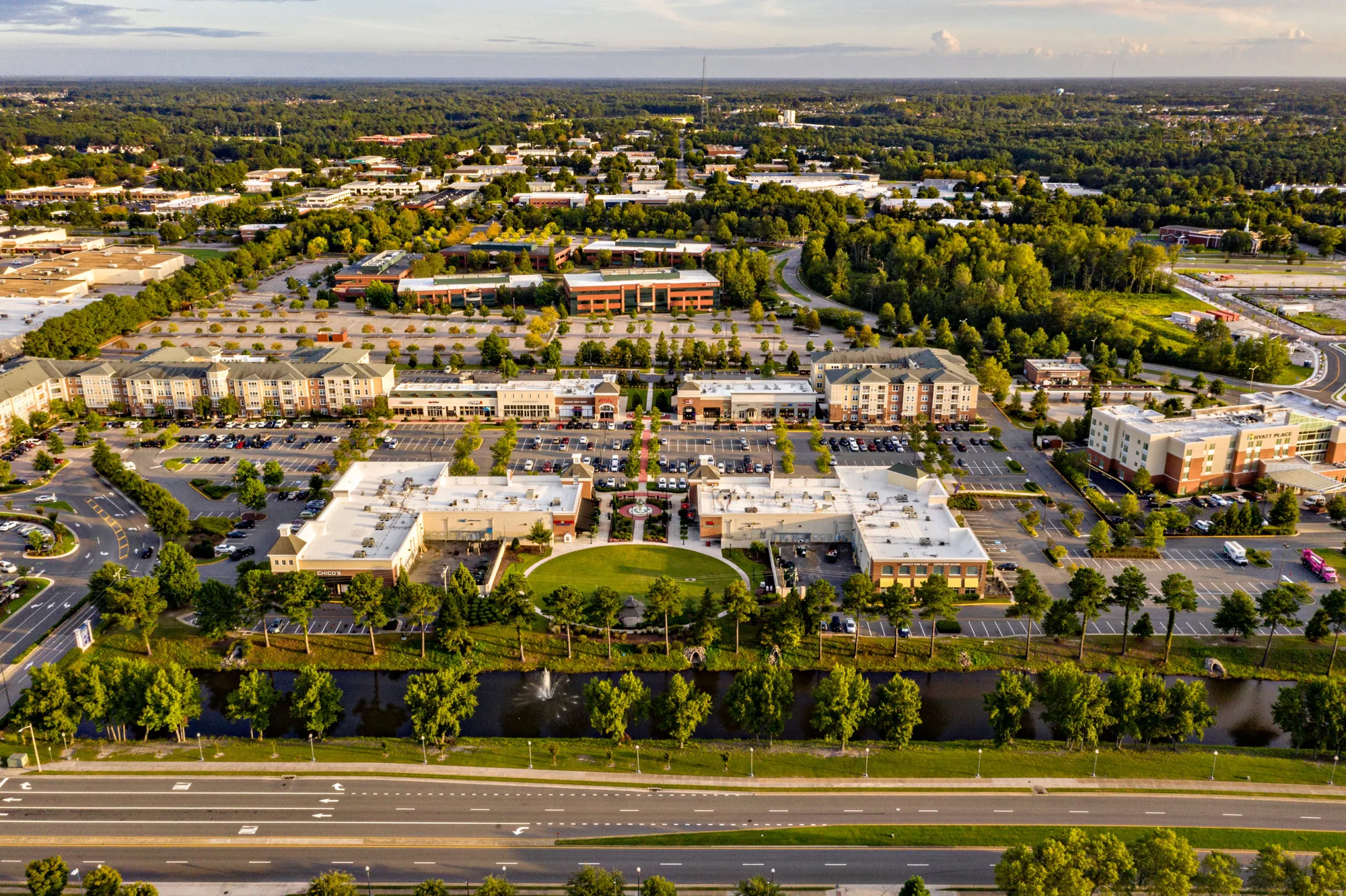
Greenbrier is one of Chesapeake's main commercial areas, served by Greenbrier Parkway and Volvo Parkway. Its office buildings, shopping centers and flex spaces all have different roofs and uses, so we treat each building on its own. The building manager tells us about room restrictions and the best time to get on the roof. Tell us when the leak happens and which space needs protection. We'll trace the leak and explain the repair, including any insulation that needs replacing under the new seam.
Finding the open seam
Membrane seams can come apart while the roof around them still looks fine. Water slips into the gap and spreads under the membrane. A ceiling stain tells us where to start looking, but not how big the repair needs to be. We check the seams near the leak and look at any old patches. Old sealants and patch materials often hide where the good membrane starts, and the repair has to reach past the failed seam to sound material.
Our roof leak repair crews trace the water to the actual opening. Buildings in Great Bridge get their own inspection. If HVAC work happened before the leak started, let us know. We'll compare that with what we find on the roof. Sometimes a condensate line or plumbing problem is the real cause, and that belongs to another trade. We'll tell you before treating the whole problem as a roof leak.
Where the membrane meets metal flashing, the repair method can be different. We check each connection before choosing materials. Matching color isn't enough; the materials need to bond. Old coatings may need to be removed first. That's why a small gap can sometimes need more work than expected, and we'll explain why before we start.
Is the insulation under the seam wet?
Water under a seam can leave the insulation wet long after the rain stops. A dry-looking roof doesn't mean the insulation underneath is dry. We check suspicious areas and show you where the damage is. An infrared scan can help on suitable roofs, but we confirm wet spots with core cuts, since equipment and roof layers can affect scan readings. New membrane needs dry, solid insulation underneath.
Our infrared moisture survey helps target our testing. Buildings in Indian River get their own testing too. We keep areas we suspect separate from areas we've confirmed. If we find more damage once the roof is open, we explain it before expanding the repair. The roof stays sealed while you decide. You'll see exactly why the work grew.
Drain leaks: clogs vs. bad flashing
When debris blocks a drain, water ponds on the roof. Clearing it helps, but sometimes it reveals a second problem: torn or loose flashing around the drain. A clear drain won't fix that. We inspect the drain flashing and the insulation around it, and check the pipe connection where we can reach it. If the pipe below is cracked or clogged, a plumber should handle it. Our job is to fix the roof around the drain.
Our roof drain and scupper repairs separate those two problems. We check the membrane around the drain before choosing a repair method. Old sealants may need to be removed so the new flashing bonds. The drain bowl and clamping ring need solid support underneath. We explain any plumbing or insulation work before opening the roof, and parts can be ordered while the old roof stays sealed. That way, we can finish the repair in one visit.
Custom parts sometimes need exact measurements, so we take them before scheduling the repair. You'll know that timing upfront and can plan access around it.
Protecting offices during the repair
Opening the roof over an office exposes the space below to water and debris. The building manager tells us which rooms need protection and the best route for materials. If ceilings or electrical equipment got wet, your maintenance staff or an electrician should check them. We only open what we can seal that day. Hidden damage can change the plan, and if it does, we stop and explain before going further.
When we do roof repairs over occupied offices, we schedule around the people working below. For office buildings, the building manager sets the rules. We check moisture and temperature before installing new materials, since each product has its own requirements. If the insulation needs to dry or we need to pause, the roof stays sealed and we tell you when we can continue. HVAC crews know when it's safe to work near the repair.
After the leak is fixed
When the repair is done, you get a record of the seam or drain we rebuilt and the insulation we replaced. Areas of old roof next to the repair are clearly marked. HVAC and maintenance crews get tips for working around the repair. If we noticed drainage or foot-traffic problems, we note them for future checks. Interior repairs stay with the right people, who'll know the roof is done so they can move forward.
Our roof condition reports for Greenbrier buildings show exactly where we worked. If damage is widespread, we'll tell you whether replacement makes sense. If a leak comes back, we inspect it fresh, since a new puncture or condensate leak may be the cause. You can report leaks nights, weekends and holidays, and we'll confirm when we can get there. A temporary seal can protect the building while we wait on test results.
If you manage several retail or office buildings, good records help, but each building needs its own roof map. For multi-tenant properties, we mark the affected space, nearby drains and HVAC curbs, then coordinate interior access with the property manager. If the work is near a public entrance, we set up overhead protection and a clearly marked work area. At closeout, you get a record of what was opened, what was repaired and which parts of the roof weren't part of this job.
Commercial Roofing Questions
Does one lifted seam mean only one small repair?
Often, but not always. We check the seam, nearby areas and the insulation underneath before deciding how far the repair needs to go.
If the roof looks dry, is the insulation okay?
Not necessarily. Insulation can stay wet long after rain. We test suspicious areas with scans and core cuts before deciding.
What if the drain was clogged?
We clear it, then check the flashing around the drain. If it's damaged, it needs a separate repair. If the pipe below is the problem, a plumber handles it.
Why would roof work pause over an office?
If the surface is wet, temperatures are wrong for the material or we find hidden damage. The roof stays sealed and we explain what needs to happen before resuming.
How do you check a new leak after a repair?
We inspect it fresh and compare it with our repair records. A new puncture or HVAC leak may need a different fix.
Roof leak in Greenbrier? Let's trace it
Send us the Greenbrier address, when the leak happens and which rooms need protection. We'll find the source and send photos with a short explanation of the repair.