
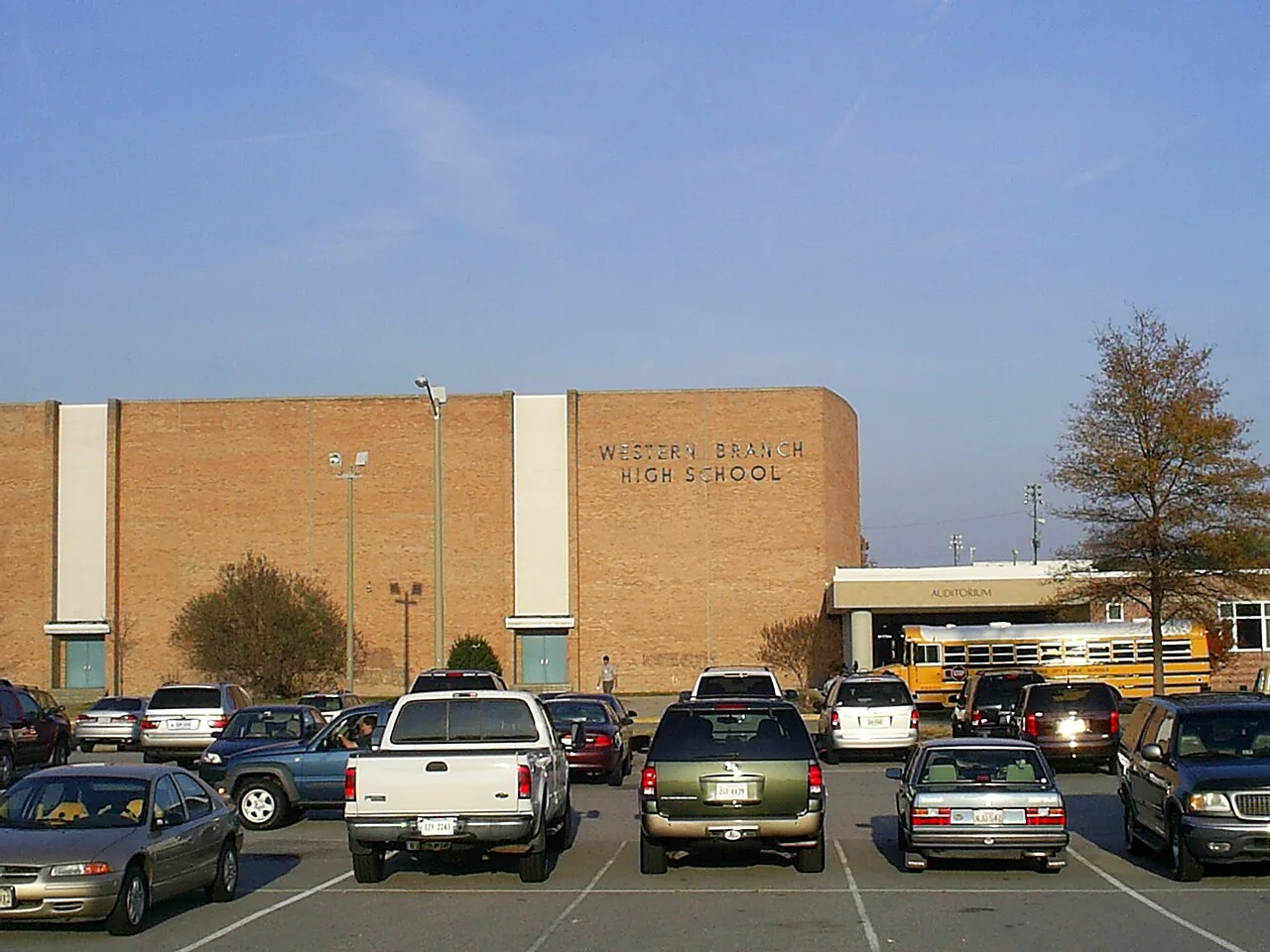
When a commercial roof in Western Branch leaks at a wall, the cause is usually the flashing where the membrane turns up the wall and ties into the masonry or siding. Once that seal opens, rain runs down behind the flashing and into the insulation and deck below.
We repair commercial membrane and metal roofs across Chesapeake. On a flashing leak, we trace the water to the opening, rebuild the flashing with materials that match the existing membrane, and replace any wet insulation or wood underneath. If the flashing is failing all around the building, we'll talk about a larger repair.
Western Branch covers everything from community buildings near Portsmouth Boulevard to commercial properties toward Greenbrier and Volvo Parkway. Each building has its own access rules, and we confirm them with the operator before work starts. Tell us the address and when the leak shows up inside. We'll trace it, explain the repair and seal it temporarily if needed while we line up materials.


Wall flashing: the leak behind the caulk line
A cracked bead of caulk at the top of the wall flashing is often the first thing people see. But adding more caulk usually just buys a little time. The real problem may be loose termination bar, flashing pulled away from the wall, or rotted wood behind it.
We look at the flashing, the termination and the wood blocking behind it. If the wall itself is leaking through cracked mortar, brick or siding above the roof, that's a masonry or siding job, and we'll tell you so the right trade can be brought in before we redo the roof flashing.
Our flashing and penetration repair work rebuilds these details properly. A building in Great Bridge gets its own inspection the same way. Old caulk and roof cement usually have to be removed before the new flashing will bond. If we can't see the wood or wall condition without opening it up, we'll say so up front. You'll get a clear explanation of what's wrong and what we recommend. We choose materials based on the roof that's actually there, and fresh caulk alone is never the whole fix.
Skylight and vent leaks: flashing or the unit itself?
Water near a skylight or roof vent can come from the roof flashing, the skylight itself or the equipment connected to the vent. A cracked skylight lens or failed glazing seal looks like a roof leak from inside but needs a different fix.
We check the flashing at the base first, then look at the unit. If the skylight or equipment needs work, we tell you which trade to call. The roof flashing needs enough room and solid wood blocking to install correctly, and we have that ready before we remove the old flashing.
Our commercial roof leak repair service starts with sorting out the source. Buildings in Greenbrier get the same approach. It helps to know whether anyone has been working on the skylight or rooftop equipment recently. Water often runs under the membrane before it drips through, so we follow it back to the opening. The repair goes where the water is getting in, based on what we find on the roof.
Wet insulation and wood behind the flashing
A flashing leak often soaks the insulation and wood near the wall or penetration. We check for wet material before deciding how much to replace. Probes and test cuts tell us the most; moisture scanning can help on larger areas. We describe what we've confirmed separately from what still needs checking.
Our roof insulation and cover board replacement covers the insulation side of the repair. If we find more damage once we open the roof, we stop, explain what we found and get your approval before going further. The area stays sealed while we line up materials.
New flashing over wet insulation or rotted blocking won't last, so the repair includes the wood and insulation as well as the flashing. Dry material in good shape stays in place. Replacing blocking or insulation can change the flashing height and the size of the metal pieces, so we measure after the base is rebuilt and before anything gets fabricated. That way the pieces fit when they arrive, and you know why the repair grew if it did.
Protecting the room below during the repair
Tearing off old flashing opens the roof for a short time and can drop debris into the space below. Before we start, we go over with the operator which rooms need protection and how we'll move materials. Wet ceiling or electrical issues go to the right trades.
We use a temporary seal that suits the roof type and plan a clean stopping point each day. If we find more damage, the space below stays protected while we decide on the next step. Our occupied building reroofing crews work this way on every job. For government and community buildings, permissions come from the site contact.
We check surface moisture and temperature right before installing new flashing, because each membrane has its own installation requirements. If it's too wet or cold, we wait and tell you what's needed before we can finish. The temporary seal stays in place in the meantime. Nearby service work goes back to normal once the flashing is complete.
After the repair: what the record should show
When the repair is done, you get photos and notes showing the new wall or penetration flashing, any wood or insulation we replaced and what we left in place. Service techs get guidance on how to avoid damaging the new flashing. We note any drain or foot-traffic issues we saw.
Skylight, equipment and interior work stays with the right contractors, and they can use our report to decide when to start. Our roof condition reports lay out exactly where the repairs are. If flashing is failing on many walls or penetrations, we'll talk about wider work based on what we found.
If another leak shows up later, we inspect it fresh. It may be new damage from service work or an equipment drain rather than the repair we did. We take calls overnight, on weekends and over holidays and confirm a response time based on access and conditions. We can put down a temporary seal while we wait on parts or investigate further. The report also notes any wall work handed off to a masonry or siding contractor, so it's clear what the roof repair covered and what it didn't.
The commercial strip around Taylor Road and Portsmouth Boulevard mixes buildings of different ages and uses. On a shopping center or warehouse roof, we find the occupied space below the leak and plan protection before opening the roof or moving materials. Large retail roofs often have several sections separated by parapets or additions, so we mark the section and nearest drain on the site plan. Our recommendation says whether the problem is a one-off, tied to a wall or transition, or still unconfirmed until we open it up.
Commercial Roofing Questions
Will a new bead of caulk fix a wall flashing leak?
Usually not for long. We check the flashing, termination and wood behind it, and rebuild what's failed instead of just caulking over it.
How do you tell a skylight leak from a flashing leak?
We check the flashing at the base first, then the skylight or unit itself. If the skylight needs work, we tell you which trade to call.
Does a small opening in the flashing mean a small repair?
Not always. Insulation and wood behind the flashing can be wet well beyond the opening, so we check before deciding how much to replace.
How is the room protected if you find more damage?
We seal the roof temporarily and stop at a safe point. We explain what we found and get your approval before going further.
What happens with wall or skylight problems you don't fix?
We note them in the report and point you to the right trade. Our report shows exactly what the roof repair covered.
Flashing leak at a Western Branch building?
Send us the Western Branch address and where the leak is showing, whether at a wall, skylight or vent. We'll trace the leak and send photos with a short explanation of the repair.