
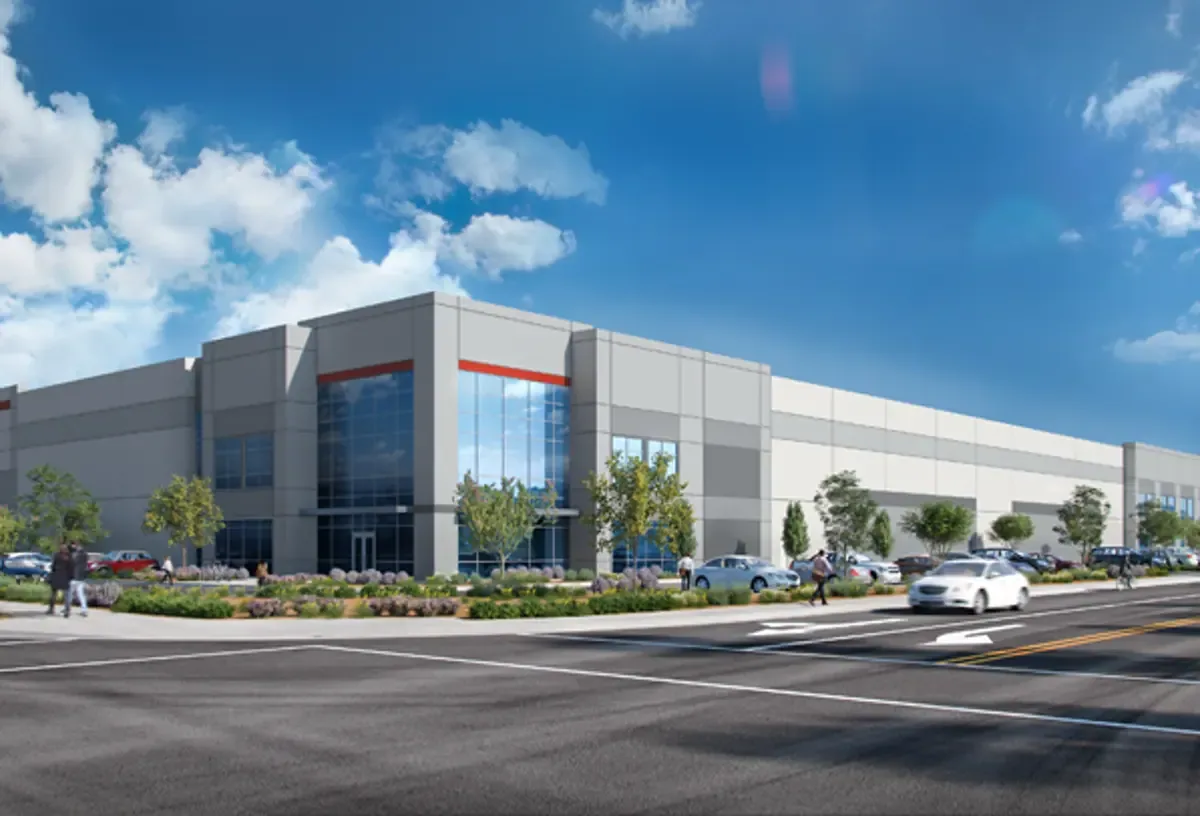
A leaking curb above a Chesapeake production floor can drip onto machinery, product or electrical equipment. The roof needs a permanent repair, and the plant needs to decide how to protect the line and whether anything must shut down. We work with manufacturers on roof repairs and replacements. We inspect the leak and the roof around it, while equipment and process decisions stay with the plant's own staff. We build the roof plan around those decisions, so the work fits how the plant actually runs rather than assuming any production window allows the same opening.
Greenbrier is Chesapeake's established commercial hub, with office, retail and industrial buildings. Manufacturing properties there still need their own roof review and their own production plan. We inspect the membrane, flashings and supports, then plan the work with the plant's equipment, production and safety requirements. Tell us the building, when the leaks happen and who can give us access. The plan ties what we find on the roof to the prep and protection needed before any tear-off begins.
Great Bridge has commercial corridors along with other uses, so a location alone tells us nothing about a manufacturing roof. The plant should tell us about production limits, equipment shutdowns and which areas can be cleared. We then schedule the inspection and repair around those conditions. Our report separates roofing work from process or mechanical work handled by other teams and notes any phase that needs another approval before we remove material.
Working Above Production
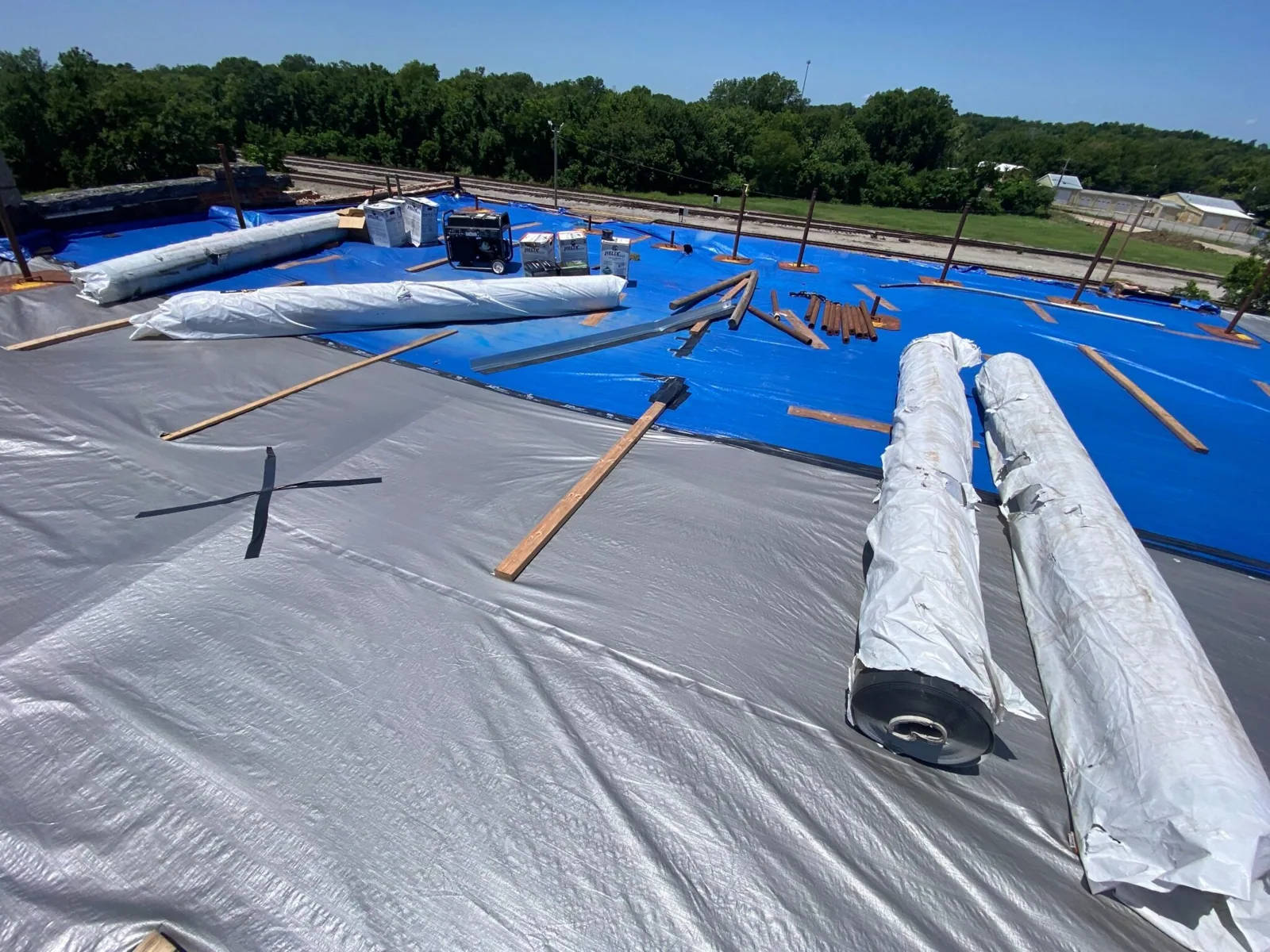
Tearing off roof over running machinery can change the protection needed below. We explain the work area and what might be exposed, and plant staff decide how equipment and production are handled. Each roof phase is tied to its location and the protection it needs. Another area of the plant may need a different plan before we move there. If what we find changes the work, we raise it before going further. You can then approve each phase based on real conditions, not a general shutdown date.
Our occupied building reroofing connects the roof work to the plant's approvals. We identify how materials and debris will move and how each day's work will be closed up. A delivery route may be different from the route workers use, and if that adds handling, it is in the price. Equipment shutdowns are handled by the right technicians. The sequence makes sense on paper and on the roof, with open plant decisions visible before anything is lifted or opened.
Curbs, Exhausts and Penetrations
A process exhaust or HVAC unit can block the flashing that needs repair. We inspect what we can reach and identify any equipment that has to be moved to finish the job. Plant equipment staff handle shutdown and moving. We do not treat a curb as repaired if we could only see one side, so any part we could not reach is listed as work to complete. You see what has to happen first next to the roofing price, so new flashing never hides a problem behind the unit.
Our rooftop equipment curbs and supports work checks the wood and attachment under each unit. Structural questions go to an engineer. When equipment is added or moved, the new penetration gets its own flashing review. We do not just repeat what was done at an earlier curb. The plant and owner can plan each repair based on what we found on the roof, not assumptions about every unit.
Roof Leak or Process Leak?
A drip in a production area may come from the roof or from process piping, condensate lines or equipment. We compare when and where it happens with what we see on the roof. Water can travel under the membrane before it shows up inside. We locate any roof openings we find, and other possible sources go to the right trade. You see both before the repair is priced, so one leak report does not lead to rebuilding every curb and seam nearby.
Our commercial roof leak repair checks seams, flashings and penetrations, along with the membrane around them. We photograph what we find and note what we could not reach, and any unreached area is scheduled for follow-up. A temporary repair may make sense while the permanent fix is planned. We take emergency calls at night, on weekends and on holidays, and temporary repairs are recorded separately from permanent ones.
Wet Insulation
Water from a failed seam can soak insulation beyond the visible opening. When that would change the repair, we take core samples. Each opening is approved, has a clear purpose and is sealed the same day, with the plant protecting equipment below. Our findings cover only what we tested. A dry surface does not prove dry insulation. Confirmed wet areas are kept separate from areas still to be checked, so removal is based on what we actually find.
Our insulation and cover board replacement follows the findings on your plant roof. We locate sound insulation and flag structural questions for an engineer, whose findings may change fastening or the size of each work phase. We show how that affects the scope. The new roof goes on over sound insulation, and open questions are resolved before a larger purchase is made.
Material Handling and Logistics
A plant's loading area may limit where we can stage materials or set a crane. We propose a route and the plant approves it. Limited access can add handling, require smaller work areas or change the schedule, and those costs are included. You can compare complete options, not just material prices. At plants near Greenbrier, each building's access is planned on its own. Dates can be coordinated across buildings, but each job is set up before materials are ordered.
Plants that also run distribution may need the same planning as roofing for logistics and 3PL operations. Property management companies keep building contacts and past repair records available. Each building's approvals and findings stay separate. When we finish, photos show the completed repairs and materials. Equipment and interior work are handled by their own trades, and deferred roof items are listed, so future maintenance or plant changes start from the roof's current condition.
Commercial Roofing Questions
Can you work on the roof while the plant is running?
Usually, yes. We plan phases around production, and plant staff decide what protection or shutdowns are needed below each work area.
Who handles process equipment on the roof?
The plant's equipment team or mechanical contractor shuts down and moves units. We handle the curb flashing and coordinate timing.
How do you tell a roof leak from a process leak?
We compare when and where the drip happens with what we find on the roof. If the source looks like piping or equipment, we tell you which trade to call.
Do you check for wet insulation?
When it affects the repair, yes. Core samples are sealed the same day and coordinated with plant staff.
How do you handle limited access to the roof?
We propose a delivery route and crane location, and the plant approves it. Any extra handling is included in the price up front.
Plan roof work around production
Tell us where leaks are showing up and how production runs below. We will inspect the roof and explain the repair and schedule.