
When flashing pulls away from a wall on an office roof, water runs straight down behind it. Before approving another repair, the owner needs to know why the last one did not hold. We prepare roof condition reports in Chesapeake, VA, that answer that kind of question. Each report shows where the defects are, what is causing them and what it will take to fix them properly. When something cannot be confirmed without more testing, we say so plainly instead of guessing.
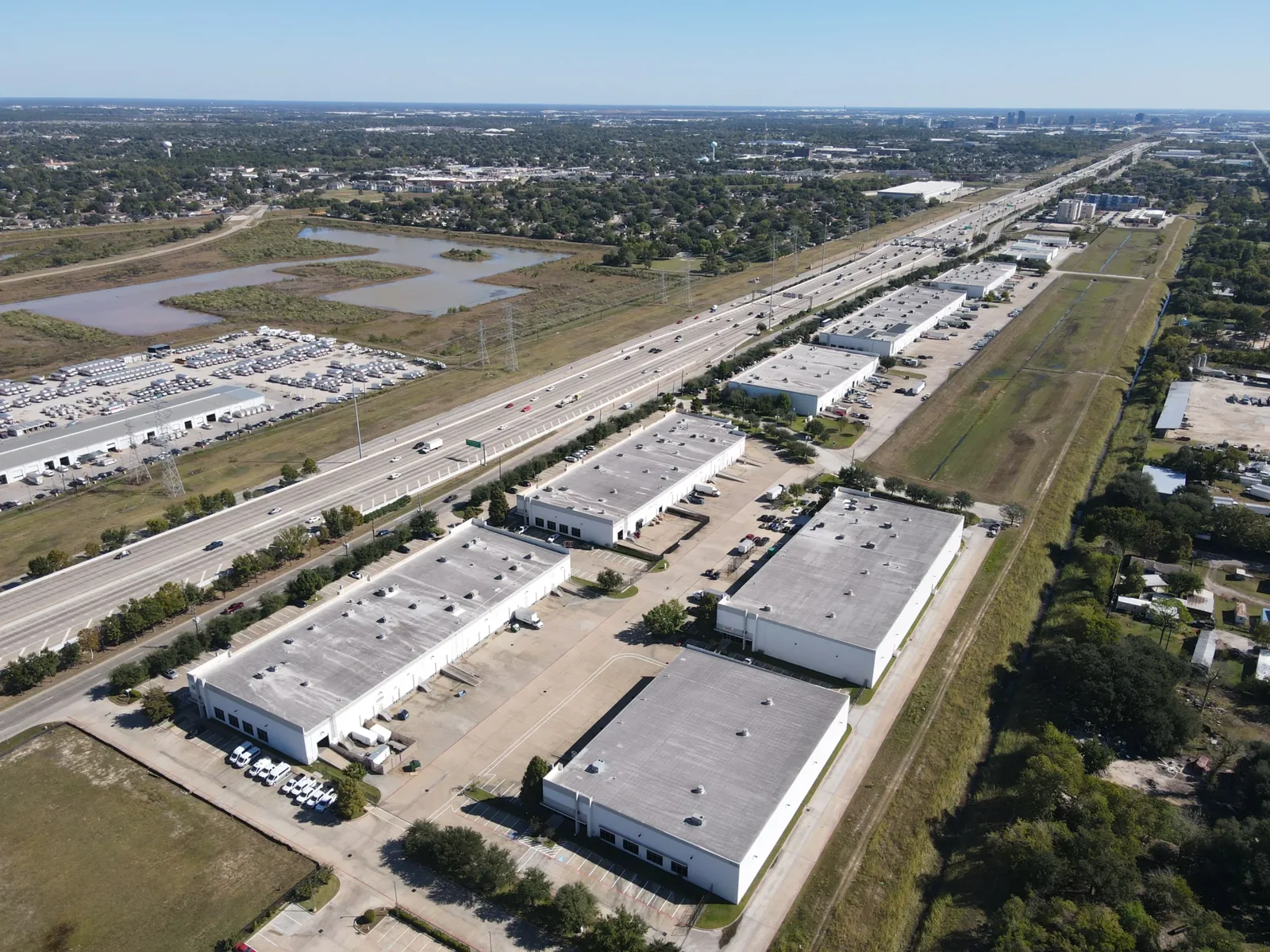
Greenbrier North Commerce Park sits in Chesapeake's Greenbrier Business District, but a condition report is always about one specific building and roof area. We inspect what we can safely reach and note what we could not. Past records help us know where to look, but they do not prove the roof is in good shape today. You receive a report with a roof plan, labeled photos and a clear next step, tied to your building and your contact, not to a neighboring property.
What We Find and Where
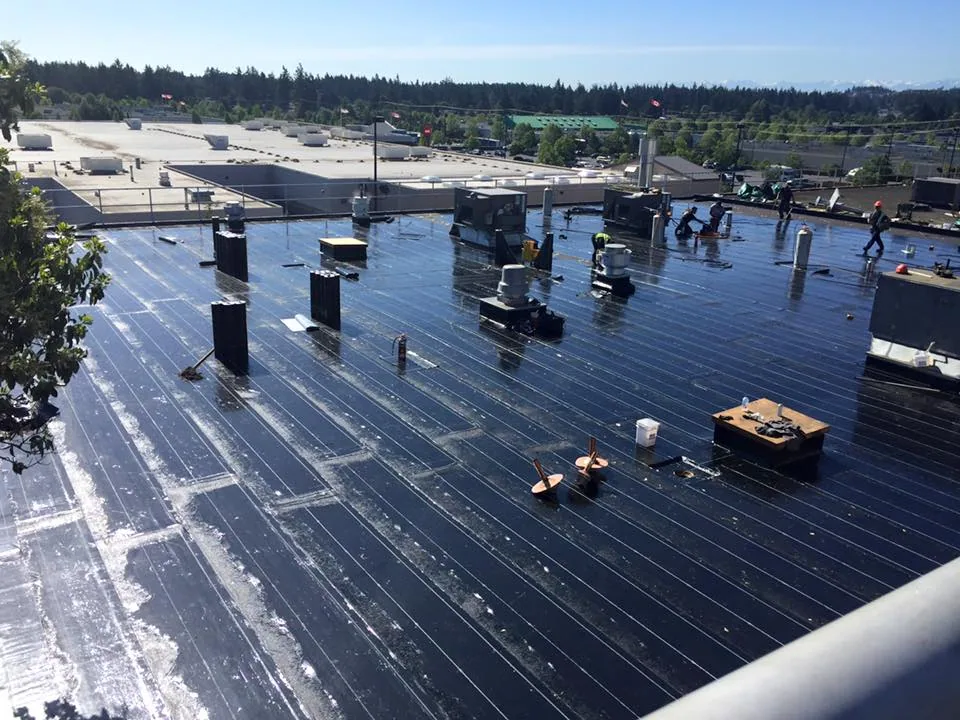
A close-up photo of a split in the membrane is only useful if someone can find that spot again. Our reports show each defect on a roof plan, with a wider photo showing the wall, curb or drain it sits next to. We describe the condition of the surrounding membrane, because a repair needs sound material to bond to. Old patches are noted where they will affect the repair. That way the next crew knows exactly where to go and what they will be tying into.
A full commercial roof inspection is the basis for every report. We note which areas we inspected and any we could not reach, such as the far side of a large HVAC unit. Those areas are listed for a follow-up visit. The report is honest about the difference between a roof that was walked and a roof where every detail was confirmed, so you can plan the next step with a clear picture.
Matching Leaks to Their Source
A stain on a ceiling tile shows where water is coming out, not necessarily where it is getting in. We compare the location and timing of interior leaks with what we see on the roof above, including seams, flashings, penetrations and drains. Sometimes the cause is clear and a repair can go ahead. Other times the water is coming through a wall, window or HVAC unit, and we recommend the right trade for that, so you do not pay for a roof fix that will not stop the leak.
Our commercial roof leak repair findings show the likely entry point and the prep needed for a permanent fix. For active leaks, we take emergency calls overnight, on holidays and on weekends, and do temporary repairs where it is safe. The report lists temporary repairs separately from the permanent work still to come, so a quick patch does not get mistaken for a completed repair.
Moisture Scans and Their Limits
Infrared and other moisture scans are useful for spotting likely wet areas across a large roof. They are not proof on their own. A scan can be thrown off by surface debris, recent rain or differences in the roof build-up. We explain what a scan showed, what it might mean and how we confirmed it. Any decision about removing insulation is based on core cuts or other direct checks, and the report makes that clear.
An infrared moisture survey is run when conditions are right, usually after a clear, sunny day. Suspect areas are then checked with small core cuts, planned with the building contact so the space below is protected, and each cut is sealed the same day. The report shows confirmed wet areas with measurements and photos, and marks any areas that still need checking, so removal quantities in a later estimate are based on facts.
From Findings to a Repair Plan
A good report does more than list problems. For each finding, we describe what the repair involves: what material comes out, what can stay and how the new work ties into the existing roof. Where a larger repair or replacement makes more sense, we explain why. Unknowns are flagged instead of buried. That way you can compare a targeted repair with a larger project knowing what each one actually includes, from tear-off to the final flashing detail.
Our reports feed directly into roof capital planning. Each option shows which areas would be removed and which would stay. If more investigation is needed before ordering materials, we list it. Two roofs with the same membrane type may need different prep, and the report explains why. We also note any access or scheduling constraints, so the plan reflects how the work will really be done.
Working Around Occupied Buildings
Healthcare buildings need inspections that fit around their operations. Before the visit, the facility team tells us which rooms, equipment and roof areas have restrictions. We document what we could inspect and clearly list what we could not. Access to the roof makes the inspection possible, but our recommendations are based on what we found, not on the type of facility. The result is a report that the people running that building can use right away.
For properties near Greenbrier, we bring the building's past reports to compare current conditions with earlier repairs. If a new curb or penetration has been added, we inspect it on its own. Earlier repairs are useful history, but they do not tell us whether new rooftop work was flashed correctly. Each new item gets its own finding and recommendation.
Using the Report Later
When repairs are finished, we update the report with what was done, where and with which materials. Deferred items stay on a separate list. If a problem involves structure, mechanical equipment or the building interior, we note who should handle it. We also review warranty terms, since a membrane brand on its own does not tell you what is covered. The report becomes a lasting record that makes the next visit faster and the next decision easier.
Good reports are the foundation of roof asset management. When a new leak appears, we compare it with the existing record and the roof's current condition. Bring earlier photos and repair notes to the review and we will check whether the issue is new or a return of an old problem. Each finding is tied to a location and a clear recommendation, not a vague rating that leaves you guessing.
Commercial Roofing Questions
What should a roof condition photo show?
The defect itself plus enough of the surroundings, such as the nearby wall, curb or drain, to find it again. Each photo is tied to a location on the roof plan.
Can a ceiling stain tell you exactly what needs fixing?
It points us in the right direction, but water can travel before it shows inside. We match the stain's location and timing to what we see on the roof before recommending a repair.
How are infrared scan results shown in the report?
As likely wet areas, with a note on how they were confirmed. Suspect spots are checked with core cuts, and only confirmed wet areas are used for removal quantities.
How does a finding become a repair option?
We describe what material comes out, what stays and how the new work ties in. Larger repairs or replacement are explained with the reasons behind them.
What should we bring to a follow-up review?
Earlier photos, repair invoices and warranty documents, plus the dates and locations of any new leaks. That lets us tell quickly whether a problem is new or recurring.
Get a clear report on your roof
Send us the building address and when the leaks or problems started. We will inspect the roof and send photos with a short written report explaining what we found and what to do next.