
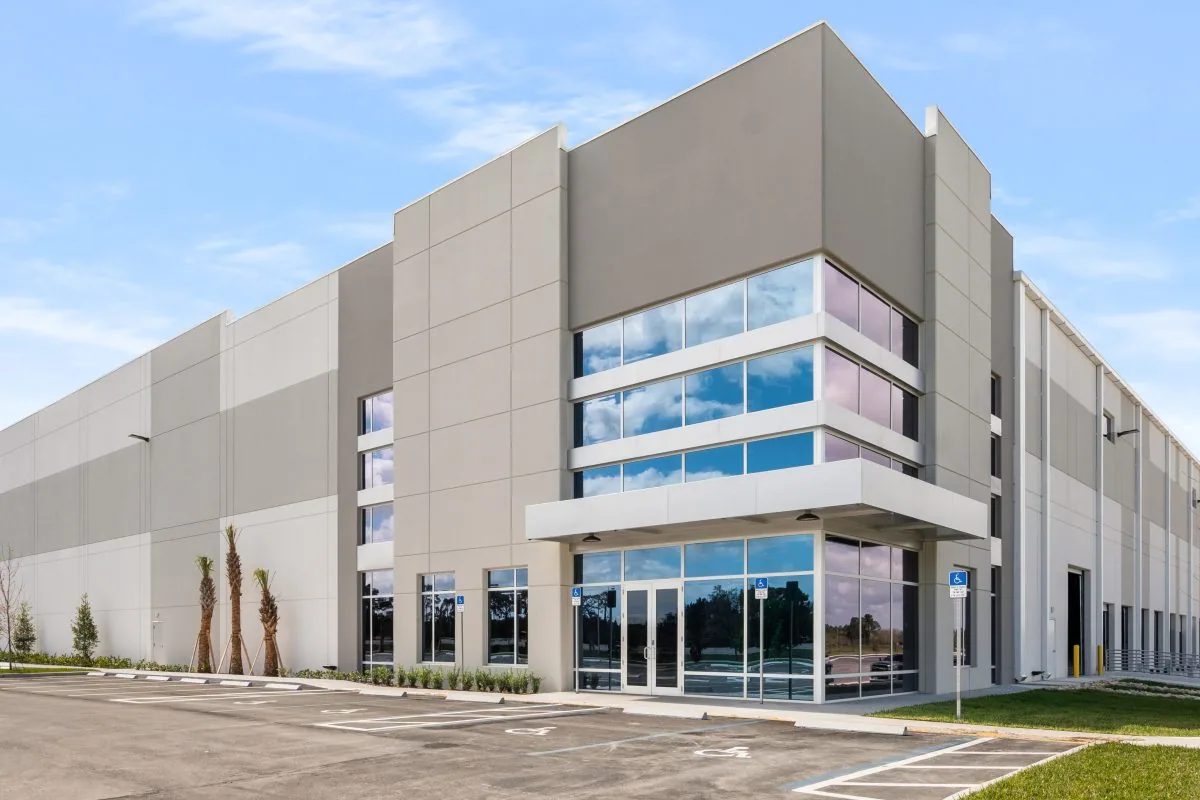
Flex buildings mix offices, showrooms, light manufacturing, workshops and storage under one long roof, usually split into several tenant suites. Each tenant tends to add its own rooftop equipment over the years: an HVAC unit for the office area, an exhaust fan for a shop, a vent for a paint booth or a gas line for a heater. Every one of those creates a new hole in the roof, and they are not always flashed well. Most flex building leaks we trace in Chesapeake start at one of those penetrations or at the curb under a newer piece of equipment.
Because the roof runs continuously across several suites, water that gets in over one tenant can travel along the deck and show up next door. That leads to confusion about who caused the leak and who pays to fix it. We inspect the penetrations and curbs over the affected suites, follow the water to its source, and check whether the insulation is wet. You get photos and a written explanation of the cause and the repair, tied to specific suites, so the landlord and tenants can see exactly where the problem is and what has to happen.

Penetrations and curbs
Tenant improvements often add pipes, vents and units to an older roof, and the installers are not always roofers. Pipes get sealed with a smear of mastic, curbs get set without proper flashing, and gas lines are run across the roof on blocks that wear through the membrane. Over time, those details crack and let water in. We look at each penetration near the leak, check how it was flashed and whether the roof around it is wet, and identify which ones need to be rebuilt rather than resealed.
Our penetration and flashing repair work replaces mastic patches and pitch pans with proper boots, curbs and flashing. Our rooftop curb and equipment support work covers rebuilding curb flashings, raising short curbs and replacing worn pipe supports. If a tenant's equipment needs to be moved or disconnected to do the job right, we coordinate with their mechanical contractor and the landlord so the work is scheduled once and done correctly.
Working around separate tenants
In a flex building, one tenant may be running a quiet office while the next is operating machinery and the one after that is storing inventory. Each has different hours, different sensitivities to noise and dust, and different things below the roof that need protection. Before we open any section, we work with the property manager to identify which suites sit under each phase and how each tenant will be notified.
With our roofing for occupied buildings approach, only a small area is open at any time, and it is sealed before anyone goes home. Noisy work and odor-producing adhesives are scheduled with tenant input, and air intakes near the work are noted. Loading doors, parking and entrances stay clear for each business. If a tenant has sensitive equipment or stock, we agree on protection before the roof above them is opened. Each tenant gets the same clear notice, so no one is caught off guard.
How much of the roof is wet
A leak that has been going for a while, or several leaks over different suites, can leave wet insulation spread across a larger area than anyone expects. That matters when deciding between spot repairs, a recover over the existing roof or a full replacement. A recover only works when most of the roof underneath is dry. Laying new membrane over wet insulation traps the water and leads to early failure.
An infrared moisture survey can map wet areas across the whole building, which gives the owner a clear picture for budgeting. We confirm the scan with core samples, since rooftop equipment and recent rain can affect the readings. With the wet areas known, we can price repair, recover and replacement options side by side, and the owner can decide based on real conditions instead of guesses. If budgets are tight, wet areas can be replaced first and a recover planned for a later year.
Flex buildings near Greenbrier
Greenbrier North Commerce Park and the surrounding business district include a number of flex, office and light industrial buildings. They vary in age, roof type and how much equipment tenants have added over the years. For flex industrial roofing near Greenbrier North Commerce Park, we inspect the specific building named in the request and base the repair on what we find there.
We keep findings organized by suite so the property manager can see which repairs relate to which tenant and which belong to the base building. That helps when lease terms split responsibility for roof penetrations added by tenants. Photos are labeled by suite and roof location. If a tenant's equipment caused a leak, the report shows it plainly.
The proposal explains the cause of each leak, the repair, the schedule and how each tenant will be affected. If the inspection turns up something outside roofing, such as a structural issue or an HVAC problem, we note it separately so the right party can handle it. When a tenant moves out, an updated roof inspection is a good way to record any new penetrations they left behind.
Related buildings and closeout
Manufacturing plants share the issue of heavy rooftop equipment and process exhaust. Our manufacturing plant roofing page covers working around production equipment and protecting machinery below. Many flex buildings also have office suites at the front, and our office building roofing page explains how we work above occupied office space with minimal disruption.
At the end of the job, you receive photos of each repaired detail, a roof plan showing work by suite, a list of materials and notes on any tenant equipment issues. With so many tenant changes over the life of a flex building, a simple rule helps: any new roof penetration should be flashed by a roofer. Regular inspections in spring and fall, and after major storms, catch problems from recent tenant work before they spread across suites. A short report after each visit keeps the owner and property manager on the same page.
Commercial Roofing Questions
Why do flex buildings leak at tenant-added equipment?
Pipes, vents and units added during tenant improvements are often installed by non-roofers and sealed with mastic instead of proper flashing, which cracks over time.
Can a leak over one suite come from another?
Yes. Water can travel along the deck before it drips, so the leak may show up in a neighboring suite. We trace it to the actual source.
How are tenants kept informed during roof work?
We work with the property manager to notify each tenant about the schedule, noise, odors and any protection needed for their space.
Is a recover possible on our flex building?
Only if most of the existing roof is dry. A moisture survey confirmed with cores tells us how much needs replacing first.
How are findings organized?
By suite and roof location, with labeled photos, so the owner can see which repairs relate to which tenant and which belong to the base building.
Have the leaking penetration in your flex building traced
Tell us which suites are affected and what equipment sits on the roof above them. We will inspect the roof and send photos with a short, clear repair plan.