
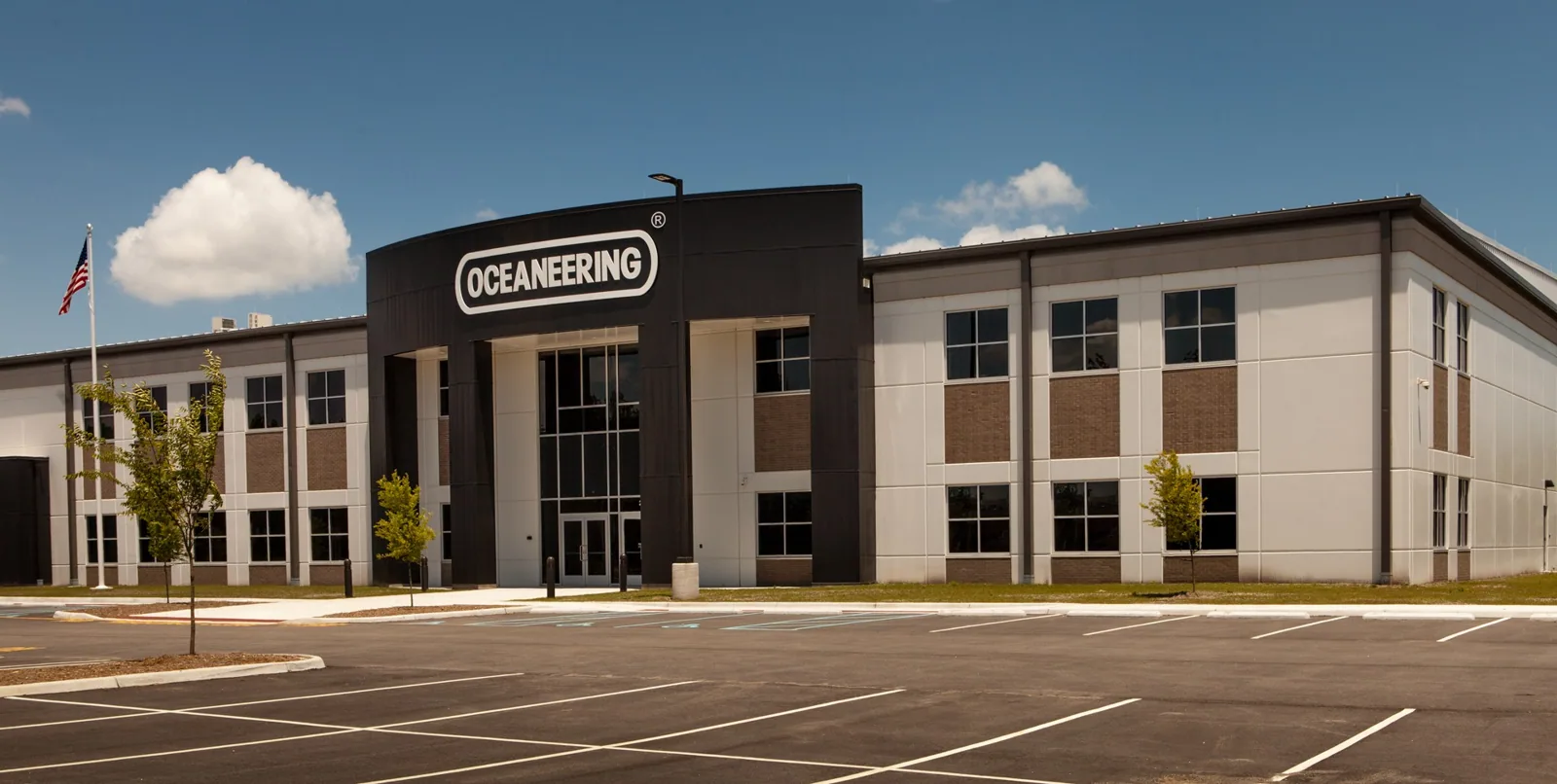
Rooftop service visits are one of the most common causes of leaks in Greenbrier North Commerce Park. A dropped screwdriver, a sharp sheet-metal edge or a heavy part set down on the membrane can punch a hole that lets rain straight into the insulation. We inspect and repair commercial roofs across Chesapeake, VA, and we fix what we actually find: the puncture, any nearby damage and the wet material underneath. If the roof is mostly sound, a local repair is usually all it takes. If damage is spread across the roof, we'll talk about a bigger plan.
Greenbrier North Commerce Park sits off Smith Avenue in Chesapeake's Greenbrier Business District, not far from Oakbrooke near Clearfield Avenue and Kempsville Road. When you call, tell us which building and space are affected, when the leak started and whether anyone has been on the roof recently. We inspect the roof before choosing repair materials. While we sort out the permanent fix, we seal the damaged area so no more water gets in.

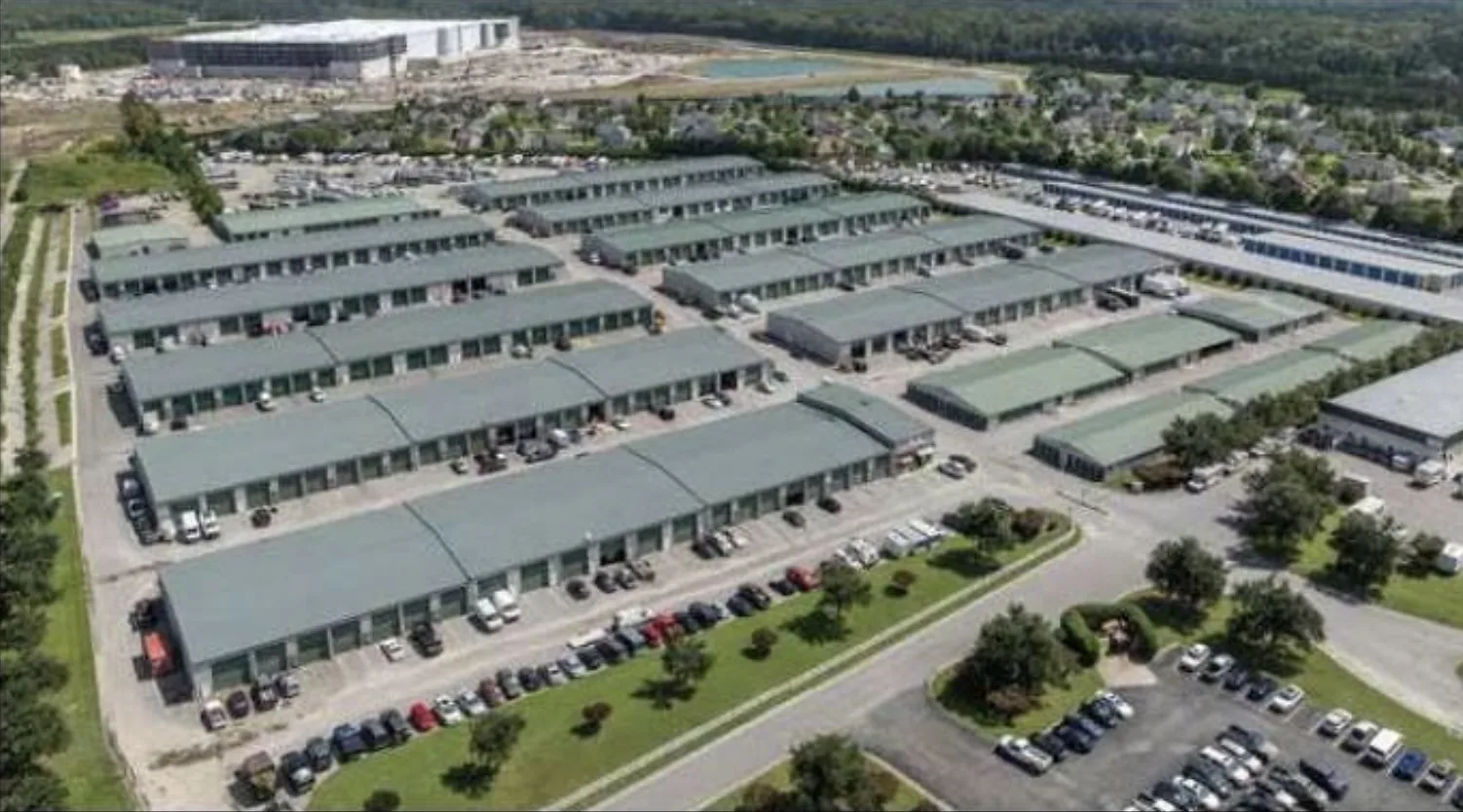
Damage left behind by service crews
A puncture can be tiny while the roof around it is still in great shape. But even a small hole lets water spread under a wide area of membrane. If an HVAC tech or another contractor was recently on the roof, let us know. That helps us know where to look, though we confirm the damage ourselves. We also check nearby seams and any old patches, because a second leak is common. The patch has to bond to clean, sound membrane, not just cover the hole.
Our commercial roof repair crews fix punctures based on what we find. Buildings in Oakbrooke get their own inspection. We check the membrane condition and look for old sealants that could keep the patch from sticking. Repair materials are matched to your roof type, whether that's TPO, EPDM, PVC or modified bitumen. You'll know the size and location of the repair before we start. If we can't see the condition of the insulation underneath, we'll explain how we plan to check it.
Following the water, not the stain
A puncture might not be the only leak. Water can travel under the membrane before showing up inside, so the stain may be well away from where the water got in. We inspect the roof around where your staff reported water. Sometimes the real cause is a leaking condensate line or a plumbing problem, and that's a job for a different trade. We'll tell you if that's the case. We repair the roof damage we confirm, rather than putting a patch the size of the ceiling stain.
Our roof leak repair work after a service visit separates roof damage from other problems. Buildings in Cavalier Industrial Park get the same treatment. Knowing when the service visit happened helps us match it with what we find on the roof. We can put a temporary seal down right away to stop the water while we plan the permanent repair. The temporary seal doesn't mean the insulation is dry. We'll explain what still needs to be done before you schedule the work.
What the water reached underneath
Insulation under a puncture can stay wet long after the roof surface dries out. We check suspicious areas and show you what we've confirmed is wet. On suitable roofs, an infrared scan can help us find wet spots, but we confirm them with core cuts first. Scan readings can be affected by equipment and roof layers, so we interpret them carefully. Sometimes we need to open a small section to see how deep the water went.
When insulation and cover board need replacing, we follow what testing shows. If we find more damage once we open the roof, we document it and explain the added work before expanding. The roof stays sealed in the meantime. Dry, sound insulation stays in place where the system allows. A patch over wet insulation won't stop the damage underneath.
The condition of the surrounding membrane also affects how we prepare the repair. Old sealants or coatings may need to be removed before the patch will bond. We explain that work along with any insulation replacement, so you know what's involved before approving the repair.
Keeping your space protected
Removing damaged membrane opens up the roof over your space. We go over the area below and the best route for materials with the building manager. If ceilings or electrical equipment got wet, your maintenance staff or an electrician should check them. We set up temporary protection before starting and plan a safe stopping point in case we find more damage. Materials can be ordered and HVAC work scheduled while the roof stays sealed.
When we do roof repairs over occupied spaces, we schedule around your tenants and operations. For flex industrial buildings, the owner or tenant sets the restrictions. We check moisture and temperature before installing new materials, since every product has its own requirements. If the insulation needs to dry or we need to pause, the roof stays sealed and we tell you what needs to happen before we resume. Service crews know when it's safe to use the area again.
Once the repair is finished
When we finish, you get a record showing where we repaired the membrane and which insulation we replaced. Areas of old roof next to the repair are clearly marked. We give HVAC and maintenance crews tips for working around the repair without damaging it. If we noticed drainage problems or heavy foot traffic, we note them for future maintenance. Interior repairs stay with the right people, and they'll know when the roof is done.
Our roof condition reports for Greenbrier North properties show exactly where work was done. If damage is spread across the roof, we'll tell you whether replacement makes sense. If a leak comes back, we inspect it fresh. A new condensate leak or another puncture may need a different fix. You can report leaks nights, weekends and holidays, and we'll confirm when we can get there. A temporary seal can protect the building while we wait on test results or parts.
Our records also make it easy to tell our repair apart from damage done later, so we don't repeat an old fix for a new problem.
Greenbrier North mixes offices, flex space and service businesses, often side by side. Before a visit, tell us which building and tenant space are affected, and whether loading docks, customer entrances or sensitive equipment limit where we can set up. Don't assume every roof in the park is built the same. We check each one's curbs, drains and edges. If you see water inside, note the room and time so we can match it to what we find on the roof.
Commercial Roofing Questions
How big does the patch over a small puncture need to be?
Big enough to bond to clean, sound membrane around the hole and cover any nearby damage. We inspect the area first before deciding.
How does knowing about a recent service visit help?
It tells us where to look. We compare the timing with what we find on the roof, then confirm the actual cause before repairing.
Can a patch fix wet insulation under the puncture?
No. Wet insulation has to be replaced. We test the area before patching so moisture isn't trapped under the repair.
How do you keep our space protected during the repair?
We set up temporary protection first, plan routes with the building manager, only open what we can seal that day and pause if conditions change.
What should service crews know after the repair?
Where the repair is and how to avoid damaging it. If a new leak shows up, we inspect it fresh and compare it with our records.
Leak after a rooftop service visit?
Send us the Greenbrier North address, when the service visit happened and any areas that need protection. We'll find the damage and send photos with a clear repair plan.