
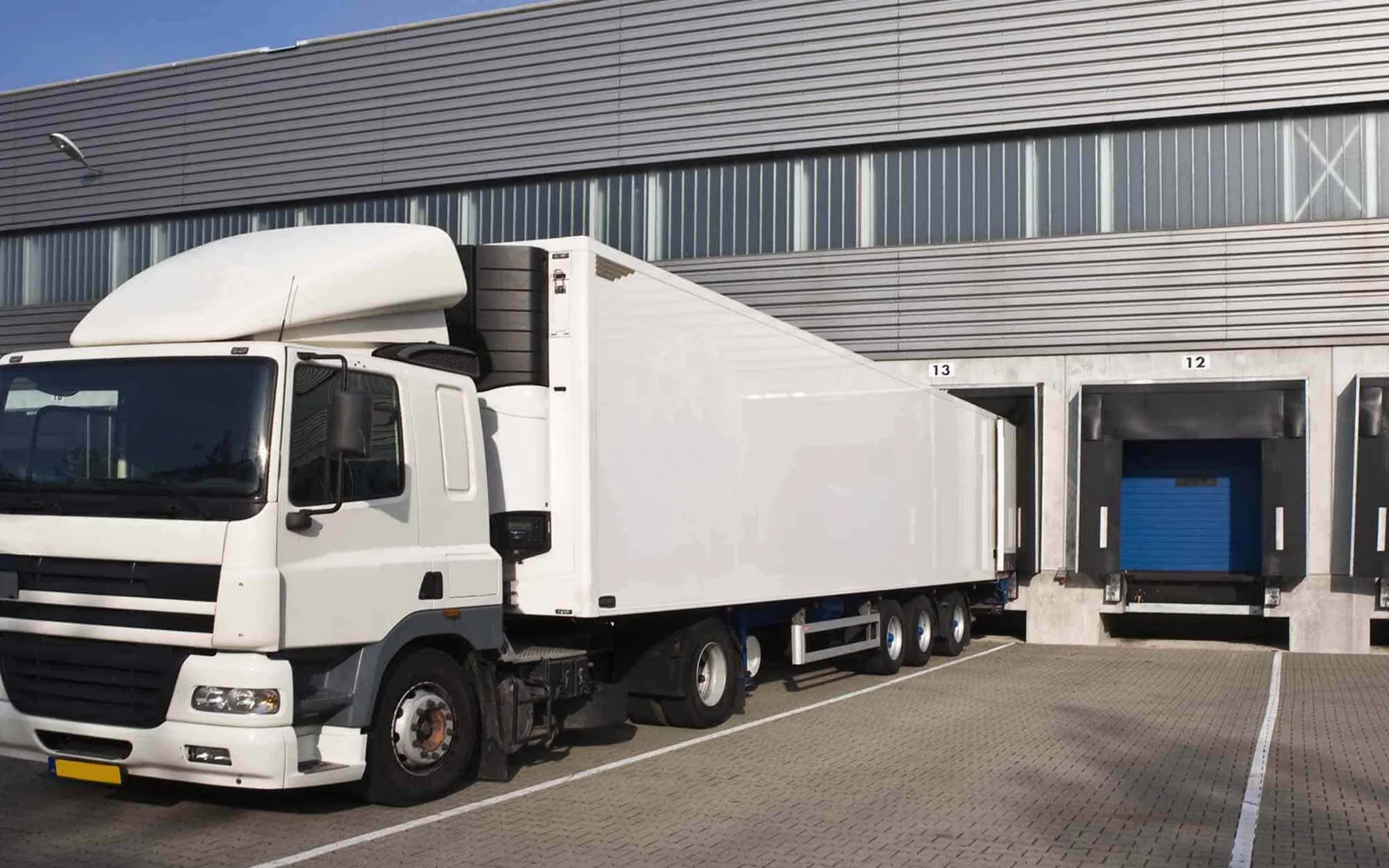
An open seam on a Chesapeake warehouse roof can drip straight onto pallets of customer goods, and in a 3PL building, those goods belong to someone else. A permanent repair needs sound membrane to tie into, while the operator protects the inventory below. We work with logistics and third-party logistics teams on warehouse roof repairs and replacements. We find the leaks and damaged areas, then plan the work around docks, aisles and shipping schedules. A shipping calendar does not tell us whether the insulation is dry, so we check. You get a plan that fits your operation instead of a request to work over active racking.
Greenbrier is one of Chesapeake's major commercial districts, with offices, retail and industrial buildings. A logistics building there still needs its own roof inspection and its own operating plan. We map drains, curbs, seams and edges, then connect the findings to dock schedules and the storage areas that need protection. The operator tells us about delivery windows and any areas that must stay dry. Repairs follow the roof's confirmed condition, and any hidden problems are flagged before the work grows.
Great Bridge also has busy commercial corridors, but its location tells us nothing about how a particular warehouse operates. The operator should tell us receiving hours, restricted aisles, sensitive inventory and how roofing materials can get to the roof. We then plan the inspection and repair around those limits and protect exposed goods during the work. At closeout, we record the area repaired, the temporary protection used and any items to check in a later phase.
Protecting Inventory Below
A section of roof that looks easy to work on from above may sit over valuable goods. We explain the planned opening and temporary dry-in to the operator, who decides how to move stock or protect it. Aisle layouts do not always match how the roof drains, and each day's work has to be closed up properly. We point out those differences before opening anything, so you can approve a work schedule with protected areas clearly marked and roof sections that make sense on the roof.
Our occupied building reroofing connects the roof work to the operator's plan. We explain material handling and what will be exposed in each section. Different areas may need different stock moves or access. If we find more damage, it gets reviewed again before we open more of the roof. Extra handling caused by operating limits is included in the price, so the options you compare reflect the work that can really happen at your building.
Docks and Material Delivery
A busy loading dock may not be available for roofing deliveries. We propose a delivery and crane location, and the operator approves the route and timing. Those decisions can affect handling and how large each work area can be, and we price them in. A target start date does not mean deliveries, structure and dry-in are ready. Open questions about routes are listed, so materials are not ordered around a dock that turns out to be unavailable.
Warehouses with production lines often need the same planning as roofing for manufacturers. Property management companies keep building contacts and repair records available. Visits can be coordinated across these groups without mixing up approvals. The logistics operator controls access to its own site, and we keep that approval tied to our work schedule, so another building's access rules are never assumed to apply to yours.
Finding the Leak Source
Wet goods may be some distance from the actual roof opening. We compare when the leak happens with the seams, curbs and details above. Water can run under the membrane before it drips. HVAC condensate or plumbing can also cause leaks, and those need their own trade. We record what we find on the roof and note what is still uncertain, instead of treating the wet spot on the floor as the repair area. You can approve the roof repair while the other source is checked by the right contractor.
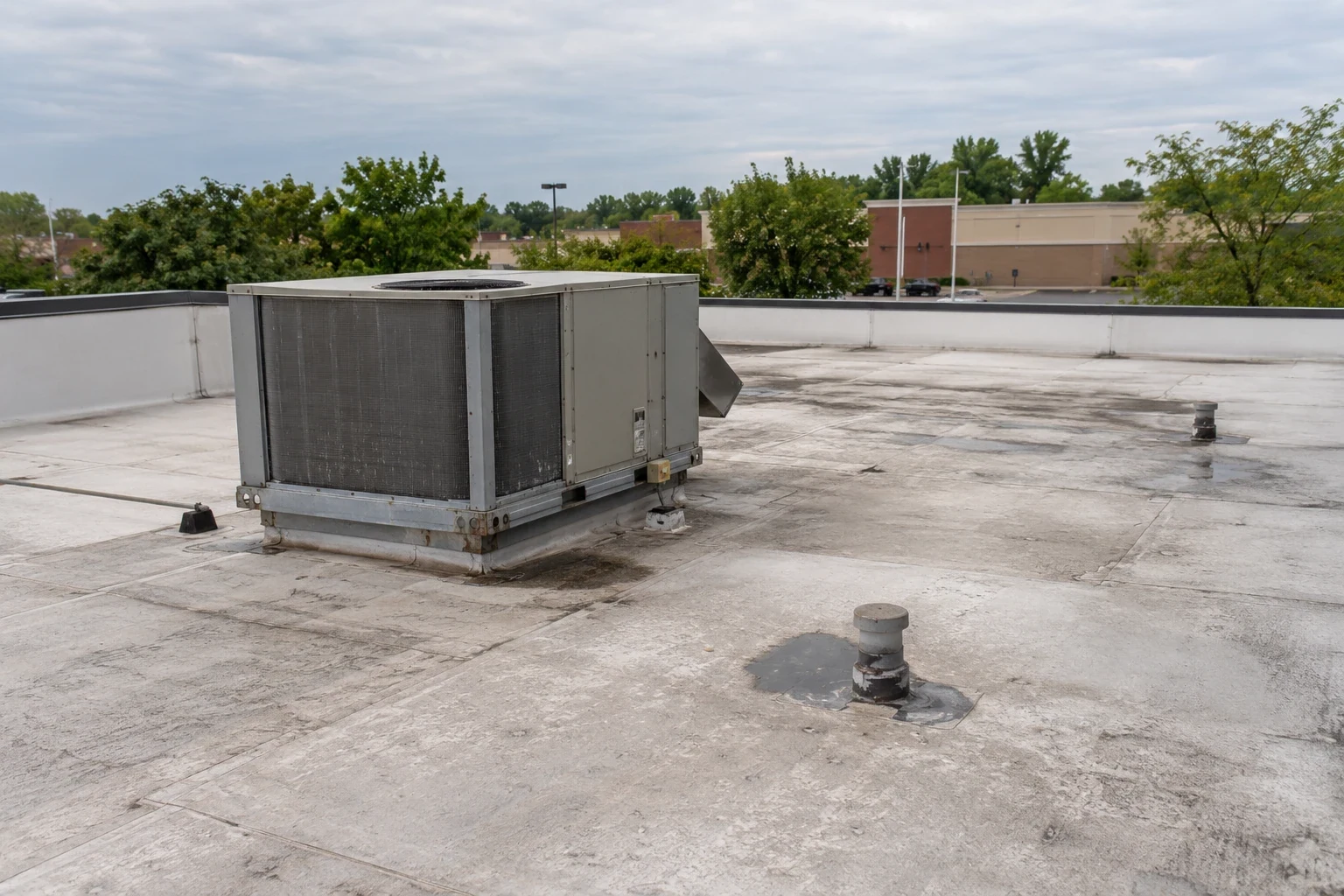
Our commercial roof leak repair checks seams, flashings and penetrations and makes sure the membrane around them is sound enough for a repair. Photos show what we found and what we could not reach, and unreached areas are scheduled for follow-up. A temporary repair may be possible while the permanent fix is planned. We take emergency calls overnight, on weekends and on holidays, and temporary repairs are recorded separately from the permanent work.
Insulation Under the Membrane
Wet insulation under a membrane that looks fine can affect the permanent repair. When that matters, we take core samples, with approval and a clear purpose. The operator protects the goods below each opening, and each one is sealed the same day. Our report shows what we checked and what is still unknown. Confirmed wet areas are kept separate from unchecked areas, so removal quantities are based on what we find, not a guess from where the floor got wet.
Our insulation and cover board replacement follows the findings on your warehouse roof. We locate sound insulation around the damaged area and flag any structural questions. An engineer's findings may change fastening or the size of each work area. We show how that affects the quantities. The new membrane then goes on over sound insulation, and any remaining questions are answered before a larger purchase is made.
Drainage During the Work
Rain from the rest of the roof will flow toward any area we have open. We check drains and drainage paths around each work area and plan temporary dry-in that holds up against that water. Clearing a clogged drain may still leave a damaged drain flashing. Problems with drain pipes inside the building go to a plumber. The owner sees each task before the work starts. At warehouses near Greenbrier, each work phase follows how the roof drains and what the operator has approved.
Our roof drain and scupper repair separates restoring flow from repairing the flashing around the drain. We explain the prep each one needs. When the work is complete, photos show the repairs and materials used. Deferred drainage or structural items are listed with the next step. Equipment and interior work are handled by their own trades, and if a new leak is reported, it is inspected fresh instead of repeating the last drain cleaning.
Commercial Roofing Questions
Can you reroof a warehouse while it stays in operation?
Yes. We work in sections, plan around dock schedules and close up each day's work. The operator decides how goods are moved or protected.
Do roofing deliveries interfere with our docks?
We plan delivery and crane locations with you in advance, often outside peak shipping hours.
Why is the leak not right above the wet goods?
Water often travels under the membrane before dripping. We trace it back to the opening on the roof.
Do you check the insulation?
When it affects the repair, yes. Core samples are sealed the same day, and wet insulation is replaced.
Will clearing drains stop the leaks?
Sometimes. If the drain flashing or nearby membrane is damaged, it needs repair as well, and we check both.
Protect your inventory from roof leaks
Tell us where leaks are showing up and how your docks and aisles run. We will inspect the roof and plan repairs around your operation.