When a lap opens up on a metal roof over a South Norfolk commercial building, rain gets in through the gap. The panel may look fine from below, but the insulation or wood behind it may already be wet. We inspect and repair commercial roofs across Chesapeake, both metal and membrane.
Our repairs focus on the lap, seam or flashing that's actually leaking. If the surrounding roof is in good shape, a local repair is usually the right call. If problems are spread across the roof, we'll talk about broader work. We can put down temporary protection while replacement panels or parts are on order.
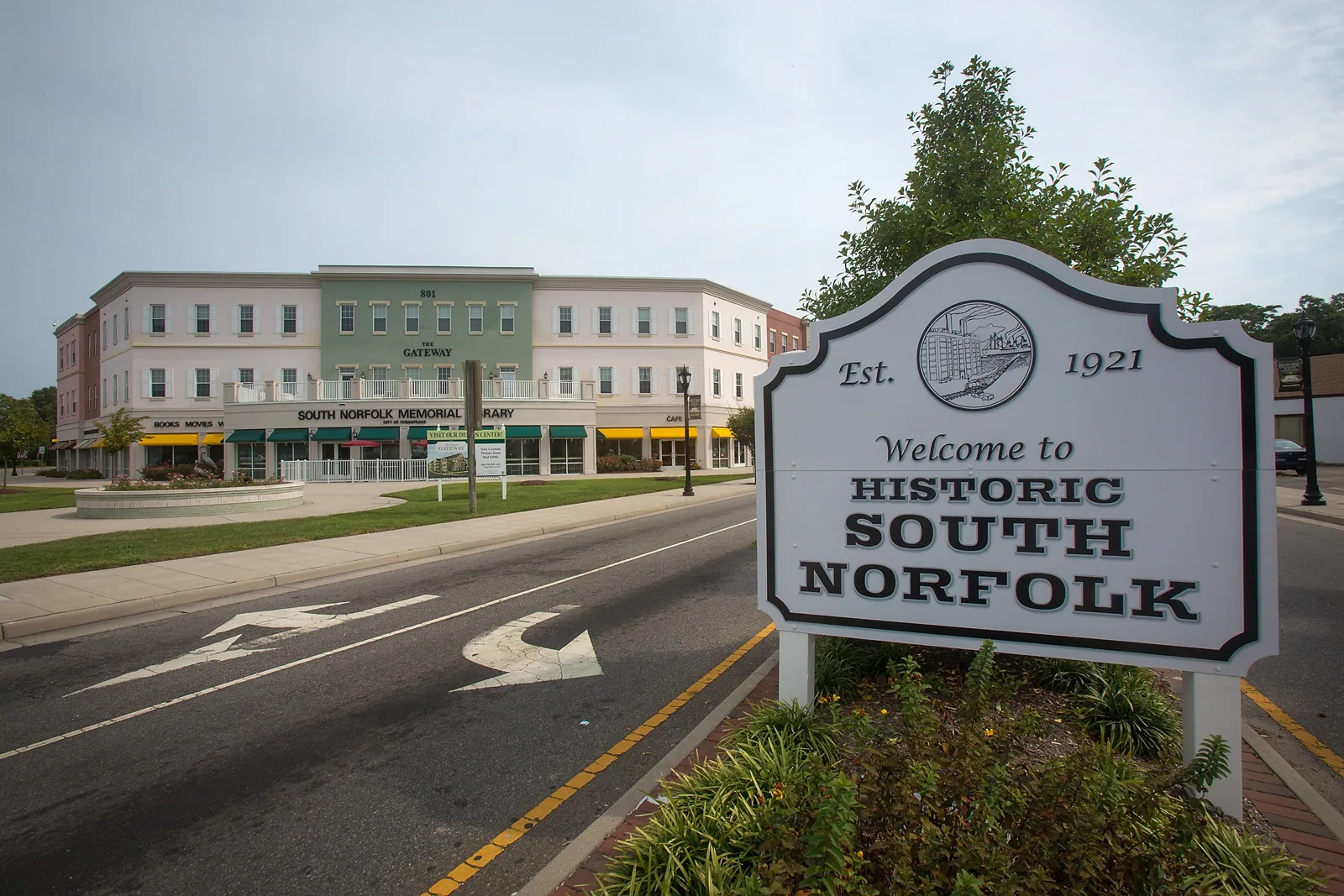
South Norfolk has a mix of older commercial buildings, churches and community facilities around Godwin Avenue and Liberty Street. Each one gets its own inspection, and the operator decides how we get roof access. We look at the roof before choosing fasteners or sealants and plan protection for the rooms below. Tell us the address and when the leak shows up inside. We'll find the open lap and explain the repair, including any work needed under the metal.
Leaking laps: fasteners and what they grip
A metal lap can leak while the panels around it look perfectly sound. We check the joint and the fasteners holding it. A loose screw may mean the wood or purlin it's driven into has rotted or stripped, and another screw in the same spot won't hold either.
The repair also has to seal properly to the metal that stays. We explain whether a panel needs replacing or a local repair will work. New metal won't fix rotted wood behind it.
Our standing seam metal roofing work covers seam, lap and trim repairs. Buildings in Deep Creek get the same inspection. We look for old sealants and patches that would need to be cleaned off for a good seal. If we can't see what's under the panel, we may need to open it before ordering parts. You'll see confirmed damage separately from things we still need to check. Measurements are taken once we know the base is solid, so new panels and trim fit when they arrive.
Rust: when coating works and when it doesn't
Surface rust and rust that has eaten through the metal need different fixes. We check how much good metal is left before choosing to clean and coat or replace. Metal lost to rust can't be restored with a coating.
A coating also needs to be compatible with the metal and have the right prep. Old caulk or roof cement may keep the coating or new trim from bonding. You'll know about those requirements before committing to a larger coating area. The coating only works over metal that's still sound underneath.
Our roof coating restoration option is assessed alongside panel replacement. Buildings in Bowers Hill have their own rust and roof conditions. A small test area can show how well a coating bonds to that roof. Failed seams and fasteners get fixed before coating the whole roof. We explain drying times and any limits on foot traffic after coating. The schedule includes the prep work and any other trades involved. Looking good on top doesn't mean the roof is ready to coat.
Wet insulation under the panels
Water coming through a lap can soak the insulation and wood nearby. The visible gap doesn't show how far the water went. We separate what we've confirmed from what we only suspect. Moisture scanning may help on some metal roofs, but the results have to be read alongside the roof build-up and equipment, and more checks may be needed where things are unclear. The new metal needs dry insulation or new wood behind it.
Our roof insulation and cover board replacement follows what we confirm. If we find more damage after opening up, we explain it before tearing out more. We note the locations and keep the area sealed while we pause, so you can see why the extra work is needed.
Sound material stays in place where the repair allows it. New panels don't fix wet or rotted material behind them, so the insulation and wood work are listed with the new metal. Rebuilding the base can also change how panels and trim fit. We check the rebuilt base before ordering new pieces, so you can see that connection alongside the panel repair. Both need to be ready before we open the roof above an occupied room.
Protecting the space below during repairs
Removing metal panels or trim opens the roof and can drop debris or let water into the space below. The operator tells us which rooms need protection and how we can bring parts out. Ceiling or electrical issues go to the appropriate trades. We set up a temporary seal for the exposed area and have a safe stopping point planned before we open more.
New panels and any other trades' work are lined up while the existing roof stays closed. The schedule accounts for parts, lead times and the room's limits.
Our occupied building reroofing crews plan metal work around how the building is used. On office building roofs, the site contact confirms access. We check the metal for moisture and temperature before sealing. The sealant or tape requirements decide whether we can continue. If we have to pause, we tell you what's needed before we can finish, and the temporary seal stays on while we wait for dry weather or another trade. Equipment access goes back to normal once the repair is complete.
After the repair: keeping metal roofs tight
When the repair is done, we note which laps, edges and trim were rebuilt and any insulation or wood we replaced. The record shows the sound metal left in place next to the new work. Service techs get guidance on how to avoid stressing the repaired laps. We also note any drainage or foot-traffic problems we saw. Equipment and interior work stay with the right contractors, and they can use our roof status to decide when the space below is safe and dry. Interior finishes are handled separately.
Our roof condition reports keep the repair areas clear. Wider repair or replacement depends on how widespread the damage is. If a new leak appears, we inspect it fresh. A unit draining onto the roof or a careless service visit may need a different fix. We explain what's going on now and what it takes to repair it.
We take leak calls on weekends, holidays and overnight. Response time depends on conditions and access at the address. A temporary seal can go on while we inspect further or wait for new panels. The record also separates new panels from the original metal that stayed, which helps when equipment changes later, and we check current damage before reusing an earlier repair method.
Older commercial buildings near the river often have additions and changing uses over the years. Our inspection notes where each roof section meets the next instead of treating the whole building as one roof. Where narrow streets limit deliveries, we confirm a safe setup spot and keep entrances clear. Once we find the problem, we show the owner which flashing, seam or drain is involved and what's still sound. That lets a business keep operating during staged repairs and keeps a small leak from turning into an undefined replacement job.
Commercial Roofing Questions
Will a new screw fix a leaking metal lap?
Not if the wood or purlin behind it is damaged. We check what the fastener grips and the seal at the lap before deciding on the repair.
Can a coating fix rusted-through metal?
No. Metal lost to rust has to be replaced. Coating only works over metal that's still sound.
How do you check insulation under a metal roof?
Moisture scans can help on some roofs, but we confirm by opening the area before deciding how much to replace.
What has to be ready before metal is removed?
New panels or trim, solid backing and a temporary seal, plus the operator's plan for protecting the rooms below.
How do we keep the repaired laps from being damaged later?
We mark the repaired areas and give service techs guidance. If a new leak appears, we inspect it against the completed repair.
Leaking metal roof in South Norfolk?
Send us the South Norfolk address, when the leak shows up and which rooms need protecting. We'll inspect the metal roof and send photos with a short explanation of the repair.