
A drip in the corner of an office ceiling may start 30 feet away at a curb, a seam or a clogged drain. On a low-slope roof, water gets in at one spot, runs along the deck or between insulation boards, and comes out wherever it finds a gap. Painting over the stain or patching the roof directly above it often misses the real leak.
Commercial roof leak repair in Chesapeake starts with finding the entry point. We compare when and where water shows up inside with what we find on the roof and anything you know about past repairs. For an office building roof, it helps to know which suite, which ceiling tile and what the weather was doing when the leak appeared.
Every building gets its own investigation, whether it's in Greenbrier or anywhere else in Chesapeake. The building operator tells us which roof areas we can access and which rooms are affected. We check curbs, seams, flashings and drains, then match what we see to the timing of the leak. A raised curb or wall can send water well past the opening before it drips. We tell you what we've confirmed and what still needs checking under the membrane.
The stain is where water exits, not where it enters
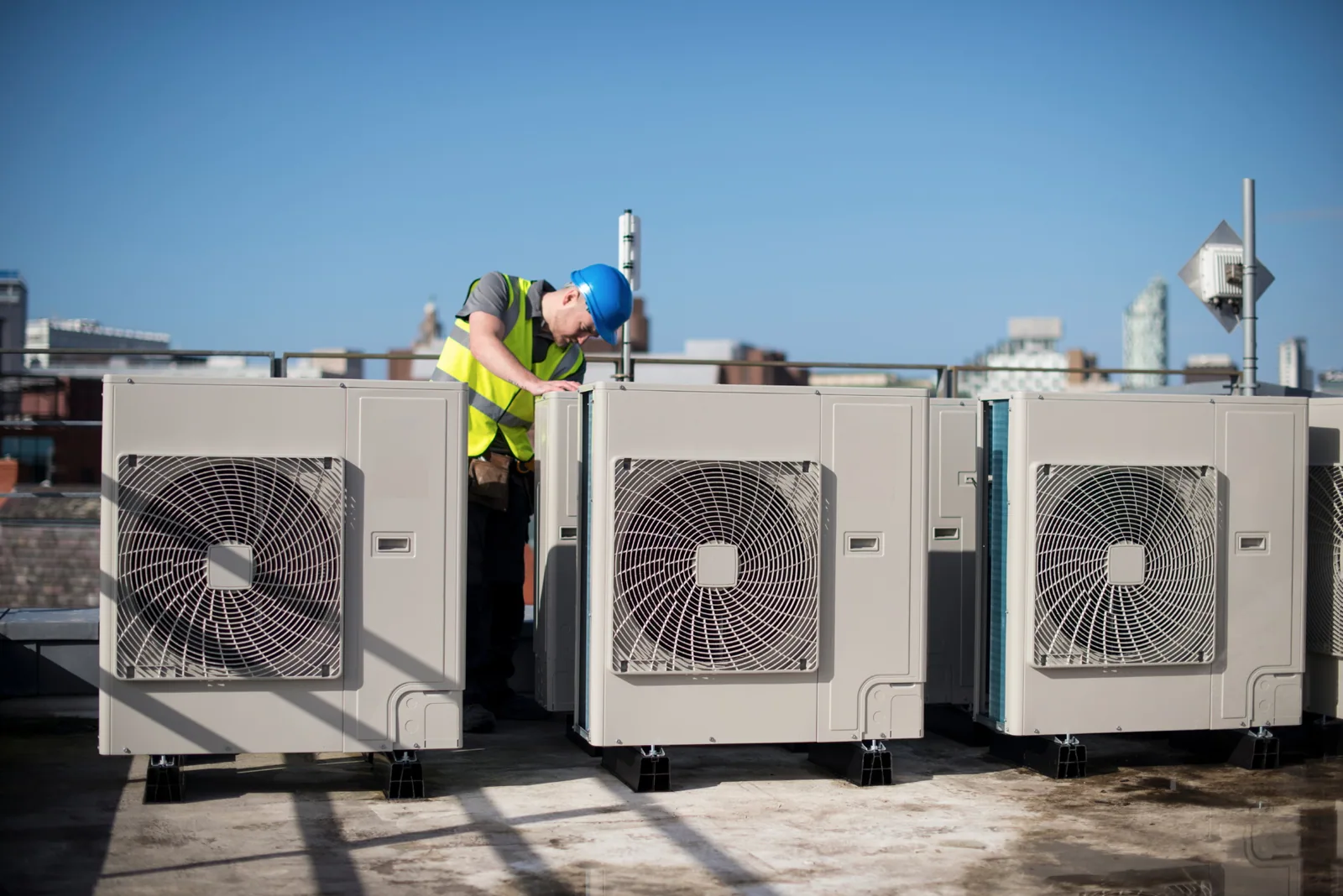
A stain shows where water reached the room. It doesn't prove where it came in. Water can follow a beam, a conduit or the top of a wall, and it can enter at a rooftop unit that sits well away from the stain.
We inspect the seams, flashings and drains near the leak and work outward from there. Old repairs are a clue, since leaks often return near earlier patches, but they don't prove the cause. In our findings, we separate what we confirmed from what still needs checking, so you know what the first visit can answer and what it can't.
A commercial roof inspection focused on the leak is often the right first step. We compare the membrane, flashings and drains with what's happening inside. One visit won't tell us how much hidden moisture is under the whole roof, and we won't pretend it does. If the cause is still uncertain after the inspection, we recommend a specific next step, such as a water test or a few test cuts, and you can approve it before anyone buys repair materials. Patching the spot over the stain without knowing the cause usually means paying twice.
Wet insulation is a separate question
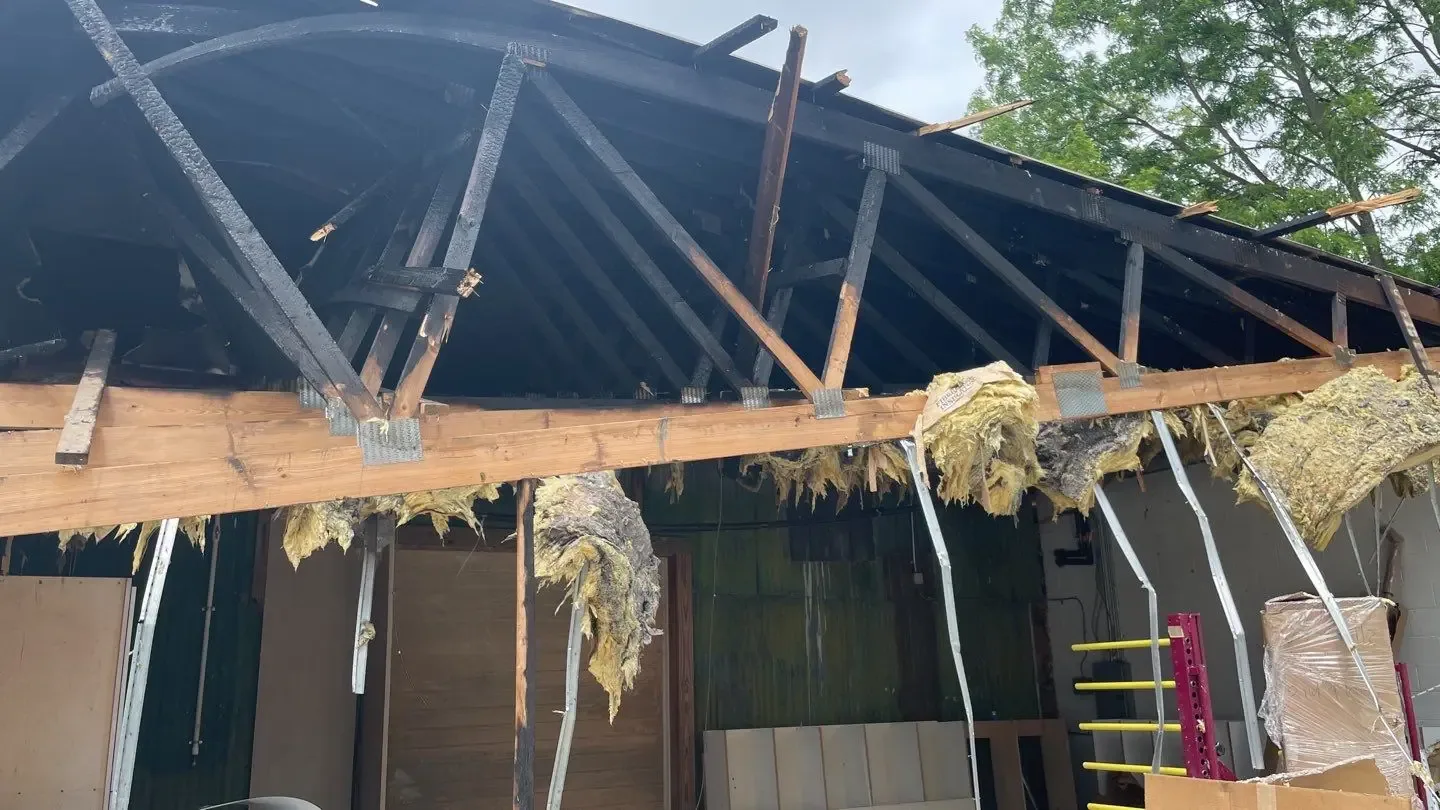
Finding where the water gets in and finding how much insulation got wet are two different jobs. A small hole can soak a large area of insulation over a few months of rain. On the other hand, a big interior stain doesn't always mean a big wet area on the roof.
We check for wet insulation with probes, core cuts and, on the right roofs, an infrared moisture survey. An infrared scan has to be done under the right conditions, usually on a clear evening after a sunny day, and even then it shows likely wet areas, not exact boundaries. We confirm with cores before deciding how much to remove.
Once the wet area is confirmed, the repair includes cutting out the wet board, disposing of it, installing new insulation and cover board, and tying the new membrane back into the existing roof. A new patch on top of wet insulation doesn't fix anything; the board keeps holding water and the patch fails. We price the insulation work right next to the leak repair so you can see the full cost. Protecting the ceiling and contents inside is a separate step, and we note what interior protection was put in place.
Rebuilding the detail that leaked
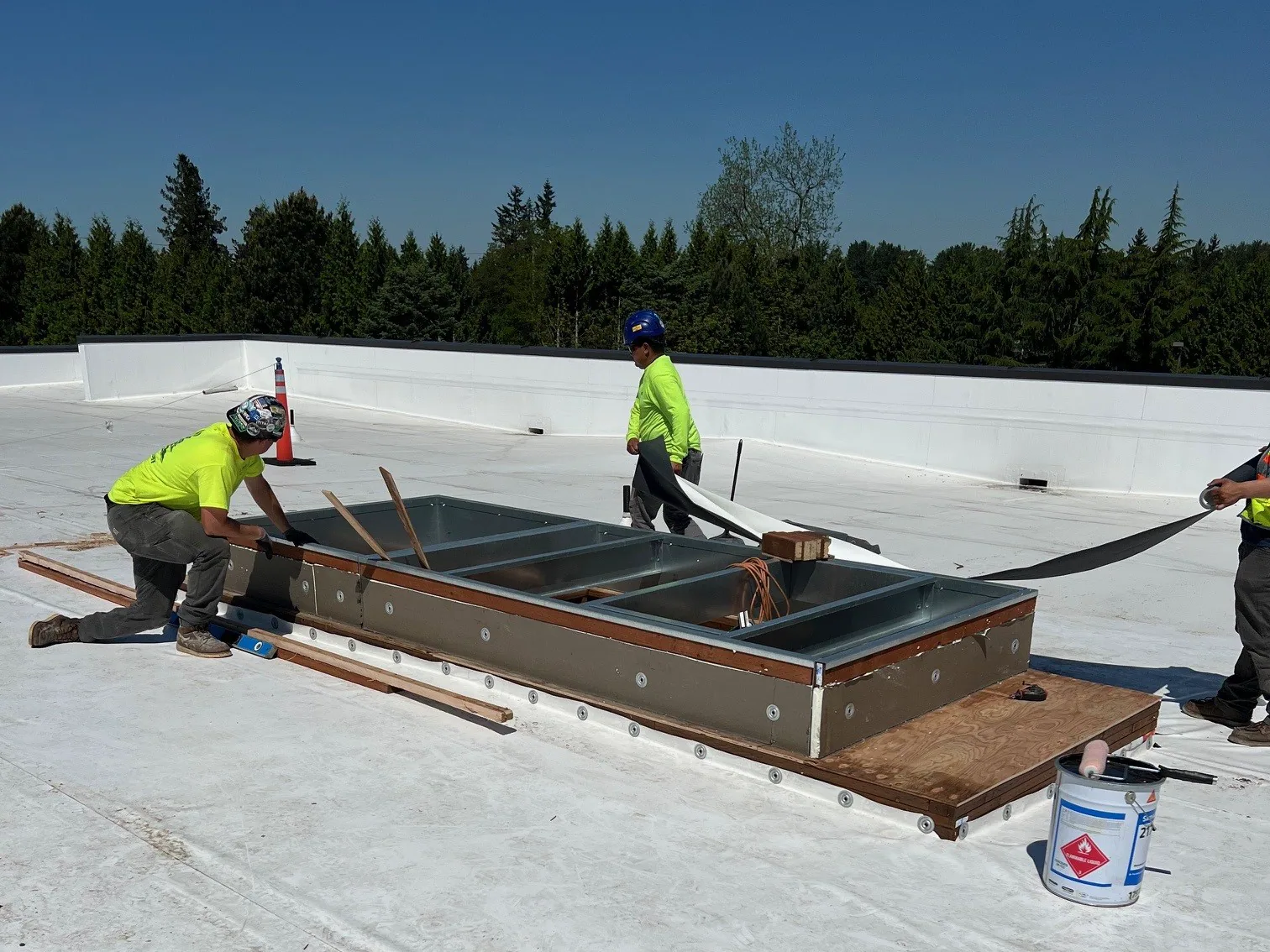
Once we know where the leak is, we rebuild that detail with materials that match the roof. Pipes, vents and curbs are common culprits, and each one needs flashing built for its shape and the existing membrane.
A PVC roof needs PVC flashing, heat-welded to clean, sound membrane. Membranes that look alike from the ground can need completely different repair products, so we identify the roof before ordering. The wood blocking and insulation under the detail have to be solid too. You get a finished flashing, not a dab of sealant around a pipe.
A TPO roof has its own weld and primer requirements. We spell out any wood or insulation repair along with the new flashing. If the flashing was loose or the attachment was damaged, the repair includes fixing that, not just sealing over it. If a detail needs a full rebuild, we say so and price it that way. Old patches on top of the membrane may not bond with new material, so we cut them back as needed. The roof has to be dry and warm enough before we install.
Keeping the building dry while we work
Sometimes opening a suspect detail reveals more wet insulation or rotted wood than expected. Before we start, we agree with you on how any extra work will be measured and approved. Either way, we seal the roof at the end of each day so nothing is left open overnight.
A temporary seal is not the permanent repair, and we keep the two clearly separate. Having a crew available doesn't mean every part is ready. If a rooftop unit has to be lifted, the HVAC contractor does that, and our schedule depends on theirs. We only open what we can finish within the building operator's limits.
Hospitals and medical offices need extra planning. We confirm the building, the on-site contact and any equipment that can't be shut down. Jobs in Greenbrier get their own check of access and materials. Once we find a failed curb or pipe flashing, we rebuild it with matching materials and keep track of any other possible leak sources. Fixing one detail doesn't mean every leak path is closed.
Great Bridge has busy commercial corridors, but each leak still gets its own investigation. The operator confirms the affected room and which parts of the roof we can access. We compare the timing of the leak with the seams, curbs and drains, and note any hidden path we can't confirm yet. Our report marks the most likely entry and why we think so. If a unit's condensate line might be the source, the HVAC contractor checks that before we expand the roofing work.
What you get when the leak is fixed
When the leak is fixed, our commercial roof repair report names the cause and what we installed to fix it. You get photos of what we found and the finished repair. One fixed detail doesn't mean the whole roof is leak-free, and we won't claim it does. Any other likely sources or unconfirmed wet areas are listed separately.
Interior repairs like ceiling tile and drywall follow once the roof is sealed. A new ceiling doesn't prove the roof is fixed, so we keep those records separate. The report explains exactly which leak path we closed.
Keep the leak history after the repair. We record the locations, any insulation we replaced and the materials we used. If water shows up again, note when and where it happened rather than assuming it's the same leak. If your roof has a manufacturer's warranty, check its notice and repair requirements before work starts, because some warranties require approved contractors or specific materials. The membrane brand alone doesn't tell you what's covered. Our records keep temporary patches separate from permanent repairs and list any equipment work that's still open. That way, if a new leak appears, you can compare it with what we already fixed.
Commercial Roofing Questions
Does the stain show where the roof is leaking?
Not reliably. It shows where the water came out. We use it as a starting point and trace back across the roof to the actual entry.
What does an infrared moisture scan prove?
It shows likely wet areas. We confirm with core cuts before deciding how much insulation to remove.
Can you fix the leak and leave the wet insulation?
You can, but the repair is less likely to last. Wet board keeps holding water and can cause the new patch to fail, so we price both together.
What if you find more damage once the roof is open?
We agree in advance how extra work will be measured and approved. The roof is sealed at the end of each day either way.
What should the repair report include?
The leak source, what we fixed, photos of both, and anything we couldn't confirm or that still needs attention.
Trace the leak back to where it starts
Tell us when the leak happens, where it shows up inside and what repairs have been done before. We'll trace the cause and send a short explanation with photos.