
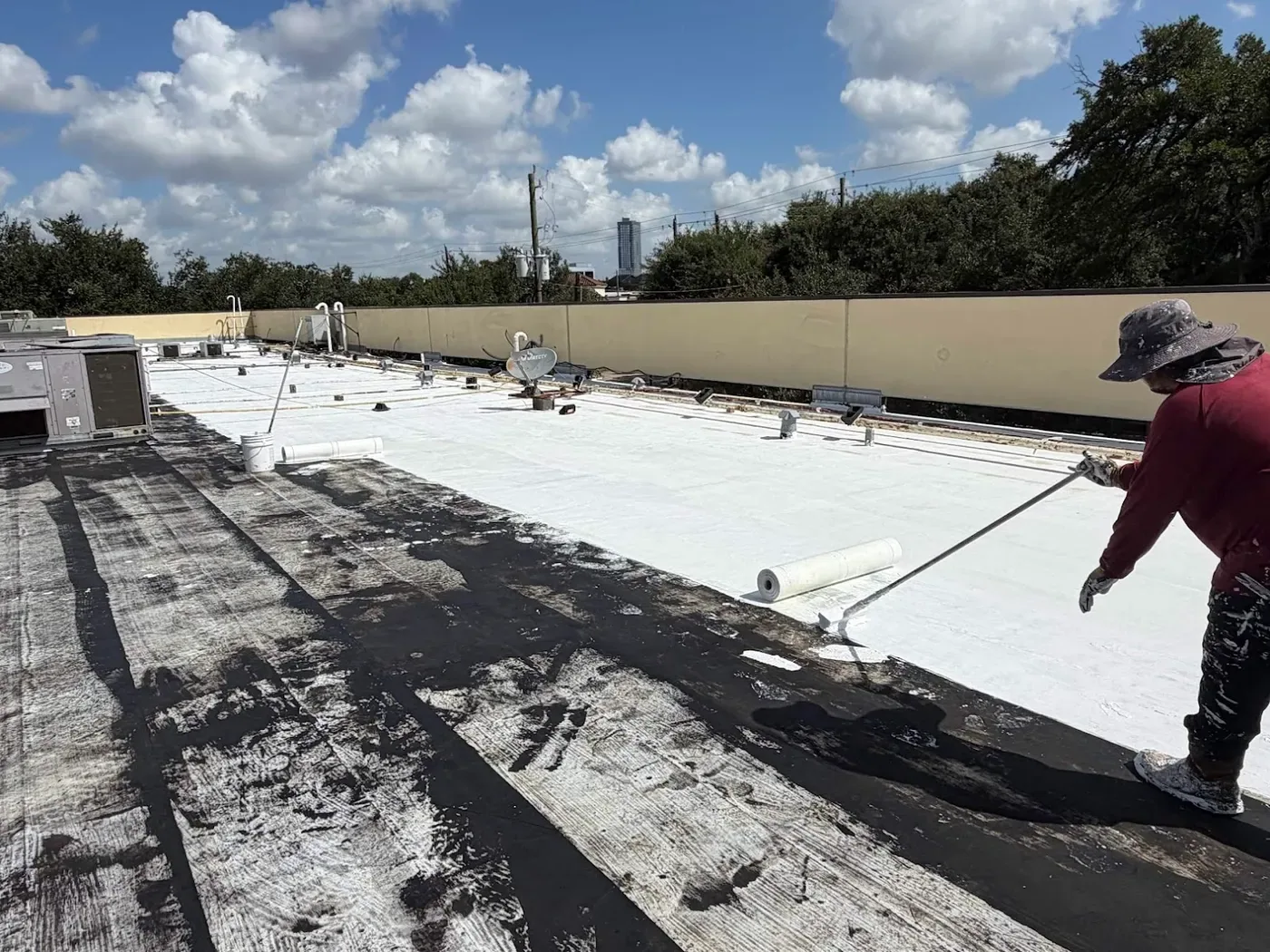
An old patch on a medical office roof can split over wet insulation. A coating sprayed or rolled over the top won't dry out that wet board. Roof coating restoration in Chesapeake starts with deciding whether the existing roof is a good surface to coat.
We check the coating system against the roof you have and the condition it's in. Prep and detail repairs are planned together with the coating. On a medical office roof, we also plan around rooftop equipment and occupied areas. The square footage alone doesn't tell you whether every layer can stay. The coating plan should fix the cause of the leak and any insulation repair it needs.
At healthcare properties, the operator sets equipment access and protected areas before we plan the coating work. We inspect the existing roof, then list the details that need repair before coating. Wet or damaged insulation may have to be replaced first. Our recommendation separates confirmed prep work from areas still being checked. Material routes and approved work areas shape the schedule, and the coating manufacturer's requirements govern the application.
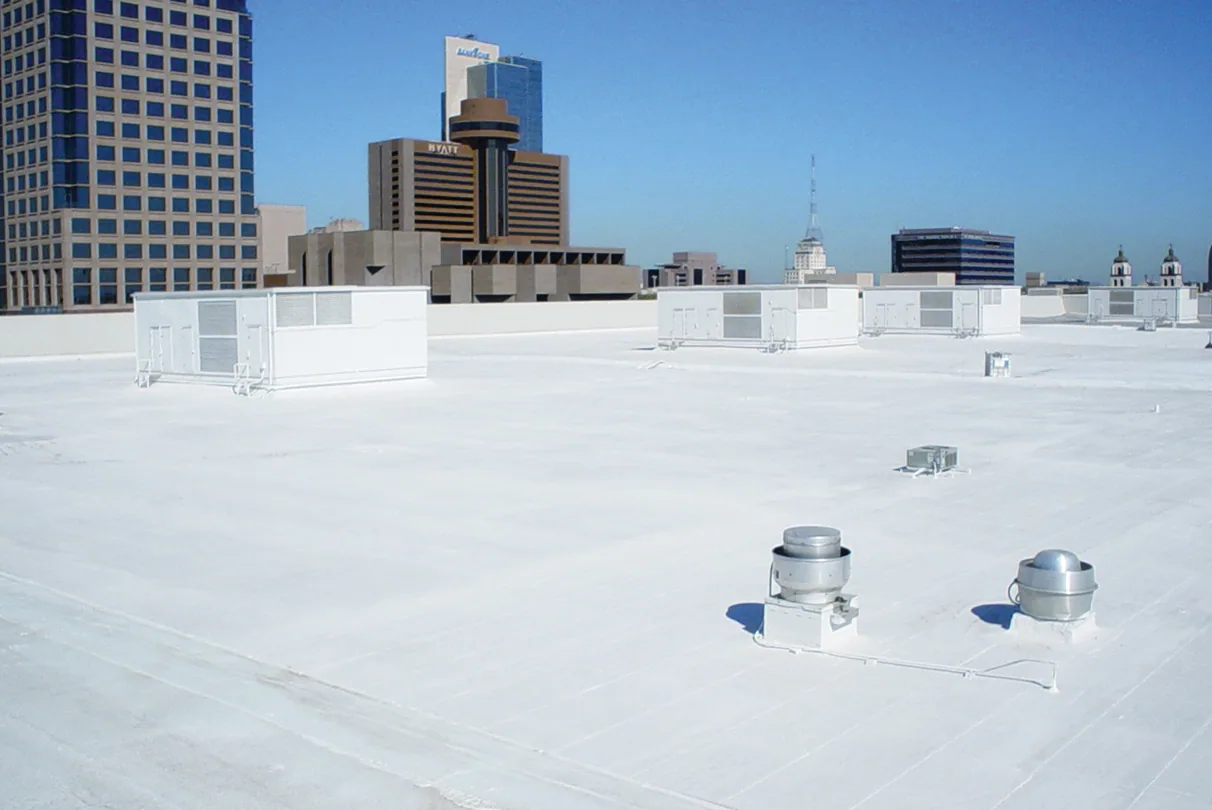
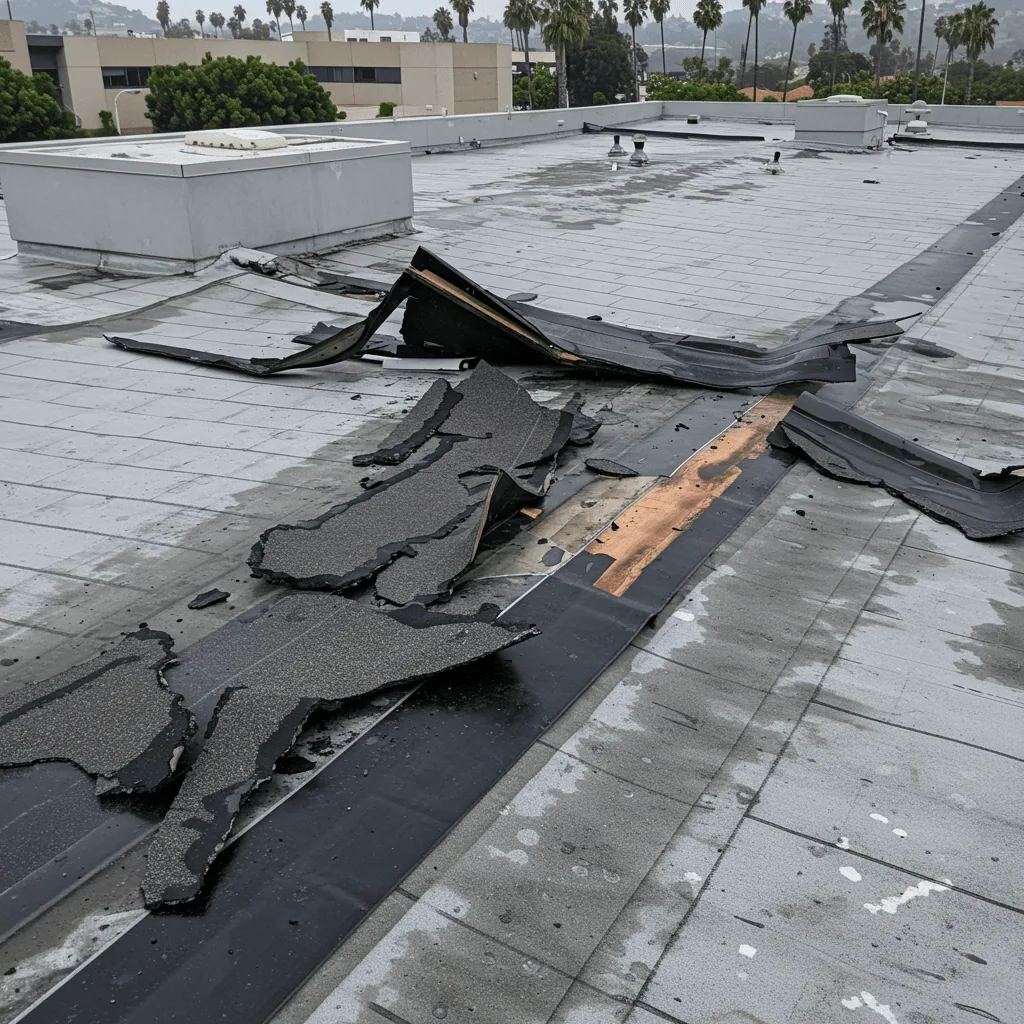
Is the roof a good candidate for coating?
A worn roof surface may sit over insulation that needs checking. We identify the existing membrane and the coating option before pricing. Some coatings don't bond to certain roof types without a primer, or at all, so compatibility and prep are checked against the actual product. Compare the whole coating system with a straight repair.
Not every coating works on every roof. Older patches may need their own repair before coating. That work gets done before the main coating is scheduled. A good coating job needs a sound surface and finished details.
A commercial roof inspection before coating should say what we're looking for and which areas we can reach. We compare what we see with any records and list what else needs checking. A smooth surface doesn't tell you whether the insulation underneath is wet. Suspected wet areas are kept separate from confirmed repairs. You can get core cuts or a moisture scan before deciding what stays. That way the coating choice doesn't decide what happens to the insulation, and the inspection makes the insulation question visible in the scope.
Wet insulation has to come out first
Water from a split patch can stay in the insulation underneath for a long time. A new coating won't pull that moisture out. We separate possible wet areas from confirmed ones before deciding how much to replace. An infrared moisture survey can point us to likely wet areas when conditions are right, but the scan alone doesn't set the tear-out quantity.
You need confirmed repairs priced next to the coating area. The coating goes on over a sound, prepped surface. That fixes the damage under the patch instead of hiding it.
Confirmed insulation repair includes removal, disposal, new board and tie-ins to the existing roof. We define that repair before the coating quantity is final. If more damage turns up once we open the roof, we agree on how it will be measured and approved, and the opened areas stay sealed. You can compare any extra work with what we found. Prep follows the coating system's requirements and the detail repairs. A coating-only price can leave needed repairs out. Fixing the insulation is part of the coating job, and the scope keeps that work visible through prep and application.
Silicone, acrylic and other coating systems
A silicone roof coating needs the specific product and the existing roof surface identified. We list the prep and detail repairs required by the manufacturer. "Silicone" covers many products, and each has its own cleaning and primer requirements. Review any approval questions before ordering. A failed seam or flashing may need to be rebuilt before coating starts, and that work stays in the scope. The square footage shouldn't be the only thing you compare between options.
An acrylic roof coating is another option with its own prep and weather requirements. Acrylics generally need drier, warmer conditions to cure than silicones. We compare full systems instead of assuming they need the same prep. Each product needs its materials and detail work reviewed. You can weigh the difference in prep and repairs alongside the price.
Two coatings covering the same area may not need the same materials or labor. Needed repairs are part of every option. Each option should end with the same finished roof and details, and a coating price shouldn't quietly leave out the prep work underneath. Our prep records list cleaning, repairs and primer requirements. We check compatibility before including a coating in the bid. Drain bowls and edges get their own closeout photos.
Coating around equipment and occupied space
Before coating near rooftop equipment, we review the operator's requirements. We note which equipment the HVAC contractor needs to shut down or move. Work over occupied buildings should include protection for the space below and a plan for sealing open areas each day. Separate work windows can mean more material moves and repeated prep, and those costs belong in the price. You can schedule the work around the areas that are ready. A single coating date won't open every unit or occupied room, and detail repairs still need proper prep.
Every commercial building in Greenbrier has its own equipment, access and work-area requirements. For roof coating in Greenbrier, we inspect the existing roof before setting the coating area. If one area is blocked, we keep it on the list while prep continues elsewhere. The scope says who approves each area and which details still need coordination. Coating goes on when the surface is ready, materials are on site and prep meets the system's requirements.
Greenbrier is a commercial district within Chesapeake, but the shops and offices nearby don't tell you what's on a given roof or whether it's been coated before. Before recommending a coating, we compare existing records with the surface that's actually there. We note peeling, open seams, possible trapped moisture and transitions that need separate repair, so you can see which areas are ready for prep and which need more evaluation. The coating quantity should match that mapped area, not the square footage of the whole property. The same goes for Great Bridge: nearby buildings tell you nothing about this roof's surface or coating history.
What the coating closeout should show
The closeout record should tie the original problem to the work done. We keep insulation repairs, surface prep and coating application listed separately. Photos show the problem spot and the finished details. Inspections follow the coating system and project requirements. Concerns outside the coating area stay on the list. Coating the field doesn't close out a curb still waiting on the HVAC contractor, and you get a finished result with open items clearly noted.
Maintenance instructions follow the coating system you chose and its documents. Warranty questions need the actual terms and any rules about later changes to the roof. A coating name doesn't tell you how long the roof will last or what's covered. We go over the relevant paperwork before pricing.
That keeps the closeout tied to the products installed and the repairs made. If a new leak shows up, it's checked by when and where it happens. A roof log keeps the finished coating separate from anything that still needs investigating, and our summary describes the problem we fixed without implying the whole roof is new.
Commercial Roofing Questions
What needs to happen before a coating is ordered?
We identify the existing roof, choose the coating system and confirm the insulation underneath. Compatibility and prep questions are settled before ordering.
Can a coating fix wet insulation?
No. Wet insulation has to be confirmed, removed and replaced, and that repair is priced along with the coating.
How do we compare two coating options?
Compare the full systems: prep, primers, detail repairs and application requirements, not just the price per square foot.
What does coating over an occupied building involve?
Approval from the operator, scheduling with the HVAC contractor, protection for the space below and repeated prep if the work is phased.
What should the closeout show?
Insulation repairs, prep and the finished coating with photos and inspections, plus any open items and warranty paperwork.
Is your roof a good candidate for coating?
Send us any records on your existing roof and the spots that keep giving you trouble. We'll check whether coating makes sense and explain the plan with photos.