
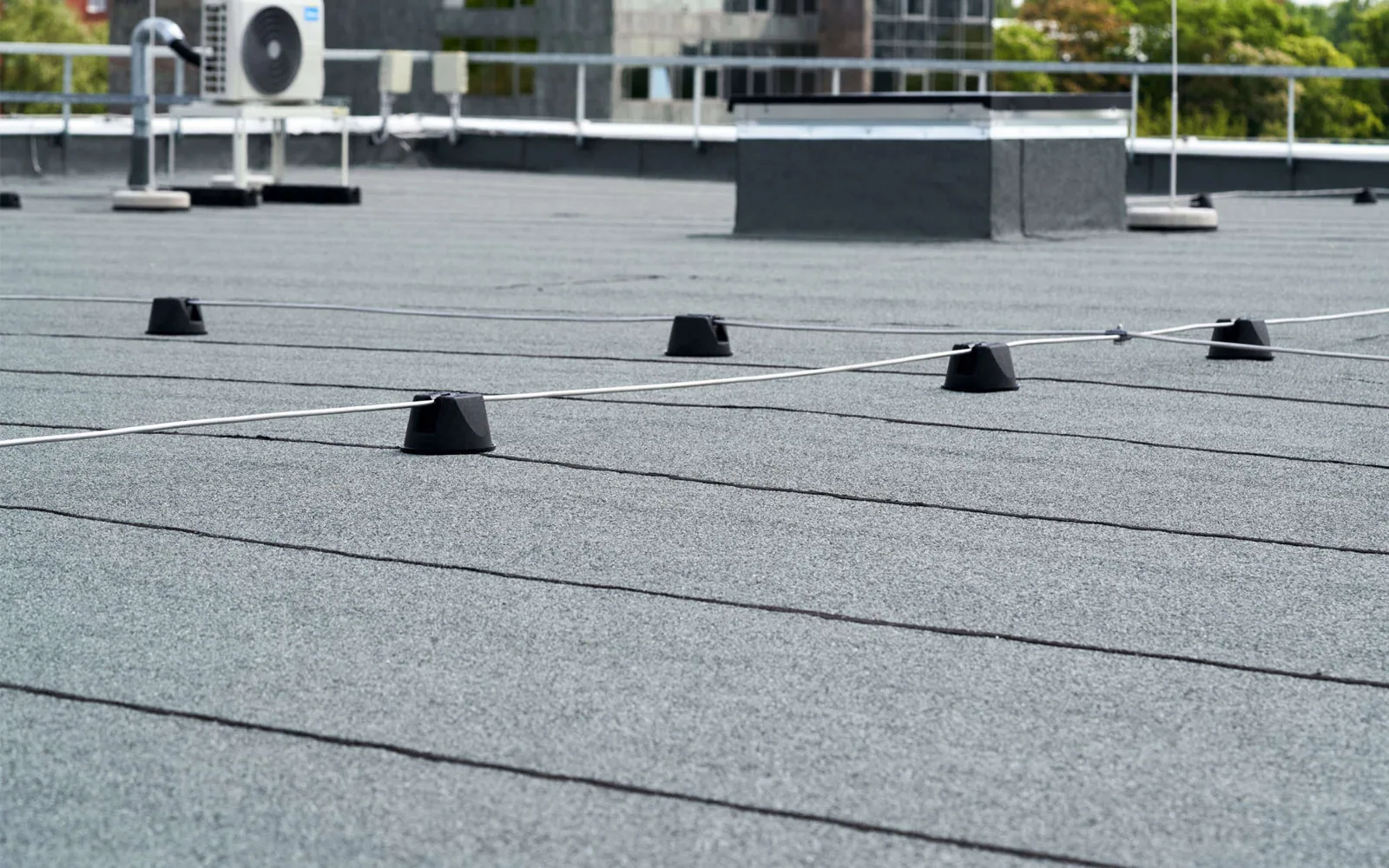
Modified bitumen is a common roof on public offices, schools and commercial buildings in Chesapeake, VA. It's usually two or more layers of asphalt-based sheets, and leaks tend to start where a lap opens between sheets or where flashing pulls away from a wall. Throwing another patch on top often leaves the wet insulation and the original failed seam underneath. On a government building, we find the leak, check the layers and insulation around it, and plan the work around office hours and how materials can get on and off the roof.
Healthcare buildings need even more planning. Before we start, we review which rooms and equipment sit under the work, how the roof is built and which installation method suits the building. A torch-applied system, for example, may not be the right fit near certain air intakes or occupied areas, while a cold-adhesive or self-adhered system might be. If a seam is loose, we check the insulation under it before quoting. Every day's work is sealed before the crew leaves, and the schedule is set around when the building and the weather allow it.
SBS, APP and how they're installed
Modified bitumen comes in two main families. SBS (styrene-butadiene-styrene) sheets are rubbery and flexible and can be installed with hot asphalt, cold adhesive, a torch or as self-adhered sheets, depending on the product. APP (atactic polypropylene) sheets are stiffer and usually torch-applied. Your estimate should name the specific products, how many layers, the installation method and the flashing materials, because a "mod bit roof" can mean many different things.
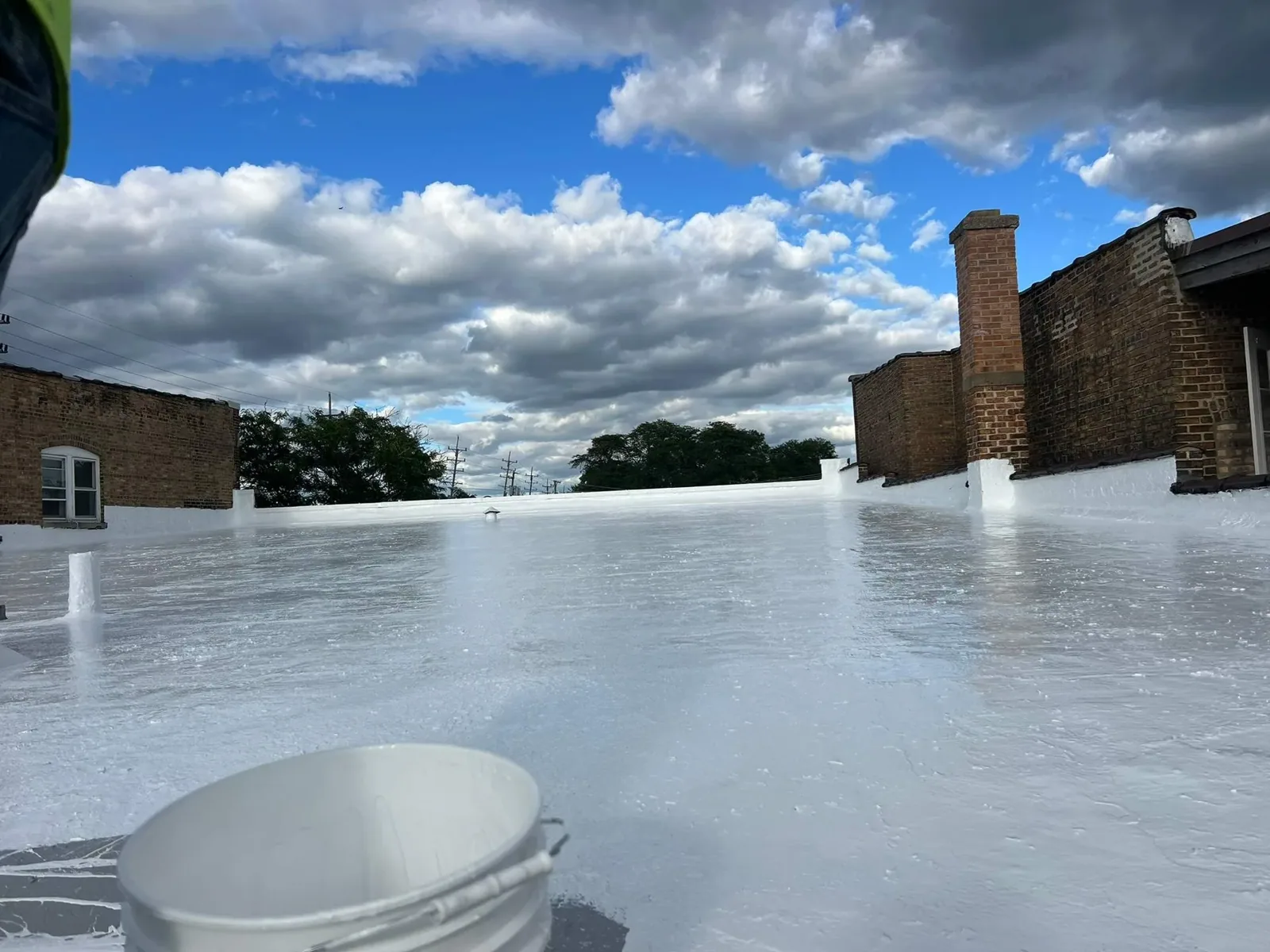
Cold-applied adhesive is a popular choice for SBS on occupied buildings because it avoids open flames and kettles. It still has to be used with the right sheets, on the right surface, in the right weather. Each method has its own setup, labor and safety needs, so two quotes for the same square footage can be very different. We explain the method we recommend and why, and we price the full system, including base sheet, cap sheet, flashing and edge details, so you can compare it fairly with other quotes.
Looking under the top sheet
The top sheet can look fine while the layers underneath have separated or the insulation is wet. We review the roof's history and check the layers at a few key spots, such as along walls, around drains and at old patches. Old patches usually mark trouble spots, but they can hide how big the original problem was. If we suspect wet insulation, we may recommend core cuts or an infrared scan before you commit to repair or replacement.
A roof inspection on a modified bitumen roof covers lap seams, blisters, cracked or bare cap sheet, flashing at walls and curbs, drains and the edge. Our report says which areas we confirmed and which still need testing. That matters because it determines how much material can stay and how much has to go. The products we recommend follow from what we find, not the other way around. We tie every flashing detail to the condition of the roof it's attached to.
Wet insulation and flashing heights
Water through a failed lap spreads through the insulation, often well beyond the visible opening. We test to find where the wet area ends, then cut out the soaked material and replace it, tying the new layers into dry, solid insulation. A new cap sheet over wet board traps moisture, which leads to blisters, rot and a shorter roof life. If we find more damage once the roof is open, we stop and show you, agree on the cost, and keep the roof sealed while you decide.
A full roof replacement estimate should spell out which layers come off and what goes back on. New insulation can raise the roof enough to shorten flashing heights at walls, curbs and drains, so we measure those before ordering. If a mechanical contractor needs to lift a unit so we can flash its curb, we coordinate that in the schedule. We don't call a curb finished while it's waiting on another trade, even if the rest of the roof is done. Meanwhile, ready areas can keep moving.
Modified bitumen vs. BUR and TPO
Built-up roofing is the older cousin of modified bitumen. It's built on site from hot asphalt and felt plies, usually with gravel on top. Both are asphalt-based, but they install differently and need different details. We compare them on the same roof area with the same insulation and flashing work so you're looking at a true difference in cost. Each option needs the manufacturer's requirements reviewed before ordering, and any wet insulation found during the inspection is included in both prices.
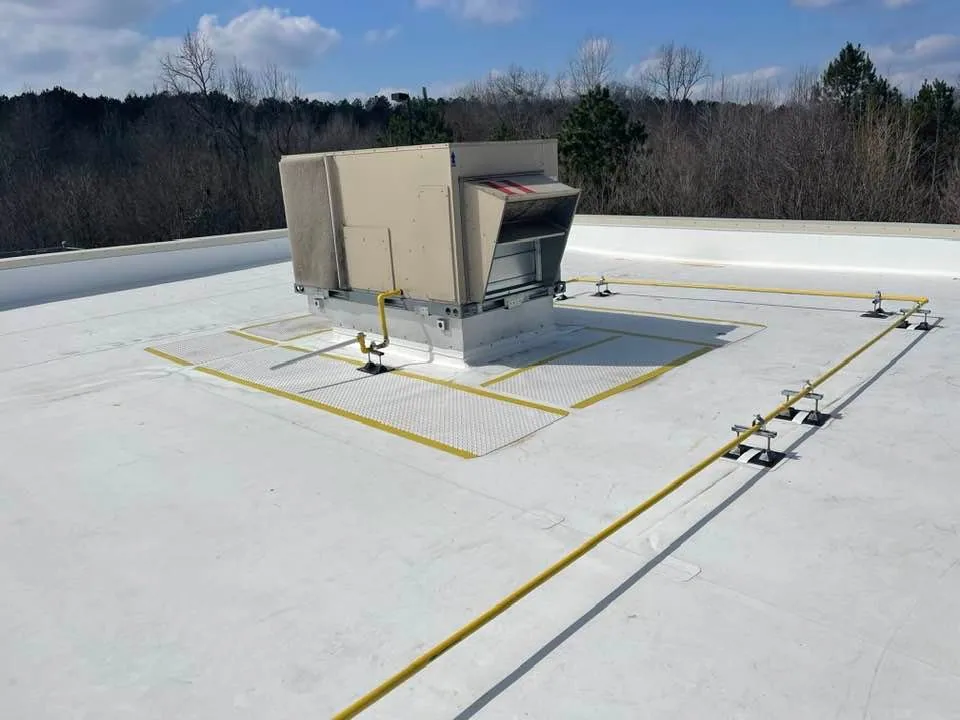
TPO roofing is a single-ply white membrane with heat-welded seams. It's lighter and more reflective, but it needs different insulation, attachment and flashing details. We price TPO on the same scope as modified bitumen, including edge metal, curbs and building protection, so a cheaper membrane doesn't hide missing work. The best choice depends on your building, budget, foot traffic on the roof and how long you plan to own the property. Either system needs a clean, dry surface and good weather for the seams to bond properly.
Mod bit projects around Greenbrier and Great Bridge
Greenbrier and Great Bridge have many modified bitumen roofs, but that doesn't tell us what's on yours. For modified bitumen roofing in Greenbrier, we inspect your actual roof, confirm the layers and check the insulation. The building manager tells us which areas we can work on and when. If one curb is blocked by equipment, we complete the rest and come back for it. Flashing materials and edge metal are on site before we start, not ordered halfway through.
For reroofing occupied buildings, we record each day's work and make sure every section is sealed overnight. At the end, you get photos, the products and installation method used, and any test results. Anything left for other trades is listed separately. Warranty terms depend on the specific products and system, and future changes like new penetrations may need approval, so we review that paperwork with you. Keeping these records makes the next inspection or repair much faster.
Before specifying any work, we check the existing layers, the surface condition and the flashing materials on your roof. Old coatings or patches can change what will bond, so we note those. We photograph the key details and separate what we've confirmed from areas we haven't opened yet, so you know exactly what the price is based on.
Commercial Roofing Questions
What should a modified bitumen estimate list?
The specific sheets, number of layers, installation method, insulation work and flashing materials. Without those details, two quotes for the same roof aren't really comparable.
Are all SBS roofs installed the same way?
No. SBS sheets can be installed with hot asphalt, cold adhesive, a torch or as self-adhered sheets, depending on the product and the surface underneath. We recommend the method that fits your building.
Can you tell what's under the top sheet just by looking?
Not reliably. We check key spots and may use core cuts or an infrared scan to confirm whether the layers and insulation below are sound before deciding how much to remove.
How do I compare modified bitumen and TPO quotes?
Make sure both include the same roof area, insulation work, edge metal and curb flashing. Then compare the systems: mod bit is multi-layer and tough underfoot, while TPO is lighter and reflective.
What records should I get after the job?
Photos, the products and installation method used, any test results, warranty documents and a list of anything still waiting on other trades.
Trace the entry between the layered roof connections
Send us your roof records and tell us where water is getting in. We'll inspect the modified bitumen roof and explain your repair and replacement options with photos.