
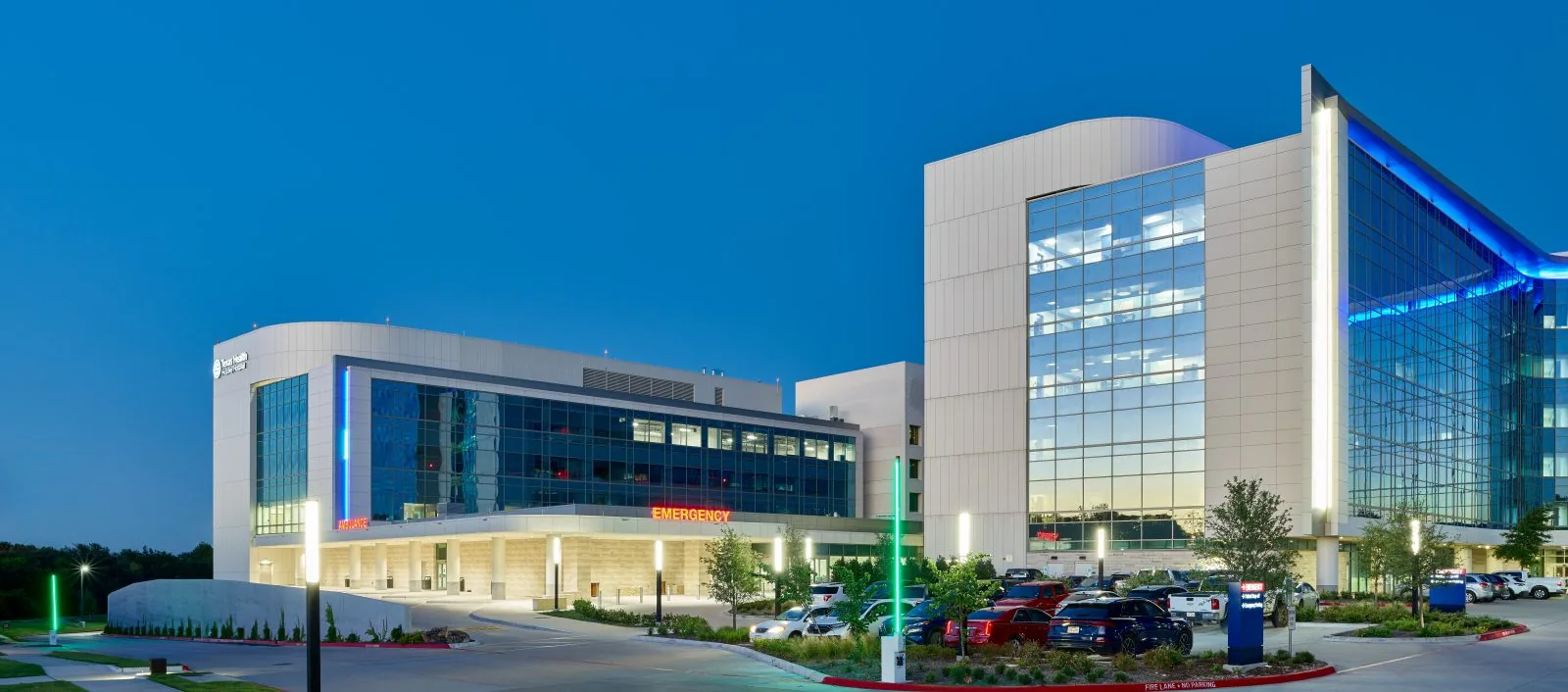
A failed curb flashing on a hospital roof in Chesapeake can let water into patient rooms, labs or corridors. Fixing it means repairing the roof and protecting the care areas below at the same time. We work with healthcare systems on roof repairs and replacements, inspecting the damaged area and the roof around it. We explain the permanent repair and any equipment that needs to be moved before we open the roof. Clinical and facility staff decide what protection is needed inside, and we plan around those decisions rather than assuming a convenient date opens up every area.
Healthcare roof work needs coordination with the people responsible for patient care, equipment and the rooms below. We inspect the building and document the roof condition, access and what will be exposed during the repair. Each facility sets its own rules. Send us the location of the leak and any roof records, so we can connect what we find on the roof with a practical plan for the space below.
Flashing Around Equipment
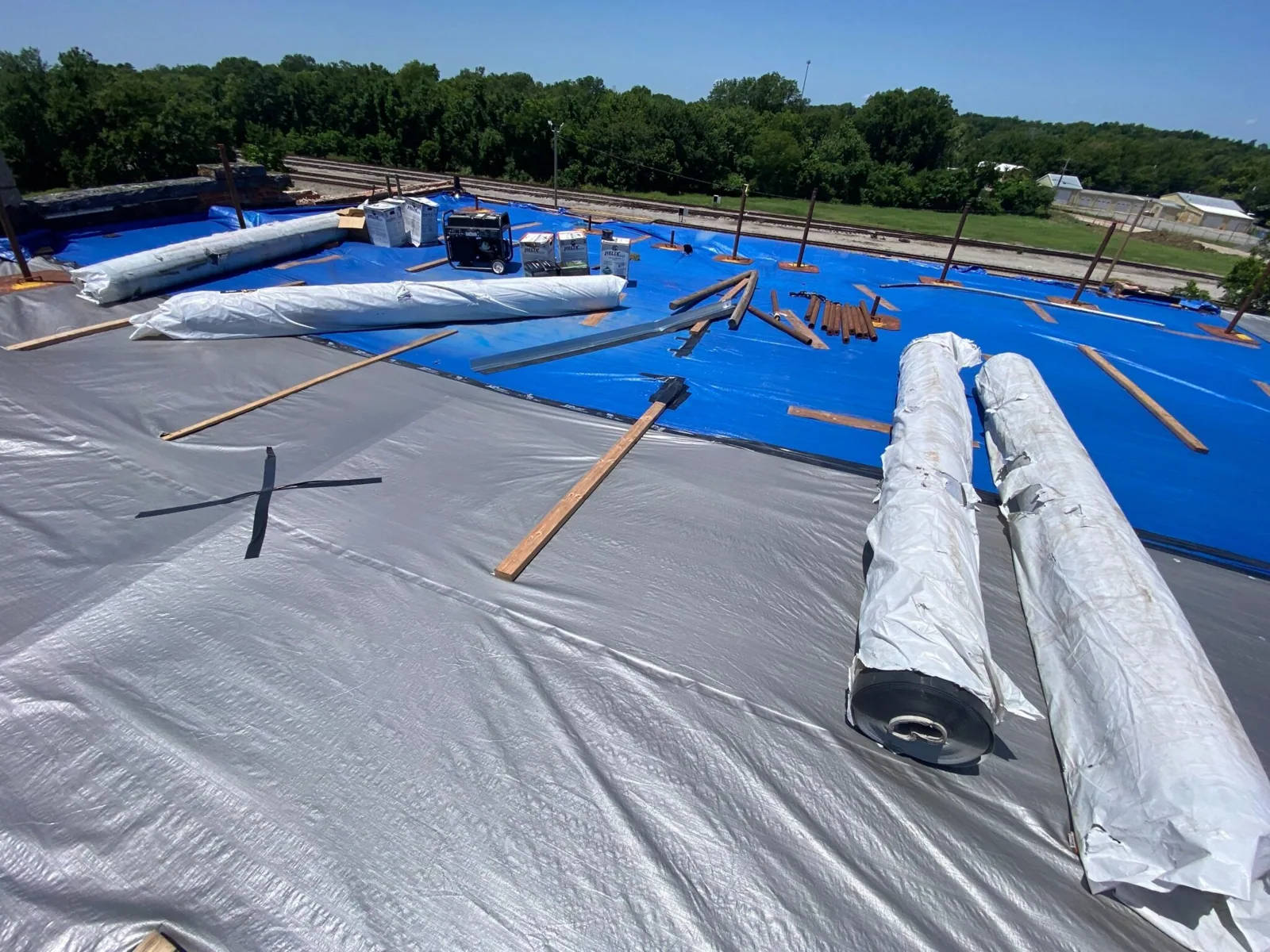
A rooftop unit can block access to the flashing that needs repair. We locate the damaged flashing and identify the materials that need replacing. The mechanical contractor decides whether the unit needs to be shut down, disconnected or lifted. Membrane that looks fine beside the unit does not mean the whole curb is sound. Areas we cannot reach are listed for a follow-up. Facility staff see these steps before the work is scheduled, so the new flashing ties into sound material rather than being covered by another layer of sealant.
Our rooftop equipment curb and support work inspects the membrane and flashing around each unit. We check the wood behind the flashing. If supports need changing, an engineer reviews them. Each curb repair follows what we find, since not every curb can be fixed the same way. We explain the repair and the next step, and facility staff can coordinate equipment shutdowns while we finish the inspection of any areas we could not reach.
Protecting Patient Areas
Opening a roof can affect rooms and hallways below. We explain the planned tear-off, material handling and temporary dry-in. Clinical and infection-control staff decide what protection is needed, and those decisions are specific to each room and activity. Approval for one area does not cover a larger one. If the work area grows, it is reviewed again. That way the protection plan is in place before materials are moved, not added after the roof is already open.
Our occupied building reroofing plans the work around the hospital's operations. We identify crane locations and material routes that may affect the building. The mechanical team handles equipment shutdowns. Access for workers does not necessarily mean a delivery route is open. When access limits slow the work or require smaller work areas, we explain it, so the facility can compare options based on how the hospital actually operates.
Checking for Wet Insulation
Water that gets in at a curb can soak insulation well beyond the visible opening. When that would change the repair, we take core samples. Each sample is approved in advance, sealed the same day and coordinated with care staff on interior protection. We report confirmed findings separately from areas we have not checked. A dry surface does not prove the insulation is dry. Confirmed wet areas are replaced, and anything still unknown is checked before materials are ordered.
An infrared moisture survey can show likely wet areas when conditions are right. Scan results still need to be confirmed with cores, and the purpose of the scan is noted with its results. Structural questions go to an engineer. Repair quantities are based on confirmed findings, and areas we could not reach are scheduled for another check instead of relying on a scan image alone.
Emergency Repairs
A newly opened seam may need a quick fix before permanent decisions are made. We inspect what we can safely reach in the approved area. We take emergency calls overnight, on weekends and on holidays, and the work we can do depends on access and weather. We explain what the temporary repair covers and what permanent repair is still needed. Clinical and equipment teams still review their part. A temporary patch does not prove that every layer or operating concern has been resolved.
Our emergency roof repair starts with the damaged area and the facility's contact. We explain what will be exposed so staff can protect the rooms below. A larger permanent repair needs its own plan. Temporary materials may have to be removed before the permanent repair goes on, and we note that in the plan. Every step is recorded, so the follow-up inspection, equipment work and permanent repair all get done.
Each Facility on Its Own Terms
Greenbrier North Commerce Park is part of the Greenbrier Business District, and any healthcare building nearby still needs its own roof review. Healthcare roofing in Greenbrier has its own facility contact, roof findings and room protection plan. Visits to related buildings can be scheduled together, but each roof and each set of approvals stays separate. Repairs are based on the building we actually inspected.
When a healthcare building is managed by a third party, property management companies keep the address and repair history on file. On renovation or expansion projects, general contractors handle the work that has to come before roofing. Healthcare staff review each step. When the work is done, we photograph the completed details and record materials used. Equipment and interior items are handled by their own trades, and deferred roof items are listed so future changes are checked against current conditions.
Great Bridge and Greenbrier are separate parts of Chesapeake, and each healthcare roof comes with its own staff and clinical requirements. Facility teams tell us about equipment, sensitive rooms and the areas we are cleared to inspect. We match what we find on the roof to the rooms below and note anything we could not reach. Each recommendation names the repair, the protection needed and any follow-up checks, so a capital decision can be made without assuming two buildings have the same roof.
Commercial Roofing Questions
How do you protect patient areas during roof work?
We explain the work and what will be exposed. Clinical and infection-control staff decide what protection is needed, and we follow their plan, sizing work areas so they can be closed up the same day.
Who handles rooftop equipment near the repair?
The facility's mechanical team or HVAC contractor shuts down, disconnects or lifts equipment. We handle the curb flashing and coordinate timing.
Do you check for wet insulation?
Yes, when it affects the repair. Core samples are approved in advance and sealed the same day, and infrared scans may help find likely wet areas first.
Can you make emergency repairs at a hospital?
Yes, in areas we are cleared to access, including overnight and on weekends. Temporary repairs are recorded and followed by a permanent plan.
Do multiple facilities get one plan?
They can share a schedule, but each building gets its own inspection, findings and approvals.
Plan roof work around patient care
Tell us where the leak is and who coordinates facility work. We will inspect the roof and explain the repair and protection plan with photos.