
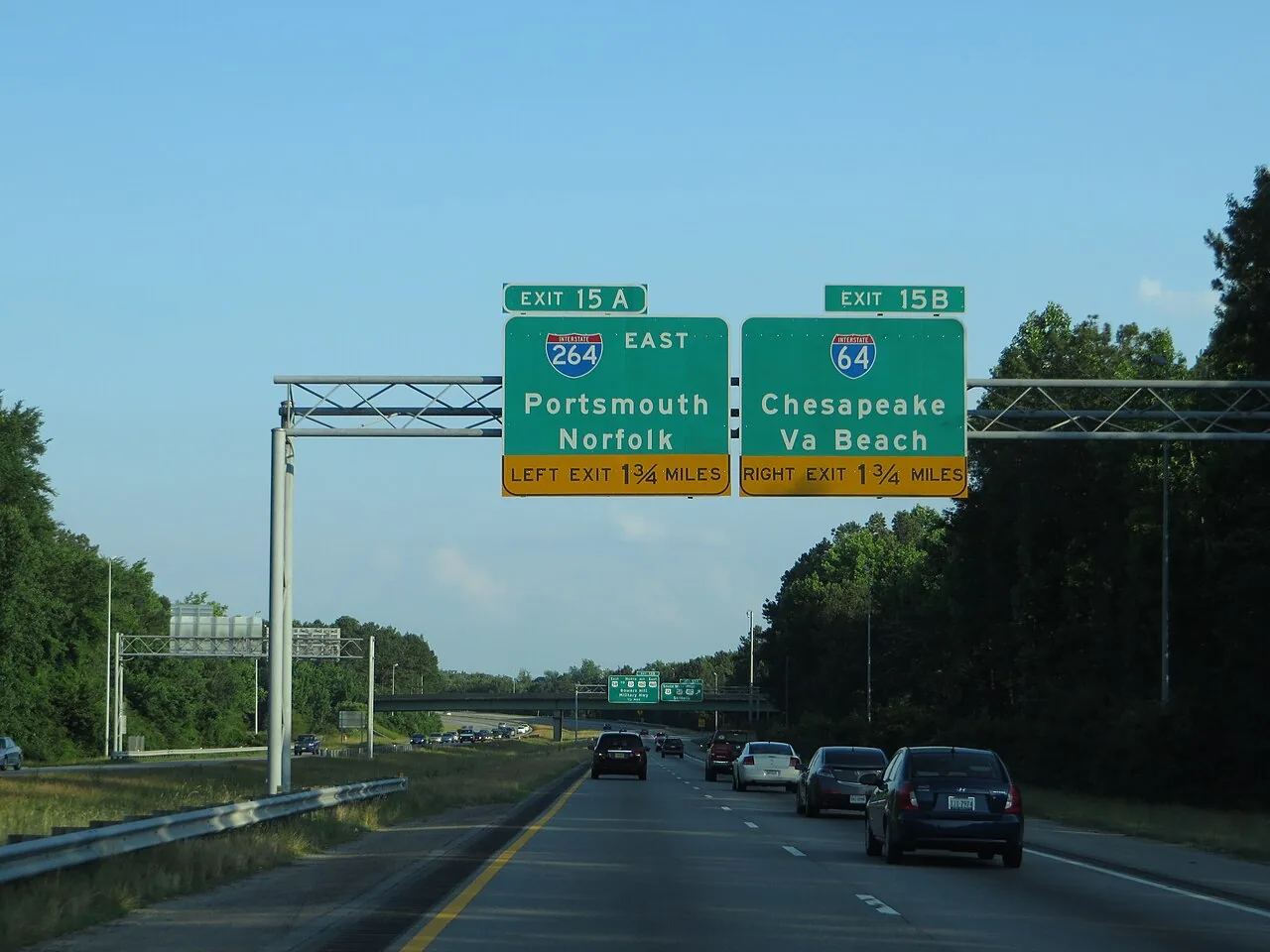
Bowers Hill sits at the northeastern edge of the Great Dismal Swamp, where interstates and U.S. highways meet at one of Hampton Roads' busiest interchanges. That makes it a natural spot for warehouses, truck terminals and service buildings, many of them with large low-slope roofs that have been patched for years. When the same leaks keep coming back, we inspect the roof, trace each leak to where the water is actually getting in, and check the insulation underneath before recommending repair or replacement.
Whether your building is along South Military Highway or closer to Portsmouth Boulevard and Western Branch, we start with the same basics. Send us the address, any roof history or past repair invoices, and a list of where the leaks show up inside. Tell us which rooms or areas need protection and how we can get on the roof. We'll walk the roof, check the problem areas and give you a clear picture of your options. If replacement makes more sense than another round of repairs, we'll explain why with photos.

Repair or replace?
When several seams, flashings and curbs are leaking at once, it's tempting to replace the whole roof. Sometimes that's the right call. But if the problems are limited and the rest of the roof is solid and dry, targeted repairs can buy years of service for much less. If the damage is widespread or the insulation underneath is wet, replacement is usually the better investment. We show you which areas are failing and why, so the decision is based on the roof, not on its age alone.
Our commercial roof replacement assessment lays that out clearly. We inspect buildings in nearby Western Branch the same way, each on its own. A replacement estimate should show what's being torn off, what's staying, how walls and curbs will be flashed, and what we can't see yet without opening the roof. That way, you're paying for a properly built roof, not just a new top layer.
Find the wet insulation before tear-off
Insulation under a leaky roof can be wet well beyond the visible damage. Before tear-off, we find out how far it goes. An infrared scan can map likely wet areas across the whole roof, and small core cuts confirm what's really there. Scans need to be read carefully, since equipment, patches and roof layers can all affect the results. Confirmed wet insulation goes into the replacement plan; areas we still have questions about are noted separately so you know where the price might change.
Our infrared moisture survey helps decide how much needs to come off. Properties in Deep Creek get their own testing, too. If we find more damage during tear-off, we stop, show you, and agree on the cost before expanding the work. Dry, sound insulation stays where the new system allows it. Laying new membrane over wet layers just hides the problem.
We also look at the edges where new roof will meet old roof or walls. Those transitions need solid backing, so if the insulation or wood there is damaged, it gets replaced before the new flashing goes on. You'll know about that before we start.
Get curbs and edge metal ready first
A replacement often depends on curbs, edge metal and wall flashing being ready on time. We check the condition, height and backing at every curb and edge before tear-off. If an HVAC unit needs to be lifted or a wall needs repair, that's handled by the right trade, and we plan the schedule around it. Custom edge metal and coping are measured and ordered ahead so they arrive before the old roof is opened.
Our equipment curb and support work is planned separately from HVAC service, which stays with your mechanical contractor. Old sealants and patches may need to be cleaned off or cut out before new flashing will bond. We make sure every accessory is compatible with the new roof. At the end of each day, any open edges are temporarily sealed. If we find damaged backing under a curb, we may need to re-measure or add blocking before the permanent flashing goes on. The rest of the work stays protected while we sort that out.
Keeping the building dry during tear-off
Tear-off opens the roof, so the building below needs protection from water and debris. The building manager tells us which areas need protection and where we can move materials. If ceilings or electrical equipment have been affected by past leaks, your maintenance or electrical staff should check them. We only remove as much roof as we can close up that day, and we pick a safe stopping point before tear-off begins.
We plan reroofing around occupied buildings so work areas match what we can finish and seal. For government and public service buildings, your facility contact tells us about security and access rules. We check moisture and temperature before installing new materials, since every system has its own requirements. If weather forces a pause, we explain how the roof is protected and when work will resume. HVAC and other trades are scheduled around the roof work so everyone knows when the area is ready.
After the new roof is on
When the job is finished, you get a marked-up roof plan showing the new roof, any rebuilt curbs and edges, and where insulation was replaced. Transitions to any remaining old roof are noted too. We give your HVAC and maintenance contractors tips for working on the new roof without damaging it, and note any drainage or traffic problems we spotted along the way. Wall, equipment and interior repairs stay with the right trades, but they'll know when the roof is ready.
Our roof condition reports make it easy to see what was done. If a new leak shows up later, we inspect it fresh and compare it to the records. New rooftop equipment, condensate drips or damage from foot traffic may need a different fix. You can report leaks to us any time, including nights, weekends and holidays, and we'll confirm when we can be there based on your address and access.
With the interchange so close, getting trucks and lifts onto a Bowers Hill site takes planning. Delivery times, staging areas and safe access all matter. For a warehouse or roadside building, the best starting point is a marked roof plan showing each leak area, drain and edge, tied to what's happening inside. If several trades share the same entrance, we plan around them. Keep the roof plan with your work orders for insurance and capital planning.
Commercial Roofing Questions
When does it make sense to replace a Bowers Hill roof instead of repairing it?
When leaks are widespread, the insulation underneath is wet or repairs keep failing. If the problems are limited and the rest of the roof is sound, targeted repairs may be the better value.
Can you tell how much insulation to remove just from where the leaks are?
No. Wet insulation often extends beyond the visible leaks. We use infrared scans and core cuts to find the wet areas before tear-off.
What needs to be ready before tear-off starts?
Curbs, edge metal and wall flashing details, plus any HVAC or wall work by other trades. Custom metal is measured and ordered ahead so it's on site when the roof is opened.
How do you keep the building dry during replacement?
We only open as much roof as we can seal that day, agree on protected areas with the building manager and pause if the weather turns.
What do we get after the new roof is installed?
A marked-up roof plan, photos, a list of what was replaced and notes for other trades. If a leak appears later, we inspect it fresh and compare it to those records.
Repeat leaks? Find out if it's time for a new roof
Send us the address, where the leaks keep showing up and which areas need protection. We'll inspect the roof and explain your repair and replacement options with photos.