
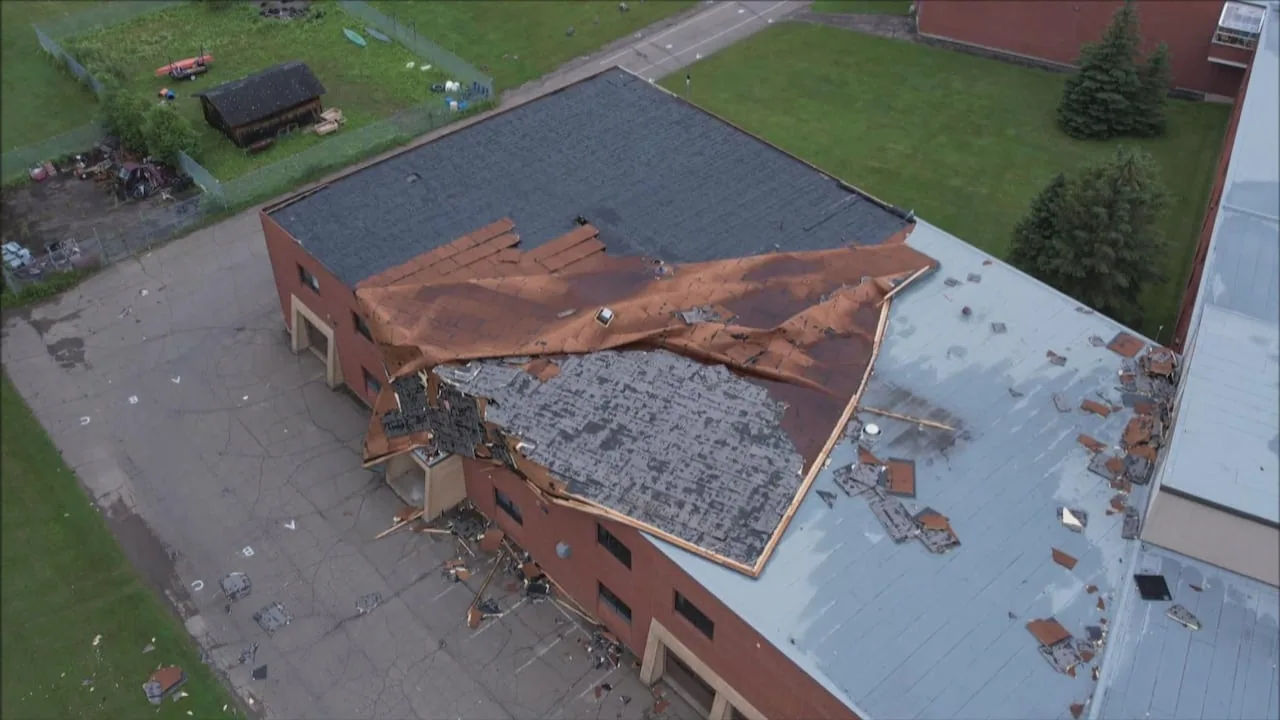
When a parapet edge lifts on a Chesapeake warehouse, wind gets under it and keeps pulling, and the membrane next to it can start peeling back. Coastal storms and nor'easters make this a common problem in Hampton Roads. We repair wind-damaged commercial roofs by starting at the point of failure and working out to where the roof is still sound. The work may involve membrane, edge metal or flashing around a penetration. A loose piece of metal on top is often only part of the problem, so we check the attachment underneath before deciding how to fix it.
In the Greenbrier commercial district and across Chesapeake, wind repairs start with your specific roof. We inspect the edges, seams, attachments and insulation, then map the damage area by area. The property contact lets us know about sensitive operations and site access. Photos separate confirmed damage from nearby areas we have not yet checked. Our repair plan follows what we find and lists any attachment or structural questions that still need answers.
Edges and Coping
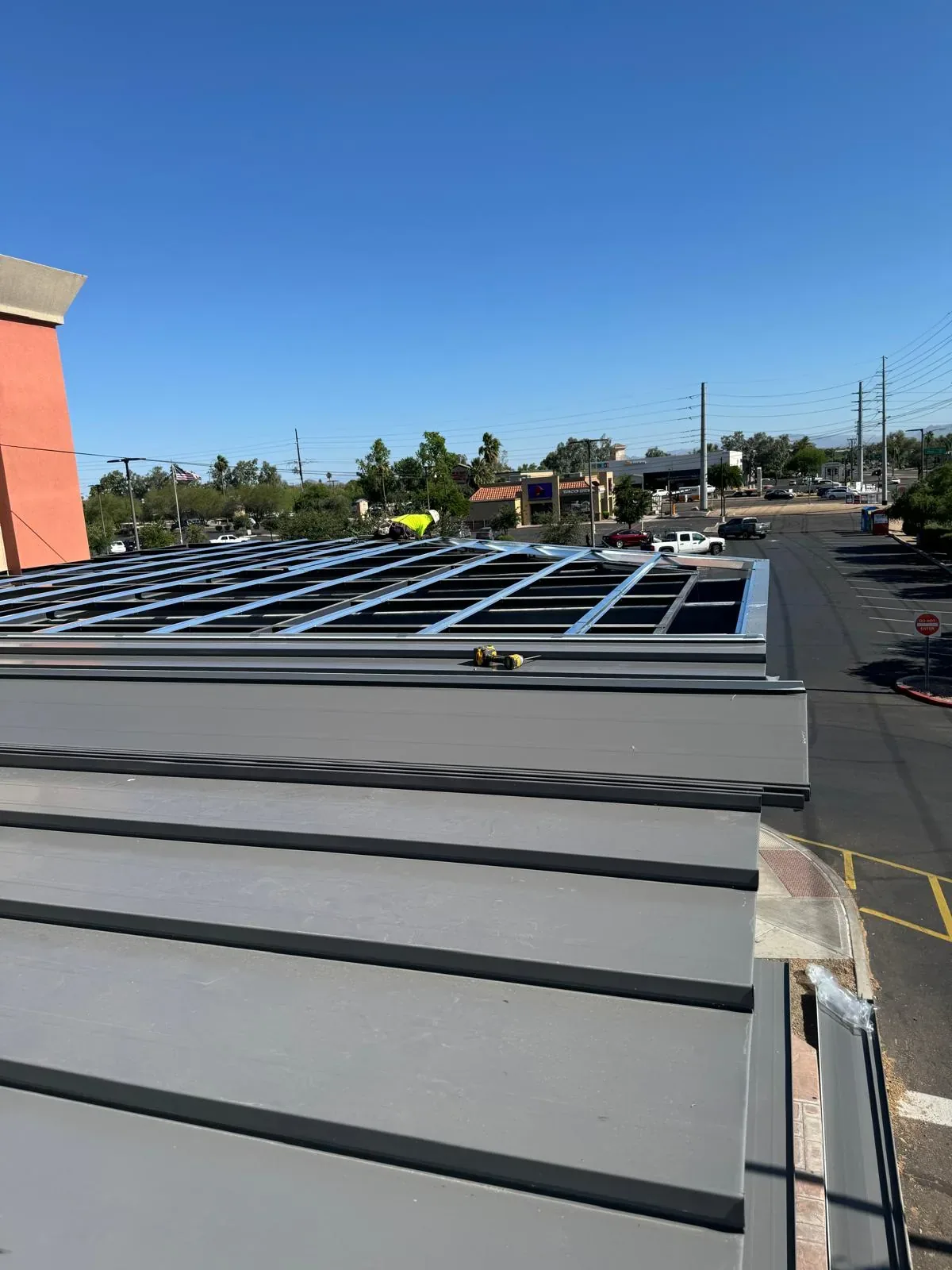
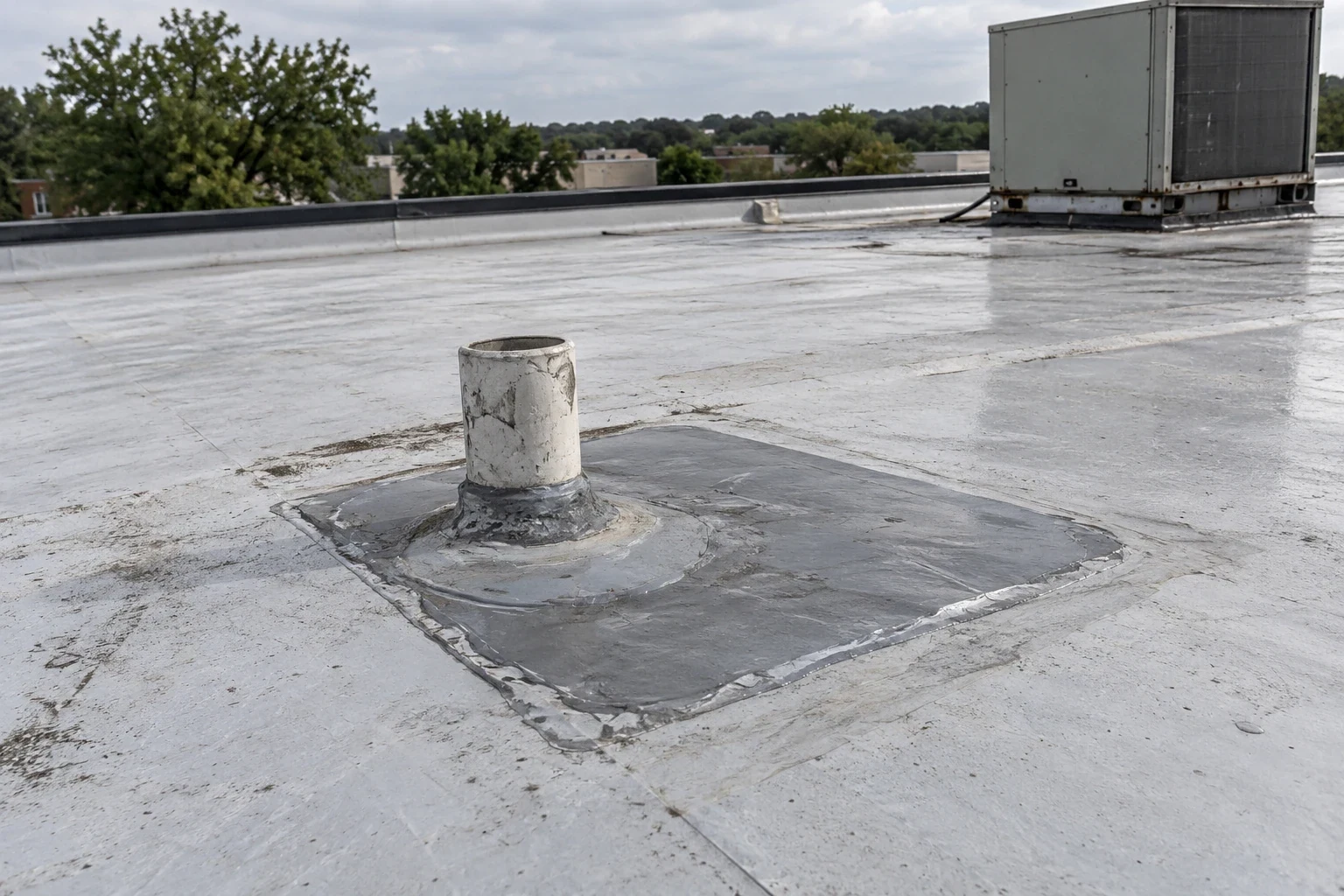
When coping comes loose, the top of the membrane underneath is exposed to wind and rain. We inspect the metal, the cleats, the fasteners and the membrane at the edge together. Bent metal does not tell us whether the wood nailer behind it is sound. Enlarged fastener holes, missing cleats or rotten wood all change the repair. We check them before new metal goes on, and we tie the membrane back into a sound edge instead of hiding problems behind a new cap.
Our edge metal, coping and gutter repair covers the corners, joints and terminations exposed by the damage. New metal needs a solid nailer and proper flashing beneath it. If we need to open a wider area, we explain why. Sometimes the failed attachment extends under roofing that looks fine, and when that is possible we check it before agreeing to leave it in place.
Fluttering Membrane
Membrane that billows or flutters in the wind usually means the fasteners or adhesive holding it down have let go. We locate the loose area and check the attachment underneath. Flutter alone does not tell us the exact cause, which could be failed fasteners, broken-down insulation or a separated seam. We recommend a closer look when needed. The repair re-secures the membrane and fixes any seams, so it holds the next time the wind picks up, instead of just patching the spot that moved.
Our seam failure repair rejoins seams that wind has opened, using clean, compatible membrane. We check each opening and the membrane around it. Removing a damaged section may uncover more problems, and if so, we show you before finalizing the repair. A closed seam does not prove the attachment elsewhere is sound, so any other findings get their own repair in the written plan.
Emergency Protection
A lifted edge can let water in before permanent materials arrive. We install temporary protection to keep the building dry until repairs can be made. We take emergency calls overnight, on weekends and on holidays, and the work we can do depends on safe access and the weather. Temporary work is recorded with what it covers and how long it should last. It may not fix the attachment or nearby seams, so those repairs stay on the list.
Our emergency roof repair starts with your photos and a call with the building contact. We inspect the damage before explaining what we will do. Interior protection is coordinated with the facility team when rooms below are affected. Temporary materials may need to be removed before the permanent repair, and we note that in the plan. You can approve a quick fix now while we determine what the permanent repair will require.
Hidden Damage Below
Water that gets under a lifted seam can soak the insulation below. A dry surface does not mean dry insulation. When it matters for the repair, we check with core samples, planned with the building contact and protected below. Each opening is sealed the same day. Our report shows which areas we confirmed and which still need checking, so materials are ordered based on what we actually found.
A commercial roof inspection after a windstorm records what we found and what needs a closer look. Photos show the damage but cannot prove hidden areas are sound. If attachment or supports are in question, we recommend the next step. Structural questions go to a qualified engineer, and their answer may change how large the repair is. We explain why the repair may extend beyond the obvious tear or bent metal.
Working Around Building Operations
In healthcare buildings, the facility contact defines which rooms, equipment and times are available for roof work. We document the wind damage and explain what will be exposed during repairs. The facility's rules shape the schedule, while the roof inspection identifies what is damaged. A nearby property in Great Bridge gets its own access plan and inspection. Our report keeps approvals, temporary protection and permanent repairs as separate steps.
Wind damage near rooftop equipment may involve the mechanical contractor. We locate the roofing damage and identify any equipment work needed. If a unit needs to be disconnected or a curb raised, that is decided before the roof is opened. The schedule includes material handling, interior protection and temporary dry-in. A convenient date does not mean everything is ready, so open items are listed before we start.
After the Repair
When the repair is done, we document what was repaired, the materials used and how the attachment was restored. Any other findings are listed separately. We review the warranty for the new work. Storm documentation does not decide an insurance claim; that is up to your insurer. You get a clear record of the completed repair to use for future maintenance, equipment changes or any questions about the structure.
Wind often leaves membrane punctures from flying debris. A hole away from the lifted edge gets its own repair. We clean the membrane and make sure the patch bonds to sound material. Even when several repairs are done in one visit, each is recorded separately. If a new leak appears, it is inspected based on the roof as it is then, not assumed to be a repeat of the earlier storm repair.
Commercial Roofing Questions
Why does wind damage start at the edges?
Wind pressure is strongest at roof edges and corners. Once coping or edge metal loosens, wind can get under the membrane and peel it back.
Can you just screw the loose metal back down?
Only if the wood behind it is sound. Enlarged holes or rotten nailers need repair first, or the metal will loosen again.
What does fluttering membrane mean?
Usually that fasteners or adhesive have failed. We find the cause and re-secure the membrane so it holds in the next storm.
Can you make temporary repairs after a storm?
Yes. We install temporary protection on nights, weekends and holidays when it is safe, then schedule the permanent repair.
Do you check for wet insulation?
When it affects the repair, yes. Core samples tell us whether water got under the membrane and how much insulation needs replacing.
Get wind damage repaired
Send us photos of the damage and tell us where water is getting in. We will inspect the roof and explain the repair.