
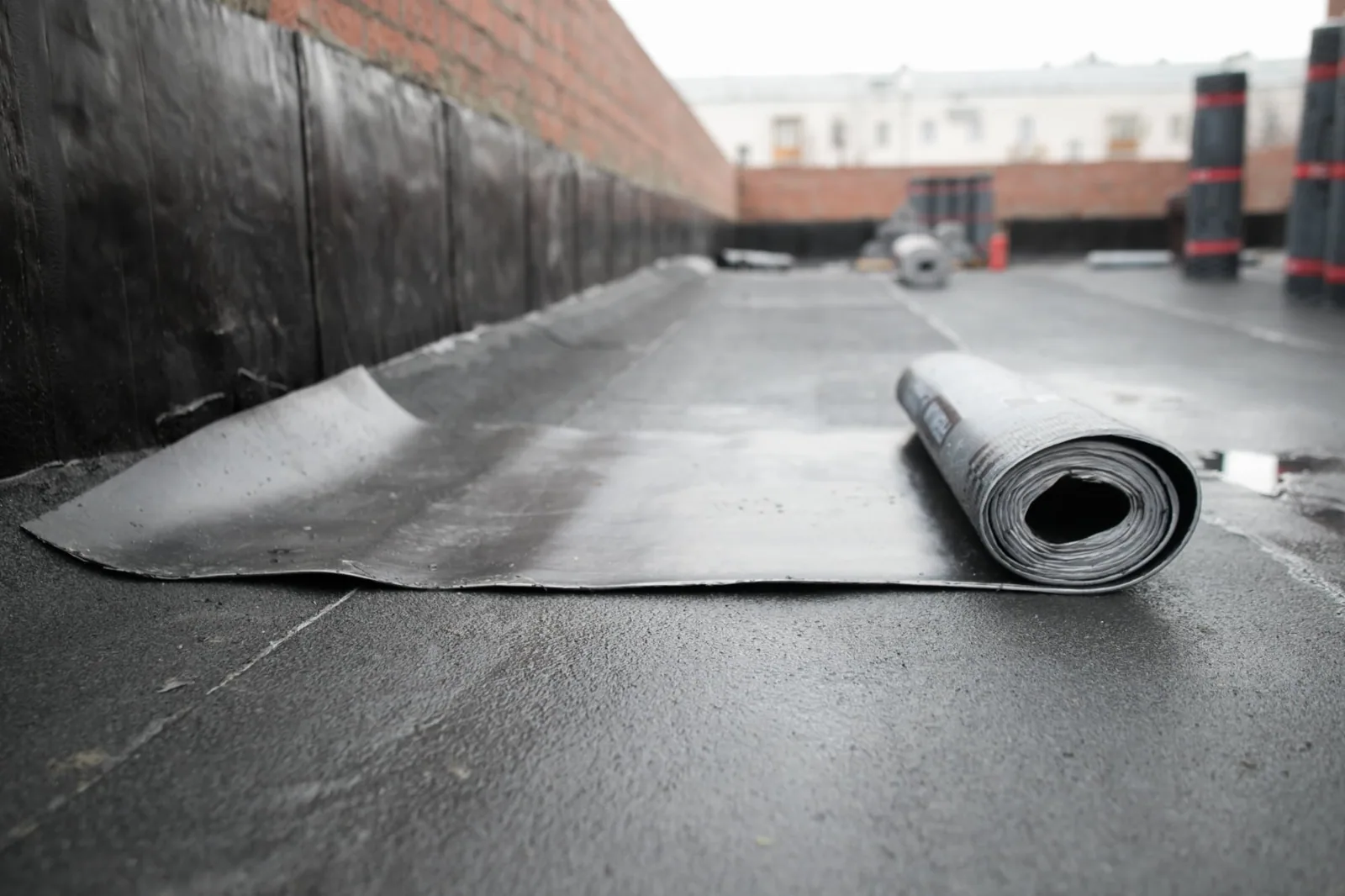
EPDM, the black rubber membrane on many offices and low-rise commercial buildings in Chesapeake, VA, usually fails at the seams long before the sheet itself wears out. When a splice opens over an office, rain slips between the layers and into the insulation, even though the rest of the roof looks fine. On an office building roof, we find the open seam, check how far the water has spread and repair it with materials that are compatible with the existing rubber.
Medical offices and other occupied buildings need the same care plus extra planning. Before we repair an EPDM roof, we confirm what kind of membrane and seam you have, since an older glued seam and a newer taped seam are fixed differently. We also check the insulation around the leak. Facility staff tell us which rooms are below, which equipment can't be shut down and how we can get materials up to the roof. If a rooftop unit needs to be moved before we can reach a seam, that detail stays on the list until it's properly finished.
Taped seams vs. glued seams
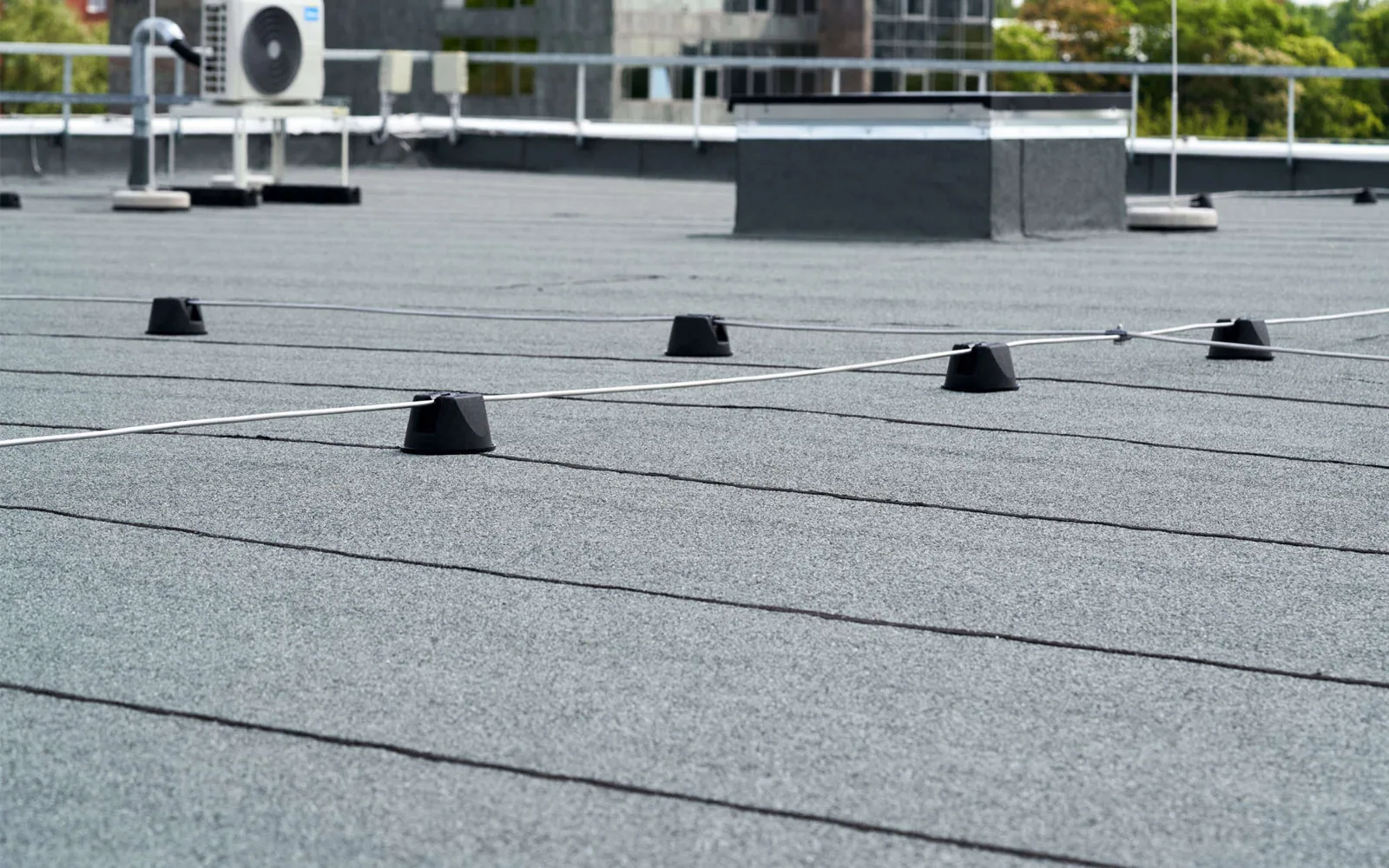
Older EPDM roofs were often seamed with liquid adhesive, which dries out and lets go over the years. Many newer systems use factory-applied seam tape, which tends to be more consistent. We identify which one your roof has, because the repair method, primers and accessories depend on it. Old patches matter too: if someone repaired a seam with the wrong product, such as roofing cement or an incompatible tape, it usually has to be cut out before a lasting repair can be made.
Seam tape alone doesn't make a good seam. Both surfaces have to be cleaned and primed according to the manufacturer's instructions, the tape rolled in firmly and the edges sealed where required. Skipping the cleaning step is the most common reason a new seam opens up again. We follow the product instructions for your specific membrane and probe the finished seam to make sure it's fully bonded. An estimate should cover the labor for that prep, not just the cost of a roll of tape.
Is the seam the only problem?
An open seam might be the only problem, or it might be one symptom of a roof that's at the end of its life. Loose insulation, shrinking membrane pulling at the edges, and wet areas around drains all point to bigger issues. We check those things before quoting a repair. Your roof records help, but we still need to see what's actually happening on site. A sound sheet on top doesn't mean the insulation and fasteners underneath are in good shape.
An EPDM roof inspection covers seams, flashings, edges, drains, penetrations and the overall condition of the rubber. Old surface patches can hide the original seam, so we sometimes need to lift them to see what's underneath. If we suspect wet insulation or loose attachment, we may recommend core cuts or an infrared scan before you buy materials. The report tells you what we confirmed, what still needs testing and whether repair or replacement makes more sense. We won't assume the whole roof is fine based on one good-looking seam.
When water gets under the rubber
Water that gets in through a seam spreads sideways through the insulation, often much farther than the visible split. Wet insulation loses its insulating value, adds weight, and can rot wood decks or rust steel ones. We test around the leak to find the edges of the wet area. Any soaked insulation gets cut out, replaced and tied back into dry, sound material. Laying new rubber over wet insulation just traps the problem. If we find more damage once we open the roof, we show you and agree on the price before we expand the repair, and the roof is kept sealed meanwhile.
A full EPDM roof replacement estimate should say which layers come off, what goes back on and how walls, curbs and drains will be flashed. New insulation can raise the roof surface enough to reduce flashing height at curbs, doors and drains, so those are planned before materials are ordered. If a mechanical contractor needs to move a unit first, we schedule around them, and we don't call the job done while a curb is still waiting.
EPDM, TPO or PVC?
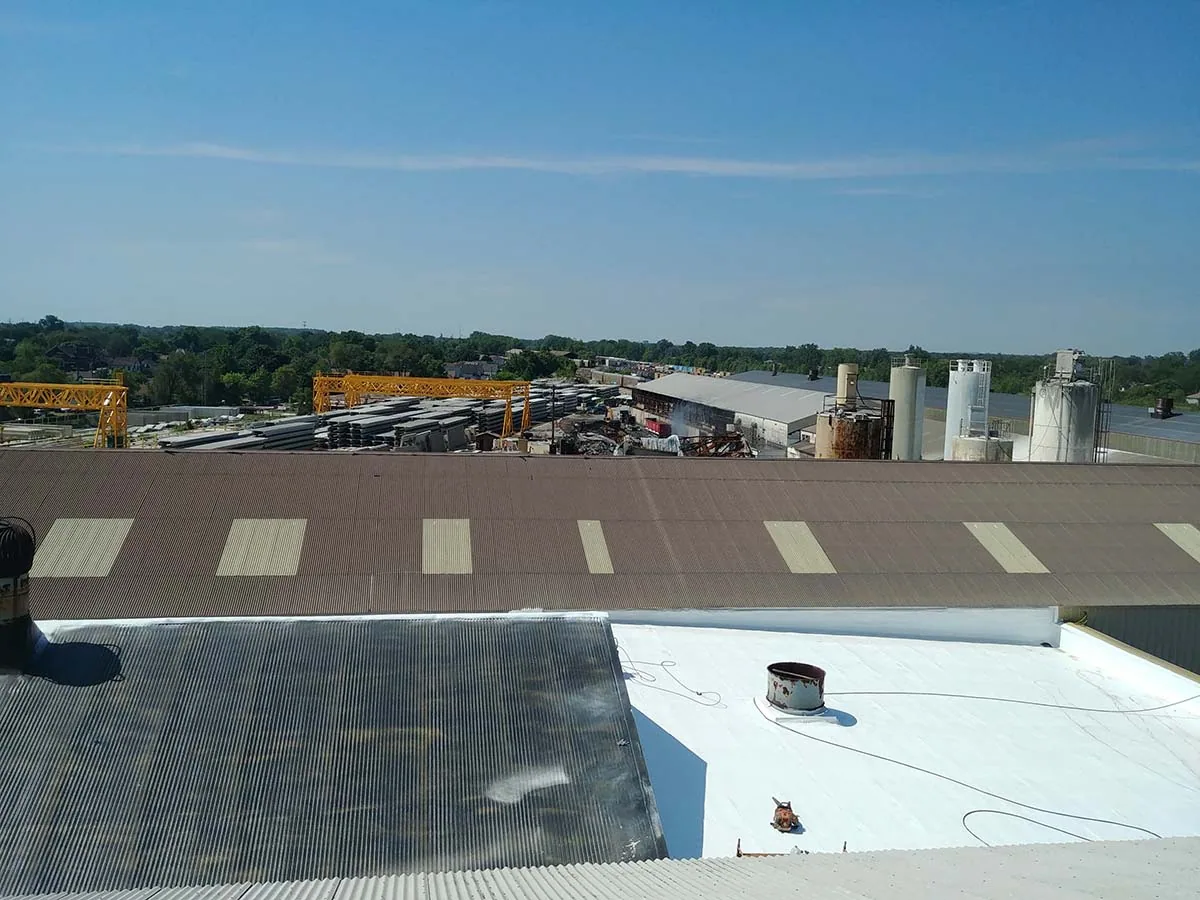
Many owners compare EPDM with TPO roofing. TPO is white and heat-welded at the seams, while EPDM is usually black and seamed with tape or adhesive. The prep, flashing details, attachment methods and labor are different, so a straight price-per-square-foot comparison can be misleading. We price both options on the same roof area with the same insulation repairs and flashing work, so the difference you see is real.
PVC roofing is another heat-welded option, often chosen where a roof is exposed to grease or chemicals, such as near restaurant exhausts. It has its own accessories and detail requirements. We compare each option's full scope, including tear-off, insulation, edge metal and equipment curbs, rather than just the membrane price. The right choice depends on your building, how long you plan to own it, how the roof is used and what's happening on it. Whatever you choose, the goal is the same: seams and flashings that stay watertight, with any wet insulation already replaced.
EPDM work around Greenbrier and Great Bridge
Greenbrier's business parks and commercial strips include all kinds of buildings, and their location says nothing about what's on the roof. For EPDM roofing in Greenbrier, we check the actual membrane, seams and how the roof is attached. We confirm the surface is ready before ordering seam materials, and any detail that isn't ready, such as a curb waiting on HVAC work, stays open on our list until it's done.
For reroofing occupied buildings in phases, we record each day's work and make sure every section is sealed before the crew leaves. When the job is complete, you get photos of the repaired or new seams and flashings, the products used and any seam checks we performed. Warranty terms depend on the specific manufacturer and system, and changes like new rooftop penetrations can affect them, so we'll go through that paperwork with you. If anything is still open, it's listed separately.
Great Bridge and Greenbrier have plenty of EPDM roofs, but no two are exactly alike. We confirm the membrane type and seam method on your building, note any old patches or coatings that affect the repair, and give you photos showing exactly where the work was done.
Commercial Roofing Questions
How do I know what kind of EPDM seam my roof has?
We check during the inspection. Older roofs often have glued seams, while many newer ones use factory-applied tape. The repair materials depend on which one you have.
Does seam tape finish the repair on its own?
No. Both surfaces have to be cleaned and primed per the manufacturer's instructions, and the tape has to be rolled in and checked. Skipping prep is why many seam repairs fail.
Does an open seam mean the insulation is wet?
Not always, but it's likely if the seam has been open for a while. We test around the leak and replace any wet insulation before closing up the roof.
How does EPDM compare to TPO?
EPDM is rubber, usually black, with taped or glued seams. TPO is white and heat-welded. They need different prep and details, so compare full quotes on the same scope, not just membrane cost.
What should I get when the EPDM work is done?
Photos of the repairs, a list of products used, seam check results and warranty documents. Any work still waiting on other trades should be listed separately.
Trace the entry through the rubber roof splice
Send us any roof records and tell us where the leak is showing up. We'll inspect the EPDM seams and insulation and send photos with a clear repair or replacement estimate.