
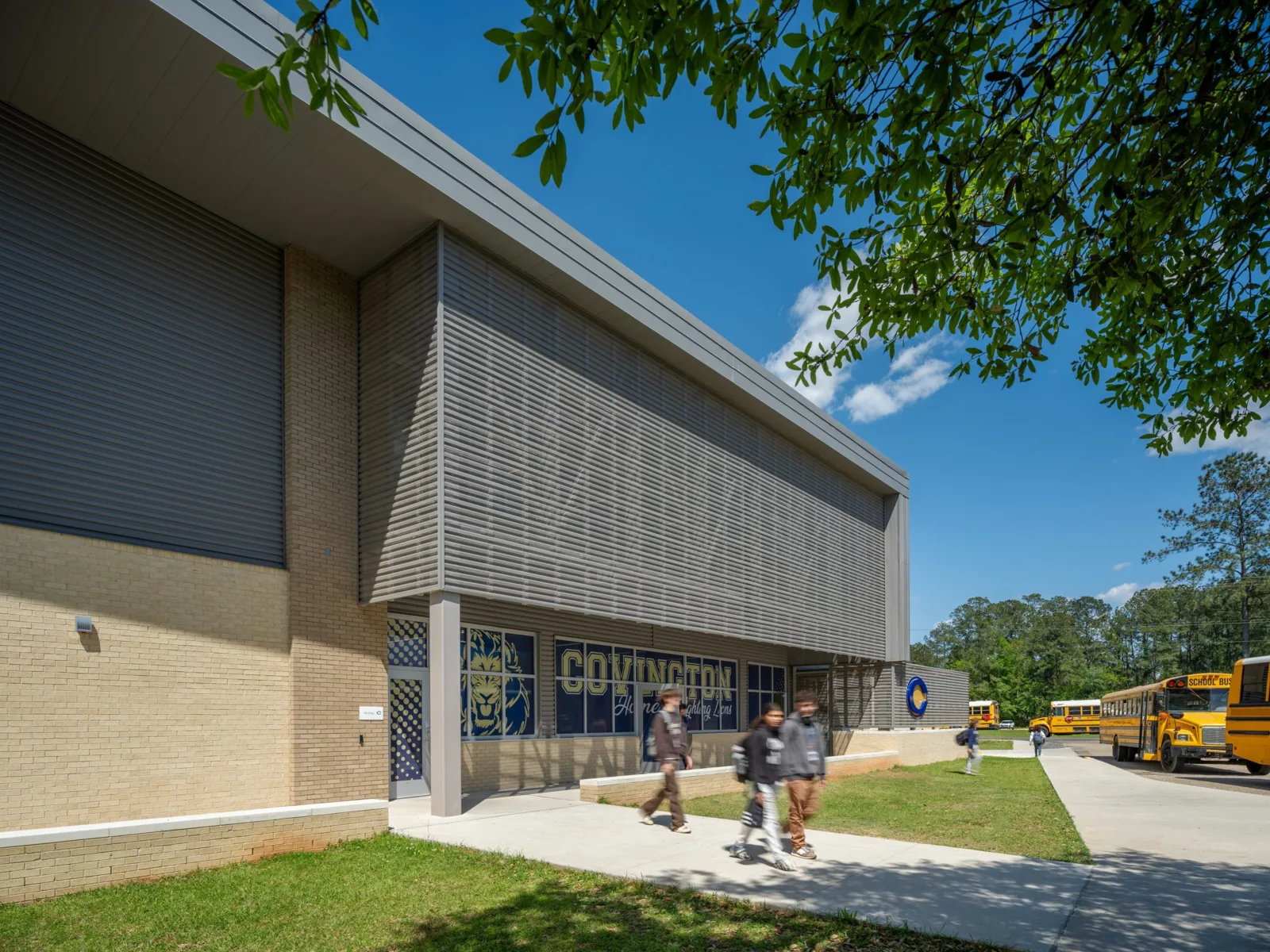
School roofs cover classrooms, gyms, cafeterias, libraries and offices, and they have to stay dry through years of tight budgets. Many school buildings in Chesapeake are long, low buildings with large flat roofs and a lot of perimeter. That perimeter is where we find many of the problems. Edge metal loosens, the wood nailer underneath rots, and the membrane at the edge starts to lift. In coastal wind, a loose edge can peel back a section of roof in a single storm, and water gets into the insulation and walls long before anyone sees a leak in a classroom.
Schools also have their own rules for contractors: student safety, background checks, limited access during the school day and a calendar full of tests, events and breaks. We inspect the edge metal, the nailer, the membrane near the perimeter and the insulation behind it, and look at gutters and drains. You get photos and a written repair plan that explains what failed and how we will do the work without putting students or staff at risk.
Securing the edge
Edge metal holds the membrane down at the perimeter, and it is only as strong as the wood it is fastened to. On older schools, years of small leaks often rot the nailer, and new fasteners won't grip. Re-nailing loose metal into bad wood buys very little time. We remove the edge, replace damaged nailers and wet insulation, reattach the membrane and install new metal with the correct fastener spacing. Corners get extra fastening because that is where wind loads are highest. We use metal and fasteners suited to the coastal climate so the new edge does not rust out early.
Our edge metal and coping work includes flat roof edges, parapet caps, gutters and downspouts. If a storm has already loosened the edge or lifted the membrane, a wind damage assessment documents what moved and what is still secure, and separates new storm damage from older wear. That record helps the school or district with insurance and with planning repairs. It also gives facilities staff something concrete to show when requesting funds.
Working around the school day
Student safety comes first. Before any work starts, we agree with the principal or facilities office on where crews can park, where materials can be staged and lifted, and which areas must be fenced off. Crane lifts and tear-off happen away from playgrounds, bus loops and entrances, and never over areas where students are present. Workers follow the school's visitor and background check rules. Our crew checks in at the office each day and stays within the agreed work area.
Following our roofing for occupied buildings method, crews open only what they can finish and close that day. Noisy work is scheduled for early mornings, after dismissal, weekends or school breaks, and testing days are kept quiet. Odor-producing adhesives are kept away from air intakes. Larger projects are often planned for summer break. The school office gets a short update each day so staff and parents know what to expect. Rooms below the work are checked after rain until the repair is complete.
Drainage before phasing
Large flat school roofs drain slowly, and leaves from nearby trees clog drains and gutters every fall. Water that ponds near a drain or along an edge finds every weak seam and flashing. Before we decide how to divide the work into phases, we look at how water moves across the roof and where it collects, so open areas are not flooded by water from the rest of the roof. Interior signs, such as stained tiles near columns or along exterior walls, help us connect the drainage problem to the leak.
Our roof drain and scupper work covers clearing and rebuilding drains, replacing strainers, resizing gutters and adding scuppers where water has nowhere to go. Ponding areas are marked on the roof plan so the district can decide whether tapered insulation or extra drains make sense during the next major project. If a drain pipe is broken inside the building, that goes to a plumber. We also recommend a fall drain-cleaning visit once the leaves have dropped, which prevents many winter leaks.
Schools around Great Bridge
Schools in Great Bridge and across Chesapeake range from older buildings with several additions to newer schools with modern single-ply roofs. Each building has its own roof history, and the gym, classroom wings and cafeteria may each have a different roof. For school roofing around Great Bridge, we inspect the specific building and roof sections named in the request. A repair that suits one wing may be wrong for another.
The facilities contact tells us which rooms are affected, when leaks appear and what the calendar looks like. We inspect the edges, seams, flashings, drains and insulation and photograph what we find. Where older drawings or warranty documents exist, we compare them with the roof as it stands today. Additions and earlier repairs often change details that drawings do not show.
The proposal explains the cause, the repair, the schedule and the safety plan. If the district needs to bid the work, we can provide a clear scope with quantities and locations. Items outside roofing, such as masonry, windows or HVAC, are listed separately so the right department or contractor can handle them. Photos are labeled by roof area and the classrooms below, so staff can match them to work orders.
Records and related buildings
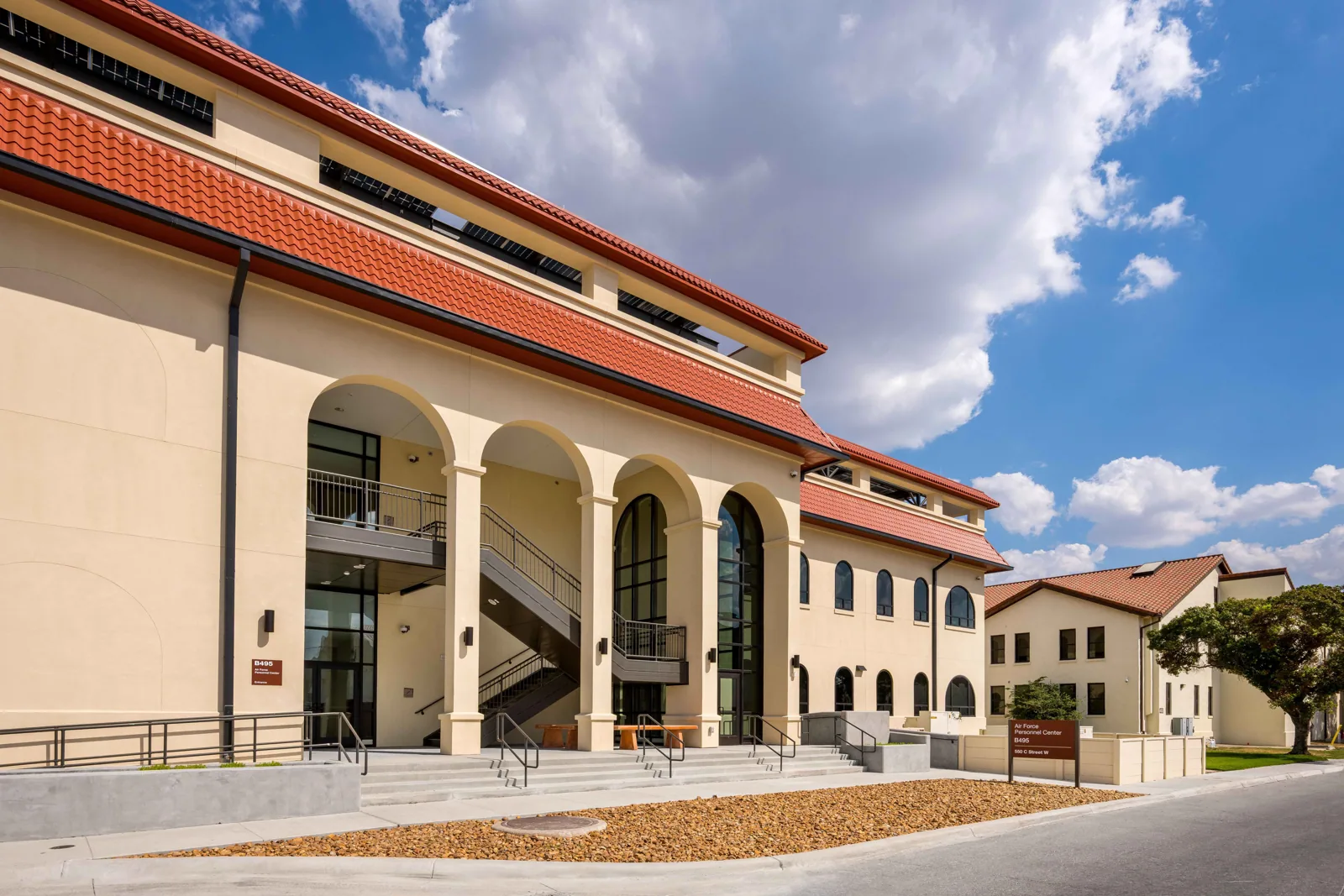
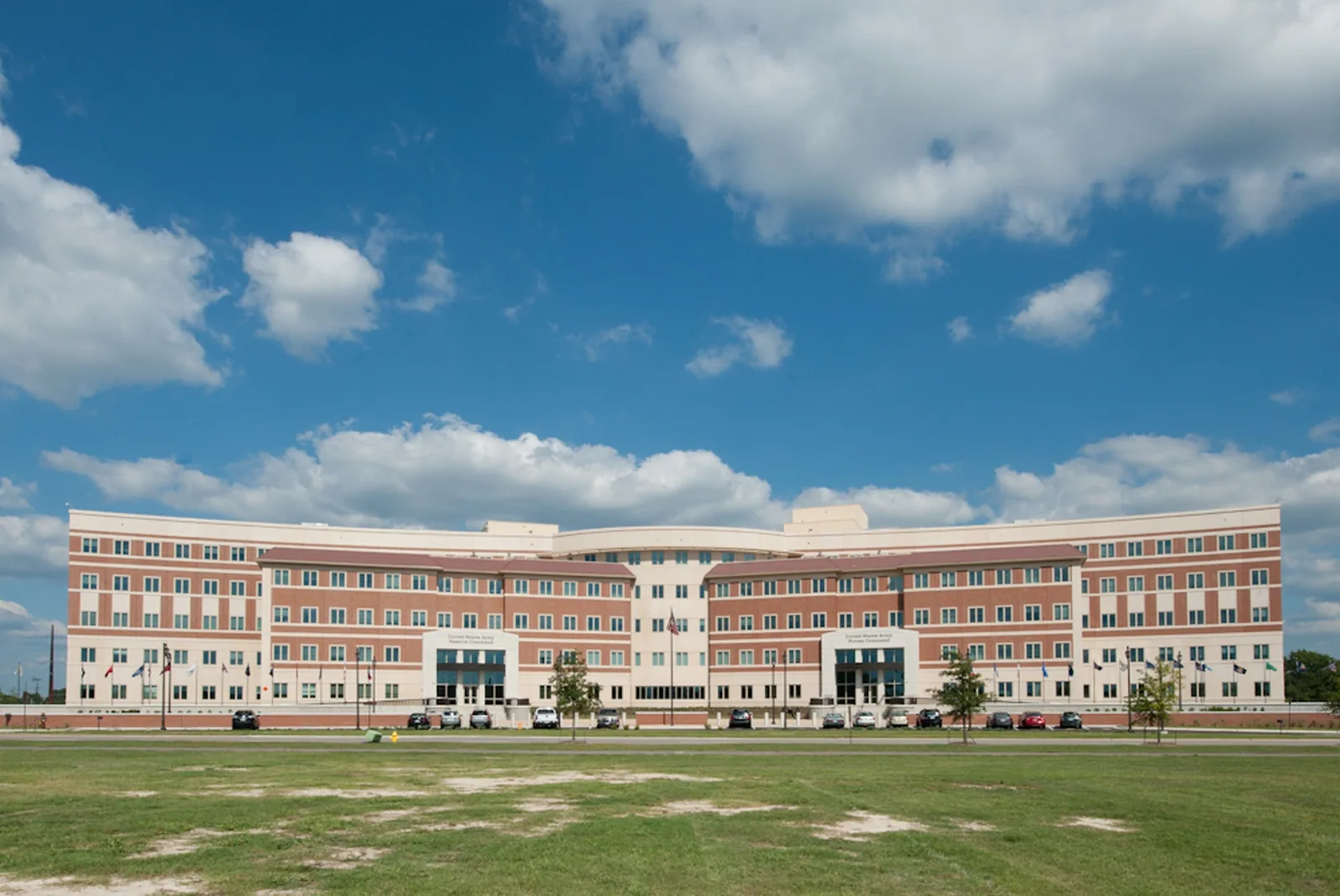
Colleges and universities face many of the same issues on a larger scale, with labs and student housing added to the mix. Our college and university roofing page covers working around class schedules and campus traffic. Schools are also public buildings, and our government building roofing page explains how we write complete scopes for public bidding and work in buildings open to the public.
At closeout, the school receives photos of the finished edge and any other repairs, a roof plan showing the work, a list of materials and notes on anything that still needs attention. Those records help with budget requests and the next round of maintenance. They also help the district compare roof conditions across schools and decide which buildings need attention first. Clearing drains and gutters each fall, and checking the edges after major storms, are inexpensive steps that prevent many school roof leaks.
Commercial Roofing Questions
Why does the school roof edge keep coming loose?
The wood nailer under the edge metal often rots from years of small leaks, so fasteners stop holding. Wind then works the edge loose. Replacing the nailer is part of a lasting repair.
How do you keep students safe during roof work?
Work areas and lift zones are fenced off and kept away from students, crews follow school visitor rules, and lifts never happen over occupied areas.
Can roof work happen during the school year?
Yes, for smaller repairs. Noisy work is scheduled for early mornings, after school or weekends, and larger projects are usually planned for summer break.
Will storm damage be separated from older wear?
Yes. Our report notes which damage appears recent and which reflects long-term deterioration, which helps with insurance and budgeting.
What records does the school receive?
Photos, a roof plan of the repairs, a materials list and notes on any remaining items for other trades or future budgets.
Have the school roof edge inspected
Tell us which rooms are affected, when water appears and what the school calendar looks like. We will inspect the roof and send photos with a plain repair plan.