
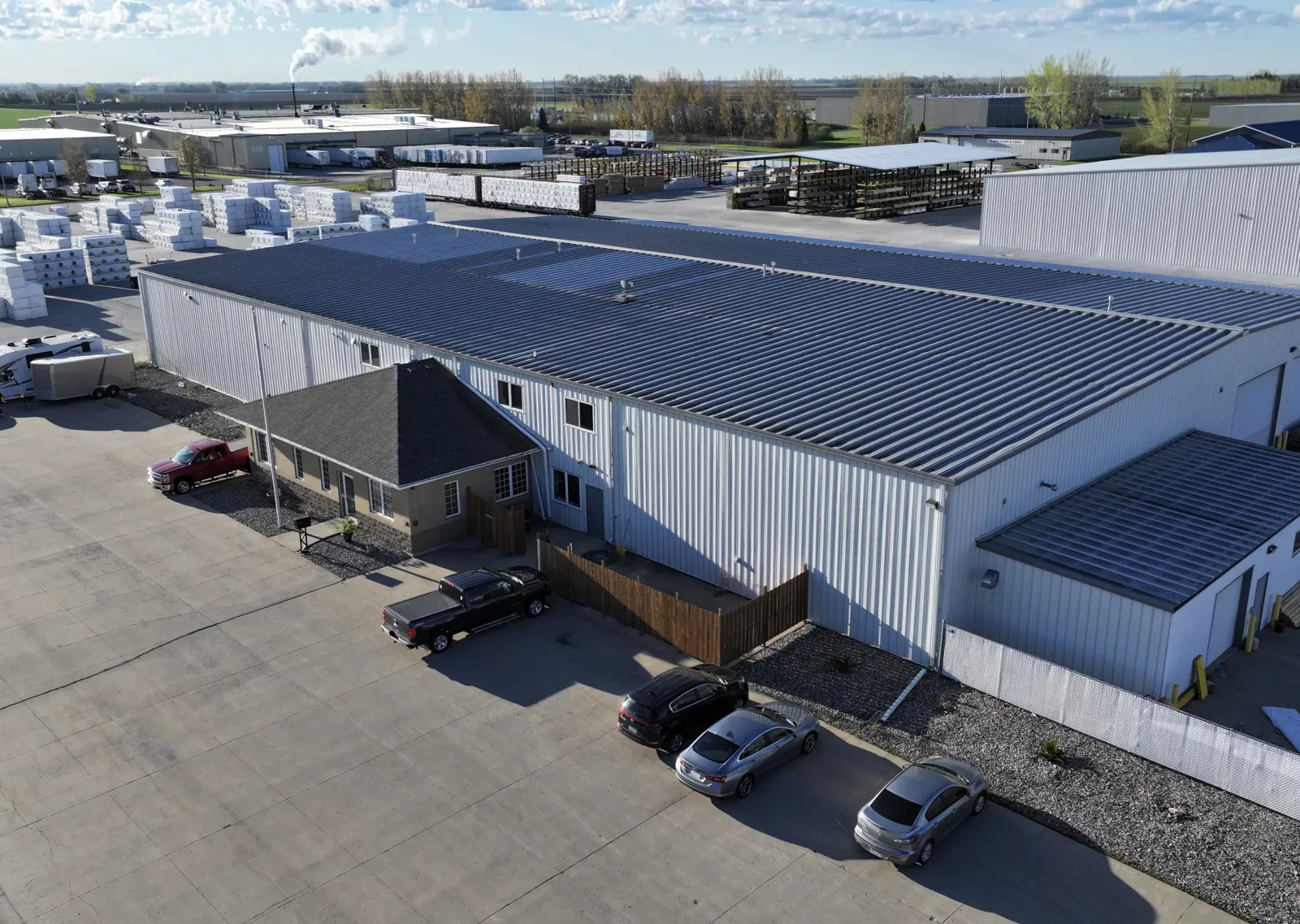
On a Chesapeake, VA warehouse, an open seam in the roof membrane can soak the insulation long before water drips onto the stock below. Water gets into the gap between two sheets and spreads underneath roofing that still looks fine from above. A quick patch over the split may stop the drip without reaching sound material on either side. We inspect the roof around the leak and explain the permanent repair, so you can protect the affected aisles and plan the work. The size of the repair follows the damage on the roof, not the shape of the wet spot on the floor.
When you call, tell us which aisle or bay is affected and when the leaks show up. Roof drawings and past repair invoices help. We compare your report with the seams, drains and walls nearby, since a drain or wall flashing can be the real source. If water is coming in now, we can make a temporary repair while we finish the inspection, and our crews respond nights, weekends and holidays. Have someone on site who can open the roof hatch and move stock if needed.
Open seams: look past the obvious split
Old repairs often leave a narrow strip of good membrane next to badly weathered material. When we repair a failed seam, we check both sides before choosing materials. TPO and PVC seams are heat-welded; EPDM seams use tape or adhesive; modified bitumen is torched or adhered. Dirt, old coatings and chalky membrane can keep a new seam from bonding, and cleaning won't always be enough if the sheet is worn out. We cut back to sound membrane, and that extra prep shows up in the estimate.
Wet insulation under the seam changes the job. A dry-looking surface doesn't mean the layers underneath are dry, so we test around the leak with core cuts or a moisture scan. If we cut a test opening, we patch it the same day and cover any goods below. The results may make the repair bigger than the first patch. If so, we show you why before the work expands, and any temporary seal stays in place until the permanent repair is done.
Drains and how water moves across the roof
Water from the rest of the roof still has to drain while we work on one section. When we check roof drains and scuppers, we look for leaves, packaging and other debris that hold water against seams and flashing. A clear drain doesn't mean the flashing around it is sound, so we inspect the drain bowl, the clamping ring and the membrane around it. If the drain pipe inside the building is cracked or blocked, that's a plumber's job, and we list it separately in the plan.
Aisles and racking lines inside don't match how water flows on the roof. A work area drawn to suit the warehouse floor could cut off water heading to a drain. We set the work sections based on roof drainage, then compare them with the storage areas below so you know which stock needs to be moved or covered. A different layout might mean shifting more goods or changing shipping routines for a few days. We sort that out before materials arrive and set the schedule around sections we can actually close up each day.
Warehouses around Greenbrier
Many of our warehouse jobs are in the Greenbrier commercial area, including buildings near Greenbrier North Commerce Park off Smith Avenue. Each building gets its own inspection. We look at the roof records, the condition of the membrane and how the space below is being used. The operator tells us which shipping lanes and docks need to stay open and which stock needs protection. Two warehouses on the same street can have very different roofs, loading routes and drainage, so we don't price one off another.
Every estimate is written for one address, with a named contact and a list of the goods and areas that need protecting. We inspect the seams, drains and deck at that building alone. Another property's rules about forklifts, deliveries or rooftop access don't apply automatically. If racking or active operations limit where we can work or how we protect the stock, the plan spells out how each section will be opened and closed. That way you can compare bids on the same scope.
Recover or tear off?
When most of the roof looks intact, it's tempting to put a new roof over the old one. A roof recover can save money, but only if the existing insulation is dry and the deck is sound. We check for wet areas and loose attachment before recommending it. Old drawings tell us what was installed, not what condition it's in today. If more testing is needed, it's included in the estimate, along with patching the test cuts and protecting the goods below. You get a real recover option, not just a membrane price.
A tear-off exposes more of the roof and the deck underneath. We list what's coming off, where the new roof will tie into the old one and any repairs the findings call for. Rusted or soft deck may need an engineer to look at it before we install over it. A bigger opening also means more stock to protect, which can change your preferred schedule. We'll suggest temporary measures while the plan is settled, and compare recover and tear-off based on what testing shows, not on how the roof looks from the ground.
Working over stored goods and racks
Racks and stored goods can make it hard to protect the space under a tear-off. When we plan reroofing over an active warehouse, we match the work area to what's actually stored below. Tell us which aisles, docks and forklift routes must stay open. We'll explain how debris will come off the roof and how each section gets sealed at the end of the day. The crane or lift may need space in the yard away from truck traffic. If moving stock is limited, we can work in smaller sections, and we plan that before materials are delivered.
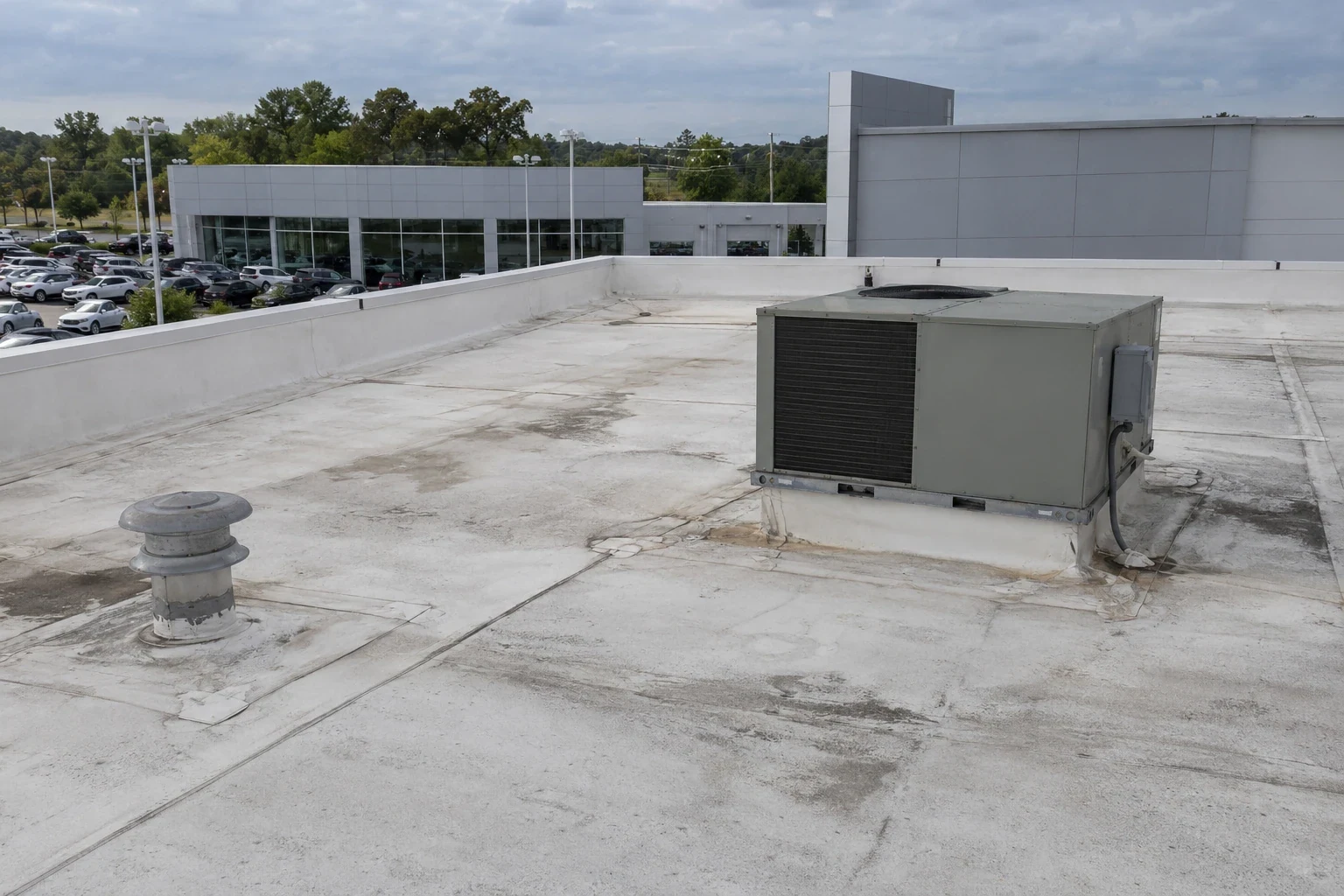
Rooftop HVAC units over storage areas can block the flashing at their curbs. We tell you what adjustments are needed so we can reach the curb properly. Your HVAC contractor handles disconnecting and resetting the unit and is responsible for how it runs. If a leak seems to come from the unit itself, they should check it. We schedule their work before the new roof goes on, so the curb flashing isn't buried under a finished roof with the job only half done.
After the repair
Some warehouses share a building with other uses. Distribution centers add heavy truck traffic and busy docks, and cold storage brings insulation and vapor issues that standard warehouses don't have. Tell us what's happening in each part of the building before we pick materials. Each area gets its own inspection and estimate, even if we schedule the visits together, so you know exactly what's being approved and what's below it.
After the repair, keep our record of the repaired seams and materials with your maintenance files. We also note anything nearby we saw but didn't fix. If a new leak shows up, you can compare it with those locations. Before a new rooftop unit or pipe is installed, have it checked for proper support and room to flash it. A past repair doesn't make every future change safe. The record gives you a clear picture of what was fixed, and anything we put off is listed so you can budget for it later.
Commercial Roofing Questions
Does the open seam show how much of the roof needs to be removed?
No. We check the insulation and nearby membrane first. The repair may need to extend past the split to reach dry, sound material.
Why might the work area not line up with the aisles inside?
Work sections follow how water drains on the roof. We set them to keep water flowing to the drains, then tell you which storage areas need protection.
How do you compare a recover with a tear-off?
We test the existing insulation and deck first. A recover only works over a dry, sound roof. We price both with the testing and repairs included.
Who handles HVAC units that block the curb flashing?
Your HVAC contractor disconnects and resets the unit. We tell them what clearance we need and flash the curb before the new roof is finished.
What should we keep after a repair in case of another leak?
Our record of repaired seams, materials and leak timing. It helps us check new leaks quickly, and it lists anything we noted but didn't fix.
Leak over your warehouse floor?
Tell us which storage area is affected and send any roof records you have. We'll find the open seam or failed detail and send photos with a short repair plan.