
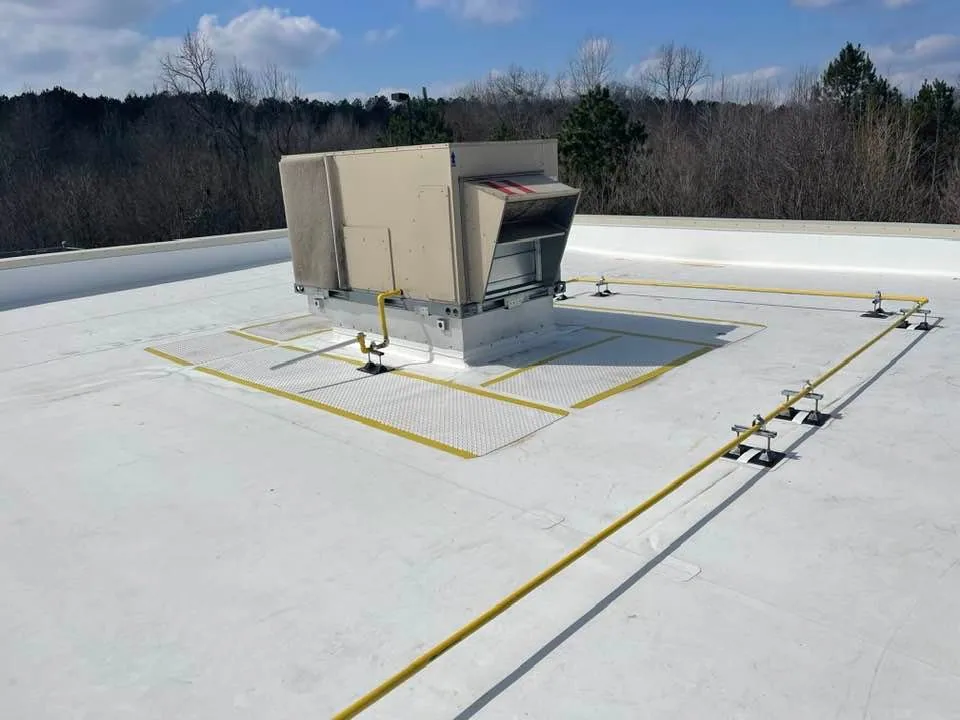
When a TPO seam opens on a warehouse roof, rain gets under the membrane and into the insulation. The white sheet may look perfectly fine right next to the seam that's leaking. TPO roofing in Chesapeake, VA starts with finding that seam and checking what the water has done underneath. On a warehouse roof, we also review any roof records and plan around rooftop equipment and the operations inside. A new layer of membrane over a damaged edge or curb won't fix the problem if the detail underneath has failed.
Healthcare buildings need extra planning. We confirm what membrane is installed, which rooms are occupied below and what equipment sits near the leak. A loose seam at a curb may mean the insulation or wood blocking underneath is damaged too, so we check that before rebuilding the flashing. The facility manager tells us how we can bring materials up and when we can work. Every section we open is sealed by the end of the day, so the rooms below stay protected.
How TPO seams are welded and checked
TPO seams are joined with hot air, which melts the edges of the two sheets together. A good weld needs clean, dry surfaces and the right temperature and speed for the specific membrane and the day's weather. Old, dirty or weathered TPO may need special cleaning before it will take a new weld. If someone patched the roof with an incompatible product, that patch has to be cut out before we can make a lasting repair.
We run test welds at the start of each day to make sure the equipment and settings are right, and we probe finished seams to check for gaps. Any weak spots get re-welded and checked again. That process follows the manufacturer's instructions for your membrane, not a one-size-fits-all rule. A seam can be repaired even if questions remain about the insulation underneath; those are separate issues. Your estimate should spell out both the seam work and any insulation repairs, rather than giving a single price for "TPO repair."
Seams vs. attachment: two different jobs
Seams keep water out, but attachment is what holds the roof down in high winds. TPO roofs are attached with fasteners and plates, adhesives or other methods depending on the system. A perfectly welded seam doesn't tell you whether the roof is properly fastened. We look at both. If fasteners are backing out or the membrane is billowing in wind, that's an attachment problem that needs its own fix, and it may point to a wet or deteriorated deck.
A TPO roof inspection checks seams, flashings, fasteners, edges, drains and penetrations. We compare what we find with any roof records, but we verify everything on site. If we suspect wet insulation or loose attachment, we may recommend core cuts or a moisture scan. Our report tells you what we confirmed and what still needs testing. That way, your repair or replacement estimate is based on the real condition of the roof, not on how good the surface looks. It also gives you a clear starting point for budgeting.
Wet insulation and flashing heights
Water through an open seam spreads into the insulation, often far beyond the visible gap. Wet insulation stays wet when new membrane is laid over it, which leads to rot, rust and blisters. We test around the leak to find where the wet area ends, then cut out the soaked material and tie the new insulation into dry, sound areas. If we find more damage once the roof is open, we show you and agree on the cost before expanding the work. The roof is sealed every evening.
A TPO roof replacement estimate should spell out which layers come off and what goes back on. New insulation can raise the roof surface, which can shorten flashing heights at curbs, walls and drains. We measure those details before ordering materials. If a mechanical contractor needs to raise or move a unit, we schedule around them. A curb isn't considered done until it's welded and checked, even if the rest of the roof is finished. Until then, it stays on the open-items list.
TPO vs. PVC and EPDM
PVC roofing is another white, heat-welded membrane, often chosen where roofs see grease or chemicals, such as near restaurant exhausts. TPO and PVC look alike but don't weld to each other, so you can't patch one with the other. PVC usually costs more. We compare both using the same roof area, insulation work and flashing details, so the price difference reflects the material, not a difference in what each quote includes.
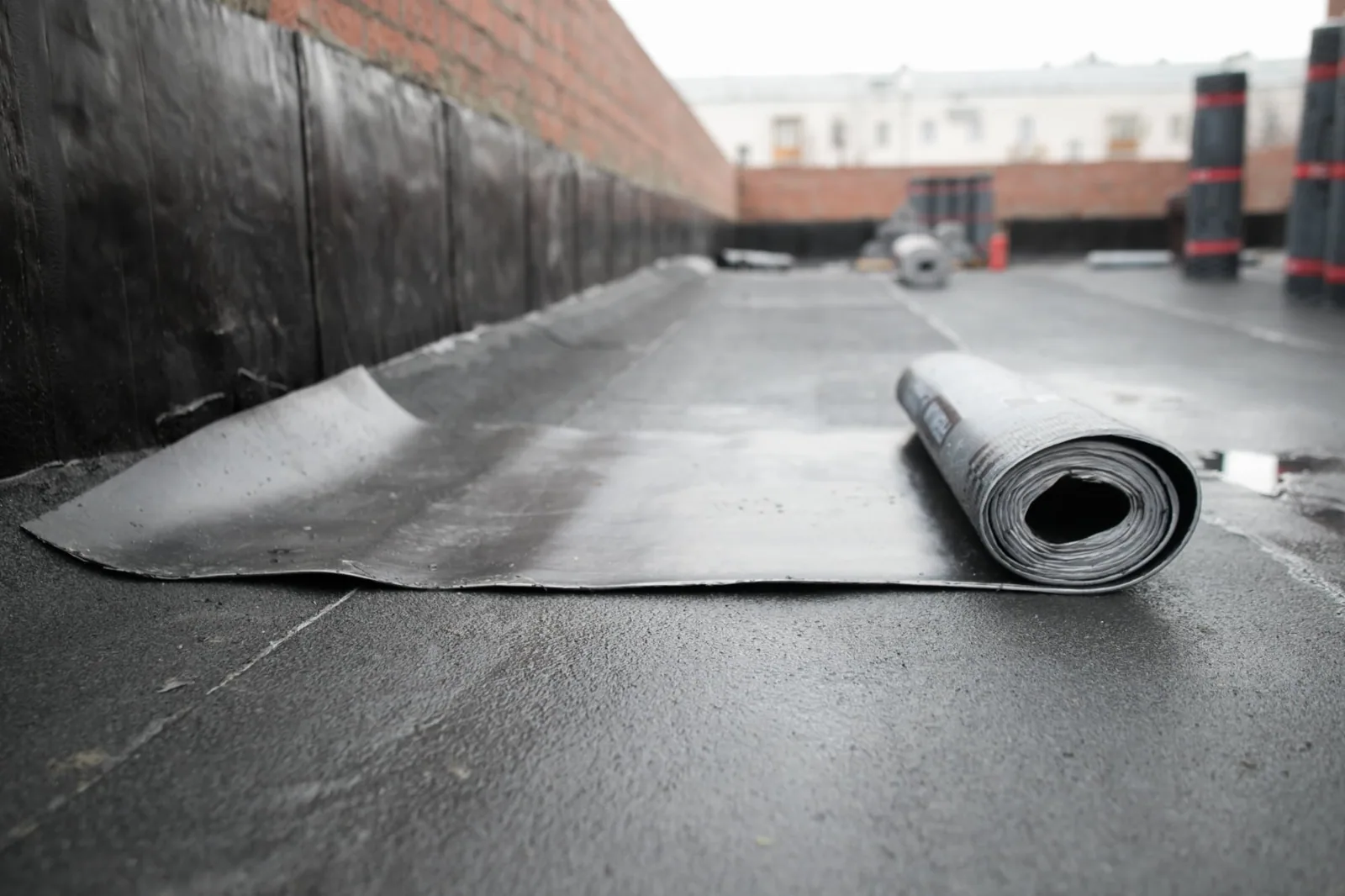
EPDM roofing is a black rubber membrane with taped or glued seams instead of welded ones. It handles hail and foot traffic differently and requires different prep, flashing and seam work. We price EPDM on the same scope as TPO, including edge metal, curbs and building protection. The best choice depends on your building, how the roof is used, energy goals and budget. Whichever system you pick, the seams need to be done according to that product's instructions, and the goal is the same: a roof that stays watertight at every seam and curb.
TPO projects around Greenbrier and Great Bridge
Greenbrier North Commerce Park, off Smith Avenue in Chesapeake's Greenbrier Business District, has many TPO roofs, but each one still needs to be checked on its own. For TPO roofing in Greenbrier, we confirm the building, the installed membrane and the areas we can access. Before welding, the insulation, attachment and flashing materials all need to be ready. If a curb is blocked by equipment, it stays on the list while we finish the rest of the roof.
When the job is done, you get the product name, photos of finished seams and flashings, and our seam check results. Anything still pending is listed separately. Warranty terms depend on the specific system, and later changes such as new penetrations may need approval, so we review that paperwork with you instead of promising a lifespan. These records make future inspections faster.
Owners in Great Bridge and Greenbrier sometimes assume their roof matches a neighbor's. We check the actual membrane, edge details and attachment on your roof, and note any older repairs that might affect welding. The building manager confirms access and work areas. The final record shows exactly where we welded and what we repaired, with anything outside the job listed separately.
Commercial Roofing Questions
What should a TPO estimate include?
The membrane product, insulation and cover board, attachment method, flashing at curbs and walls, edge metal and any wet insulation replacement. Membrane price alone doesn't tell you much.
Does a good seam weld mean the insulation is dry?
No. Seam probing checks the weld only. We test insulation separately with core cuts or a moisture scan before deciding what to keep.
Can work start as soon as the membrane is delivered?
Only when the insulation, attachment materials and flashing pieces are also on site, the surface is dry and the building has cleared the area. Welding also needs suitable weather.
How do I compare TPO with PVC or EPDM?
Compare quotes covering the same roof area, insulation, flashing and edge work. Then compare the systems: TPO is cost-effective and reflective, PVC handles chemicals better, and EPDM has a long track record on many building types.
What records should I keep after TPO work?
The product name, photos of seams and flashings, seam test results, warranty documents and a list of anything still pending.
Trace the opening in the welded roof connection
Send us any roof records and tell us where the leak is showing up. We'll find the failed seam or detail and send photos with a clear repair plan.