
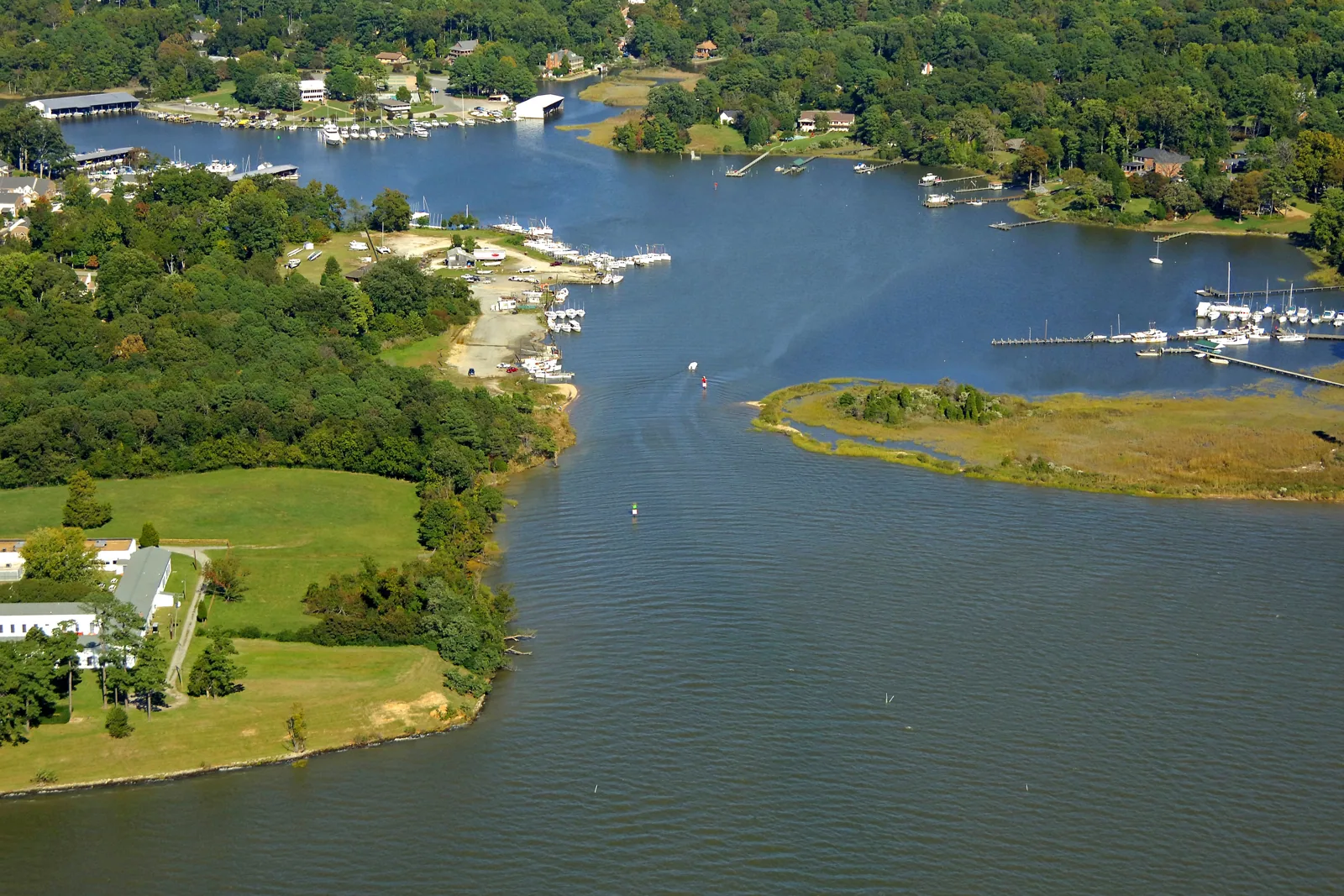
Wet insulation under a commercial roof in Deep Creek usually means a seam, flashing or curb has been letting water in, sometimes for a long time. The visible opening is often much smaller than the soaked area underneath. We inspect and repair commercial membrane and metal roofs throughout Chesapeake, VA. A temporary seal stops new water while we figure out how far the damage goes. Then we replace the wet layers and fix the leak, rather than just patching the surface.
Deep Creek sits along US 17 Business, where a drawbridge crosses the Dismal Swamp Canal. When you call, tell us the building address, where water is showing up and which rooms need protection. The building manager confirms roof access. We inspect the roof, connect the leak inside to its source on the roof and note any areas we can't confirm without opening them up.
Confirming where the insulation is wet
Insulation can stay wet long after a storm passes, even under a membrane that looks fine. A walk across the roof won't always tell us how deep the moisture goes. We start with a visual inspection, then use infrared scans or moisture meters on suitable roofs to find likely wet areas. Those readings need to be interpreted carefully, since equipment and roof construction can affect them. We confirm suspicious areas with small core cuts before deciding how much to remove.
Our infrared moisture survey helps target those checks. Buildings in South Norfolk get their own testing. We show you what we've confirmed is wet and what still needs checking. That way, you know how much needs to be removed before materials are ordered. If we find more damage once the roof is open, we explain it before expanding the repair. The roof stays sealed while we work out the changes.
Fixing the leak that caused it
Replacing wet insulation without fixing the leak just sets up the next problem. A failed seam near a drain, a cracked pipe boot or a loose curb flashing can all let water in. We check those details and compare them with when and where you've seen leaks inside. Water can travel through the roof layers before dripping inside, so the stain may be well away from the actual entry point. We use that interior stain as a starting point, not as the outline of the repair.
Our roof leak repair work finds and fixes the entry point. Properties in Great Bridge get their own inspection. Sometimes HVAC condensate or plumbing is the real cause, and those belong to a different trade. Old sealants and patches may hide the real problem, so we may need to remove them. If something can't be confirmed without opening the roof, we say so. The leak repair and the insulation replacement are planned together.
Replacing wet layers the right way
Wet insulation and cover board usually have to come out before the roof can be properly repaired. How deep we go depends on what testing shows and what kind of roof system you have. We note which layers are damaged and which can stay. Laying new membrane over wet insulation traps moisture and leads to rot, rust and blisters. Flashing and edge metal also need solid backing, so we plan those before opening the roof.
Our insulation and cover board replacement follows what testing finds. New layers can change the roof height at curbs and edges, so we check that before ordering. If we find more damage during removal, we show you where and why. We choose repair materials that work with the existing roof. If other trades need to do work, we coordinate while keeping the roof sealed. The new section has everything it needs to stay watertight.
We also look at where the new insulation meets the old. That transition needs solid support and proper flashing, not just patched-in pieces. You'll know about those requirements before we expand the repair area.
Protecting the building during the work
Opening the roof to check or replace insulation exposes the building to rain and debris. The building manager tells us which areas need protection and how we can move materials in and out. If ceilings or electrical equipment got wet, your maintenance staff or an electrician should check them before interior repairs. We only open what we can seal that day, and we set up temporary protection before starting. Materials and any other trades need to be ready too.
When we handle moisture repairs over occupied spaces, we schedule work so rooms stay protected. For government and public buildings, the facility contact sets the access rules. We check moisture and temperature before installing new materials, since each product has its own requirements. If we need to pause, the roof stays sealed and we explain what has to happen before we resume. HVAC and other service work can pick up once the area around the repair is ready.
After the repair
When the work is done, you get a record showing where we fixed the leak and which layers we replaced. Areas of old roof next to the repair are marked clearly. We give HVAC and maintenance crews tips on avoiding damage to the new work. Drainage or traffic problems we noticed are noted for future maintenance. Interior and equipment repairs stay with the right trades, and they'll know when the roof is ready. Ceilings and finishes shouldn't go back until moisture and safety are checked.
Our roof condition reports for Deep Creek properties show exactly what was done. If damage is spread across the roof, we'll tell you if replacement makes sense. If a new leak appears, we inspect it fresh. New condensate leaks or damaged flashing may need a different fix. You can report leaks nights, weekends and holidays, and we'll confirm when we can get there based on your access. A temporary seal can protect the building while we wait on test results or materials.
The record also shows the difference between a roof that looks dry and the layers we actually confirmed and replaced. That keeps future repairs based on real conditions, not guesses.
Buildings near the canal and rivers see heavy rain, so it's worth checking drainage after big storms, especially where a low edge meets a wall or parapet. After a storm, check whether water got inside, backed up at a drain or crossed a seam. Photograph the roof and any interior signs separately, then compare them with the drain layout. That helps tell a clogged drain from a seam or flashing leak before the repair is priced.
Commercial Roofing Questions
If the roof looks dry, could the insulation still be wet?
Yes. Insulation can hold water long after a storm. We use scans and core cuts to confirm what's wet before deciding what to replace.
Why fix the leak and the insulation at the same time?
Replacing wet insulation without fixing the leak just lets it get wet again. We find and repair the entry point along with the damaged layers.
How do you decide how much insulation to remove?
We confirm wet areas with testing and check how the new layers will tie into the old roof. If anything is uncertain, we explain it before you approve the work.
How do you protect the rooms below during the repair?
We set up temporary protection first, only open what we can seal that day and coordinate access and work areas with the building manager.
What records will we have after the repair?
A record of where we fixed the leak, which layers were replaced and where the new roof meets the old. New leaks are inspected fresh and compared with those records.
Wet insulation in Deep Creek? Find the source
Send us the Deep Creek address, what you're seeing and any rooms that need protection. We'll trace the leak and send photos with a short explanation of the repair.