
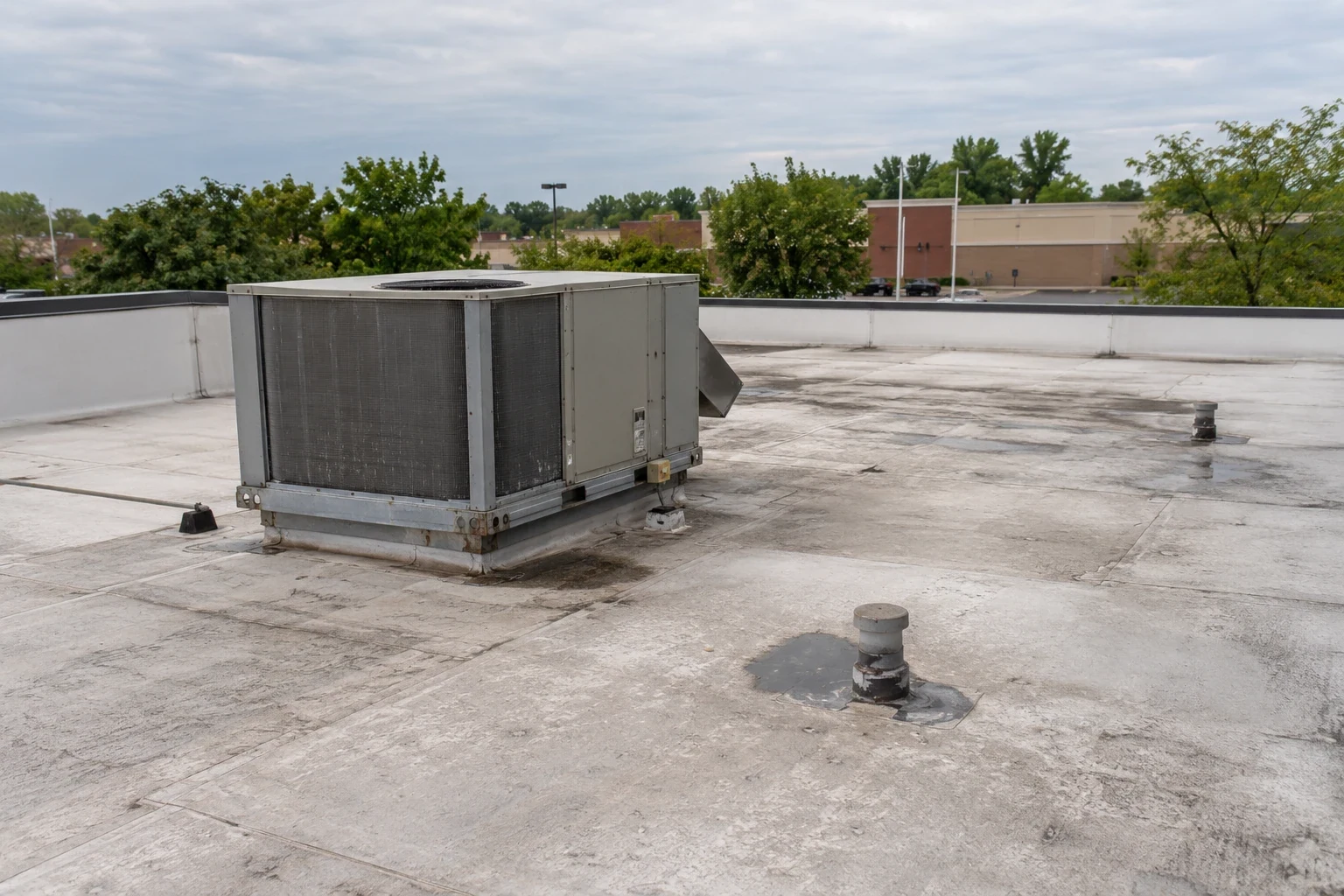
Water dripping below a restaurant exhaust curb in Chesapeake can come from failed roof flashing around the curb, or from the exhaust fan itself. Finding out which one it is saves time and money. We repair roofs for retail stores and restaurants around Chesapeake, VA, separating roofing problems from equipment and interior issues. If the wood or insulation under the curb is damaged, it has to be fixed before new flashing goes on. Customer entrances and deliveries are protected according to the operator's rules, and photos show the damage and how we will fix it.
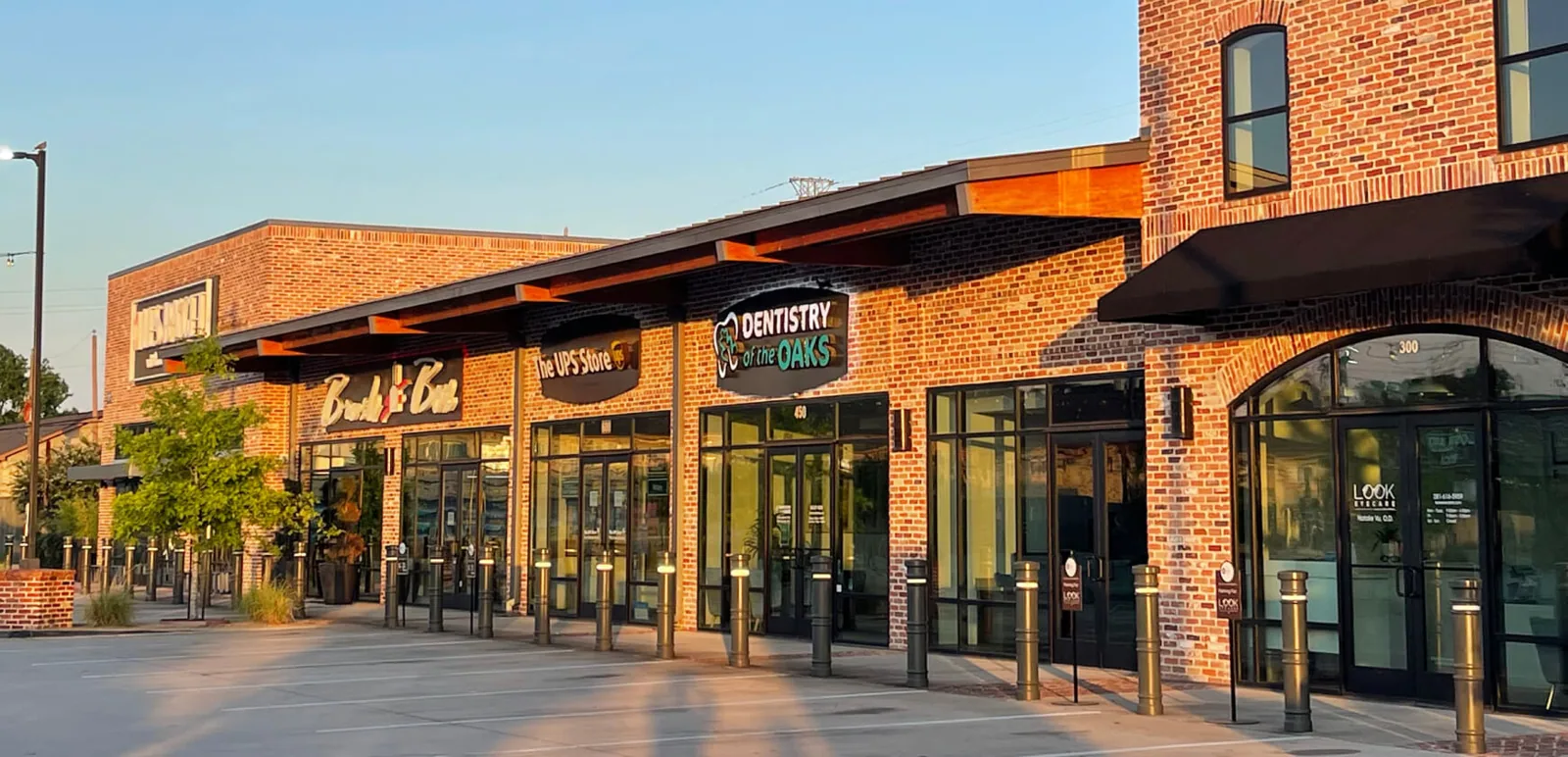
We also serve retail and restaurant properties in Virginia Beach and Great Bridge. A chain location in Chesapeake's Greenbrier commercial area still needs its own roof inspection. The operator confirms equipment and access details for the building. We inspect the roof before choosing materials or assuming what happens inside. Recent service records can point us to a particular fan or unit. Tell us when the water appeared and what got wet first, and send any photos of the roof near the leak. That helps us define the repair without using another location's history.
Curb Leak or Equipment Leak?
An equipment curb joins the roof to the unit that sits on it. Damaged flashing can let water in even when the unit itself is fine. The unit can also leak through its own housing or ductwork, even when the roof flashing is sound. We inspect both before choosing a repair. The equipment technician checks the unit if it might need its own fix, and we coordinate that before opening the roof. You get a clear answer on whether the problem is the roof, the equipment or both.
Our restaurant roofing inspections start with the exhaust curbs, which take a beating from grease and heat. Jobs in Greenbrier get their own inspection of the units and membrane. A ceiling stain does not show the full water path, so we compare it with when the leak happens and what got wet. A roof patch should not hide an equipment leak, and servicing the fan does not repair damaged membrane at its base. Photos tie the opening to the repair, with any equipment work listed separately.
Checking Under the Curb
Water that gets in beside a curb can soak the wood and insulation hidden under the membrane. The visible opening does not tell us how far the damage goes. We check with methods suited to the roof, and moisture readings can show where to cut a core. Equipment layout and curb height affect how we read the results. Confirmed damage is replaced, and anything still uncertain is flagged. New flashing needs solid wood behind it, so that comes first.
Our insulation and cover board work under curbs follows what we find. For buildings run by a property management company, each property is inspected on its own. More damage found when we open the roof is photographed and added to the repair. Sound insulation stays. If new insulation changes the roof height at the curb, we plan the flashing for it before ordering parts, rather than covering damaged material with new membrane.
Keeping Customers Safe
Store and restaurant entrances, drive-throughs and delivery doors may sit under the roof work. The operator tells us which areas need protecting while materials move. We set up work areas with the manager, and the equipment technician's schedule may affect when a curb can be opened. Material is carried across the roof without damaging the surface or other units. Each day's work is closed up with temporary dry-in. If water has reached ceilings or wiring, the right trades inspect those.
Our occupied building reroofing plans each phase around store hours and customer traffic. A hospitality group property gets its own room and access plan. Roof progress is coordinated with interior repairs rather than assuming every finish can go ahead. Equipment technicians and replacement parts are scheduled with the roofing. If work has to pause, we explain why, and temporary protection is clearly noted while the permanent repair is completed.
Rebuilding the Curb Flashing
New curb flashing has to bond to the surrounding membrane and seal properly to the curb. We check the existing membrane and any old repairs before choosing the method. Old sealants, grease and worn membrane may need to be removed beyond the obvious damage. Where a bond is in doubt, a small test can settle it. The equipment technician confirms the unit is ready before we finish. New flashing cannot fix a damaged curb or rotten wood beneath it.
Our penetration flashing work treats the curb and nearby penetrations together. Corners and nearby vents can interrupt the flashing, and we check them before extending a patch over another problem. Flashing parts are sized to the finished curb height. The weather has to suit the repair method. You will see why the repair may extend past the damage in the first photo, with the reason for each part of the job.
Records for Every Location
When the work is done, we check the flashing seams and the tie-in to the surrounding membrane. Photos show the replaced materials and the completed repair at that location. Any equipment or interior issues are listed for the right trade. Equipment technicians should take care not to damage the new flashing or roof paths during service calls. If something changes later, we inspect the roof as it is then. One store's findings do not apply to every location in the chain.
Our roof condition reports describe the repair and who handles each open item. For a shopping center roof, the operator tells us about entrances and access. Interior repairs can go ahead once the roof is confirmed watertight. If water returns, tell us when and what got wet first. Photos of a curb or a weekend leak help us respond, and we arrange timing based on the problem and the access available.
Commercial Roofing Questions
Is the leak from the roof or the exhaust fan?
It can be either, or both. We inspect the curb flashing and the unit, and if the equipment is leaking, we tell you so your service technician can fix it.
Does grease damage the roof?
Yes. Kitchen exhaust grease breaks down many roof membranes over time. We check for it around curbs and recommend repairs or protection where it has collected.
Can you work without closing the store?
Usually. We plan work areas around entrances and deliveries and close up each day's work so the store stays open.
Why might the repair extend beyond the visible damage?
The new flashing needs sound membrane to bond to, and wet wood or insulation under the curb must be replaced first.
Can you handle multiple locations?
Yes. Each location gets its own inspection and records, with consistent reporting across the chain.
Stop leaks without closing your doors
Tell us which location is leaking and what equipment is nearby. We will inspect the roof and explain the repair with photos.