
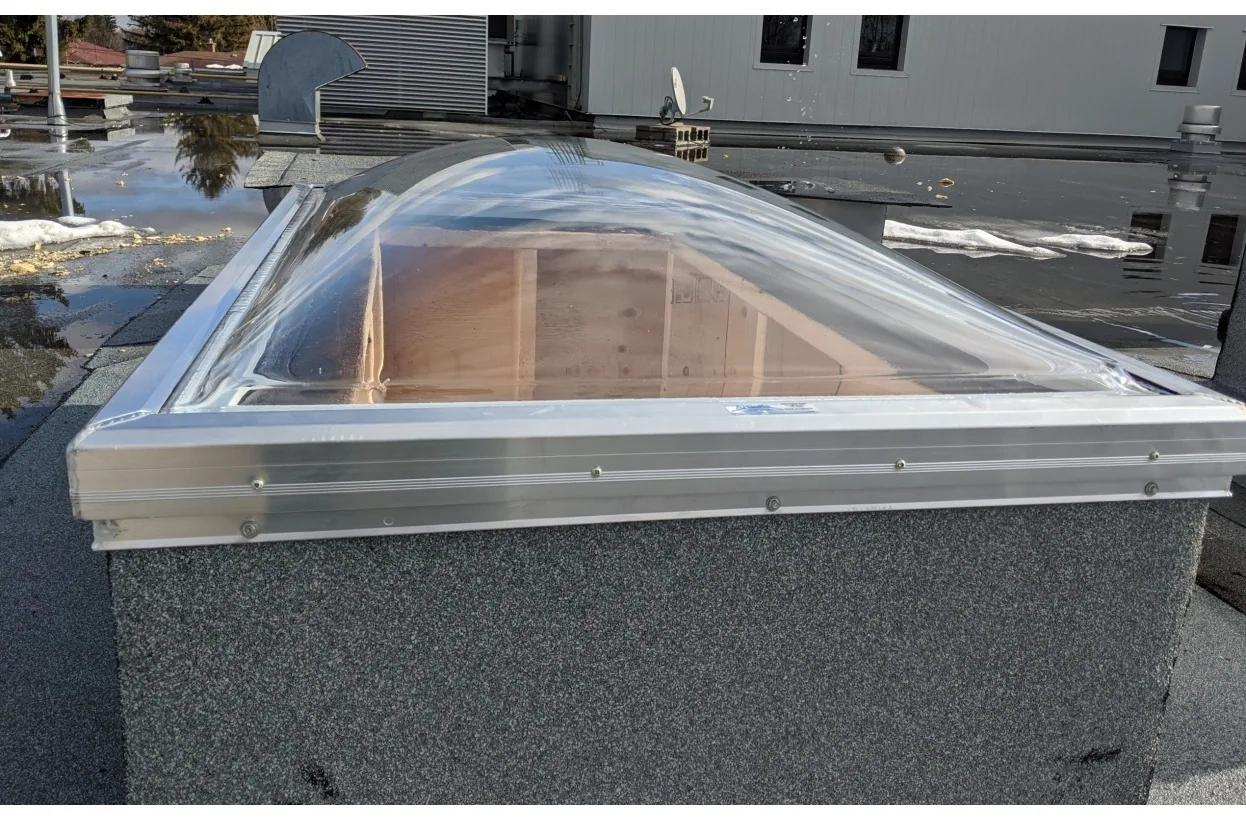
When the flashing around a pipe on an office roof lifts, rain gets into the gap beside the pipe. It can run through the insulation before it ever reaches the room below. Skylight and penetration flashing in Chesapeake starts at that spot.
We compare what we see on the roof with the leak inside and any information about the equipment. You need to know whether the flashing failed or something else is leaking. On an office building roof, tell us what's on the roof now and who can approve shutdowns. Counting pipes and skylights doesn't tell you how much work each one needs. The repair fixes the flashing and the insulation around the actual leak.
In the Greenbrier commercial area and across Chesapeake, flashing work starts with the specific building and operator. We review the roof details and who's responsible for the equipment. A failed pipe flashing may sit over wet insulation, and we confirm that before final quantities. If equipment has been changed, the flashing may need to change too, so the scope follows what's on the roof now. We identify the materials needed and any equipment that has to be removed first before the permanent flashing can go on.

Flashing problem or skylight problem?
A skylight frame, its curb and the roof flashing are three separate pieces. We check the roof flashing and the spot where water is getting in. If water inside is coming from the skylight glass, its seals or connected equipment, that needs a glazing or HVAC contractor, and we'll point you to them. A roofing scope shouldn't quietly include every equipment part. It lists the wood, flashing and seal work.
A commercial roof leak repair investigation compares the roof with the leak inside. The stain shows where to look but doesn't prove which penetration is leaking. Water can enter at one detail and travel through the insulation. We separate what we've confirmed from what still needs checking, and you see that before any parts are ordered. Otherwise a new flashing might go on a penetration that wasn't leaking. Finding the leak and checking the wet insulation are separate questions, and both shape the repair. Glazing repairs stay separate from roof flashing. If the curb size has changed, we re-measure. Photos show the frame, the curb and the membrane flashing together.
Measuring the penetration and checking the base
New flashing has to fit the penetration's actual size and the roof around it. We compare what we can measure with any drawings and roof records. A thicker roof can reduce the flashing height at a curb or pipe, and those rebuild decisions are made before parts are ordered. The same roof outline doesn't mean the equipment hasn't changed. Wood or insulation under the failed flashing may also need replacing, and the scope lists that work.
When a unit sits on the curb, our rooftop equipment curb and support work may depend on the HVAC contractor lifting or shutting it down. We note what roofing work is involved and what the HVAC contractor needs to do. The operator's limits are settled before we open the roof.
We agree on who protects the roof between visits, and you can schedule the curbs that are ready. Having a roofing crew available doesn't mean the unit can be shut down. The new flashing goes on once the base is solid and the opening has been measured. Finishing the field membrane elsewhere shouldn't close out a curb still waiting on the HVAC contractor.
Matching flashing to the roof membrane
On a TPO roof, pipes get pre-formed TPO boots or field-wrapped flashing welded to the membrane. We include cleaning, base prep and welding in the job. Old patches around the pipe may not bond to new material, and roofs that look alike don't always use the same parts. Compare finished flashings, not just square footage. Product and project requirements apply, and the roof has to be dry and warm enough to weld. The flashing should close the gap without hiding bad insulation under it.
A PVC roof skylight or penetration has its own prep and seaming requirements. When we propose another option, we compare the full insulation and flashing work. The same roof area doesn't mean the same labor at each detail. You'll see changes in materials and flashing height alongside the price. Accessories are matched to the specific product, not how the membrane looks. Old repairs may need to be identified before we order new parts. Each option should end with the same finished flashing, and approval of the system is separate from one part being delivered.
Wet insulation around the penetration
Wet insulation around a failed penetration has to be checked. We separate likely wet areas from confirmed ones before setting quantities. Confirmed repairs include disposal, new board and tie-ins to the existing roof, priced next to the new flashing. A new pipe boot won't dry out wet insulation underneath.
If damage extends further, we agree on how it will be measured and approved before opening more, and the roof is sealed every night. The finished repair needs solid insulation and the current equipment layout together.
Flashing work for roof penetration repairs in Greenbrier and Great Bridge starts with the building and its operator. We go over equipment limits and protection for the rooms below. If one unit is still waiting on the HVAC contractor, we keep it on the list while other penetrations move ahead. Material routes and work hours are planned with the job. Repeated setup may be needed when penetrations open at different times, and that's in the price before you approve it. The permanent flashing goes on where the base is ready. Photos show the flashing, the roof that stayed and the insulation we opened up.
What the flashing repair record should show
A commercial roof repair record should name each penetration we flashed and how. We keep photos of insulation repairs and the finished flashing. Inspections follow the products and project requirements. HVAC reconnection or glazing work is noted separately if it wasn't part of the roofing.
You get a clear record of the finished roof work, with open items listed. Interior repairs follow once each penetration is flashed. A new flashing doesn't prove every leak inside is solved, so any remaining sources are noted.
Installed parts and the current equipment layout go in your maintenance file. Warranty notice and alteration rules come from the actual documents; the membrane type doesn't tell you the term or coverage. We go over the relevant paperwork before pricing. If equipment changes later, bring current dimensions and drawings so the new layout can be compared with what we installed. Photos and a short summary make the finished work clear and connect the original leak to the repair we made.
Commercial Roofing Questions
What should a flashing repair request include?
Which pipe, vent or skylight is involved and where the leak shows inside. Equipment or skylight glass issues are listed separately.
Does a stain near a skylight prove the flashing failed?
No. We compare the roof details with when the leak happens and keep investigating if the source isn't clear.
Why check the current equipment size?
A changed unit or a thicker roof can change the flashing needed. We confirm the layout before ordering parts.
What if the insulation around the penetration is wet?
We confirm it and include removal and replacement with the new flashing.
What should the repair record show?
The finished flashing and inspections, with any HVAC, skylight or unsolved leak questions listed separately.
Leak at a pipe, vent or skylight?
Send us details on the equipment or skylight and where the water shows up inside. We'll check the flashing and explain the repair with photos.