
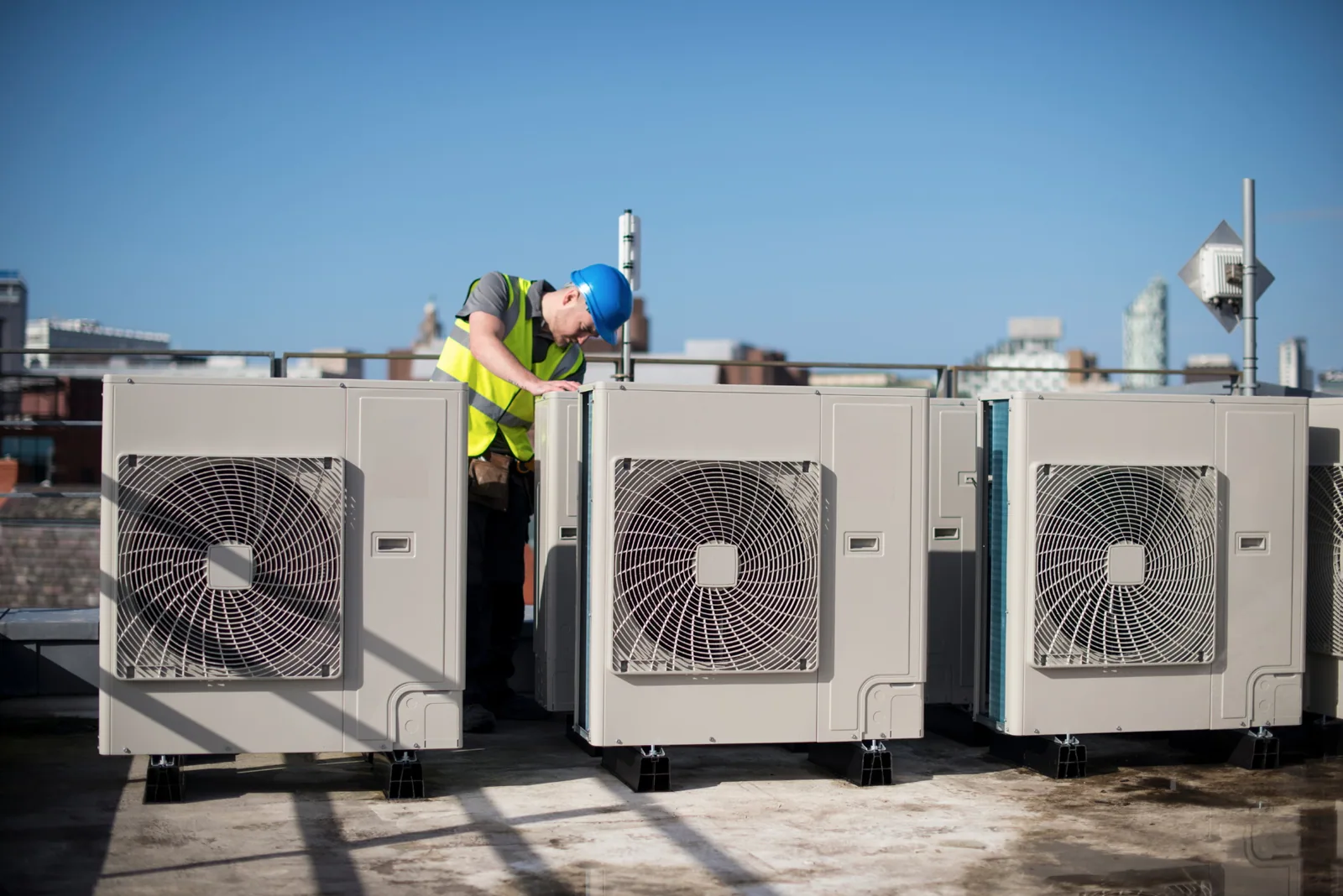
Loose flashing at a hospital rooftop unit curb lets rain run in beside the unit. The insulation around the curb can get soaked long before anyone sees a drip inside. Rooftop equipment curb and support roofing in Chesapeake starts at that curb.
We define the roofing work and what the HVAC contractor has to do, such as shutting down or lifting the unit, so we can fix it properly. Any insulation repair is tied to the finished flashing. On a hospital roof, we need the unit information and any limits on shutting it down. Counting units on the roof doesn't tell you which ones need lifting or new blocking. The repair fixes what's failing under the visible equipment.
At healthcare facilities, we need the specific unit and an operator contact. We go over which rooms are affected and what it takes to shut the unit down. Damaged insulation or wood may need replacing before the new flashing goes on. Equipment responsibilities are listed alongside the roof work and nightly protection. Sometimes another trade has to remove panels or lift the unit before we can flash it, and we schedule that with the work that's ready to finish. Roofing done elsewhere doesn't put an unfinished curb back in service. Our closeout lists the rebuilt flashing, the insulation condition and any equipment work outside our scope.

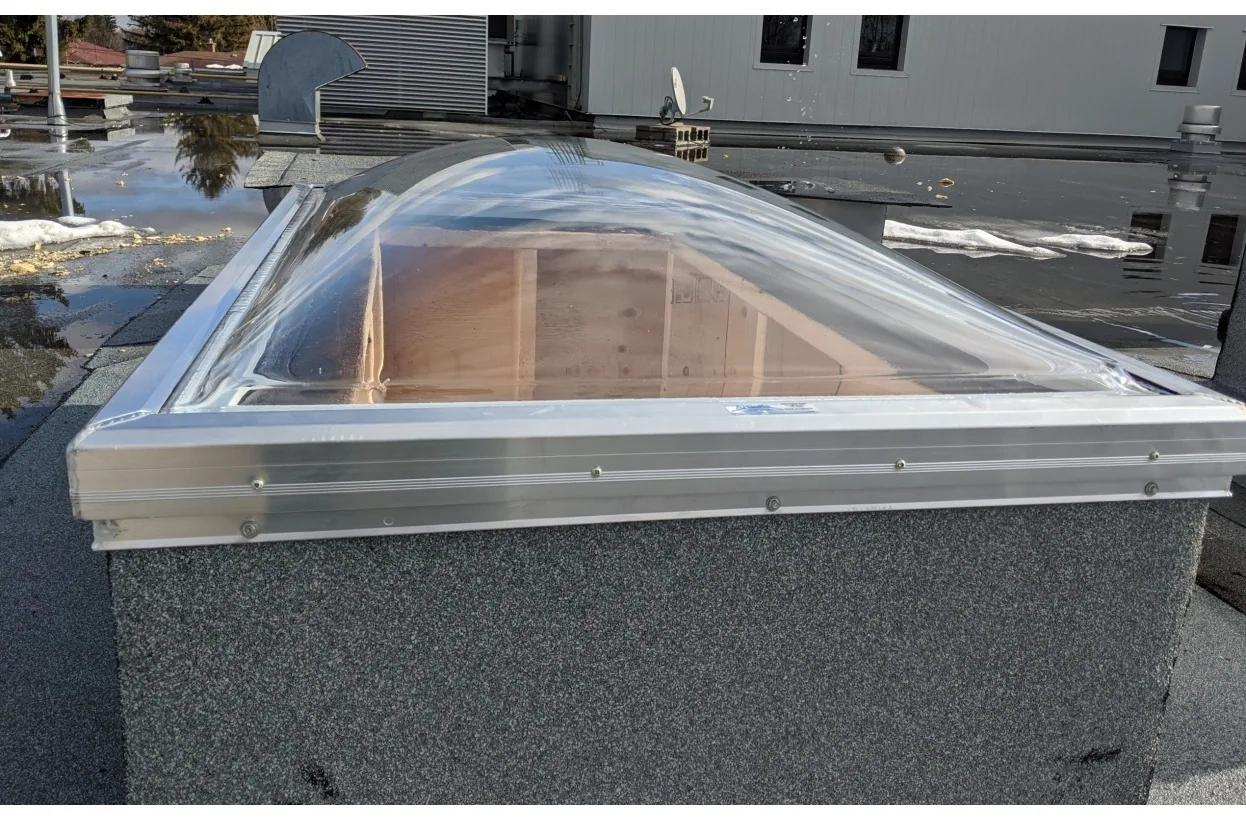
Curbs, supports and pipe penetrations
A curb, an equipment support and a pipe penetration are each flashed differently. We identify the specific detail, check its condition and compare it with any current drawings. Note the dimensions and layout used for the price. If the equipment is changing, the opening size and flashing materials may change too. The same number of units doesn't mean the same work if the units are different.
The scope lists prep, wood blocking and flashing separately, so the repair matches the equipment that will actually sit there. Open questions are settled before parts are ordered.
Our penetration and skylight flashing work follows the roof build-up and the unit's shape. We compare curb heights with the planned roof layers. Added insulation can reduce flashing height even when the roof area doesn't change, and you need that decision before flashing parts are ordered. Equipment and structural requirements stay with the engineer or HVAC contractor where needed; the roofing scope covers the flashing those decisions allow. A material count only helps once the finished flashing is defined, and it shouldn't hide insulation work under the curb.
Scheduling the unit lift or shutdown
To flash a curb properly, the unit sometimes has to be moved or lifted so we can reach the wood blocking. We name that task and who's responsible for it. A roofing price shouldn't quietly include crane lifts or reconnecting ductwork and electrical. You should coordinate the operator and the HVAC contractor directly, with their work scheduled before we open the curb.
Having our crew available doesn't mean the unit can be shut down. The roof gets sealed between visits, and the finished curb depends on the unit being ready.
Roofing work over occupied buildings with running equipment needs protection and approved work areas defined. We go over affected rooms and material routes before pricing the setup. Separate shutdowns can mean more setup, material moves and tie-ins, and those belong in the price rather than an assumption that everything is open. You can schedule curbs that are ready while a blocked unit stays on the list. A single roof date can't free every unit at once, and the roof still has to be dry enough for the new flashing.
Flashing the curb with matching materials
A TPO roof curb needs TPO flashing welded to the field membrane, with the right insulation and metal parts underneath. We compare the planned roof with the curb's shape once it's exposed. The existing roof may need to be identified before we pick accessories, because roofs that look alike can need different flashing products. Check product and project requirements before ordering.
A membrane price doesn't cover the curb flashing. The scope includes the wood blocking and flashing at each curb, so the repair actually fixes the leak instead of just covering it.
A PVC roof curb has its own prep and flashing requirements. We describe the changes in insulation and parts for each option. The same roof area doesn't mean the same labor at a unit. You can compare complete curb repairs with lift schedules included. Any alternative should cover the same equipment and protection. Approval of the roof system is separate from whether one sheet or part is in stock. The curb needs a solid base before the flashing goes on, and the finished work should fit the equipment that will sit there.
Wet insulation around the curb
Wet or damaged insulation around a curb has to be checked. We separate suspected damage from confirmed damage before setting quantities. Confirmed repairs include disposal, new board and tie-ins to the existing roof. New flashing doesn't fix wet insulation under the unit. Those tasks are priced next to the flashing work.
If damage extends further, we agree on how it's measured and approved before opening more. The roof stays sealed every night. The repair area follows what we find, not just the outline of the unit.
Rooftop equipment roofing in Greenbrier starts with the building and the unit. We talk with the operator about what's needed to shut the unit down or lift it. If the equipment is changing, we need current drawings before ordering parts so you can compare updated quantities with the original plan. Roofing work stays separate from unfinished mechanical or structural work, and the finished flashing follows the approved unit layout. Great Bridge is another area we cover, and every building there gets its own roof and equipment check. Nearby buildings don't tell you anything about a given unit setup, so our proposal ties each curb repair to the roof we inspected and the unit approved for work.
Handing the unit back
Our closeout lists which units we worked on and the roofing installed. We keep photos of insulation repairs and finished flashings. Inspections follow the materials and project requirements. Any lifting or reconnection by other trades is noted separately.
You get a clear record of the roof work, not a general note that the unit is done. Interior repairs follow once each curb is finished. Finishing the field membrane doesn't close out a curb still waiting on the HVAC contractor, and unfinished items stay on the list.
Warranty documents set the notice rules and any limits on changes at the curb. Keep any warranty terms with the work that was actually installed. Maintenance records should list the installed products and the equipment layout. If the unit changes later, the new size and flashing details need to be identified so you can compare them with the finished work. Photos and a short summary show how the original leak was fixed, and open insulation or paperwork items stay separate from finished work.
Commercial Roofing Questions
What should a unit count come with?
The current equipment layout and the flashing needed at each curb, with lifts, supports and HVAC work listed separately.
Who arranges for the unit to be lifted or shut down?
The building operator and the HVAC contractor. We schedule our roofing around their work and seal the roof between visits.
Can new or different equipment change the scope?
Yes. A different unit can change the curb size and flashing. We review current dimensions before ordering parts.
What if the insulation around the curb is wet?
We confirm it and include removal, replacement and tie-ins alongside the new flashing.
What should the closeout show?
The finished curb flashing and inspections, plus any HVAC reconnection or insulation work still pending.
Leak at a rooftop unit curb?
Send us the current unit information and when equipment can be shut down. We'll check the curb flashing and explain the repair with photos.