
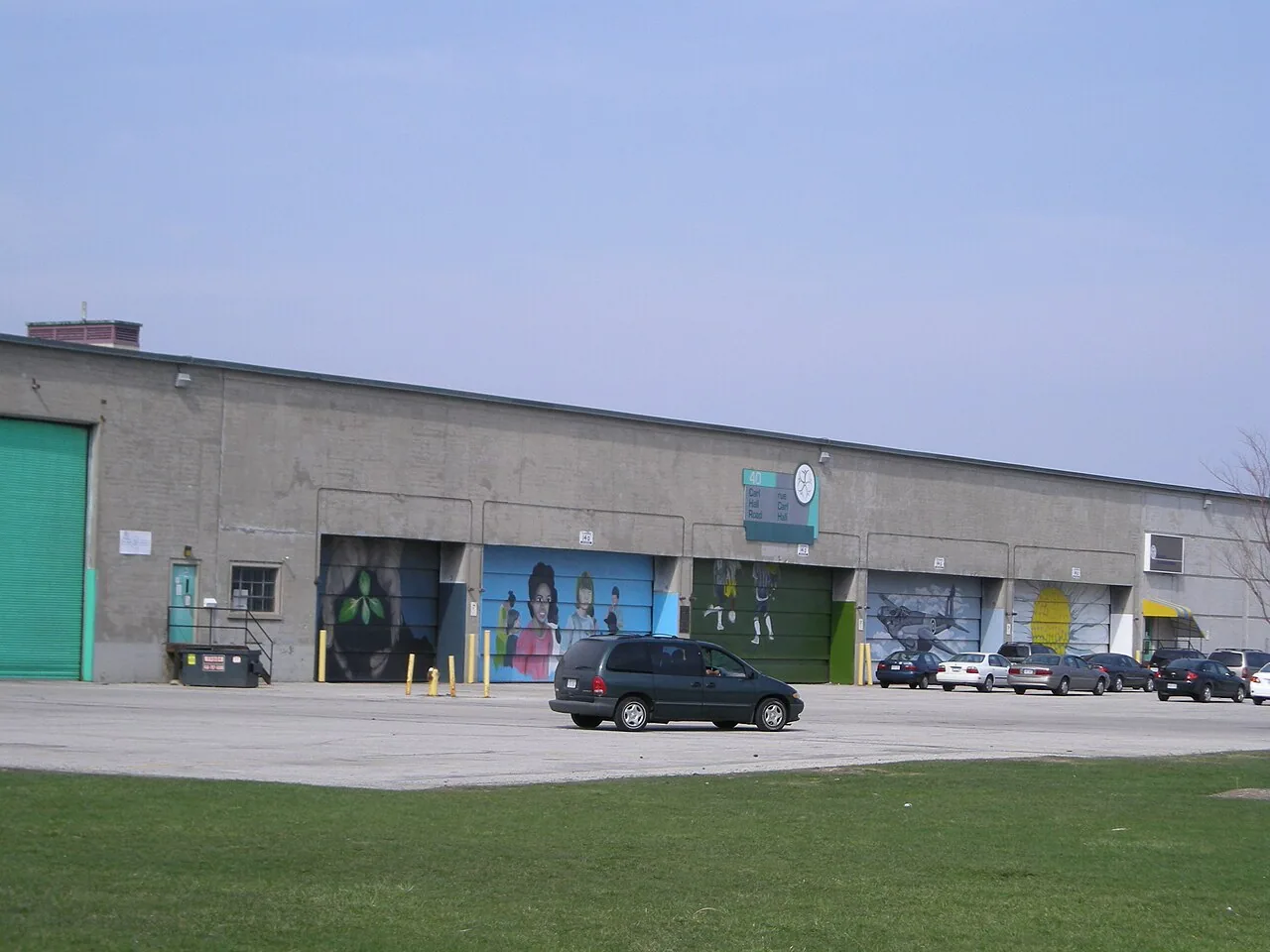
Military warehouses and depots store everything from vehicle parts and electronics to uniforms, supplies and records. Much of it is expensive, some of it is mission-critical, and a lot of it is sensitive to water. These buildings usually have large, low-slope roofs that have been repaired many times. The leaks we see most often on them come from laps that have opened, sometimes at an old patch that was only stuck over the surface. Water gets in at the lap, soaks the insulation and drips onto racks or pallets somewhere down the line.
On a big storage roof, finding the leak takes care. Water can travel along the deck before dripping, so the wet pallet may be well away from the opening. We inspect the laps and seams near the problem area, look for old patches that are failing, check drains and test the insulation for moisture. You get photos and a written repair plan, along with a phasing plan that keeps stored contents protected and fits the base's rules for access, deliveries and lifting. If an emergency patch is needed to protect material right away, we can do that first and plan the permanent repair separately.
Repairing open laps properly
A lot of lap leaks on older roofs come from earlier patches. Someone stuck a strip of tape or a coat of mastic over an open lap, and it held for a while before the edges lifted. A new patch over the old one usually fails the same way. A lasting repair removes the old patch, cleans the membrane back to sound material and rebuilds the lap with products that match the roof, extending well past the damaged area on each side.
Our seam failure repair work covers rewelding or re-adhering laps and replacing sections of membrane that are too weathered to bond. Before the lap is closed, we need to know whether the insulation under it is wet. An infrared moisture survey can map wet areas across a large storage roof, and we confirm the results with core samples. Wet insulation is replaced before the new lap goes on, so the repair sits on dry, solid roof.
Protecting stored contents
Before any section of roof is opened, we work with the warehouse manager to identify which racks, rows or storage areas sit below each phase. Contents may need to be covered with plastic, moved to another area or temporarily relocated, depending on what they are and how sensitive they are to water and dust. Debris and fasteners can fall during tear-off, so forklift traffic and workers are kept clear of the area below active work.
With our roofing for occupied buildings approach, open roof is kept to a minimum and closed up nightly. Phases are sized so they can be opened, repaired and closed in one day.
If rain is in the forecast, we limit what is opened. Interior protection stays in place until the section above has been closed and checked after the next rain. The warehouse manager gets a short daily update on what is open, what is protected and what comes next, so storage operations can plan around the work.
Deliveries and lifting on base
Getting roofing materials onto a military warehouse roof involves more than calling a crane. Delivery vehicles need approval, routes have to avoid restricted areas and active loading docks, and crane locations and lift times have to be agreed with the facility. Some buildings have security requirements that limit when and where we can work. We plan all of that in advance with the facility contact, so deliveries arrive when they are expected and lifts do not interfere with base operations.
Our military installation roofing page covers worker clearances, vehicle access, safety plans and coordination with base staff. On the roof, materials are staged in agreed areas and weighted down against wind. Debris is removed daily through an agreed route. If base operations change and the crew has to stop, the roof is closed up watertight before we leave. Facility staff are told the same day about anything unexpected, such as a damaged deck.
Storage buildings around Norfolk
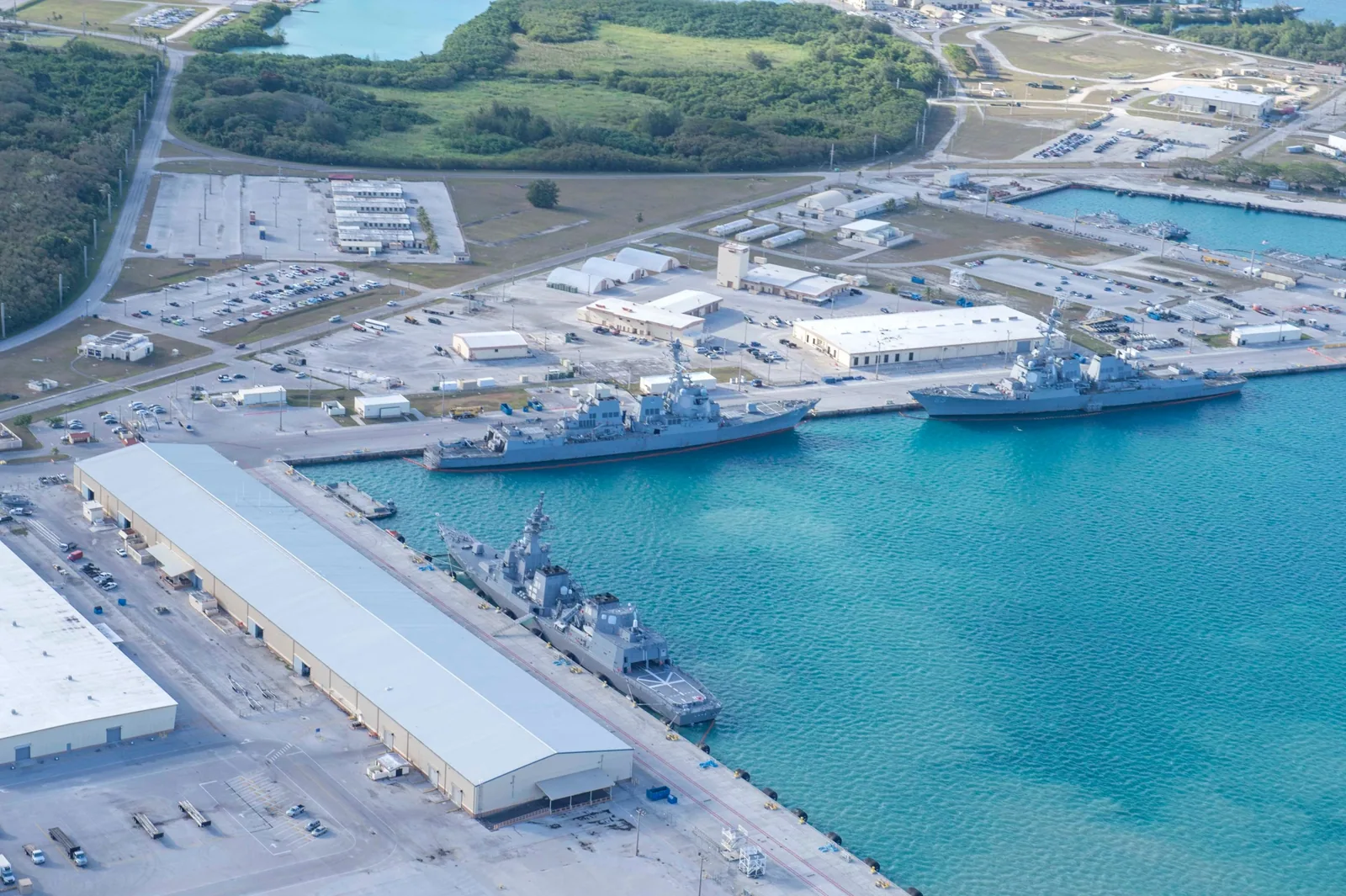
Naval Station Norfolk and other installations in Hampton Roads have warehouses, depots and combined office and warehouse buildings of many different ages. Uses change over time: a building that once stored supplies may now hold offices or equipment. We inspect the specific building and storage area named in the request rather than assuming it matches its neighbors or its original use.
For warehouse and depot roofing coordinated near Norfolk, the facility contact identifies the building, the affected storage areas and any access or security requirements. We confirm the roof system, inspect the laps, drains and details, and check the insulation for moisture. Where drawings exist, we compare them with the roof today.
The proposal spells out the work, the materials, the phases and how stored contents will be protected. Items that depend on other trades or design decisions are listed separately. Anything that differs from the approved design is documented and sent for a decision before the work changes. Photos are labeled by roof area and storage location below.
Related buildings and records
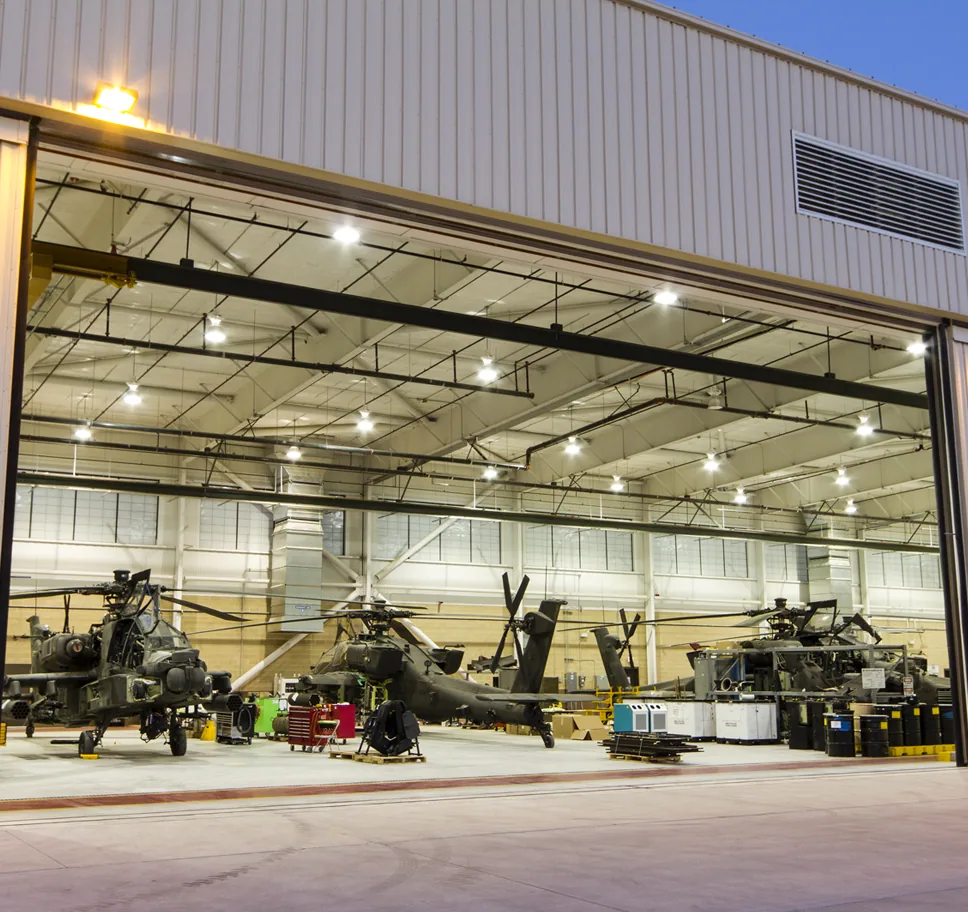
Maintenance facilities and hangars often sit near depots and share their need to protect expensive equipment below. Our military hangar and maintenance facility roofing page covers door-head leaks, metal panel laps and aircraft protection. The same care with debris and phasing applies to depots that store aircraft parts.
Commercial warehouses share the large-roof and stored-goods concerns without the base access requirements. Our warehouse roofing page covers those buildings. At the end of every depot project, the facility receives photos, a roof plan of the work, a list of materials and notes on anything other trades still need to handle. Regular inspections and drain cleaning in spring and fall, plus checks after major storms, keep small lap problems from reaching stored material. A short report after each visit helps the facility plan maintenance funding.
Commercial Roofing Questions
Why do our laps keep leaking after they are patched?
Surface patches over open laps often lift at the edges. A lasting repair removes the old patch, cleans back to sound membrane and rebuilds the lap with matching materials.
How are stored contents protected during roof work?
We identify what is below each phase, cover or move contents as needed, keep forklifts clear of active work and seal the roof every day.
Do you need to check for wet insulation before repairing a lap?
Yes. A new lap over wet insulation will not last. We use moisture surveys and cores to find wet areas and replace them first.
How are deliveries and crane lifts handled on base?
We arrange vehicle approvals, delivery routes, crane locations and lift times with the facility in advance so they fit around base operations.
What if the building's use has changed since it was built?
We inspect the building as it is used today, so protection and phasing match the current contents and occupants, not the original design.
Have the military storage roof inspected
Tell us which building and which storage areas are affected. Once access is arranged, we will inspect the roof and send photos with a plain repair plan.