
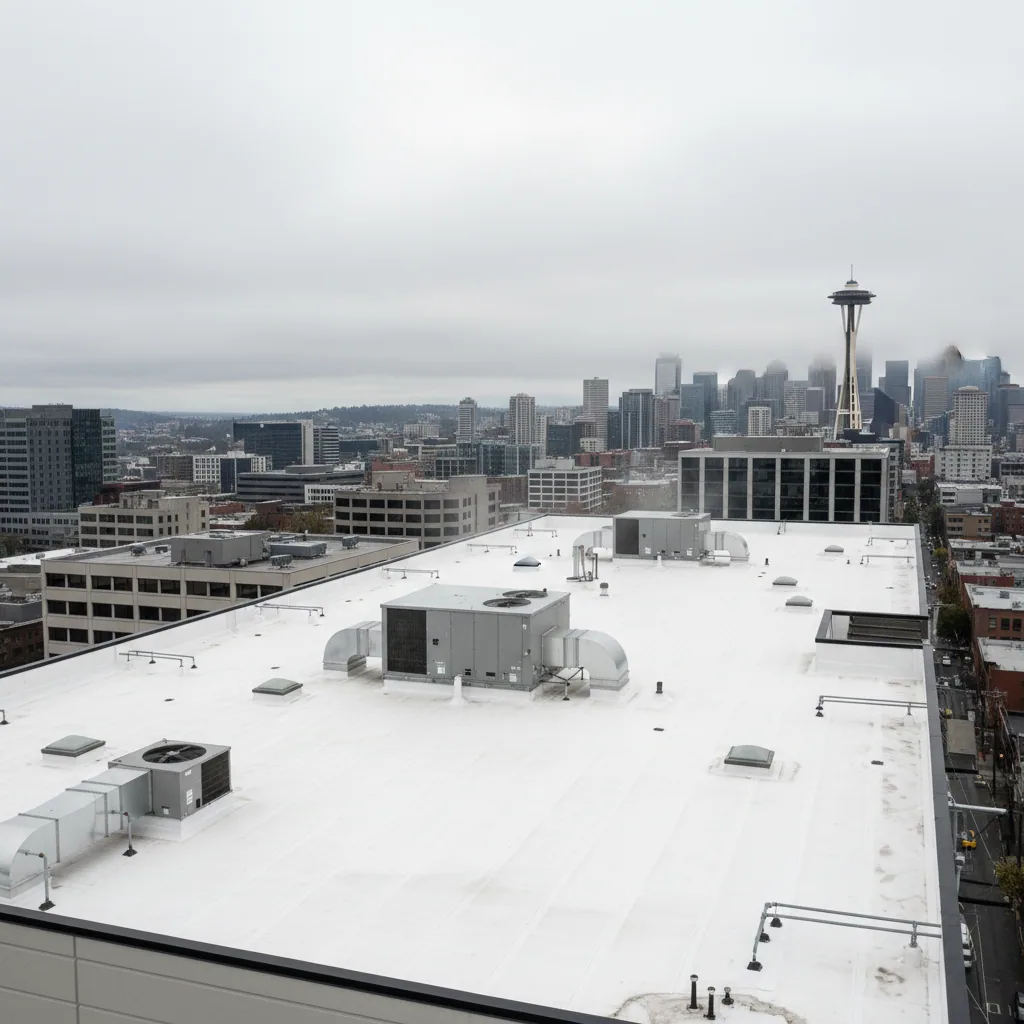
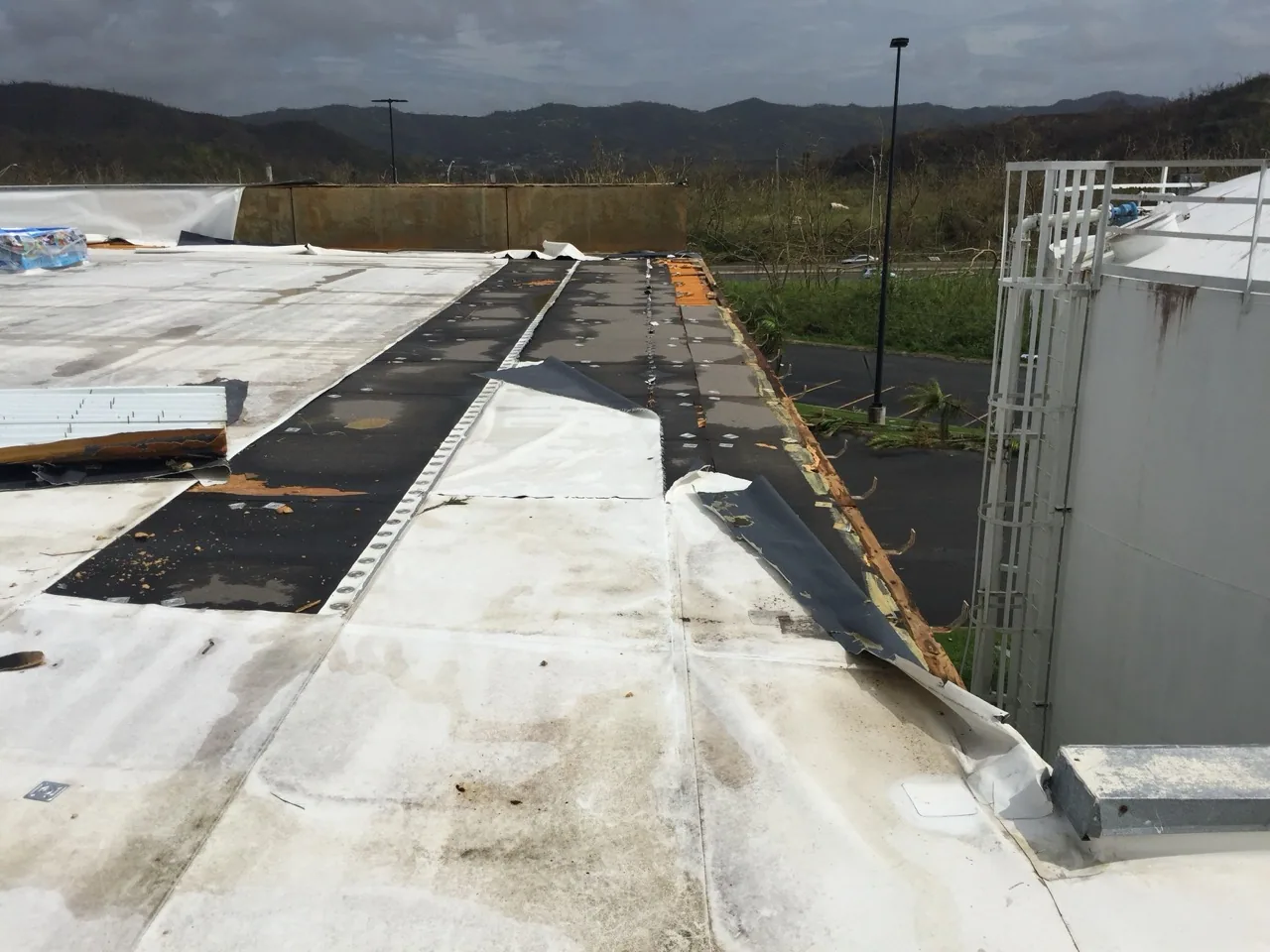
When a seam opens on an office roof in Chesapeake, wind-driven rain gets in, and the water may run under the membrane for some distance before it drips into a room. We repair failed seams on commercial roofs by working from the seam itself. We find where it opened, check the membrane on both sides and make sure there is sound material to rejoin. A visible gap needs clean, compatible membrane around it for a lasting repair. We also check whether the insulation or attachment underneath has been affected, so the seam repair has something solid to sit on.
Every commercial roof in Greenbrier and across Chesapeake needs its own seam inspection. Tell us the building and the area first, so we can plan access. An earlier patch or the membrane brand gives us a starting point, but it does not tell us what repair method suits the seam today. Send us photos of the lifted seam and where water shows up inside. We trace the opening, check the membrane and explain the prep needed before any new repair goes on. If we suspect wet insulation, we confirm it before setting the final repair.
Preparing the Seam Surface
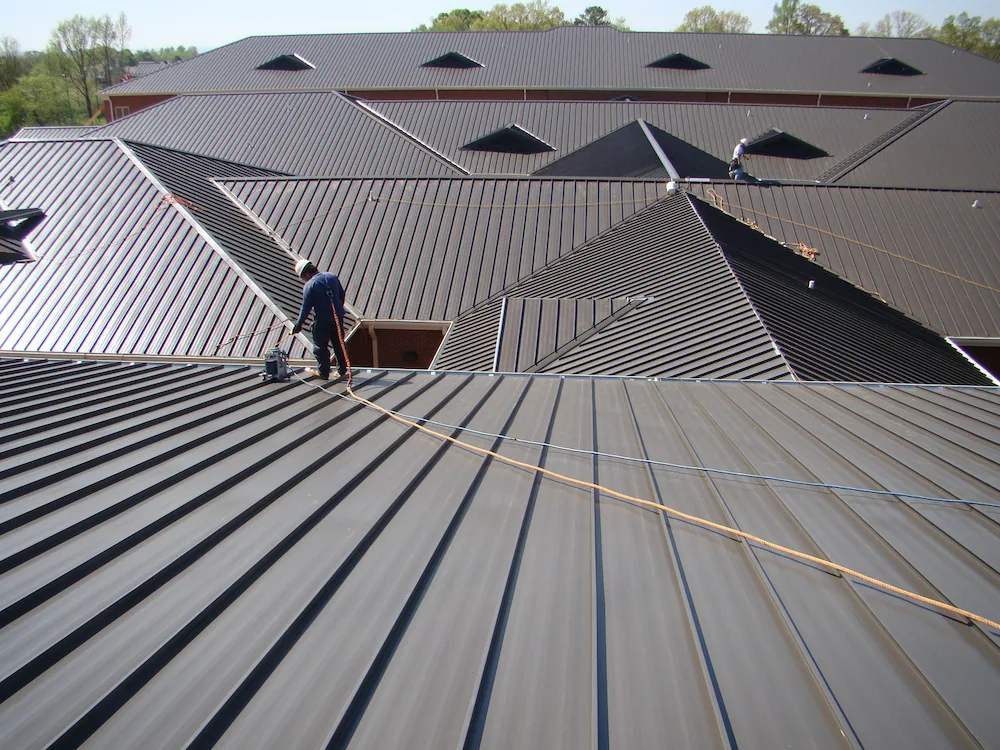
A dirty or weathered seam will not bond, no matter what material is used. We check the surface and clean or prep it to suit the membrane. Weathered membrane, old coatings or earlier patches may need to be removed to reach sound material. We decide the seam method, welding, adhesive or tape, after we know what we are working with. The estimate shows the prep work, rather than assuming every open seam can be fixed the same way at the same price.
Our commercial roof repair crews work with the membrane and seam type on your roof. TPO and PVC seams are usually heat-welded, while EPDM and modified bitumen use different methods and materials. The actual roof decides the repair. If we are not sure what an old patch is made of, we say so before scheduling. Knowing the membrane type helps, but the seam still needs to be inspected and the finished repair clearly defined.
Why the Seam Opened
Seams often open because the roof is moving. Loose fasteners or failed adhesive near the seam let the membrane flutter in wind, and that movement eventually pulls a seam apart. We check the attachment around the failed seam. Just closing the gap without fixing the movement means it will open again. We note what we see and recommend a closer look when needed. Structural questions go to an engineer. A lasting seam repair addresses both the seam and the attachment.
Our wind damage roof repair may be needed if we find loose edges or attachment near the seam. These are recorded as separate problems. A windy week does not explain every seam failure, so we report what we actually find. If the cause is not clear, we recommend more investigation before a larger repair. That keeps the seam repair focused while any nearby wind damage gets the attention it needs.
Water Under the Seam
Water that gets in at a seam can soak insulation well beyond the opening. When that would change the repair, we check with core samples, plan the openings with the building contact and protect the space below. Each opening is sealed the same day. We report confirmed wet areas separately from areas we have not yet checked. A dry surface does not mean dry insulation, so the decision to remove or keep insulation is based on what we find.
An infrared moisture survey can help find likely wet areas across the roof when conditions are right. A scan is a guide, not proof, so we confirm suspect areas with cores before setting quantities. Confirmed wet insulation is added to the repair. The report keeps confirmed areas separate from areas still needing a check, so neither a scan image nor a dry-looking surface takes the place of real findings.
Where Seams Meet Curbs and Walls
Where a seam runs into a curb or wall, the repair has to turn the corner. We inspect the transition instead of stopping the repair at a convenient line. Corners and old patches are common weak points and may need their own prep and materials. We include them in the repair plan, so you can see why the repair covers more than the straight section in the photo. If equipment needs to be moved or supports changed, we note it before any work starts.
Our flashing failure repair handles the vertical flashing at curbs and walls where needed. We check the termination and the membrane around it. If the HVAC contractor or another trade needs to be involved, we coordinate with them. We do not assume a curb is ready for a larger rebuild just because the seam repair was approved. The plan shows which work depends on which, so you can approve the prep before the connected detail is opened.
Working Above Occupied Rooms
For a healthcare building, the facility contact and work area need to be confirmed before we open a seam. We explain what we are doing and how long the area will be exposed. The facility sets the rules for rooms and equipment, and approval for one area does not cover another. A job in Great Bridge follows that building's access plan. The repair method has to suit the membrane, its condition and the time available. If a sensitive room or possible wet insulation is still unresolved, we list the next check before pricing a larger repair.
We compare where and when interior leaks appear with what we find on the roof. Water often travels before it shows up as a stain, so the stain may not be right under the open seam. We check the roof around it rather than assuming. If the leak might come from HVAC or plumbing, we say so. You get the confirmed roof problem and any open questions together. We fix the roof while the facility team protects the rooms below.
After the Repair
When the seam is repaired, we document where the work was done, how the surface was prepared and the materials used, including any corners or transitions. Any checks still needed are listed separately. We review the warranty for the repair. A closed seam does not decide warranty coverage on its own. Photos show the finished repair, so if a new leak appears, it can be compared with the work done, giving the next inspection a clear starting point.
Our preventive roof maintenance visits check repaired seams and the rest of the roof for new movement, new equipment and surface wear. New seam openings are recorded individually. Earlier repairs help us know where to look, but they do not decide the next repair. New patches or penetrations bring their own seam details. Future decisions are based on the roof's current condition, keeping completed repairs separate from new problems.
Commercial Roofing Questions
Can an open seam just be resealed with caulk?
Caulk or mastic can slow a leak temporarily, but it rarely lasts. A proper seam repair cleans the membrane and rewelds or re-adheres it with compatible material.
Why did my roof seam fail?
Common causes include poor original welding, loose attachment that lets the membrane flutter, ponding water, aging and foot traffic. We look for the cause so the repair holds.
Do you check for wet insulation at a failed seam?
When it affects the repair, yes. Core samples confirm whether water has soaked the insulation, and wet areas are replaced.
What happens where the seam meets a curb or wall?
We extend the repair around the corner and tie it into the flashing. Corners are common weak spots and need proper detailing.
What records do we get after the repair?
Photos, the repair location on a roof plan, the materials used and any recommended follow-up items.
Get a failed seam fixed properly
Send us photos of the open seam and tell us where water shows up inside. We will inspect the roof, find the cause and explain the repair.