
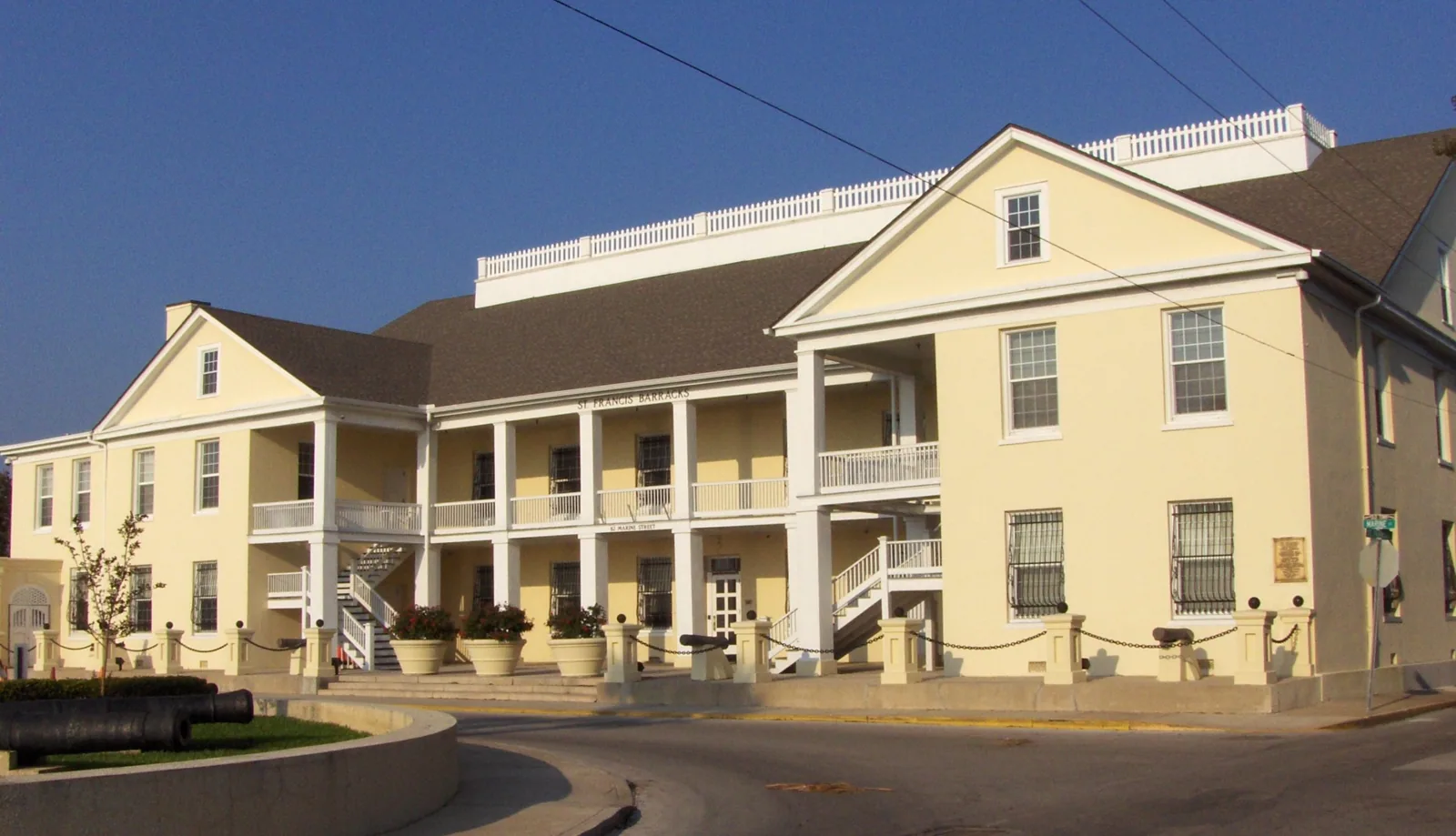
Barracks are homes. Service members sleep, study and relax in the rooms under the roof, often on irregular schedules, and a leak into a room means wet bedding, damaged belongings and a room that may need to be vacated. Many barracks in Hampton Roads are multi-story buildings with low-slope roofs, and the problems we see most often are at the roof edges. Edge metal loosens, the membrane at the perimeter pulls away, and laps near the edge open up. Water gets into the insulation at the edge and runs down into top-floor rooms or inside the exterior walls.
Coastal wind is hard on roof edges. Uplift is highest at the perimeter and corners, and every storm pushes on a loose edge a little more. A small opening can turn into a peeled-back section of roof in a single nor'easter. We inspect the edge metal, the wood nailer under it, the membrane and laps near the perimeter, and the insulation behind the edge. You get photos and a written repair plan, along with a phasing plan that minimizes disruption to the people living below.
Working above people's rooms
Before any section of roof is opened, we work with facility staff to identify which rooms sit under each phase and how residents will be notified. Some rooms may need to be temporarily vacated, and belongings near exterior walls may need to be moved or covered. Work hours are agreed in advance, with noisy tasks like tear-off kept to daytime hours and quiet periods respected for residents who work nights. Residents get notice before the crew arrives and again before any work that could affect their rooms directly.
Our roofing for occupied buildings approach keeps the open area small and seals each section before the crew leaves. Odor-producing adhesives are kept away from air intakes and open windows. Stairwells, entrances and walkways below the work are protected or closed with clear signs. Material is staged in an agreed area away from parking and common spaces.
Facility staff get a short update each day, and rooms under the work are checked after rain until the repair is complete. If a resident reports a new leak, we respond quickly and check it the same day where access allows.
Rebuilding the edge
Roof edge metal is only as strong as the wood nailer it is fastened to. On older barracks, the nailer is often wet or rotted from years of small leaks, and new metal fastened into it will not hold through the next storm. We remove the edge metal, replace damaged nailers, reattach the membrane at the perimeter and install new metal at the fastener spacing the design requires. Corners get extra fastening, since they see the highest wind loads.
Our edge metal and coping work covers flat edges, parapet caps, gutters and downspouts. Laps that have opened near the edge are repaired as part of the same job through our seam failure repair service, with the membrane cleaned and rewelded or re-adhered to sound material. Fixing the edge and leaving open laps a few feet in would just move the leak. We also use corrosion-resistant metal and fasteners suited to the coastal environment.
Wet insulation and drainage
Water that gets in at the edge soaks the insulation along the perimeter, sometimes for many feet. Wet insulation holds water against the deck, loses its insulating value and can feed leaks into rooms long after the edge is fixed. An infrared moisture survey can show where insulation is wet across the roof. We confirm the scan with core samples before deciding how much to replace, since recent rain and rooftop equipment can affect the readings.
Drainage often plays a part too. If the roof slopes toward the edge, water runs to the gutters or scuppers; if those are clogged or undersized, water backs up against the edge detail. We check that water leaves the roof quickly, clear or replace gutters and scuppers where needed, and replace wet insulation before new membrane is installed. Any deck damage found is photographed and reported before the work expands.
Barracks around Norfolk
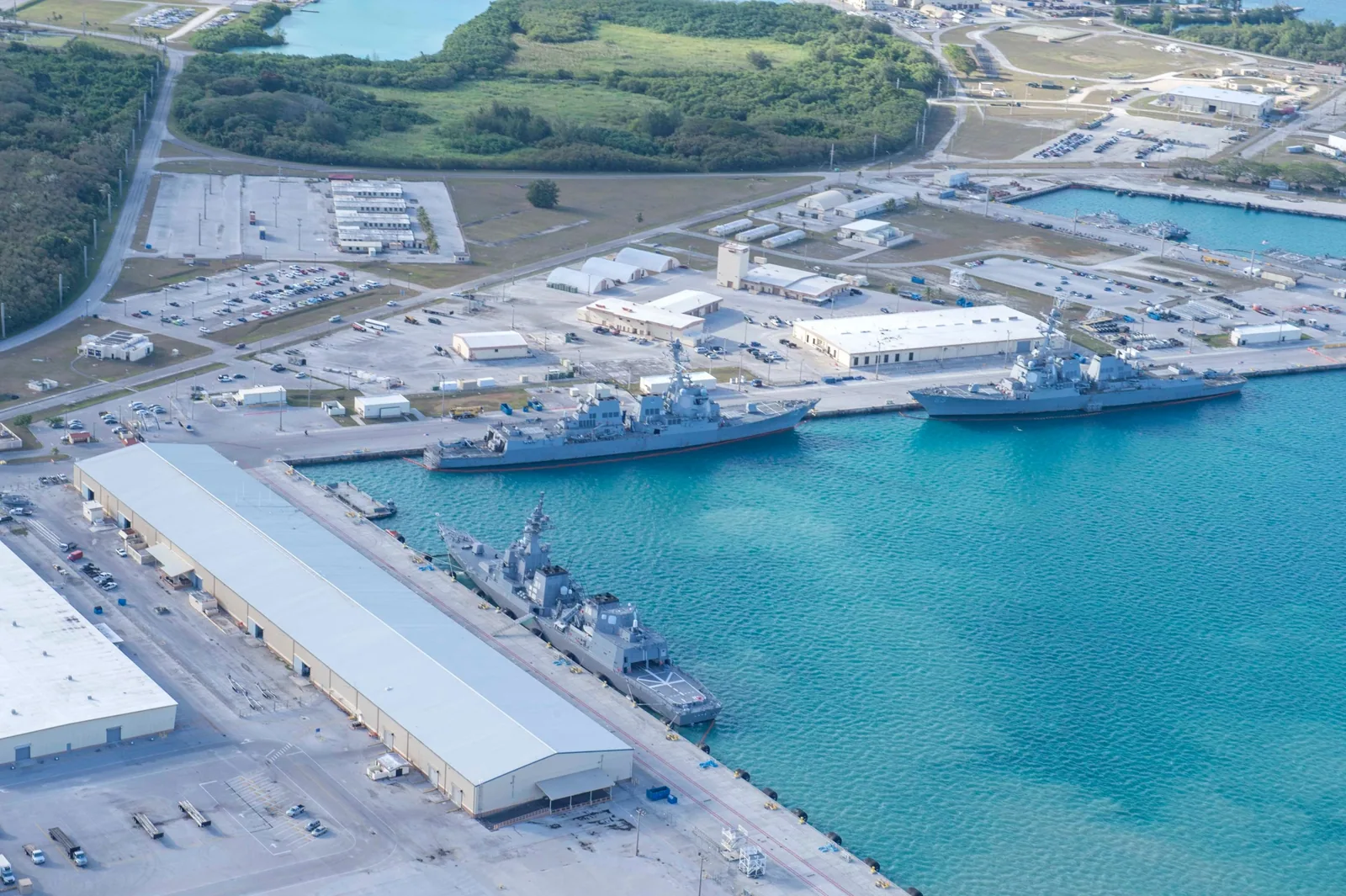
Naval Station Norfolk and other installations in Hampton Roads include barracks of different ages and designs. Each building has its own roof construction, repair history and access rules, so we inspect the specific building named in the request rather than assuming it matches the one next door. Older barracks may have been recovered once already, which affects whether another recover is possible.
For barracks roofing coordinated around Norfolk, the facility contact identifies the building, the affected rooms and any access, security or scheduling requirements. We confirm the roof system, measure the edge and perimeter details that need repair and check the insulation for moisture. Where older drawings exist, we compare them with the roof today.
The proposal lists the work, the materials, the phases and any items that depend on design approvals or other trades. Worker clearances, vehicle access and delivery routes are arranged with the base before we mobilize. When the opened roof does not match the approved design, we photograph and measure the difference and wait for a decision before changing anything. You get a scope that the contracting office can review and approve. Photos are labeled by roof area and the rooms below so facility staff can match them to maintenance requests.
Related military buildings
Army facilities in the region include barracks, offices and training buildings with similar roof problems. Our Army installation roofing page covers wall flashings, recovers and working above occupied rooms on those buildings. Naval buildings near the water face salt air and coastal storms, which speed up corrosion of edge metal and fasteners. Our naval facility roofing page explains how we handle drains, wet insulation and base coordination there.
At the end of every barracks project, the facility receives photos of the finished work, a roof plan showing what was repaired, a list of materials and notes on anything another trade still needs to handle. Those records help the next maintenance cycle and make it easier to track whether a new leak is related to earlier work. Inspections after major storms are especially worthwhile on barracks, because a loose edge caught early is a small repair.
Commercial Roofing Questions
Why do barracks roofs leak at the edges?
Wind uplift is highest at the perimeter and corners. Over time edge metal loosens, nailers rot and laps near the edge open up, letting water into the insulation and rooms below.
Can residents stay in their rooms during roof work?
Usually. We work in small phases, give advance notice, keep noisy work to agreed hours and seal the roof every day. Some rooms may need to be cleared briefly.
Why replace the wood nailer under the edge?
Rotted wood cannot hold fasteners, so new edge metal fastened to it will loosen in the next storm. We replace damaged nailers first.
Does drainage affect edge leaks?
Yes. Clogged or undersized gutters and scuppers back water up against the edge. We clear or replace them as part of the repair.
What if conditions differ from the approved design?
We document the difference with photos and measurements and get a decision from the facility or contracting officer before changing the work.
Have the barracks roof edge inspected
Tell us which building and which rooms are affected. Once access is arranged, we will inspect the edge and send photos with a plain explanation of the repair.