
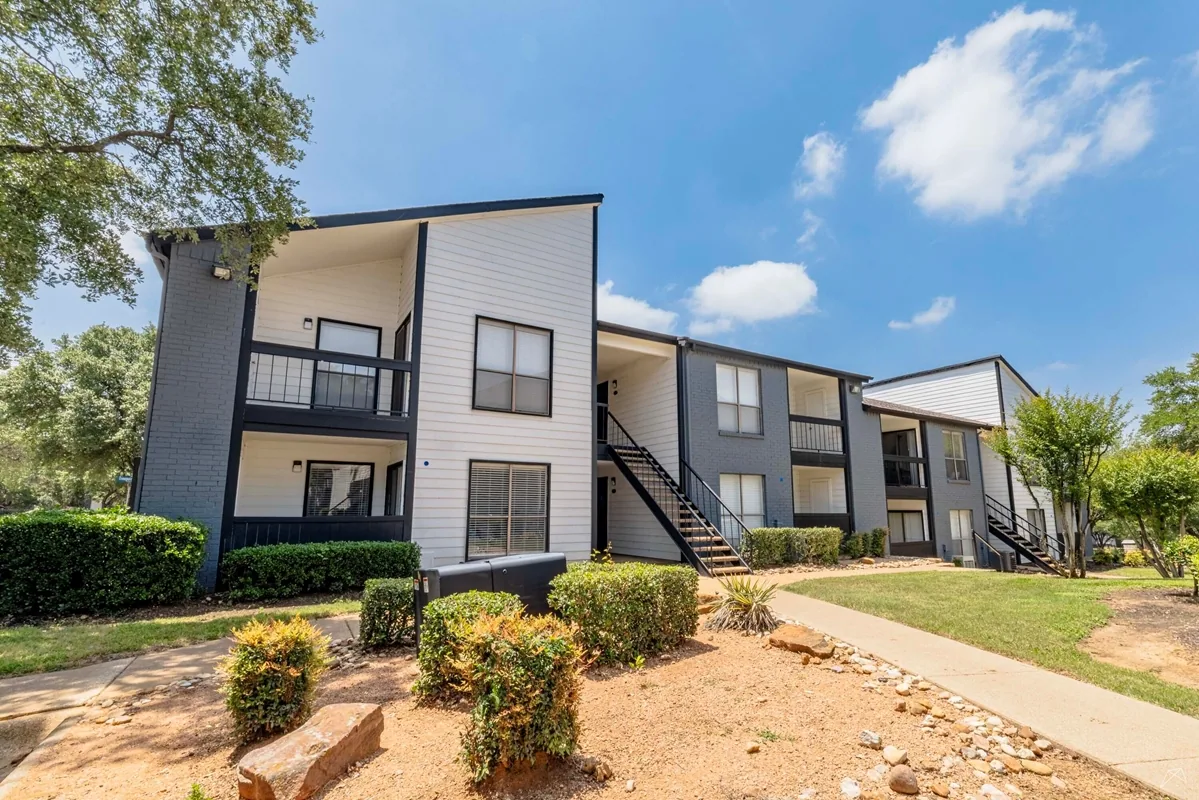
On apartment buildings, roof leaks quickly become resident complaints, and a single wet ceiling can mean a unit that cannot be rented until it is fixed. In Chesapeake, many of the leaks we trace on multifamily roofs begin with drainage. A drain or scupper gets partly blocked with leaves and debris, water backs up during a heavy storm, and it finds a weak seam or flashing nearby. The leak shows up in a top-floor unit, often after the rain has stopped and the ponded water has had time to work its way in.
We start by checking how the roof drains: the drains, scuppers, gutters and the low spots where water collects. Then we look at the seams and flashings close to those areas, since that is where most of the water gets in. Knowing which units leak, and whether it happens during every rain or only big storms, helps narrow it down. You get photos and a written explanation of the cause, the repair, and how we will handle notice and protection for the residents underneath.

Clogged drain or damaged roof
A slow drain can have two very different causes. Sometimes it is just debris, and clearing it fixes the ponding. Other times the drain body is cracked, the clamping ring is loose or the membrane around the drain has split, and water is getting under the roof right at the outlet. Clearing a drain like that improves flow but does not stop the leak. We check both: whether water flows freely, and whether the roof around the drain is sealed and sound. On buildings with trees nearby, we also recommend how often the drains should be cleared, especially in the fall.
Our roof drain and scupper repair service covers rebuilding the roof side of the drain, replacing clamping rings and strainers, and fixing wet insulation around the outlet. If the problem is inside the drain pipe below the roof, that is a plumber's job, and we tell you so. Many apartment roofs also have low areas that hold water for days. We note those spots and explain whether tapered insulation or extra drainage would help. Standing water that stays more than a couple of days after rain shortens the life of most roof membranes.
The seam next to the water
Seams near drains and low spots spend more time underwater than the rest of the roof, so they tend to fail first. A seam can look closed on the surface while it has a gap underneath that lets water wick in. We probe the seams in the problem area, look for wrinkles and stress, and check whether water has gotten into the insulation below. A patch over an open seam on top of wet insulation usually leaks again. It also leaves the wet board in place, where it can soften and let the membrane sag, which creates more ponding.
A proper seam failure repair means cleaning the membrane, removing old sealant or tape, and rewelding or re-adhering the seam with materials that match the roof. If the insulation around the seam is wet, we replace it first. We also look for the reason the seam failed, such as ponding or movement, so the repair is not working against the same problem again next season. If several seams are failing across the roof, we tell you, because a broader repair may cost less than a series of service calls.
Working above residents
Residents need to know when roofers will be overhead, especially for noisy work, adhesive odors or anything that affects their parking or entrances. We give the property manager a schedule ahead of time so notices can go out, and we keep work to reasonable hours. Crews are reminded that they are working above people's homes, and we keep the site tidy and quiet where we can. If HVAC units need to be shut down briefly, residents are told in advance, and we restart them as soon as possible.
Our roofing for occupied buildings approach covers phased work so only small areas are open at any time. Each section is sealed up before the crew leaves. If a unit below has an active leak, we coordinate with maintenance so ceilings and belongings can be protected, and we check those units after the next rain. Debris is cleaned up daily, and walkways and parking areas under the work are kept clear and safe.
Local apartment properties
Greenbrier has a mix of apartment communities alongside offices and retail, and each property has its own roof design, age and repair history. For apartment roofing in Greenbrier, we inspect the specific buildings named in the request and base the repair on what we find there. Property managers often oversee several buildings, so we keep findings separate by building and unit stack, which makes it easy to budget and schedule. If the community has buildings of different ages, we can rank the roofs by condition to help plan repairs over several years.
Many apartment roofs also carry rooftop HVAC condensers, exhaust fans and vent stacks for each unit. Those penetrations are common leak points. Our rooftop equipment and curb repair work covers the flashings and supports around them. If equipment needs to be moved or disconnected, we work with your HVAC contractor so the flashing can be done properly instead of around the unit. We also check condensate lines, since water from the equipment itself is sometimes mistaken for a roof leak.
After the repair
When the work is complete, you receive photos of each repair, a simple roof plan showing where the work was done, and notes linking each repair to the units below. That makes it easy to answer resident questions and to track whether a leak has been solved. If anything still needs attention, such as a plumber for a drain line or an HVAC contractor for a unit, it is listed separately. Hotels have a lot in common with apartments, and our hotel roofing page covers similar guest-facing concerns.
Senior living buildings bring extra considerations around noise, odors and resident safety. Our senior living roofing page explains how we adjust schedules and protections for those residents. For any multifamily property, regular inspections in spring and fall, plus checks after major storms, are the best way to keep drains clear and catch small seam problems before they turn into ceiling repairs. A short report after each visit keeps the property manager informed and helps plan the budget.
Commercial Roofing Questions
Why does the apartment roof leak after the rain stops?
Water often ponds near a slow drain and keeps working into a weak seam or flashing after the storm passes. Clearing the drain and repairing the seam fixes the problem.
Is a clogged drain always just debris?
No. The drain may also be cracked, loose at the clamping ring or surrounded by split membrane. We check both the flow and the roof around the drain.
How do residents find out about roof work?
We give the property manager a schedule ahead of time so notices can go out, especially for noisy work, odors, HVAC shutdowns or parking changes.
Can a seam be patched without checking the insulation?
It can, but it rarely lasts. If water has soaked the insulation, it needs to be replaced before the seam is repaired.
What records do we get after the repair?
Photos, a roof plan showing where work was done, notes linking each repair to the units below, and a list of anything another trade still needs to handle.
Have the apartment roof drainage checked
Tell us which units have leaks and when the water shows up. We will inspect the drains and seams above them and send photos with a plain repair plan and how we will protect residents.