
In a Chesapeake, VA senior living community, the first sign of a roof problem is usually a stained ceiling tile in a resident's room or a damp spot in a hallway along an exterior wall. On low-slope roofs over these buildings, the most common culprit is the flashing where the membrane turns up a parapet or a wall. Once that flashing pulls loose or the sealant behind it cracks, rain runs down behind the membrane and shows up inside, often well away from where it got in.
Caulking over the top of a loose wall flashing buys a few weeks at best. A lasting repair means cutting back to sound membrane, replacing any wet wood nailer or insulation, and reinstalling the flashing with a proper termination bar and counterflashing. If water is coming in now, call us any time, including nights, weekends and holidays, and we will get a crew up to make the roof watertight while the permanent repair is planned. Tell us which rooms are affected and when the leaks happen, and have someone from maintenance meet us on site.
Wall flashing: what's behind it matters
Wall flashing only holds if what it's fastened to is solid. When we open a failed wall or penetration flashing, we check the termination bar, the fasteners and the wood blocking behind the membrane. If the blocking is rotted or the wall surface is crumbling, the new flashing has nothing to grip, and that wall surface may need a mason or siding contractor before we close it back up. We tell you that plainly instead of sealing over it.
Water that gets into a wall cavity can travel sideways and drop into a room two or three doors down from the actual entry point. So we compare what staff are seeing inside with what we find on the roof: the parapet, the scuppers, the drains and any rooftop units nearby. Sometimes the problem is one short run of flashing. Sometimes it's the full length of a wall. If we have to cut a test opening to be sure, we patch it the same day and protect the room below while it's open. Your estimate spells out exactly how far the repair goes and why.
Working around residents
A resident bedroom and a dining room need different handling when crews are working overhead. When a section needs full reroofing over occupied spaces, we sit down with the administrator and maintenance staff first. They tell us which rooms can be vacated, when residents rest or eat, and where wheelchairs and walkers move. We show where the crane or lift will set up, how debris comes off the roof, and which entrances stay open.
Noise is the biggest complaint in these buildings, so we schedule tear-off for mid-morning through mid-afternoon and keep the loudest work short. If we lift the old membrane and find more wet insulation than expected, the work area can grow and reach rooms that weren't part of the original plan. When that happens, we stop, show staff the extra area, and agree on protection for those rooms before we go further. Every evening the roof is closed up watertight, so an overnight storm doesn't put water into an occupied room.
Coating or replacement: let the roof's condition decide
A roof coating can make sense on a senior living building when the membrane is still well attached and the insulation underneath is dry. It's quieter and faster than a tear-off, which matters when residents are home all day. But coating won't fix flashing that has pulled away from a wall, and it won't dry out wet insulation. Those spots have to be cut out and rebuilt before any coating goes down, and the manufacturer's prep requirements have to be met for the coating warranty to mean anything.
If moisture scans or core cuts show widespread wet material, replacement is usually the better investment. That includes new insulation and cover board wherever the old layers are soaked. If we find soft or rusted deck, a structural engineer may need to look at it before we install over it. We price the coating option and the replacement option side by side, each with its prep, its flashing work and its resident protection included, so you're comparing the real cost of each rather than just square footage.
Senior living buildings around Chesapeake
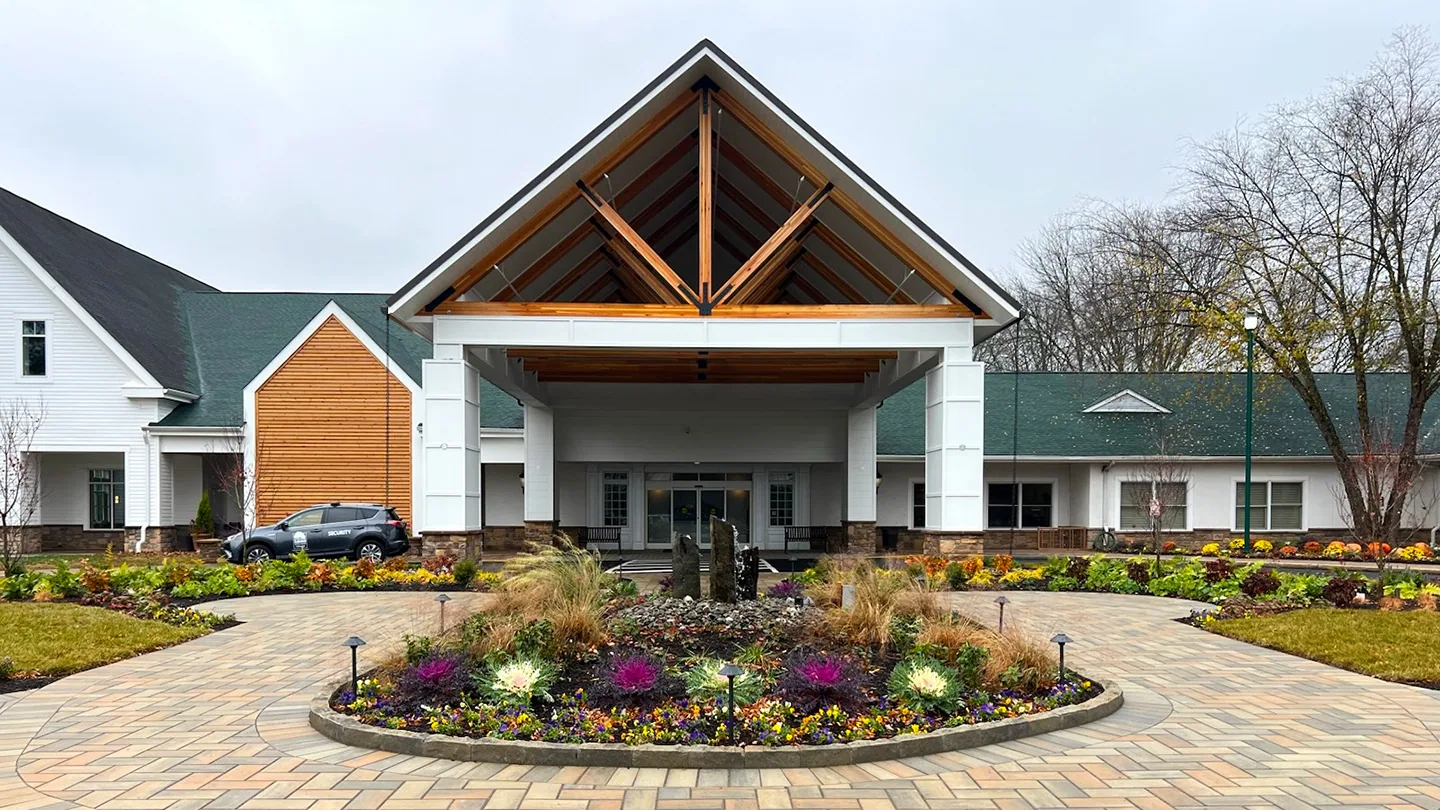
Many of the senior living properties we work on sit near Battlefield Boulevard, where Chesapeake Regional Medical Center anchors a cluster of healthcare and residential buildings. We look at each community on its own terms. A building in Oak Grove may have a newer TPO roof and wide parapets, while an older one-story wing nearby has modified bitumen and a dozen roof hatches and curbs. Before we visit, send us the address, the rooms with reported leaks and any roof drawings or past repair invoices you have.
The same goes for communities around Greenbrier. Two buildings on the same street can have different roof ages, different drainage and very different access. We inspect the actual roof, write up what we find, and price that building alone. If you manage several properties, we can line up inspections on the same day, but each one gets its own report and its own estimate.
We also help staff explain the work to residents and families. Before a project starts, we walk the maintenance director through the work area, the protection plan and the daily schedule. If the repair grows once the roof is open, we explain which rooms are affected before we proceed. At the end, maintenance gets photos of the finished flashing and a short list of items to keep an eye on.
Rooftop equipment and other occupied buildings
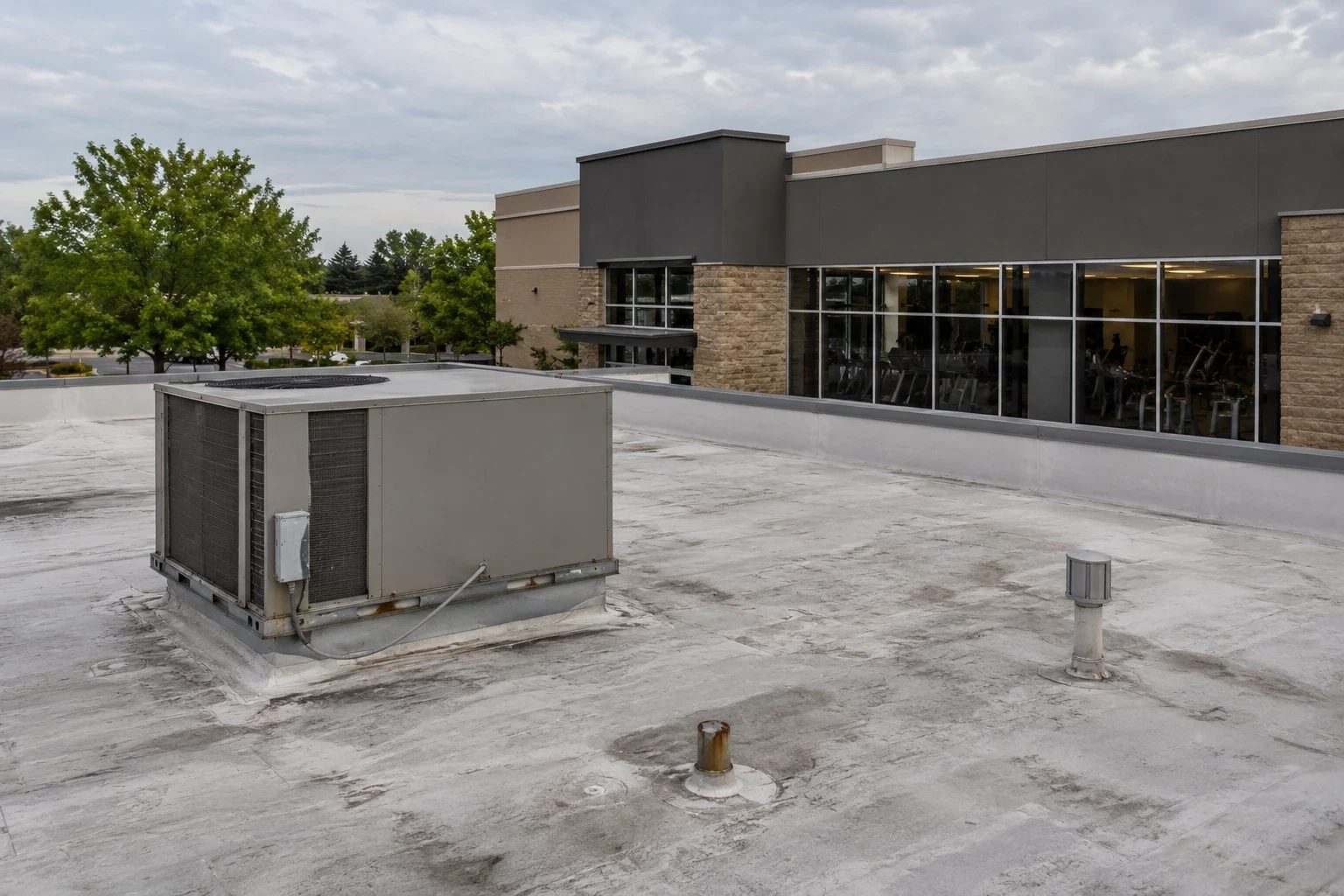
Rooftop HVAC units are a frequent source of trouble on care buildings. A unit sitting tight against a wall can make it impossible to flash properly, and a leaking condensate line can look exactly like a roof leak. As on medical office roofs, we work with your mechanical contractor when a unit needs to be lifted, moved or disconnected so we can reach the curb. We flash the curb; the HVAC contractor is responsible for the unit itself. Our final walkthrough notes both, so nobody assumes the other one handled it.
Senior communities share some challenges with apartment roofing, like keeping residents informed and protecting individual units. But care settings bring extra rules about medication rooms, nurse stations and residents who can't easily relocate. We follow your facility's procedures rather than copying a schedule from a different property. When the job is done, you get photos of the repaired flashing, notes on any areas we recommend watching, and a clear record of what was temporary and what was permanent. If a leak shows up later, maintenance can check that specific spot first.
Commercial Roofing Questions
Does a leak in one resident room mean the whole roof needs replacing?
Usually not. Most leaks come from a specific flashing, seam or penetration. We find the entry point and check whether the insulation around it is wet. Full replacement only makes sense when testing shows the problem is widespread.
Who decides how resident rooms are protected during roof work?
Your administrator and maintenance staff make those calls because they know the residents' needs. We give them the work schedule, debris plan and protection details so they can plan room moves or furniture protection ahead of time.
Can a roof coating fix flashing that has pulled away from a wall?
No. Loose flashing has to be refastened or replaced, and any wet blocking behind it rebuilt, before coating goes on. Coating works only on a roof that is well attached and dry underneath.
What if the wall itself is causing the leak?
Cracked brick, failed siding or bad window seals above the roof can let water in that looks like a roof leak. If that's the case, we'll tell you and recommend a mason or envelope contractor. We repair the roof flashing so it ties into their work.
What records should we keep after the repair?
Keep the before-and-after photos, our notes on what was replaced, and the list of items to watch. If a leak returns, those records show exactly where work was done and speed up the next inspection.
Trace the resident building roof transition
Tell us which rooms are showing leaks and send any roof drawings or past repair records. We'll inspect the roof, find where the water is getting in, and send photos with a clear repair estimate.