
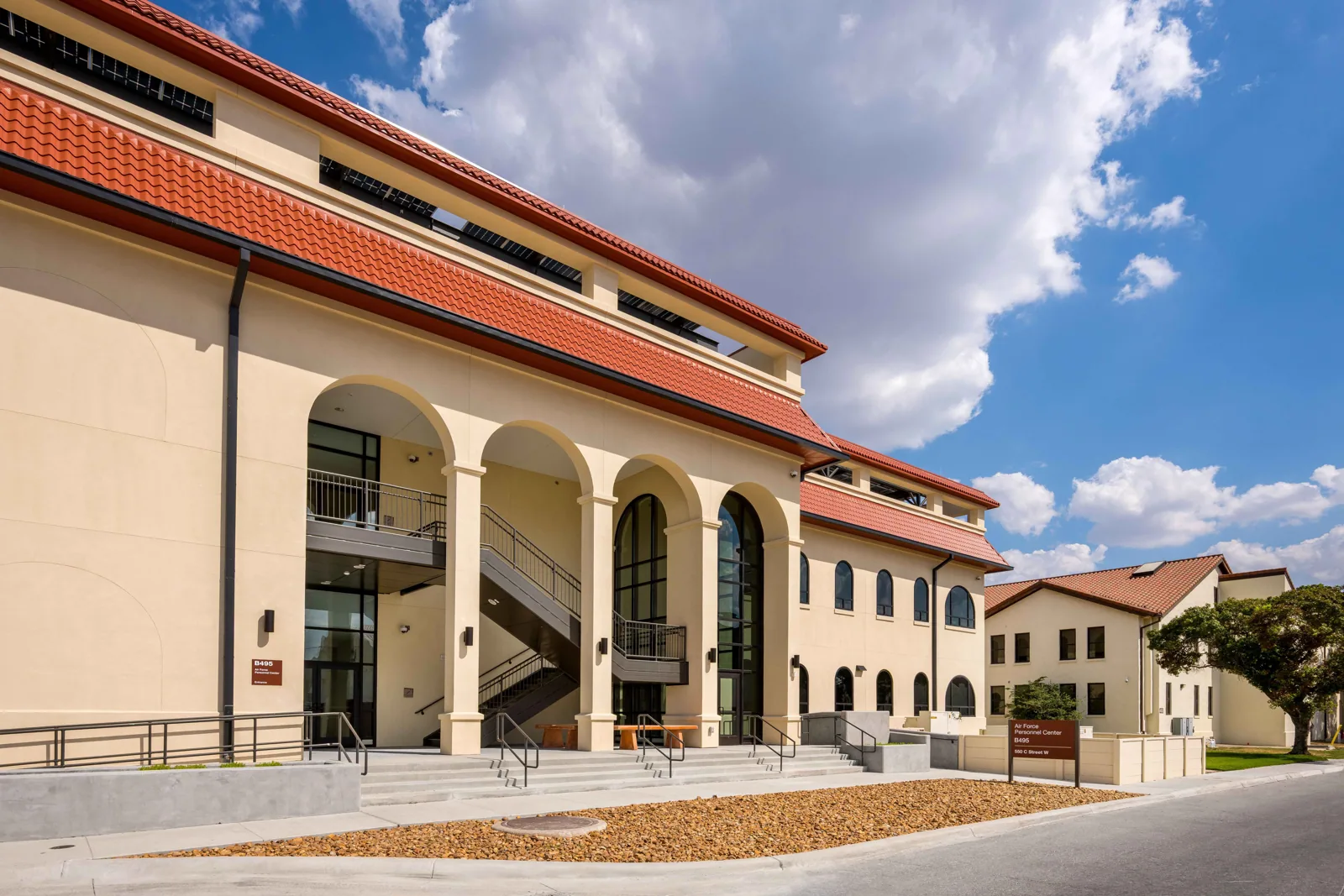
Roofs on Air Force facilities take the same beating as any other commercial roof in Hampton Roads: hot, humid summers, heavy rain, nor'easters and the occasional tropical storm. The difference is everything around the work. Access is controlled, schedules revolve around the mission, and repairs usually have to follow an approved design or specification. The most common problem we are asked about on these buildings is the perimeter, where edge metal or coping has loosened and wind has started to work the membrane free.
A loose edge is more than a cosmetic issue. Once wind gets under the perimeter, it can peel the membrane back across a large area in a single storm, and rain gets into the insulation long before anyone sees a leak inside. We inspect the edge, the wood nailer it is fastened to and the insulation behind it, and we report what we find with photos. The repair plan covers both the metal and anything underneath that has to be replaced so the new edge actually holds.

Securing the roof edge
Edge metal is only as strong as what it is fastened into. On older buildings, the wood nailer under the metal is often wet or rotted from years of small leaks, and new fasteners will not grip it. Re-nailing the old metal into bad wood buys very little time. We remove the edge, check and replace damaged nailers, reattach the membrane at the perimeter, and install new metal fastened at the spacing the design calls for. Corners get extra attention, since that is where wind pressures are highest.
Our edge metal and coping work covers gutters, downspouts and parapet caps as well as flat edges. If the building has already been through a storm and shows lifted membrane or displaced metal, a wind damage assessment documents what moved and what is still secure. We separate storm damage from older wear in the report, so the facility knows which problems are new and which have been building for years.
Getting on base and on the roof
Work on a military installation starts long before the crew arrives. Workers need to be cleared for access, vehicles and equipment need to be approved, and delivery routes and crane locations have to be agreed with the facility. Some buildings have restricted areas, security requirements or flight-line rules that limit when and where we can work. We plan the job around those requirements and the facility's schedule rather than asking the base to work around ours.
Our military installation roofing page explains how we handle access, badging, safety plans and coordination with facility staff. On the roof itself, we keep the work area tight and clean, protect equipment and antennas, and remove debris daily. If operations change and the crew has to stop or move, we close the roof up watertight so nothing is left open. The facility contact gets a short daily update on progress and any problems found.
Matching the repair to the approved design
Government roofing projects usually come with a specification or approved design that sets the membrane, insulation, attachment and details. That design is based on the building as it was understood when it was written. Once the roof is opened, conditions can differ: more wet insulation than expected, a damaged deck, a curb that is too short for the new roof height. We flag those differences in writing as soon as we find them so the contracting officer or engineer can decide how to proceed.
Insulation is often where the surprises are. Our roof insulation and cover board work covers replacing wet or crushed board and bringing the roof back to the specified thickness. If the design calls for tapered insulation to improve drainage, we check it against actual drain locations and roof slopes before installing. Changes are documented with photos and measurements, so the final roof matches both the design intent and what was actually built.
Hampton Roads military facilities
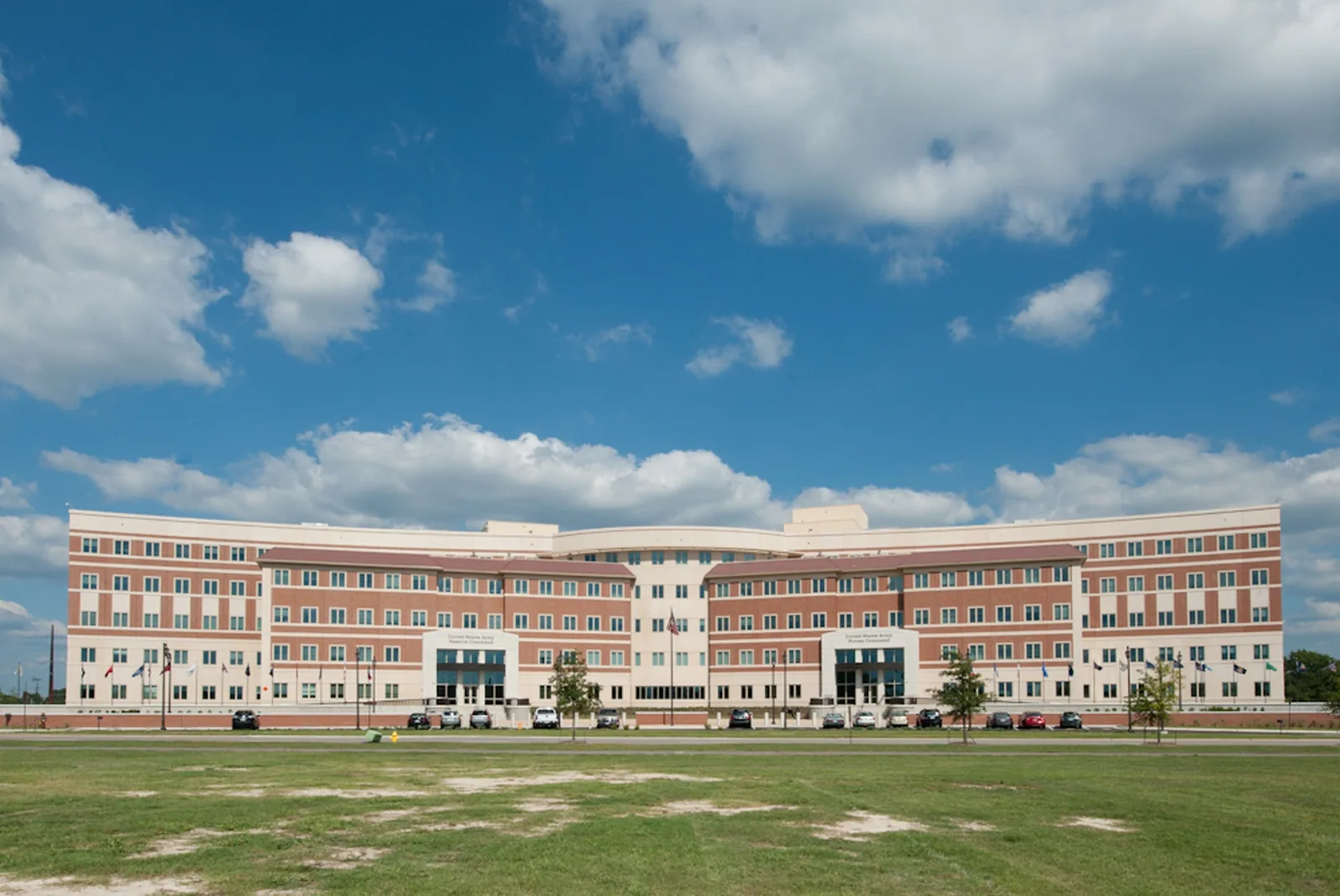
Hampton Roads is home to a large number of military facilities across several installations. Joint Base Langley-Eustis, for example, includes aircraft maintenance hangars along with offices, shops and storage buildings, and each of those roofs has its own construction and history. One building on a base tells you very little about the one next to it. We inspect the specific building named in the request and base the repair on what we find there.
For roof work coordinated near Hampton, the facility contact identifies the building, the problem area and any access or security rules that apply. We confirm the existing roof system, measure the edge or detail that needs repair, and check the insulation around it. If records are available, we compare them with the roof as it stands, since buildings get modified over the years. New antennas, added exhaust fans and replaced HVAC units are common, and each one changes the details the roof has to seal around.
The proposal lists the work, the materials and any items that depend on approvals, other trades or design decisions. Questions about structure or building systems go to the facility's engineers. You get a clear scope that a contracting office can review and compare. If the work has to be phased around operations, the proposal shows each phase and how the roof is kept watertight between them.
Related military buildings
Hangars and maintenance buildings bring their own concerns: large roof areas, big door openings and expensive aircraft and tools underneath. Our military hangar roofing page covers those issues, including how to protect the space below while the roof is open. Many hangars have metal roofs with long panel runs, and their repairs look quite different from the membrane edge work described above. Panel laps, fasteners and door-head flashings are the usual leak points, and the roof has to be allowed to expand and contract with temperature.
Warehouses and depots on base often have large, low-slope roofs over stored equipment and supplies. Our military warehouse roofing page explains how we protect stored contents and plan material deliveries around shipping and receiving. Whatever the building, the approach is the same: inspect the actual roof, fix the cause of the leak, replace wet material, and document the work so the facility has a reliable record for the next maintenance cycle.
Commercial Roofing Questions
Why is a loose roof edge such a concern?
Wind gets under a loose edge and can peel the membrane back across a large part of the roof in one storm. Fixing the edge early prevents much bigger damage.
Why replace the wood nailer instead of just re-nailing the metal?
Rotted or wet wood cannot hold fasteners. New metal fastened into bad wood will loosen again, so we replace damaged nailers before installing new edge metal.
How do you handle base access requirements?
We plan around the facility's rules for worker clearance, vehicle approval, delivery routes and restricted areas, and coordinate with the facility contact before mobilizing.
What happens if conditions differ from the approved design?
We document the difference with photos and measurements and send it to the facility or contracting officer for a decision before changing the work.
Will storm damage be separated from older wear?
Yes. Our report notes which damage appears recent and which reflects long-term deterioration, so the facility can plan repairs and any claims correctly.
Have the military roof edge inspected
Tell us which building and where the edge or leak is. Once base access is arranged, we will inspect the roof and send photos with a plain explanation of the repair.