
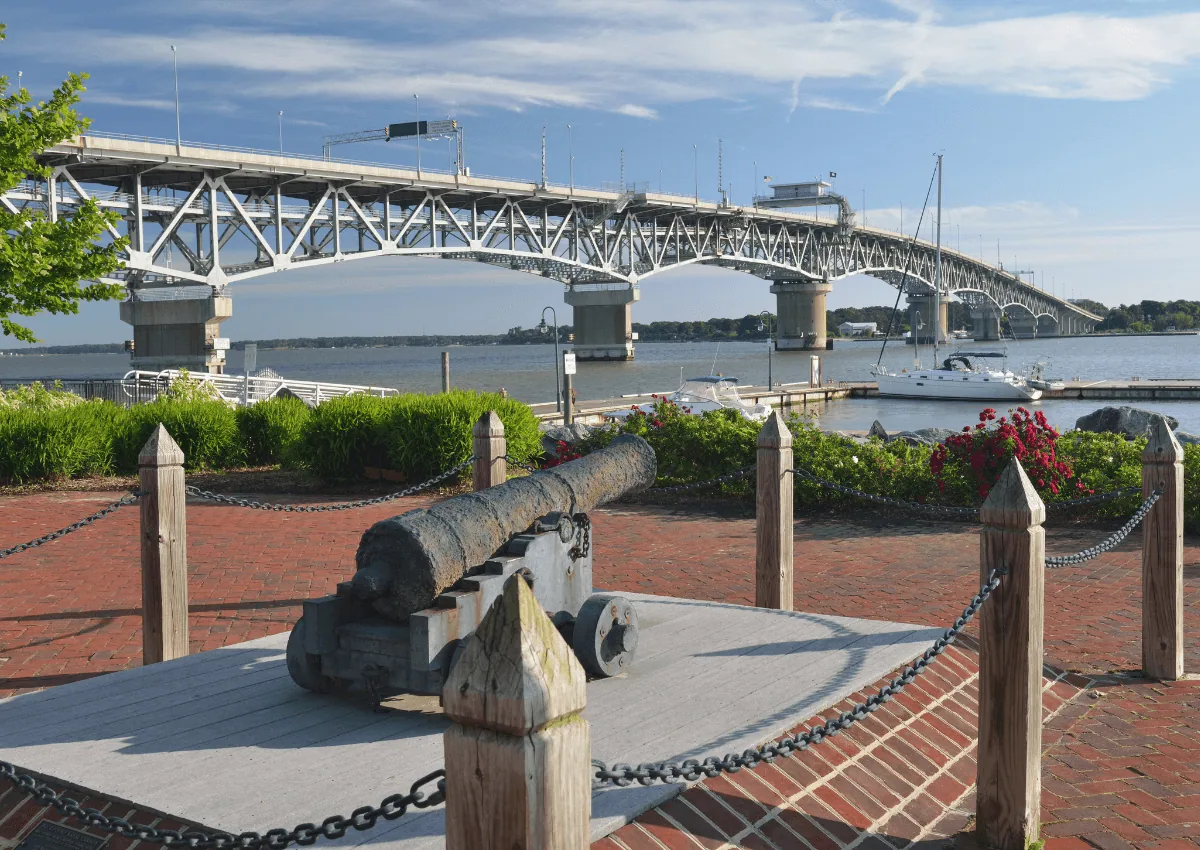
The metal edge around a flat roof does two jobs: it holds the membrane down at the perimeter, and it closes off the edge from wind and rain. When the edge metal works loose on a Yorktown commercial building, wind can get under the roof and water can run in behind it. A loose section that flaps in a storm can tear back several feet of membrane.
Before we replace anything, we figure out what actually failed. Sometimes the metal is bent or rusted. Sometimes it was never fastened well. Often the wood nailer behind it has rotted and the screws have nothing left to grip. We also check the membrane where it laps over the edge, since that's where the seal is made.
Yorktown is the county seat of York County, and its commercial and public buildings each have their own roof and access situation. The building operator tells us where people walk and where we can stage materials along the edge. If you have drawings of the edge detail, we compare them to what's actually on the roof. You'll get photos of the loose metal and the membrane around it, and if we can't check the wood without pulling metal, we'll say so.
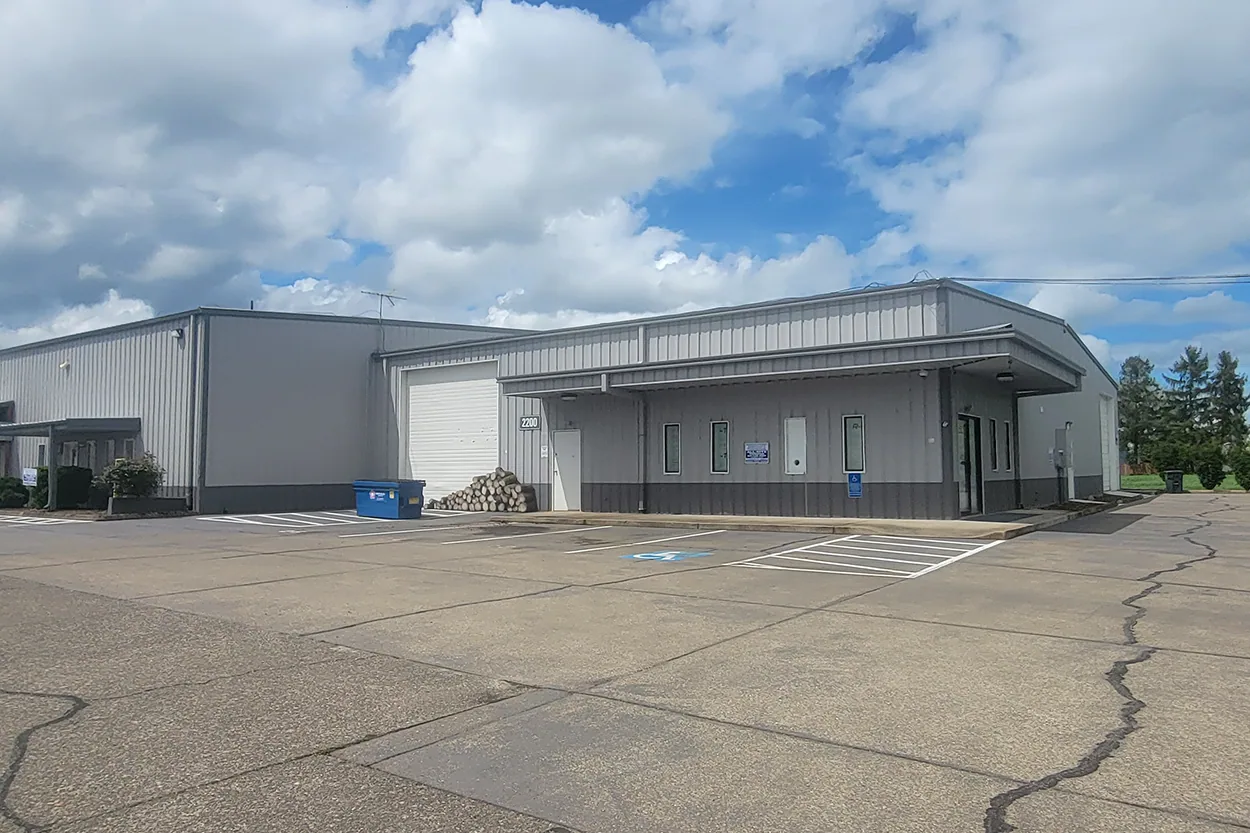
Bent or loose edge metal
A loose piece of edge metal can pull away from the membrane it's supposed to seal. The gap might come from damaged metal, missing fasteners or a split in the membrane at the edge. Each needs a different repair, so we inspect before we price.
Caulk or roof cement along a loose edge won't hold it down or replace missing metal. If the membrane under the edge is in good shape, it can usually stay. Corners and transitions need more care than a straight run, and they're where edge metal usually fails first.
Our edge metal, coping and gutter work covers the full perimeter. Jobs in Newport News get the same inspection. We'll show you which stretches of edge need work and which are fine. If you've got a stain inside, we note where and when it appears, but water can run along the deck before dripping, so we trace it back to the edge. If the wall or fascia below the edge needs work from another trade, we'll point that out. Photos show the failure and the stretch we plan to repair.
The wood nailer behind the metal
Edge metal is screwed or nailed into a wood nailer that runs along the roof edge. If that wood is soft or rotted, new metal won't stay put no matter how many fasteners go in. We check the nailer as we pull the old metal and tell you how much needs replacing.
Rotted wood gets replaced and sound wood stays. A new nailer can change the height of the edge, which affects both the metal profile and how the membrane laps over it. That's why we hold off on ordering metal until the wood is rebuilt. Otherwise you end up with pieces that don't fit.
Our roof insulation and cover board replacement covers any wet insulation we find along the edge. A building in Hampton gets its own measurements. If the deck or wall below the nailer looks damaged, we'll recommend a structural check. If we find more rot after opening up, we photograph it and get your OK before replacing more. New metal over bad wood is a repair that won't last.
Sealing the new metal to the existing membrane
The new edge metal has to seal to the roof membrane behind it. We check that membrane for old coatings, roof cement or worn-out surface that would keep a new strip-in or flashing from bonding. Sometimes we have to cut back farther than the visible damage to reach good membrane.
The seam method depends on the membrane: welded, adhered or taped, each with its own prep. On older or coated roofs we may do a small test to make sure the bond will hold. Corners, scuppers and pipes near the edge need their own detail.
Our commercial roof repair crews handle the membrane side of edge work. If the nailer or insulation changes height, the membrane tie-in has to be adjusted so water can't sit at the edge. We plan the wood, insulation, membrane and metal together rather than ordering each separately. If a wall or fascia contractor needs to work on the same edge, we schedule them first so the new metal isn't removed again. Material choice is based on what's actually on the roof, not a general promise that everything is compatible.
Safety along the building edge
Edge work creates a falling-debris risk on the ground below, not just an open roof. Before we start, the building operator confirms which sidewalks, doors and parking areas need to be closed off or watched while we work. We set up barricades or a spotter where needed.
We only pull as much edge as we can close up that day, with new wood and metal on site. A temporary seal goes on at the end of each shift. Leak damage inside, like ceiling tiles or wiring, goes to the right trades.
Our occupied building reroofing crews work above active buildings all the time. If we're waiting on metal or a dry day to finish the seal, we tell you what's pending. The temporary seal is clearly separate from the finished work. We route material handling so it doesn't damage the roof that's staying, and if rooftop equipment is near the edge, we coordinate with the HVAC contractor. You'll always know what's open and what's done. If water gets in while a temporary seal is in place, we check it right away.
After the edge repair
Once the edge is done, we check that every metal piece is fastened correctly and the membrane seal is complete along the repaired section. We review the new wood and membrane tie-in before we sign off.
You get photos showing the new edge metal and the existing roof left in place. Any wall, fascia or equipment issues we noticed are noted for the right contractor. Service techs get guidance on how to get to the roof without bumping or bending the new edge. If something damages the edge later, we inspect it fresh. Our roof condition reports give you all of this in writing.
On office buildings, the property manager provides the building's access rules. Interior trades can use our report to decide when to start ceiling or wall repairs. Even if a room has dried out, the ceiling or wall behind it may still be wet, so they should check before closing up. Weekend and holiday edge failures can be reported with photos, and we'll confirm a response time once we know the access and conditions. Our recommendation always explains what failed at the edge and what we'd do to fix it.
Commercial Roofing Questions
Can loose edge metal just be refastened or replaced?
Only if the wood nailer behind it is solid. We check the nailer and membrane first, since new metal on rotted wood won't stay down.
When should new edge metal be ordered?
After the nailer and insulation are rebuilt, because that can change the height and the metal profile needed.
How far does the membrane repair extend behind the new edge?
Back to clean, sound membrane that will take a good bond. Old coatings and cement often need to be cut back first.
How do you protect people below during edge work?
The operator tells us which walkways and doors need protection, and we barricade or post a spotter. We only open what we can close that day.
What if the edge gets damaged again later?
We inspect it fresh and compare it with our completion photos so we can see what changed.
Loose edge metal on a Yorktown building?
Send us the Yorktown address and photos of the loose edge metal or any water inside. We'll check the metal, the wood behind it and the membrane, and send you a repair plan with photos.