
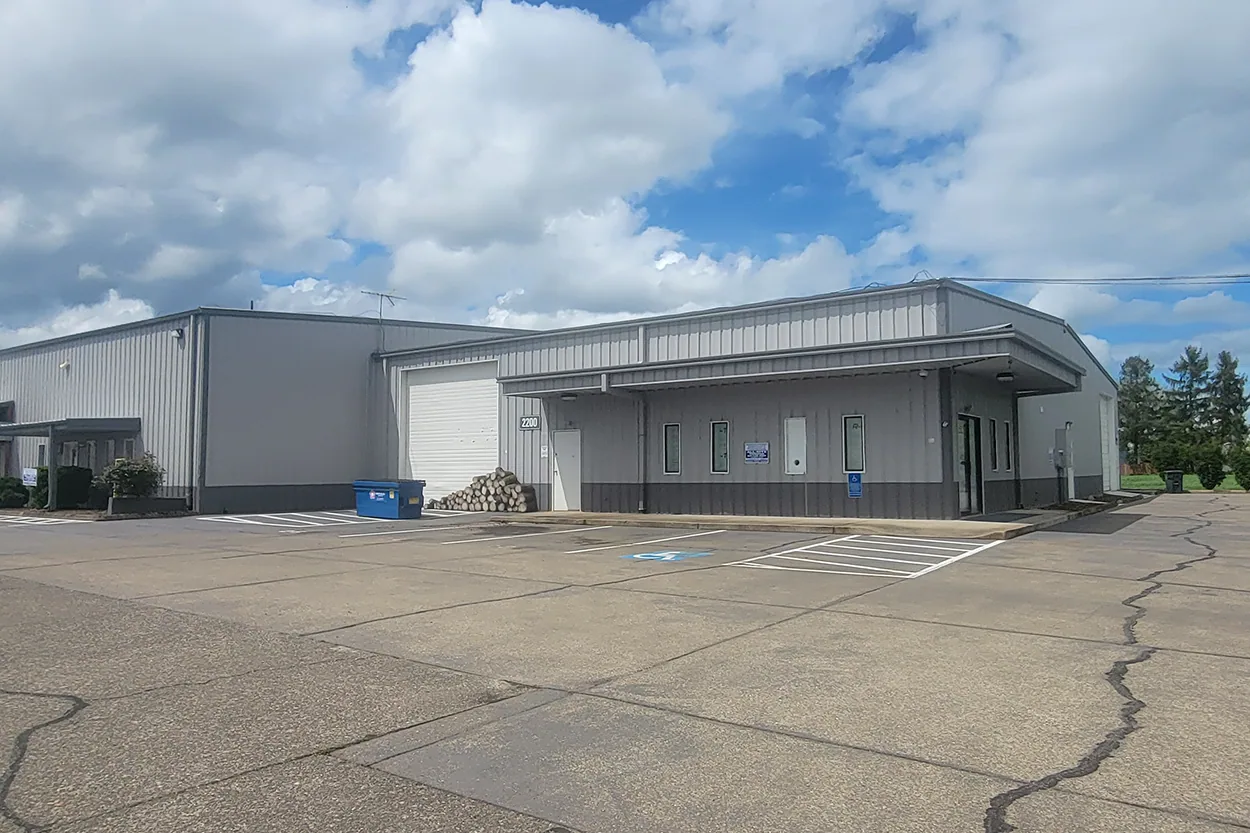
On a single-ply or modified bitumen roof, the seams are where the sheets overlap and bond together. When a seam opens up, rain gets straight into the lap and under the membrane. Over time it soaks the insulation and leaks into the building, often away from the open seam.
We find and repair commercial roof leaks across Chesapeake. On a seam leak, we check how far the seam has opened, whether the membrane around it is still in good shape and whether water has reached the insulation. Most open seams can be fixed with a targeted repair. If seams are failing all over the roof, it may be time to talk about bigger work.
Three Oaks Industrial Park is reached from Volvo Parkway, Principal Lane and Yupo Court, and nearby Greenbrier North Commerce Park is a separate multi-building area. Each property has its own access rules, and we confirm them with the operator before we arrive. Tell us when the leak started and which part of the building is getting wet. If we need time to dry the roof or get materials, we'll install a temporary seal first.

Open seams: repairing back to sound membrane
When a seam opens, the membrane on either side is often still in good condition. The repair needs to reach that sound membrane. We check the seam and the area around it, then clean or cut back any old patches, caulk or coating, because new material won't bond reliably to them.
Membranes that look the same can need different repair materials. TPO, PVC, EPDM and modified bitumen each need their own primers, adhesives or welding. We identify the roof type first and explain the prep before we start the repair.
Our commercial roof repair crews handle this kind of seam work. A seam job at Greenbrier North Commerce Park is handled the same way. If your staff remembers recent HVAC visits or deliveries near the damage, that helps. A torn seam can also be a puncture or damage from equipment, which needs a different fix. Once we find the damage, we repair that spot and the insulation underneath. If we can't tell what's under the membrane until we open it, we say so before we start.
A leak comes back near an old seam repair
A new stain near an old seam repair doesn't always mean the patch failed. Water can travel through the insulation and come out somewhere else, or a nearby drain, pipe boot or curb may have started leaking. We check the seams, drains and penetrations around the leak before deciding what to fix.
Equipment drains and piping can also put water on the ceiling. If it looks like a mechanical issue, we'll tell you so the right contractor can handle it. You don't have to know the cause when you call. Just tell us when it leaks.
Our commercial roof leak repair service is built around finding the real source. Buildings in Cavalier Industrial Park get the same approach. Old roof cement around an earlier repair can make it harder to get a good bond, so we clean that up first. If we suspect wet insulation, we check before committing to a fix. You'll get a clear explanation of what we found and what we recommend. That way the repair targets the actual leak, not the stain on the ceiling.
Wet insulation under an open seam
Water coming through an open seam soaks the insulation beyond the opening. The roof may look dry on top while the board underneath stays wet. We probe and, where the roof type allows it, use moisture scanning to find wet areas, then confirm with a core cut.
Our infrared moisture survey helps us map the wet area on larger roofs. If we find more wet insulation after opening the roof, we stop, take photos and explain how much more needs to come out before going further. Dry insulation in good condition stays.
Sealing the seam doesn't fix wet insulation underneath. New membrane needs a dry, solid base, so the repair includes both the seam and the insulation below it. The amount of insulation we replace also affects how the new membrane ties into the existing roof, so we check that area before ordering materials. If a curb or edge sits next to the repair, it may need new blocking too. You'll know about that before we open a bigger area.
Working above warehouse and production space
Cutting out a bad seam opens the roof for a short time. Industrial buildings often have stored goods, production lines or electrical equipment below, so we talk with the operator about what needs to be protected and how materials can move through the site. Ceiling or electrical problems from the leak go to the right trades.
We choose a temporary seal that works with your roof type and only open what we can close up that day. Materials and any equipment work are lined up before we start. Our occupied building reroofing crews work above active operations regularly, and on flex industrial buildings we confirm access and permissions with the site contact.
We check surface moisture and temperature right where the seam will be welded or bonded. If conditions don't meet the membrane's requirements, we wait. When we have to pause, we tell you why and what we need to finish. The temporary seal stays on until we're done. Service crews can go back to normal access once the repair is complete.
After the repair: keeping seams intact
When the seam is done, you get photos and notes showing the repaired seam, any insulation replaced and the surrounding membrane left in place. Service techs get guidance on how to avoid damaging the new seam. If we notice drain or foot-traffic problems, we note those too.
Equipment or interior work stays with the appropriate contractors. They can use our report to decide when the space below is ready to be repaired. Our roof condition reports show where the repair is and what condition the rest of the roof is in. If seams are failing across the roof, we'll talk about wider repair or replacement based on what we find.
If water shows up again, we inspect it fresh. It might be a new problem, like damage from a forklift delivery or a unit draining onto the roof, rather than the old repair. We take calls overnight, on weekends and over holidays and confirm a response time based on access and conditions. If needed, we can install a temporary seal while we plan the full repair. Our records show which seams were repaired and which were left alone, so later equipment work can be checked against them.
Light-industrial parks with rail access have their own delivery and staging challenges, and roof details can vary from one tenant space to the next. We ask the operator where trucks, rail traffic and crews can safely cross or stage before we plan the work. On the roof, we document drains, seams and curbs by area. Zoning and utility service don't tell you anything about the roof itself. If the owner manages several buildings, we keep the findings separate by building and use a consistent photo map so later inspections can compare the same spots.
Commercial Roofing Questions
How far does a seam repair need to extend?
Far enough to reach clean, sound membrane on both sides. Old patches, caulk or coating near the seam have to be cleaned or cut back first.
A leak came back near an old repair. Did the patch fail?
Not necessarily. We check nearby seams, drains and penetrations, since water can travel and another detail may have started leaking.
If the seam is closed, is the insulation fine?
Not necessarily. Water may already be trapped underneath, so we check the insulation with probes, scanning or cores before signing off.
What controls how much roof can be opened at once?
How much we can close that day, what's in the space below and whether materials and any equipment work are ready.
How does the repair record help with later equipment work?
It shows where the seams were repaired so techs avoid damaging them, and gives a starting point if a new leak appears.
Seam leak at a Three Oaks building?
Send us the Three Oaks property address, where the leak is showing up and any access rules for the site. We'll find the open seam and send photos with a short explanation of the repair.