
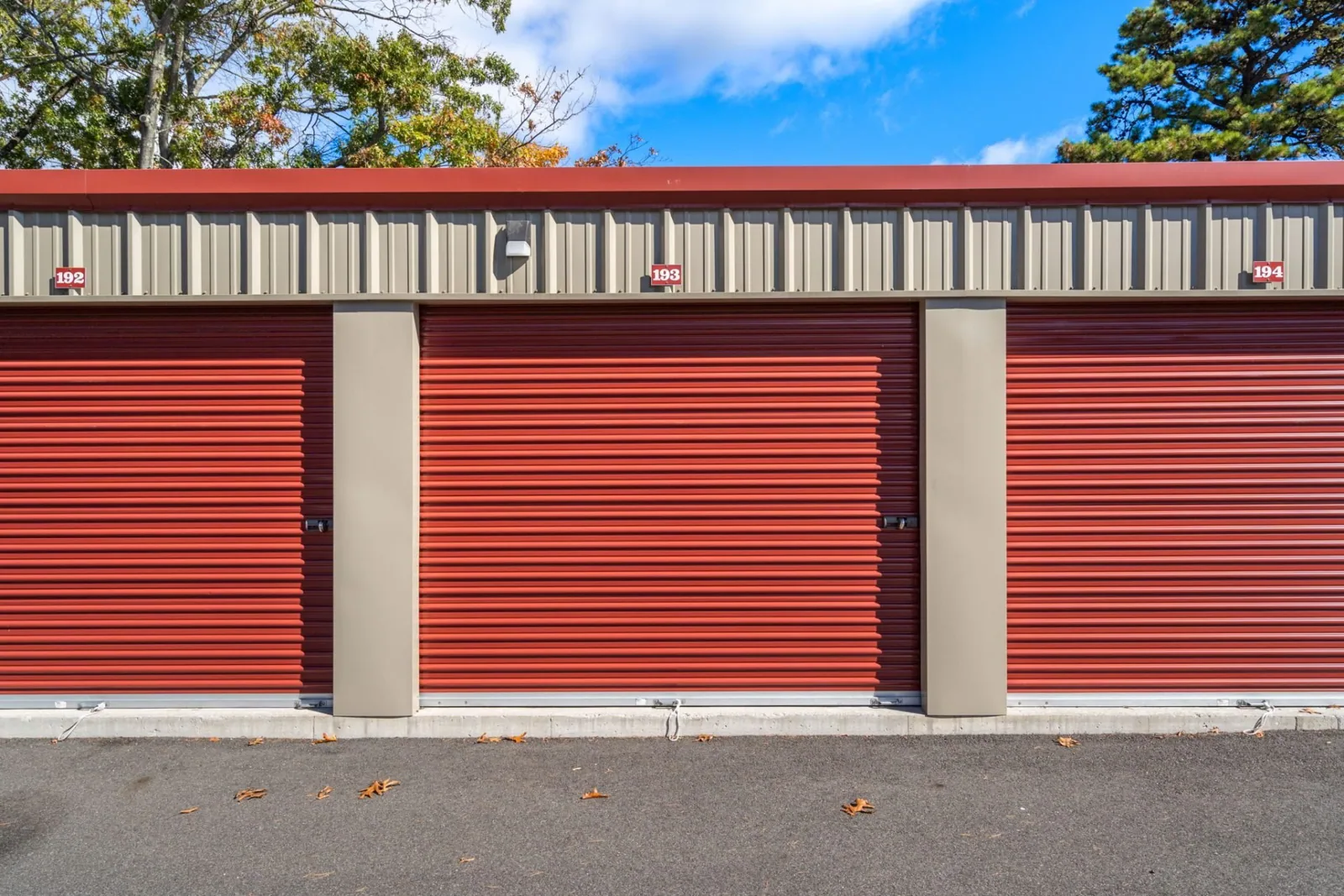
Self storage owners hear about roof leaks from tenants, usually after their belongings are already wet. Furniture, boxes, documents and electronics stored for months can be ruined by a slow drip, and that leads to claims, refunds and bad reviews. Storage facilities in Chesapeake often have long, single-story buildings with metal roofs, plus multi-story climate-controlled buildings with low-slope membrane roofs. On both, the leaks we see most often come from laps that have opened, either between metal panels or at seams in the membrane.
Leaks on storage buildings can be hard to pin down because units are locked and tenants may not visit for weeks. Water can also run along a panel or the deck and drip into a different unit from the one under the opening. We inspect the laps, fasteners and flashings above the affected units, check gutters and drains, and test the insulation on climate-controlled buildings. You get photos, a roof plan marked with unit numbers and a written explanation of the cause and the repair.
Open laps and seams
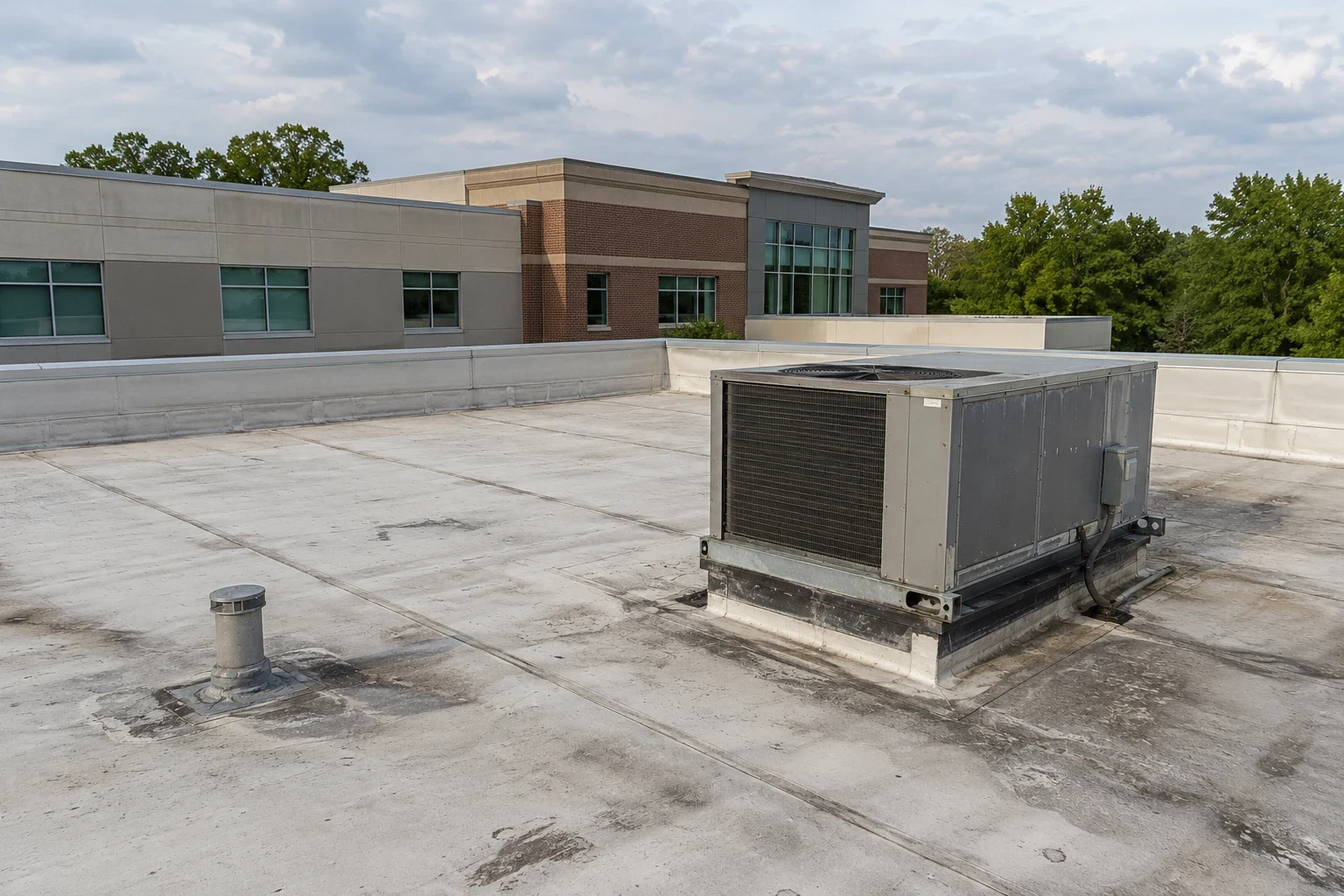
On a metal roof, panels overlap at their sides and ends, and those laps are sealed with tape sealant and held with fasteners. Over years of heating and cooling, the sealant dries out, fasteners loosen and washers wear, and water gets in at the lap. On a membrane roof, seams can open for similar reasons. A patch over the visible gap usually fails again, because the material around it is weathered or the lap keeps moving. Rust at panel ends and around fasteners is common near the coast and makes laps harder to seal.
A proper seam failure repair cleans the membrane or panel back to sound material and rebuilds the lap with matching products, extending past the damaged area. On older metal storage buildings with widespread rust and fastener problems, a metal roof retrofit may make more sense than chasing individual leaks. A retrofit adds a new roof system over the existing panels without exposing the units below. It can also add insulation, which helps if the owner wants to convert drive-up units to climate control later.
Protecting stored belongings
Before we open any part of the roof, we work with the facility manager to identify which units sit under each phase. Some may be vacant and easy to protect; others are rented and locked. Tenants of affected units can be notified in advance, and if belongings need to be covered or moved, that is arranged before the work starts. Phases are kept small so each can be opened, repaired and closed in a single day. Hallways and loading areas in multi-story buildings stay clear so tenants can still reach their units.
On climate-controlled buildings, water that gets in often soaks the roof insulation first. Our roof insulation and cover board service removes the wet layers and installs new ones before the membrane goes back on. Wet insulation left in place keeps dripping into units and can cause mold on stored belongings. If we find deck damage, we photograph it and report it before expanding the repair. On drive-up buildings without insulation, we also check the underside of the panels for condensation, which can drip and look like a leak.
Drains, gutters and low spots
Long storage buildings shed a lot of water into gutters and downspouts, and when gutters clog with leaves or are too small for heavy Chesapeake rain, water overflows at the eaves and runs into the units below. On flat roofs, slow drains and low spots let water pond near seams. Before planning the repair, we look at where water goes during a storm and where it collects afterward. Stains on unit floors and doors tell us a lot about where water is entering.
Our roof drain and scupper work covers clearing and rebuilding drains, resizing or replacing gutters and downspouts, and adding scuppers where water has nowhere to go. We keep water moving off the roof while sections are open, so the repair area does not flood. Simple fixes, such as larger downspouts or splash blocks that send water away from unit doors, often prevent repeat complaints. We also check that water draining off one building does not run toward the doors of the next row.
Storage facilities around Greenbrier
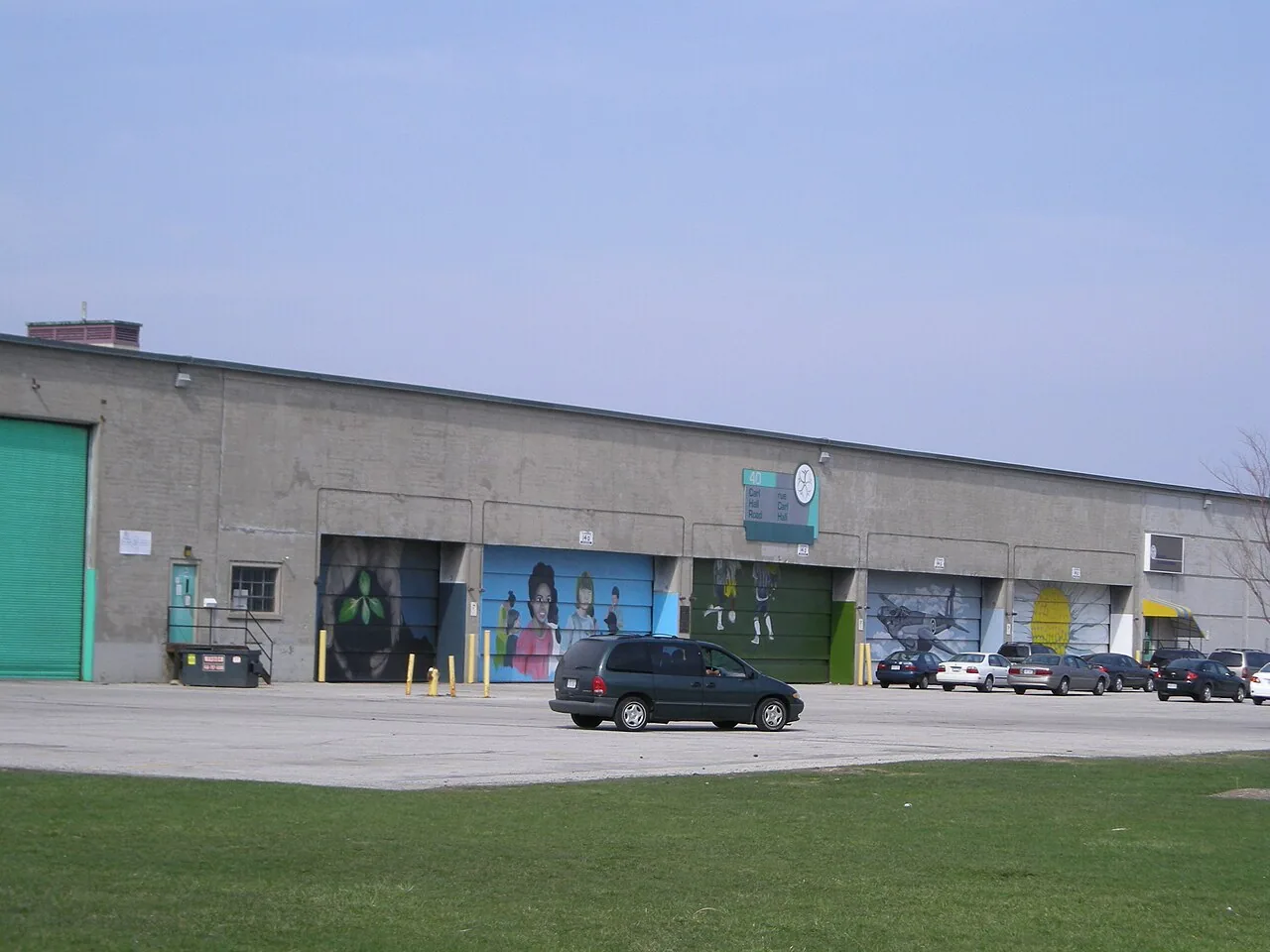
Greenbrier and other parts of Chesapeake have storage facilities ranging from older drive-up buildings to newer multi-story climate-controlled buildings. Each facility may have several buildings of different ages and roof types. For self storage roofing in Greenbrier, we inspect the specific buildings and units named in the request and base the repair on what we find there. Older buildings at the same facility may have been reroofed at different times with different materials.
The facility manager tells us which units have reported leaks and when they happen. Where roof records exist, we compare them with the roof today. We inspect the laps, fasteners, flashings, gutters and drains above the affected units and photograph what we find. Where we can safely see inside a vacant unit below a leak, we check the underside of the roof too.
The proposal lists the repairs by building and unit, the materials, the schedule and how tenants' belongings will be protected. Findings are organized so the owner can see which buildings need work now and which can wait. If something outside roofing turns up, such as damaged doors or wall panels, we note it separately. An active leak can be patched temporarily right away, with the permanent repair scheduled after.
Related buildings and records
Warehouses share the same concern for stored goods on a larger scale, with forklifts and racking added. Our warehouse roofing page covers those buildings. Many of the same metal roof and gutter issues apply. Flex buildings often combine storage with office and shop space under one roof, and our flex industrial roofing page explains how we coordinate repairs across different tenant uses.
At closeout, the facility receives photos of each repair, a roof plan marked with unit numbers, a list of materials and notes on any items for other trades. That record makes it easy to answer tenant questions and to tell whether a new complaint is related to earlier work. Cleaning gutters each fall and checking laps and fasteners after major storms are inexpensive ways to keep water away from stored belongings and avoid tenant claims. A short report after each visit gives the owner a clear record of the roof's condition.
Commercial Roofing Questions
Why do storage roofs leak at the laps?
Sealant at metal panel laps dries out and fasteners loosen with temperature changes. Membrane seams can open for similar reasons. The lap needs to be rebuilt, not just patched.
Why is the leak in a different unit from the opening?
Water can run along a panel, rib or deck before dripping, so it may come down in a neighboring unit. We trace it to the source.
How are tenants' belongings protected?
We identify which units sit under each phase, notify tenants as needed, cover or move belongings in advance and close each section the same day.
Do gutters really matter?
Yes. Clogged or undersized gutters overflow at the eaves and send water into units. Larger gutters and downspouts often stop repeat leaks.
What records do we receive?
Photos, a roof plan marked with unit numbers, a materials list and notes on any items for other trades.
Have the storage roof leak inspected
Send the unit numbers with water damage and any roof records you have. We will inspect the roof above them and send photos with a plain repair plan.