
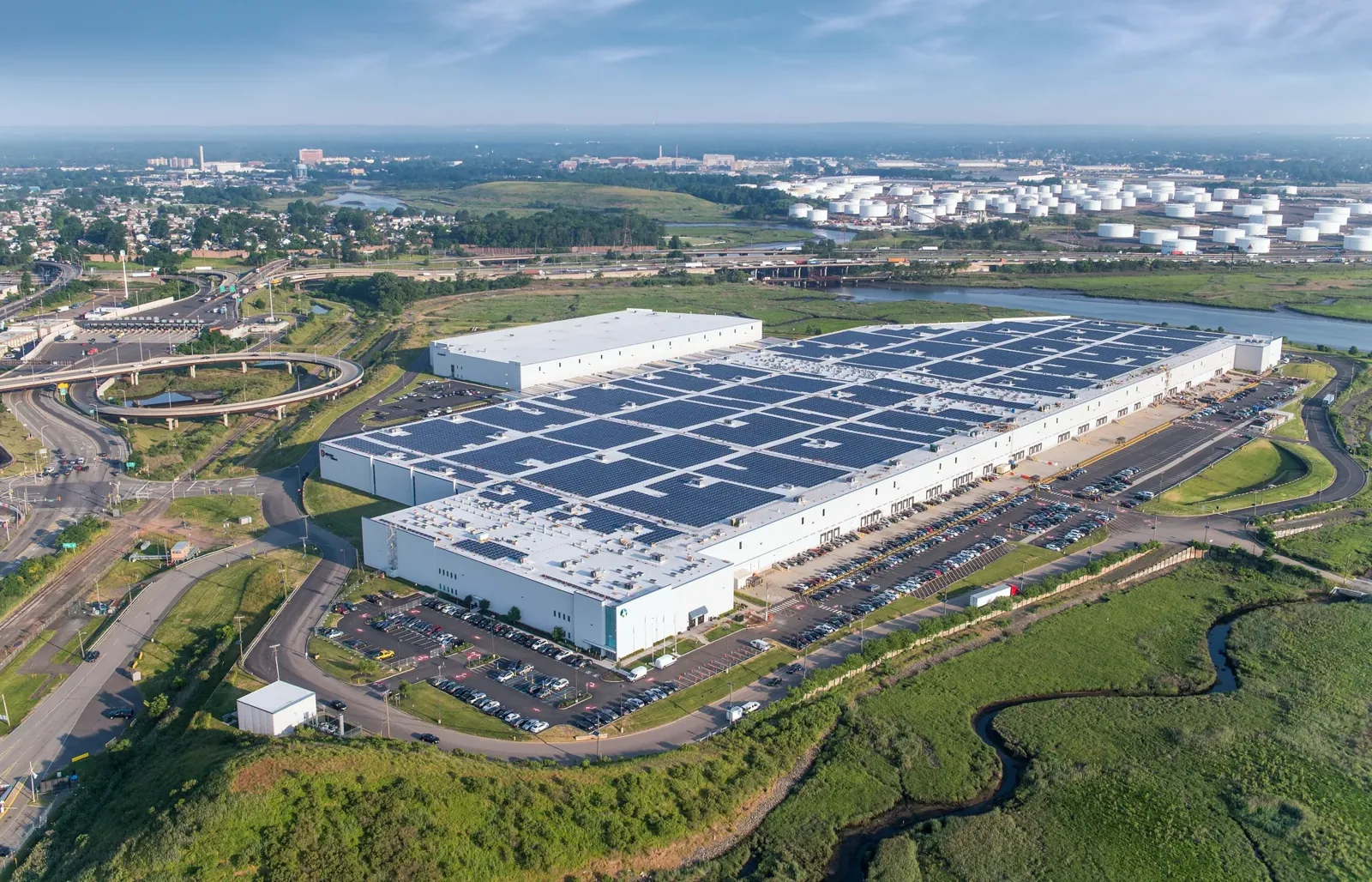
Big box stores have huge roofs, and a leak anywhere over the sales floor means wet merchandise, a closed aisle and a slip hazard for shoppers. Many larger retail buildings in Chesapeake have metal roofs or metal decks under a membrane, with long runs of panels and dozens of rooftop units. The leaks we see most often come from panel laps that have opened, fasteners that have backed out or lost their washers, and flashings around HVAC curbs and exhaust fans. Wind-driven rain makes all of those worse.
Finding the source on a roof this size takes patience. Water often travels along a panel rib, a purlin or the deck before it drips, so the bucket on the floor may be well away from the opening. We walk the roof, check the laps, fasteners and flashings in the area, and use the store's description of when and where water appears. You get photos, a marked-up roof plan and a written explanation of the cause and the fix, along with how we plan to keep the store open and the merchandise dry while the work is done.
Panel laps and fasteners
Metal panels expand and contract with every hot day and cool night. Over the years, that movement wears out the rubber washers on exposed fasteners, loosens screws and opens the sealant at end laps and side laps. Rust at the panel ends and around fasteners is common near the coast. Re-caulking the laps helps for a while, but if the fasteners are loose or the panel ends are corroded, the leak comes back. We check both the fasteners and the laps before recommending a repair.
For a standing seam metal roof, we inspect seams, clips and end laps and make repairs that let the panels keep moving. On an older through-fastened roof with widespread rust and fastener problems, a metal roof retrofit may be a better value than ongoing repairs. A retrofit adds a new roof over the existing panels, often with added insulation, while the store stays open underneath.
Protecting merchandise and shoppers
Before we open any section of roof over the sales floor, we work with the store manager to decide which aisles and fixtures need to be covered or moved, and when the work can happen. Night work is common on retail roofs because the store is closed or quiet, which keeps debris and noise away from customers. Stockrooms and receiving areas may have tall racking full of inventory that needs to be protected with plastic sheeting or relocated.
Our roofing for occupied buildings approach keeps the open area small and seals every section before the crew leaves. Material deliveries and crane lifts are scheduled away from busy shopping hours and the main parking lot entrances. The store gets advance notice of anything noisy or odor-producing. If a leak is active during a storm, we coordinate with store staff to protect merchandise and check the area after the rain.
Rooftop units and curbs
Big box roofs usually carry a lot of HVAC equipment, and curbs are a frequent leak point. Units vibrate, the flashing at the base of the curb cracks or pulls loose, and on older stores the curbs may be too short for the current roof height. Some leaks come from the unit itself or its condensate line rather than the roof. We check the curb flashing, the unit seal and the drain line, so the right contractor fixes the right part.
Our rooftop curb and equipment support work covers rebuilding curb flashings, raising short curbs and repairing equipment supports. When a unit has to be lifted or disconnected to reach the curb, we schedule it with your HVAC contractor and finish the flashing once the unit is back in place. On metal roofs, curb flashings have to work with the panel ribs and slope, so the water that runs down the roof is diverted around the curb instead of into it.
Retail properties in the area
Greenbrier has a large concentration of retail, including big box stores, shopping centers and freestanding pads, built over several decades. Their roofs vary widely in material, age and repair history. For big box roofing near Greenbrier, we inspect the specific store and base the repair on what we find, rather than assuming it matches the store next door. Corporate facilities teams often manage many locations, so we keep each store's findings and photos separate and easy to file.
To get started, the store or facilities contact tells us which departments are affected and when leaks appear. We inspect the roof, check the drains and gutters, and look at curbs and laps near the reported leaks. The proposal explains the cause, the repair, the schedule and how merchandise and shoppers will be protected. If something outside roofing turns up, such as a structural concern or an HVAC problem, we note it separately for the right trade to handle.
After the work is done
At the end of the job, you get photos of each repair, a roof plan showing where the work was done and a list of materials used. That record is useful for the next store manager, the landlord or the corporate facilities team when another leak appears or a remodel adds new equipment. Shopping centers share many of the same issues, and our shopping center roofing page covers working across multiple tenants and storefronts.
Warehouses and distribution buildings have similar large roofs over stored goods. Our warehouse roofing page covers protecting inventory and working around loading docks. For any large retail roof, regular inspections in the spring and fall and checks after major storms are the most cost-effective way to keep leaks from reaching the sales floor. A loose fastener caught early is a five-minute fix; the same one found after a wet season often means replacing wet insulation and damaged ceiling tiles.
Commercial Roofing Questions
Why do metal retail roofs leak at the fasteners?
Panels move with temperature changes, which loosens fasteners and wears out their rubber washers over time. Rust near the coast adds to the problem. Fasteners often need replacing, not just sealing.
Can the store stay open during roof work?
Yes. We often work at night or in small sections, protect or move merchandise below the work area and seal the roof at the end of each shift.
When does a metal roof retrofit make sense?
When rust and fastener problems are widespread across the roof. A retrofit adds a new roof over the existing panels and avoids tearing off the roof over the store.
Is a leak at the HVAC unit always a roof problem?
No. Water can come from the unit, its seal to the curb or the condensate line. We check all three so the right contractor makes the fix.
What records will we receive?
Photos, a roof plan showing the work locations, a list of materials and notes on anything another trade still needs to handle.
Have the store's roof leak traced
Tell us which department or aisle is leaking and send any roof records you have. We will find the source and send photos with a plain explanation of the repair.