
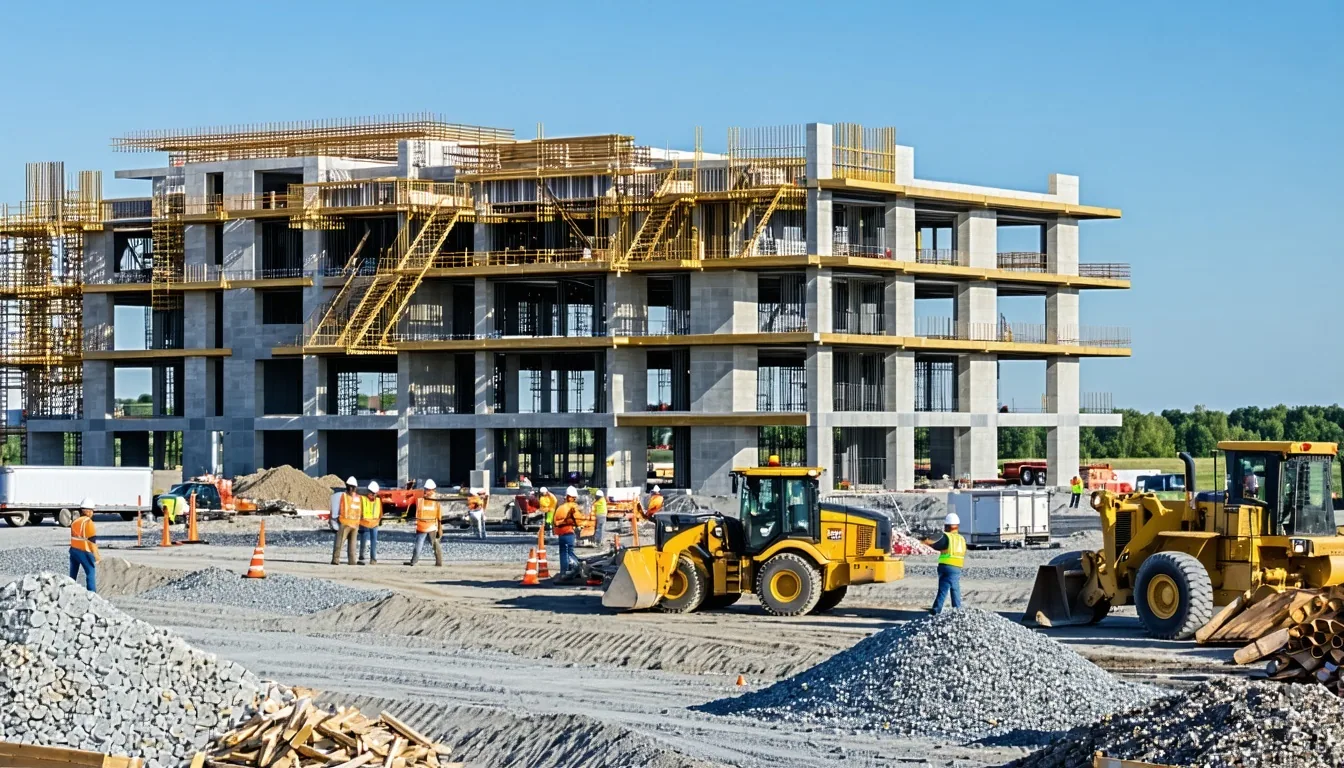
On a commercial project in Chesapeake, the roofer often waits on someone else. An equipment curb that is not finished, or a wall that is not framed, means the flashing cannot go on yet. We work with general contractors on roof repairs, additions and replacements, and we are upfront about what has to be ready before we can close the roof. Before mobilizing, we inspect the existing roof and the areas where new work will tie in, and we flag equipment and structural items that come first. A date on the master schedule does not mean every curb and nailer is ready, so we build a roofing sequence around what is actually done.
Greenbrier North Commerce Park sits within the larger Greenbrier Business District, and projects there still need a building-by-building roof review. We inspect the existing roof, flashings and deck before you sequence our work with the other trades. Send us the building, the planned changes and any drawings. Our scope lists the prep work and the permanent roof details for that structure, rather than assuming every building in the park has the same roof.
What Has to Happen First
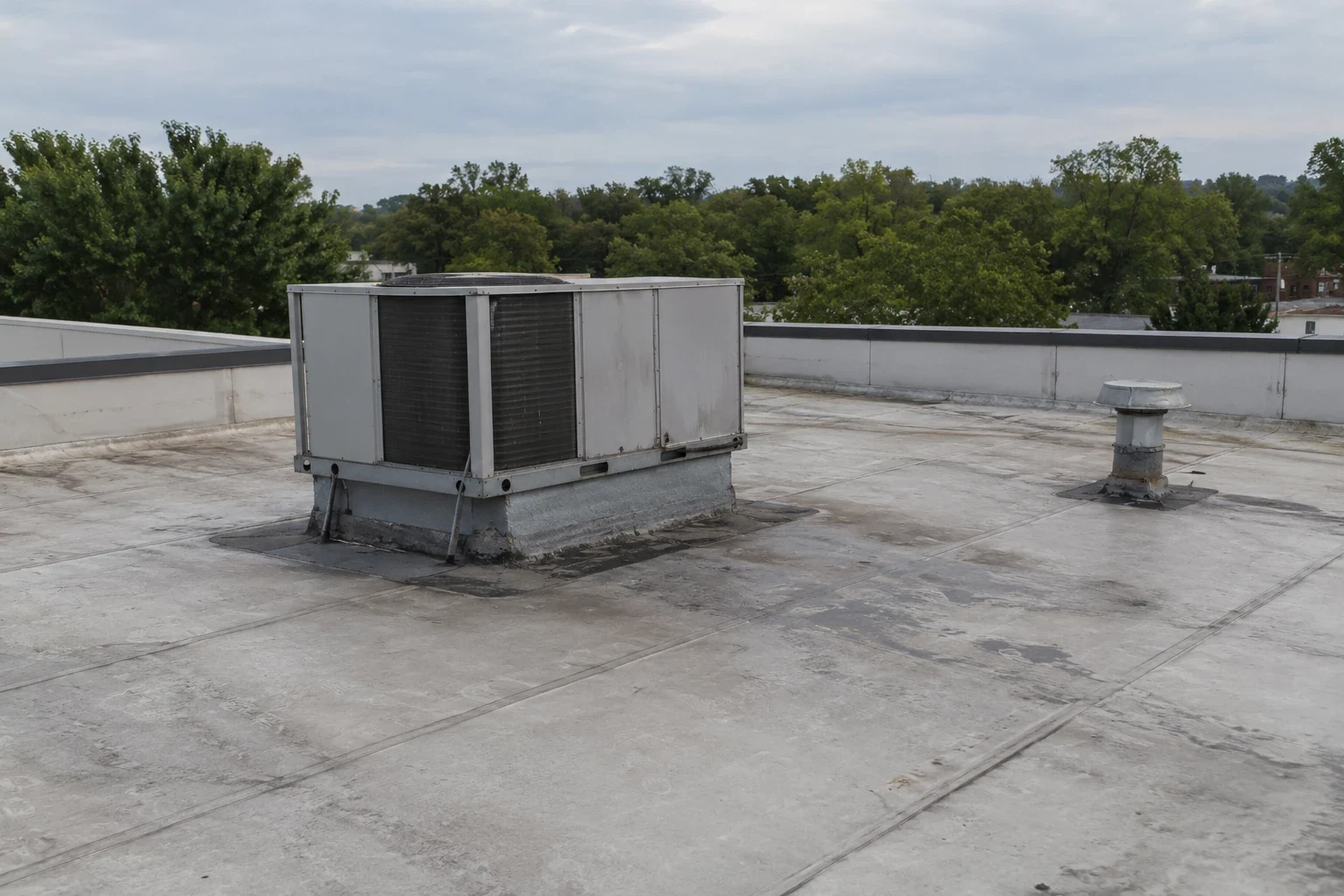
A new curb may need structural or mechanical sign-off before we can flash it. We inspect the roof around it and tell you what the flashing will need: solid wood, the right height and clean membrane to tie into. The mechanical contractor or engineer handles the curb itself, and that work goes ahead of ours in the schedule. A finished roof field does not mean the edges are ready. We list unfinished areas as clear predecessors, so you can plan around them instead of finding out after new material has made them harder to reach.
Our rooftop equipment curbs and supports work depends on the backing and the roof around each curb. We identify the surfaces we will tie into and any adjustments needed. If a unit has to be disconnected or moved, that is arranged with the right trade. Drawings tell us where to look, but we still check the roof in person. You get a flashing scope with its prerequisites spelled out, so a curb is not treated as ready just because the schedule says it should be.
Tying New Roof Into Old
Where a new roof section meets the existing one, the materials have to be compatible and the old membrane has to be sound. We find where the existing roof is in good enough shape to tie into. Old patches, coatings or a different roof system can change the tie-in method, and we account for that before pricing assumes an easy connection. We show what will be removed and what will stay. Areas we have not yet checked are noted, so you can compare options based on the roof that is actually there.
Our commercial roof repair crews handle tie-ins and any existing damage near the new work. If we find a split or a failed edge, it is located and photographed. We do not bury it under a generic tie-in allowance. The repair area is clearly defined. The new roof then ties into a sound edge, and any hidden or structural question is answered or assigned before the project commits materials to an area that may not be ready.
Insulation and Deck Conditions
Wet insulation in the existing roof can change how a new section ties in. When that matters, we take core samples, with access approved, the space below protected and each opening sealed the same day. The building contact handles interior protection. We report what we confirmed separately from areas we did not reach. A dry membrane does not prove the insulation below is dry. Removal quantities are based on findings, not on drawings alone.
Our insulation and cover board work at the tie-in follows what we find on the roof. We locate sound material and flag anything that needs a structural review. If the engineer's findings change the attachment, the size of each work area or the amount of tear-off, we update the roofing quantities to match. The new roof goes on over prepared, sound insulation, and any area still waiting on a check is clearly marked.
Working in Occupied Buildings
Rooms under the roof work may need more protection than the overall project plan provides. We explain the roof work and material handling to the building's contact, who sets the rules for rooms and equipment. You keep those requirements alongside our schedule. Permission to be on site does not mean every room below is protected. If the work area grows, it gets reviewed again. We plan daily dry-in and work areas around how the roof drains, not just around interior room divisions.
For reroofing occupied buildings, we look at how materials can get to the roof and what that means for cost. Tight access can mean more handling, and we include it in the price. Crane or delivery locations need approval before materials move. For projects around Greenbrier, we work with the building's own contact. Nearby jobs can share dates, but each roof keeps its own findings and approvals.
Closeout and Handover
A finished roof does not mean the mechanical or electrical trades are done. We document the roofing work we completed and the materials used, and any equipment, structural or interior items stay with their own trades. Deferred roof items are listed with a next step. We review the warranty for the work. You get photos showing completed details, which make it easy to check later changes against what was installed and to separate our completed work from other trades' open items.
When the building is handed over, property management companies receive the building contacts and repair history. On industrial projects, roofing for manufacturers includes production requirements alongside the roof work. Each trade's responsibilities stay clear. Any new penetration after closeout gets its own flashing review. If a leak is reported later, our records give the location and timing to start from, and the repair is based on current conditions.
Commercial Roofing Questions
What needs to be ready before you flash a new curb?
The curb has to be installed and secured, with solid wood or blocking at the right height. Equipment that will sit on it should be coordinated with the mechanical contractor.
Can a new roof section tie into an old one?
Usually, if the existing membrane is sound and the materials are compatible. We check the tie-in area and explain the prep needed before pricing.
Do you check existing insulation at tie-ins?
Yes, when it matters. Core samples confirm whether the insulation is dry enough to stay, and openings are sealed the same day.
How do you handle work over occupied space?
We coordinate with the building contact on protection, work hours and material routes, and we size daily work areas so they can be dried in before we leave.
What do we get at closeout?
Photos, a description of completed roofing work, materials used, warranty information and a list of any open items for other trades.
Bring us in early on your next project
Send us the building address, drawings and project schedule. We will inspect the roof and give you a roofing scope with clear prerequisites.