
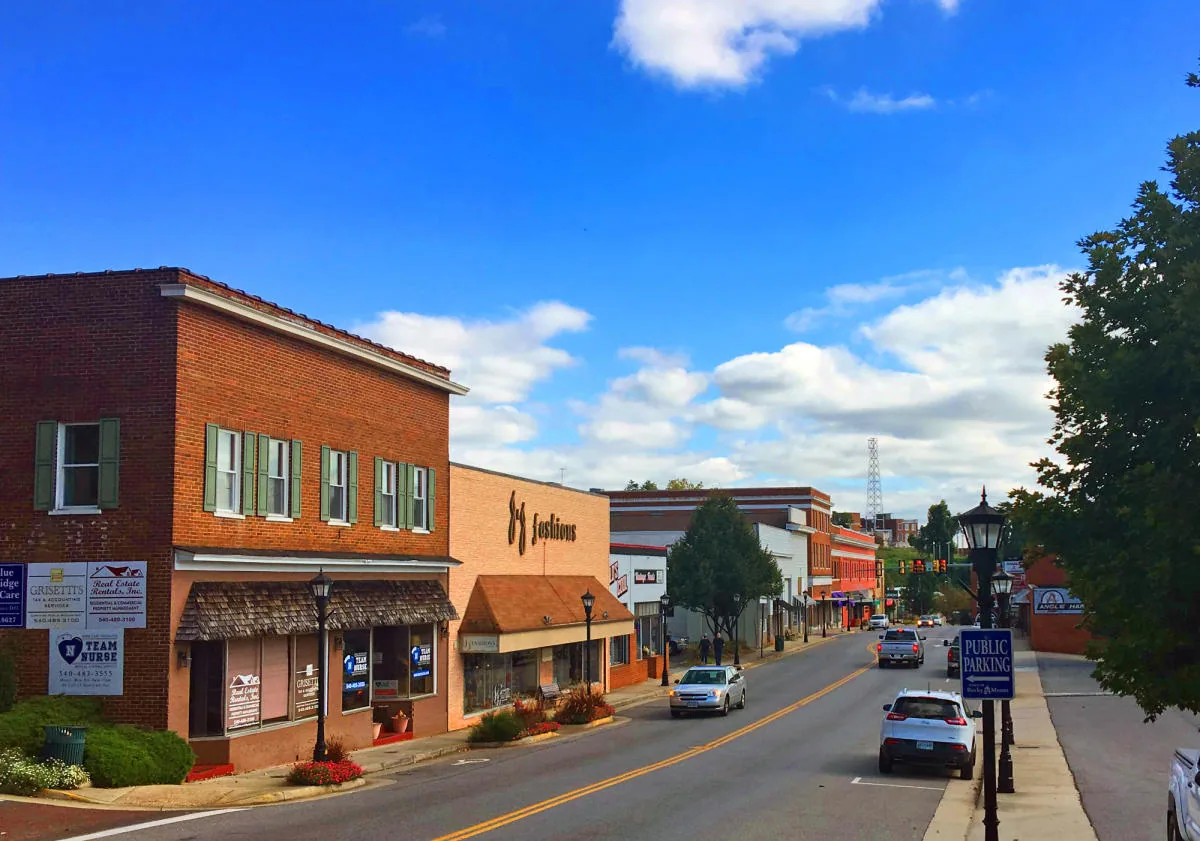
A roof recover installs a new roof over the existing one, which can save tear-off costs and keep the building closed in. But if the insulation under a Franklin commercial roof is wet, a recover just seals that problem in. We assess recover options for commercial buildings in Franklin and around Chesapeake, VA, based on what's actually on the roof. We check which layers are sound enough to stay, which need to come out and how the new roof will tie into curbs, edges and drains. You'll get photos and a clear explanation of whether a recover makes sense or whether replacement is the better choice.
Franklin is an independent city served by US 58 and US 258, with a mix of older commercial and industrial buildings. The building contact tells us which rooms are affected, any restrictions on access and what roof records are available. We inspect the existing roof and test the insulation before recommending recover or replacement. Anything we can't confirm without opening the roof is noted clearly until we can check it.
Can the existing roof stay?
A recover depends on the roof underneath. We look at the existing layers and decide whether they can support the new system. Wet insulation, rotted deck or loose layers usually have to come out, even if the surface looks mostly fine. We test for hidden moisture with methods suited to your roof type. Our findings separate what definitely needs removal from what can stay, and what still needs more testing. A new roof on top doesn't make a bad base acceptable.
Our roof recover and overlay assessments follow what we find on your building. Buildings in Windsor get their own inspection. Whether a recover works also depends on how the new roof will be fastened or adhered. If there are questions about the deck or structure, an engineer may need to weigh in. You'll know about those before choosing a recover. We base our recommendation on your roof's actual condition, not general assumptions about buildings in the area.
Finding wet insulation before you recover
A ceiling stain doesn't show how much insulation is wet. Water can travel across the roof layers before dripping inside. We test suspicious areas with infrared scans, moisture meters or core cuts, depending on the roof type. Scan readings have to be interpreted with the roof construction and equipment in mind, so we confirm what they show before deciding what to remove. If we can't tell from the access we have, we say so.
Our infrared moisture survey is often the first step in a recover decision. Buildings in Smithfield get their own testing. Some roofs don't scan well, and then we use other methods rather than assume the insulation is dry. If we find more damage once the roof is opened, we photograph it and explain the fix. The area to be removed follows what we confirm, not the outline of a ceiling stain. The new roof then goes over a dry, solid base.
Curbs, edges and drains after a recover
A recover adds thickness, which raises the roof surface. That can shorten flashing heights at HVAC curbs, walls and roof edges. We measure those details before deciding on a recover. Curbs may need to be raised, or the equipment adjusted by your HVAC contractor, so the new flashing can be installed correctly. Drains also need attention: if the roof surface rises, drains may need extensions or new bowls to keep water flowing. We plan all of those together so no detail gets left behind.
Our equipment curb and support work follows your roof's actual dimensions. Your HVAC contractor handles any changes to the equipment itself. New insulation can change measurements, so we confirm them before ordering custom metal. If old sealants or coatings are on the roof, we check whether the new materials will bond to them. We choose materials that work with your roof's actual details. Your recover estimate includes the curb, edge and drain work it needs, not just the field.
Recover or replace?
We compare recover and replacement only after we know the condition of the existing roof and its details. If wet or damaged insulation is widespread, tearing off is usually better than burying the problem. If the damage is limited and the rest of the roof is sound, a recover with targeted repairs may work. We explain what each option needs to fix. A replacement recommendation should be based on more than a single ceiling stain, and a cheaper recover shouldn't skip the insulation or flashing repairs the roof actually needs.
Our roof replacement assessment for Franklin buildings uses the same findings. You'll see what we confirmed and what still needs testing. Each option shows what stays and what gets replaced, along with insulation and flashing work. We consider your building's specific requirements before finalizing the plan. If something affects whether the old roof can stay, we tell you. Photos help you compare what each option actually involves.
Protecting the building during installation
Installing a new roof creates noise, debris and temporary openings above the rooms below. The building manager tells us which areas need protection and how materials can move in and out. We only open as much roof as we can seal that day. Insulation, membrane and flashing need to be on site before we start. If ceilings or electrical equipment have been affected by leaks, your maintenance staff or an electrician should check them. If conditions aren't right for installation, we pause and explain what needs to change.
When we schedule roof work over occupied buildings, protecting the space below comes first. For office buildings, the building manager sets the restrictions. When the job is done, we show you what was installed, which details were rebuilt and which parts of the old roof were kept. Service crews get tips for avoiding damage to the new roof. If water shows up inside later, we inspect it fresh. You can report problems nights and weekends with photos, and we'll confirm timing based on your Franklin access.
Franklin has a history of flooding along the Blackwater River, so it helps to separate roof leaks from water that came in at ground level or through walls. During an inspection, we note where interior water shows up without assuming it's a roof leak. On the roof, we check edges, walls and drains for a matching entry point. If your building stays open through storm season, we agree on a temporary protection plan and when we'll come back to check it.
Commercial Roofing Questions
What makes a Franklin roof a bad candidate for a recover?
Wet or damaged insulation, a deteriorated deck or details that can't be adapted to the new roof height. We test those before recommending a recover.
If the roof surface looks fine, is the insulation dry?
Not necessarily. Water can soak insulation without showing on top. We test suspicious areas before deciding what can stay.
Why do curb heights matter for a recover?
The new roof raises the surface, which shortens flashing heights at curbs and walls. Curbs may need to be raised so the flashing stays watertight.
How do you decide between recover and replacement?
We compare what each option needs to fix, based on testing. If damage is widespread, replacement is usually better. If it's limited, a recover may work.
How do you protect rooms below during installation?
We only open what we can seal that day, keep materials ready and coordinate access and protected areas with the building manager.
Thinking about a roof recover in Franklin?
Send us the Franklin address and any roof records you have. We'll test the existing roof and tell you whether a recover or a replacement makes more sense.