

On a Camden commercial roof, punctures usually happen along the path service crews walk to rooftop equipment: a dropped tool, a sharp screw, a dragged panel. A hole the size of a pencil can let rain under the membrane, and the water often spreads through the insulation before it shows up inside. We repair commercial roofs in Camden and across the Chesapeake, VA area, and we start by finding every opening, not just the obvious one.
Camden County sits along US 17, the same highway that runs up through Chesapeake, and its businesses are spread across a wide area. When you call, give us the address and tell us where water is showing up inside and when. The building manager confirms roof access and which rooms need protection. We inspect the membrane around the reported area, trace the water back from the interior stain and check whether the insulation under the puncture is wet. You'll get photos showing what we found and how far the repair needs to go.
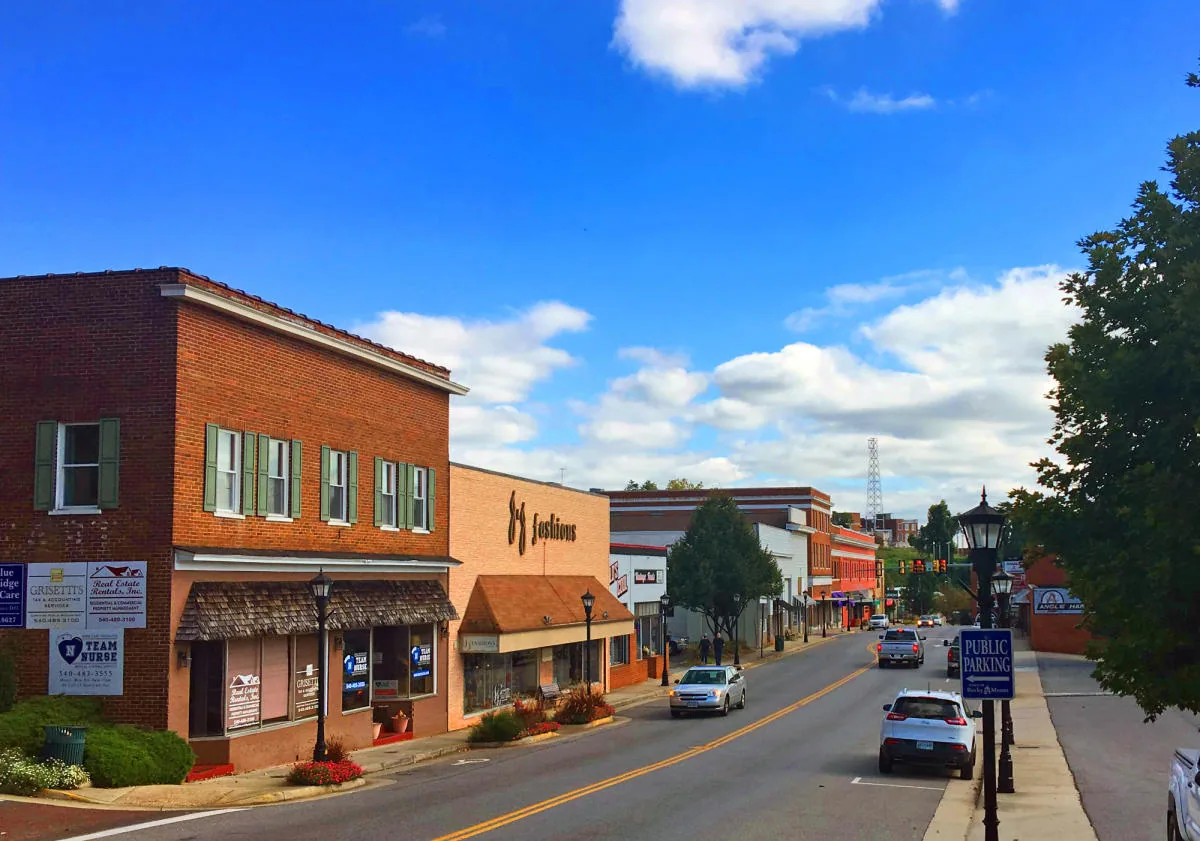
Punctures along rooftop walkways
Rooftop traffic causes most punctures. HVAC techs carrying tools and parts, crews replacing units and even storm debris can cut, scrape or pierce the membrane. We look at the area around the reported leak and along the paths people walk, since there are often several small punctures, not just one. Nearby flashings, curbs and seams get checked too, because water from one of them can look like a puncture leak from inside.
Our commercial roof repair crews identify the membrane type and any old patches before choosing repair materials. Buildings in Moyock get the same inspection on their own terms. Loose material, dirt and incompatible old patching compounds have to be removed so the new patch can bond properly. A patch made for TPO won't hold on EPDM, and vice versa, so we match the repair to your roof. If we can't tell how far the damage goes from the surface, we say so and explain what testing would answer it.
Is the insulation wet underneath?
Rain that gets through a puncture doesn't stay where it entered. It can soak insulation several feet away. A small hole doesn't mean a small problem underneath. We check the insulation around the puncture, using an infrared scan on larger roofs or core cuts where it makes sense. Scan results need to be read in context, since equipment and roof layers can affect them. We separate what we've confirmed is wet from areas we still need to check.
If the insulation or cover board is soaked, it has to be replaced before the new membrane patch goes on. Buildings in Elizabeth City get their own testing too. Dry, sound insulation stays in place. If we find more damage when we open the roof, we show you and agree on the cost before expanding the repair. Patching over wet insulation might stop the drip for a while, but the trapped water keeps damaging the roof from below.
Making the patch bond
A good patch needs a clean, sound area of membrane around the hole to bond to. We check that surrounding membrane for weathering, old repairs and contamination. Each type of roof has its own patching method: heat-welded patches for TPO and PVC, taped or adhered patches for EPDM, torched or adhered patches for modified bitumen. On older or weathered membrane, we may do a test patch first to confirm the repair will hold. If we replaced insulation underneath, we make sure the new section sits level with the surrounding roof.
When we perform a roof leak repair near a pipe or curb, that penetration may need its own flashing repair too. If an HVAC unit needs to be moved to reach the damage, your mechanical contractor handles it. We also watch the weather: patches need a dry surface and suitable temperatures. If conditions aren't right, we put down a temporary seal and come back to make the permanent repair. You'll always know exactly where things stand and what's left to do.
Protecting the building during the repair
For occupied buildings, we plan how materials get to the roof without disturbing the people below. The building manager tells us which areas need protection and the best route to the roof. We protect equipment and membrane we're not working on so we don't create new damage along the way. If HVAC work is happening at the same time, we coordinate so their crew doesn't interrupt our repairs, or the other way around. Any section we open gets sealed before the day ends.
For roof work over occupied buildings, temporary seals tie into the surrounding membrane until the permanent repair is done. We note which repairs are temporary and which are final. If ceilings or electrical equipment got wet, have your maintenance staff or an electrician check them; that's their call, not ours. When we finish, we give service crews tips on where to walk and how to protect the repaired area. We can't prevent every future puncture, but we can make the repair solid and the walkways clear.
After the repair
When the repair is done, we check every seam and edge of the patch. We note exactly where insulation was replaced and where the repair meets the existing roof. Anything nearby that we spotted but didn't fix, such as a worn seam or an aging flashing, is listed separately so it doesn't get lost. If new damage happens later, we inspect it fresh and compare it to the records. The building manager gets a clear note about the repaired area and safe routes for future service visits.
Our roof condition reports include photos of the finished repair. For office buildings, the building manager tells us which areas have restrictions. If ceilings need repair after a leak, your interior contractor decides when they're ready. A dry roof doesn't always mean the ceiling is dry inside. If a puncture leak shows up over a weekend, tell us when it started and where the water is. We'll confirm when we can get there based on your Camden location and access.
Commercial Roofing Questions
Does a small puncture mean only a small repair?
Not always. Water can spread through the insulation far beyond the hole. We check the insulation around the puncture before deciding how big the repair needs to be.
How big does a patch need to be?
Big enough to bond to clean, sound membrane around the damage. The roof type, surrounding condition and any nearby flashing all affect the final size.
Can an infrared scan tell exactly how much insulation to remove?
It points us to likely wet areas. We confirm those with core cuts and look at the roof's construction before deciding exactly what to remove.
How do you handle service crews while repairing a puncture?
We plan walking routes that avoid the repair, coordinate any HVAC work and seal open areas at the end of each day.
What's included in the repair record?
Photos of the finished patch, any insulation replaced, where the repair meets the existing roof, and any nearby issues we noticed but didn't fix.
Puncture or leak in Camden? Get it fixed right
Send us your Camden address and photos of the damage or the water inside. We'll inspect the membrane and insulation and explain the right permanent repair.