
A spray foam roof depends on its top coating. When that coating wears thin or gets damaged, sunlight and foot traffic start breaking down the foam underneath, and water follows. On a public works or service building, the fix is more than spraying a fresh coat across the whole roof. Spray polyurethane foam roofing in Chesapeake, VA starts with finding what's damaged, whether that's the coating, the foam or the roof under it. For a government or service building, we also plan around equipment and the people working below.
We inspect the coating, look for soft or blistered foam, check how water drains and examine every curb, pipe and edge. The building manager tells us which areas are occupied, where we can stage equipment and when we can spray, since overspray and odor need to be managed. If the roof underneath has wet insulation or rotted deck, that gets fixed first. The estimate separates what we know needs repair from areas we still need to test, and lists the coating and foam products we'll use.
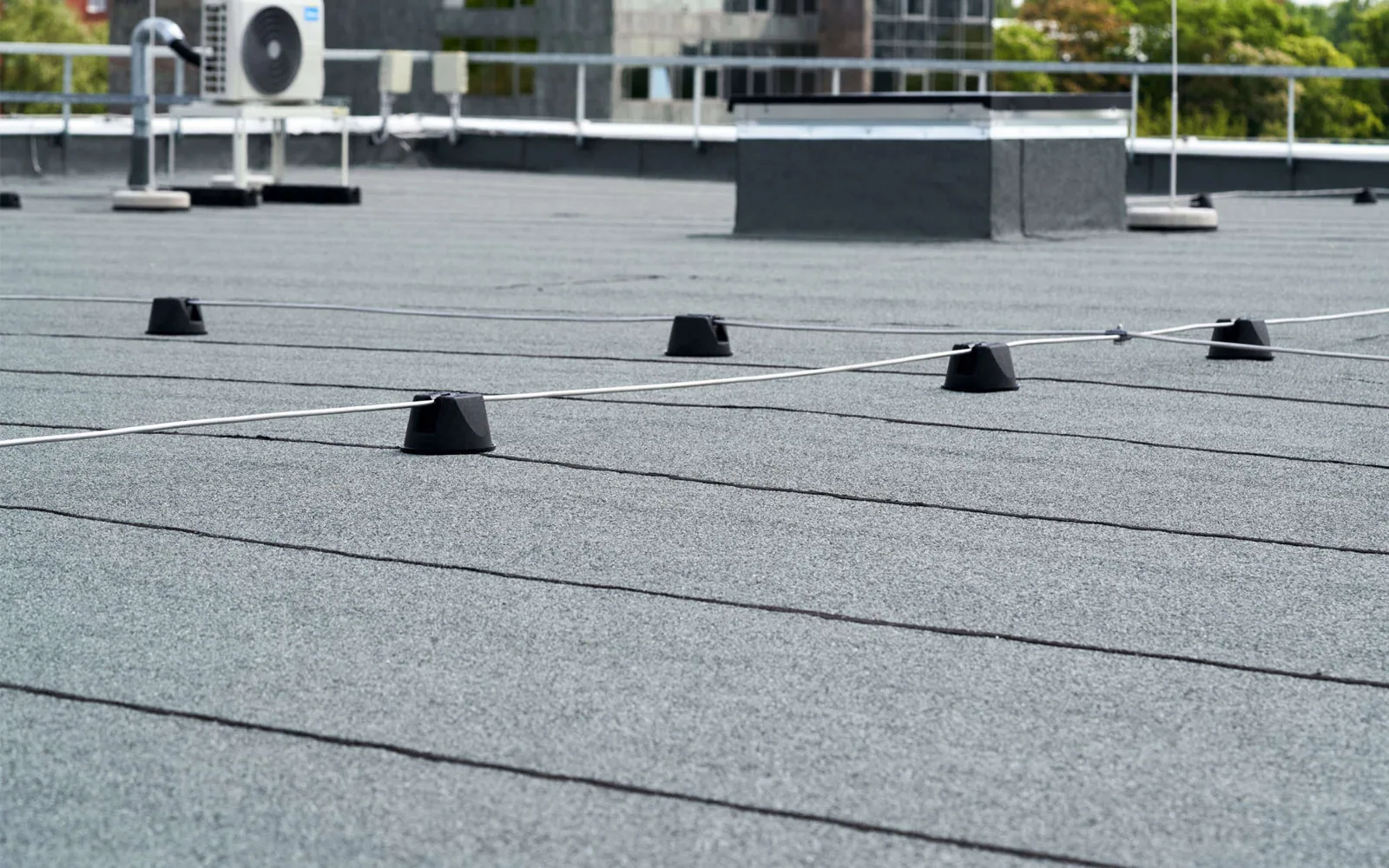
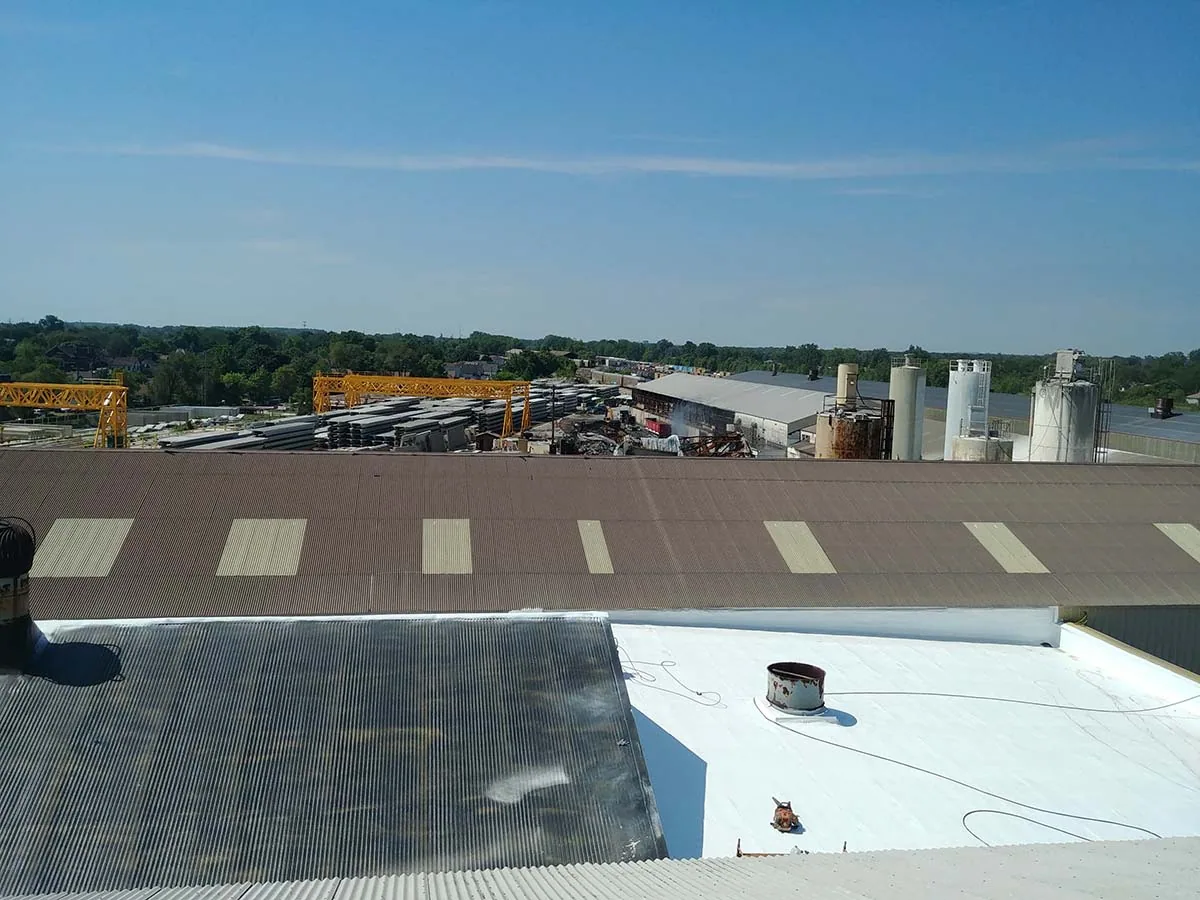
Foam and its protective coating work together
A foam roof has two parts that work together. The sprayed foam provides insulation, fills low spots and forms a seamless waterproof layer. The coating on top, usually silicone, acrylic or another elastomeric product, sometimes with embedded granules, protects that foam from UV light, weather and foot traffic. Without a sound coating, the foam degrades. An estimate should name both the foam and the coating, along with how thick each will be applied, not just give a price per square foot.
The coating also needs regular attention. Depending on the product and how the roof is used, it will eventually need cleaning and recoating to keep protecting the foam. We go over what maintenance your specific system will need so it's not a surprise later. Foam roofs are seamless across the field, but curbs, walls, drains and edges still need careful detail work. Spraying also requires the right weather: dry surfaces, moderate temperatures and low wind. We schedule around those conditions rather than force the job on a bad day.
Preparing the surface before spraying
Foam has to be sprayed onto a clean, dry, solid surface. That might be an old built-up roof, a metal roof, a concrete deck or a previous foam roof. We check what's there, how well it's attached and whether it's holding water. A dry-looking surface can still have soaked insulation underneath. If we suspect moisture, we'll recommend core cuts or a scan before quoting, because spraying foam over wet material traps the water and leads to failure.
A roof inspection before a foam project covers the existing roof's condition, attachment, drainage and details. Any wet or damaged areas are cut out and replaced before spraying, and that cost belongs in the estimate along with removing loose gravel, cleaning and priming. Choosing foam doesn't make an unsuitable surface suitable. Our report explains what we confirmed, what we still need to test and how that affects the price. If prep is underestimated, the foam won't bond well, and problems show up quickly. So we would rather show you the real prep cost upfront.
Damaged spots, wet insulation and equipment
A cracked or punctured coating lets water into the foam and sometimes into the roof underneath. We check how far the damage goes before repairing it. Small damaged spots in foam can often be cut out, refilled and recoated. If the wet area is larger, damaged material comes out and is replaced. New coating won't dry out wet foam or insulation under it. If we find more damage once we open the roof, we show you, agree on the cost and keep the roof sealed meanwhile.
Rooftop equipment curbs and supports are often where foam roofs have trouble, because foam has to be sprayed carefully around them. If a unit needs to be lifted or moved so we can reach the curb, your mechanical contractor handles that part. We schedule the spraying around their work and protect the equipment from overspray. A curb isn't considered done until it's properly foamed and coated, even if the rest of the roof is finished. We'll need equipment details before ordering materials.
Foam vs. silicone coating or TPO
Some owners compare a full foam roof with simply recoating their existing roof. Silicone roof coatings are often used as the top layer on foam roofs and can also be applied directly to some existing roofs. A coating alone doesn't add insulation or fix low spots, while foam does both. We compare the two using the same repairs and the same building protection, so you can see what each one costs and what it actually delivers.
TPO roofing is a completely different approach: a single-ply membrane with heat-welded seams, usually installed over new insulation. It needs different attachment, flashing and edge details. TPO doesn't require recoating the way foam does, but it has seams that foam doesn't have. We price both with the same scope, including edge metal, curbs and building protection. The best choice depends on your building, budget, how much insulation you want to add and how much maintenance you're prepared to do over the years. We'll walk you through the trade-offs in plain terms.
Foam roof projects around Greenbrier and Great Bridge
The Greenbrier area has a wide mix of commercial buildings, and a nearby foam roof doesn't mean yours is foam too. For foam roofing in Greenbrier, we confirm what's on your roof, check the surface and coating condition, and plan the spray work around the building's equipment and schedule. If one area isn't ready, such as a curb waiting on an HVAC contractor, we keep it on the list and work on the rest. You'll know exactly what's being sprayed, coated and checked afterward.
For occupied buildings, we describe how each day's work is protected and sealed. When the job is done, you get photos, the foam and coating products used, thickness checks and notes on future maintenance. Anything left for other trades is listed separately. Warranty terms depend on the system, so we'll review the documents with you instead of promising a set number of years.
Within the Greenbrier Business District and in Great Bridge, we check every roof directly. At key spots, we look at coating coverage, cracks, contamination, drainage and how equipment interrupts the roof. If anything about the surface underneath is uncertain, we say so clearly. That gives you a solid basis for the price and avoids assuming your roof matches a neighbor's.
Commercial Roofing Questions
What makes up a spray foam roof?
Sprayed polyurethane foam for insulation and waterproofing, topped with a protective coating such as silicone or acrylic. The estimate should name both and how thick each will be.
Can foam be sprayed over any existing roof?
Only if the surface is clean, dry and well attached. Wet or loose material has to be removed first. We test before recommending foam.
What does the coating on a foam roof do?
It protects the foam from sunlight, weather and foot traffic. It needs periodic cleaning and recoating to keep doing that job.
How do you handle equipment on a foam roof?
Your mechanical contractor lifts or moves units if needed, while we foam and coat around the curbs. We protect equipment from overspray and schedule around their work.
What records should I get after the foam roof is done?
Photos, the products used, thickness checks, maintenance recommendations, warranty documents and a list of anything still waiting on other trades.
Trace the weakness beneath the foam roof covering
Send us any records of your roof and photos of the damaged area. We'll inspect the foam and coating and explain your repair or replacement options with photos.