
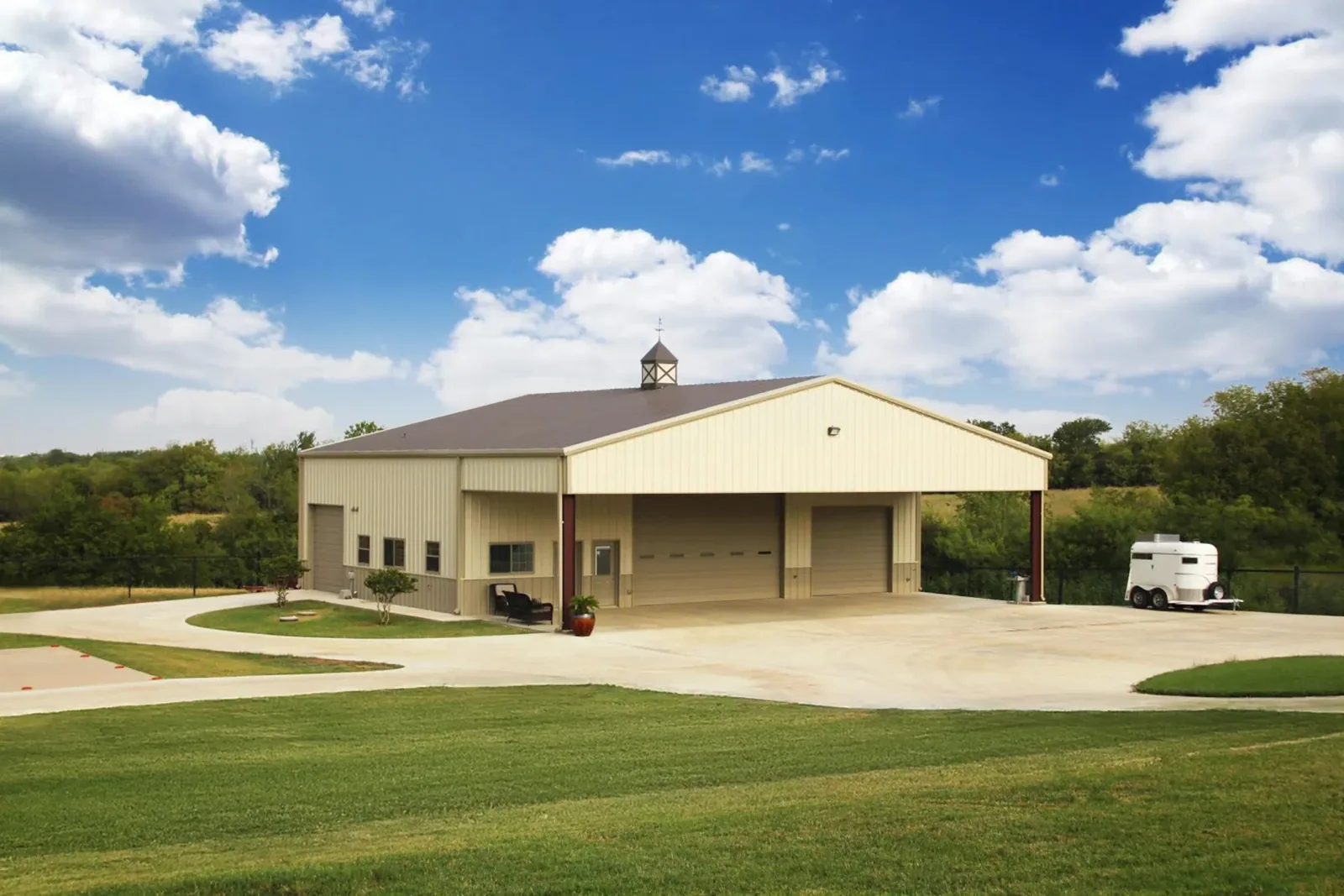
Hangar roofs are big, often metal, and sit over some of the most expensive equipment a business owns. A drip that would be a nuisance in a warehouse can mean a damaged aircraft finish, wet avionics or a grounded plane. In Chesapeake, the leaks we see on hangars usually come from three places: panel laps and fasteners on the main roof, the flashing above the hangar door where the roof meets the door header, and penetrations for exhaust fans, vents and lighting. Wind-driven rain off the water makes all three worse.
We start by finding exactly where water gets in, which is not always above the drip. On a metal roof, water can run along a panel rib or purlin and come down many feet away. We walk the roof, check the laps, fasteners and flashings, look at the door-head area from above and below, and trace stains back to their source. You get photos and a written explanation of what failed and what it will take to fix it, along with how we plan to protect the aircraft below.
Metal panels that need to move
Metal roof panels expand in the summer heat and contract when it cools off. On a long hangar roof, that movement adds up. Good roofs allow for it with clips, sliding connections and flexible flashings. Many leaks happen when a repair locks two parts together that need to move separately, or when fasteners loosen and the washers wear out after years of cycling. Smearing sealant over a lap usually fails within a season because the panels keep moving under it. Rust around fasteners and at panel ends is another common problem near the coast, where salt air speeds up corrosion.
On a standing seam metal roof, we check the seams, clips and end laps and repair them in a way that keeps the panels free to expand and contract. If the roof is an older through-fastened panel with widespread fastener and rust problems, a metal roof retrofit may make more sense than chasing individual leaks. A retrofit can add a new roof over the existing panels, often with added insulation, without removing the old roof over the aircraft. That keeps the hangar in service during the work.
The flashing above the hangar door
The door header is one of the hardest details on any hangar. The roof edge sits over a large opening, the door structure moves when the door operates, and wind drives rain straight at the joint. Flashings here often get damaged when the door is serviced, or they were never detailed to handle the movement in the first place. A leak at the door head can drip right onto the nose of a parked aircraft, so it deserves careful attention. Gutters and downspouts at the door side also fill quickly in heavy rain and can overflow into the joint.
We inspect the flashing, the edge of the roof over the header and any penetrations near it, and our penetration and flashing repair work covers rebuilding those details properly. If the door system itself needs adjustment, that belongs to the door contractor, and we coordinate so they can reach their equipment before and after our work. The new flashing is designed to shed water without restricting the door or blocking access for future service.
Protecting aircraft and the work area
Before we open any part of a hangar roof, we agree with the hangar manager on where aircraft will be parked and what space has to be cleared beneath the work. Debris, fasteners and old sealant can fall during repairs, so we set up protection or ask that the aircraft be moved out of the work zone. Ground equipment, tools and parts storage below the roof need the same consideration. Nothing gets opened until the area below is ready.
Our roofing for occupied buildings approach covers working in phases so the hangar can stay in use. We open only what can be closed the same day, clean up loose material as we go, and plan material lifts so cranes never swing over parked aircraft. If weather threatens, the roof is sealed up before the crew leaves. The hangar manager gets a short daily update on what was done and what is planned next. If the schedule has to change for flight operations, we adjust.
Hangars around Chesapeake
Chesapeake Regional Airport, on Airport Drive, has corporate hangars along with other airport buildings, and there are private and business hangars elsewhere in the city as well. Each one has its own roof type, age and repair history. We do not assume one hangar is built like the next; the repair is based on an inspection of the specific building and the problem area. Older hangars may have been reroofed in sections over the years, with different materials on different parts of the same building.
For aircraft hangar roofing across Chesapeake, we work with the hangar owner or manager to set access times, parking for our vehicles and any airport security rules. If the hangar sits near active ramps or taxiways, we follow the airport's requirements for crews, equipment height and debris control. Loose debris near aircraft movement areas is a real hazard, so cleanup is constant rather than at the end of the day.
The written proposal explains what failed, what we will repair, how the aircraft will be protected and what the job will look like day to day. If the inspection turns up something outside roofing, such as a structural concern or door problem, we note it so the owner can bring in the right specialist. Photos of the before and after condition are included at the end of the job.
Other buildings with similar issues
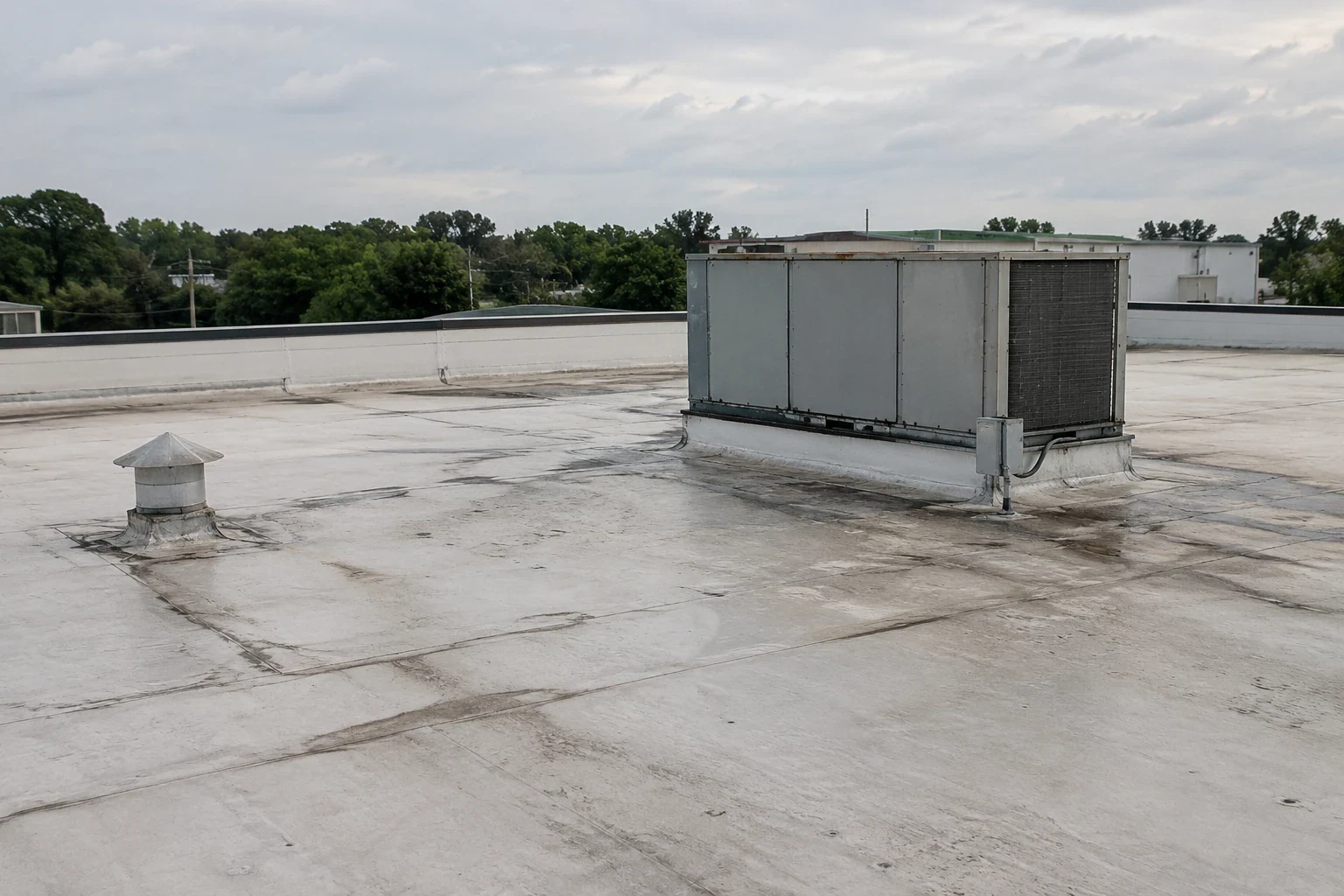
Manufacturing buildings share some of the same concerns as hangars: large open spaces, expensive equipment below and roof penetrations for exhaust and process equipment. Our manufacturing plant roofing page covers how we plan repairs around production lines and equipment. As with a hangar, the main questions are how to find the leak and how to keep the space below protected while the roof is open. Production schedules often matter as much as weather when we plan the work.
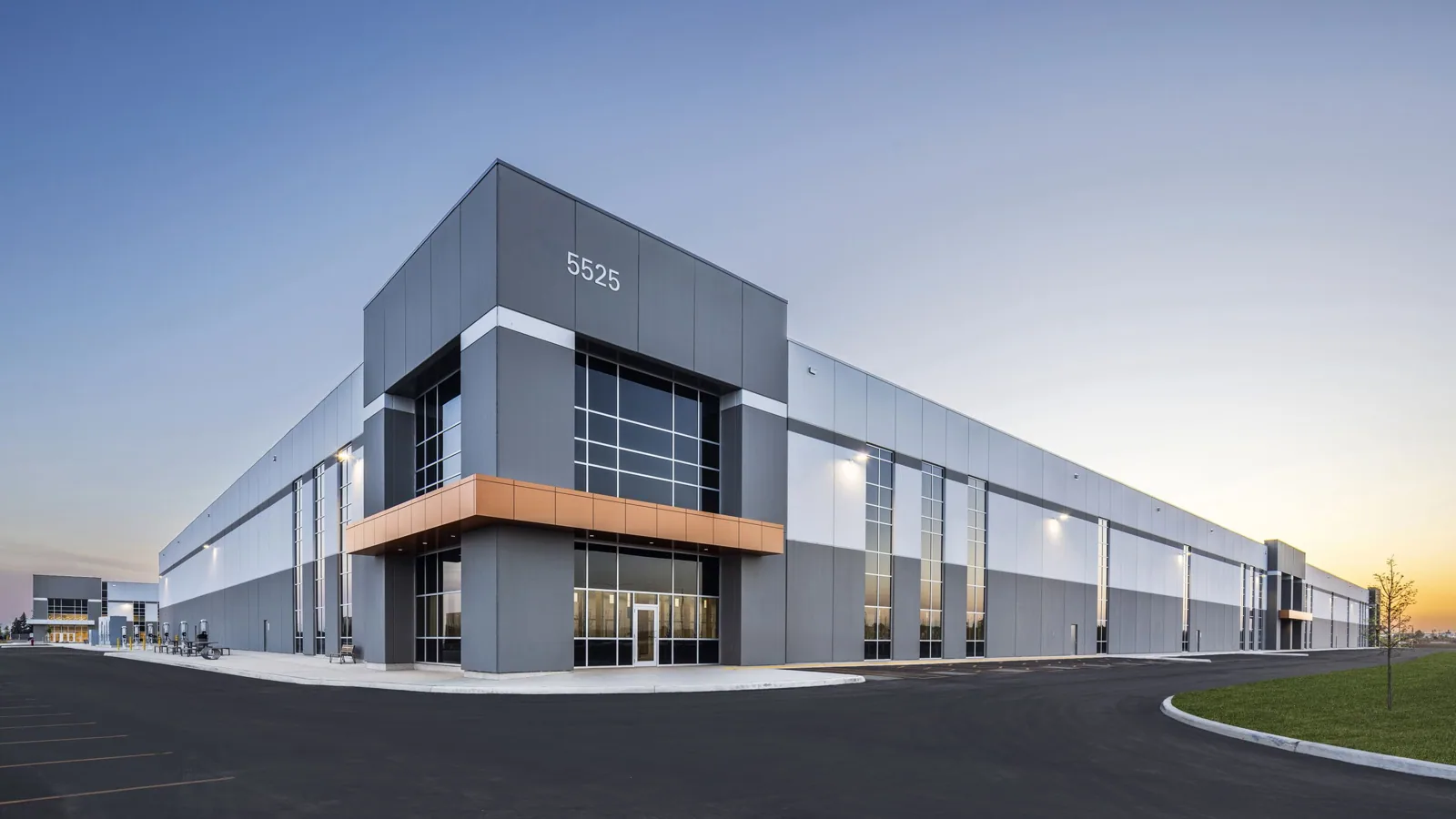
Warehouses often have similar metal or low-slope roofs over stored goods. Our warehouse roofing page explains how we protect inventory and plan repairs around loading schedules. Whichever kind of building it is, we look at how that roof is built and how the space below is used rather than copying a repair from somewhere else. Details that work on a warehouse may not suit a hangar door head, and the other way around. The goal is the same, though: a dry building and a repair that lasts.
Commercial Roofing Questions
Why do metal hangar roofs leak at the laps and fasteners?
Metal panels expand and contract with temperature. Over time, fasteners loosen, washers wear out and sealant at the laps cracks. Repairs need to allow for that movement or the leak returns.
Is a retrofit roof better than repairing the existing metal roof?
It depends on how widespread the problems are. A few leaks can be repaired; widespread rust and fastener failure often make a retrofit over the existing panels the better value.
Why is the hangar door area so hard to keep dry?
The roof edge sits over a big opening, the door structure moves, and wind drives rain at the joint. The flashing has to handle all three without restricting the door.
How are aircraft protected during roof work?
We agree on parking positions with the hangar manager, protect or clear the area below the work, open only what can be closed the same day, and keep crane lifts away from aircraft.
What do we receive after the repair?
Photos of the before and after condition, a description of the work done and materials used, and notes on anything outside the roofing scope that needs attention.
Have the hangar roof leak traced
Tell us which hangar and where water is showing up. We will inspect the roof and door-head area and send photos with a short written repair plan.