
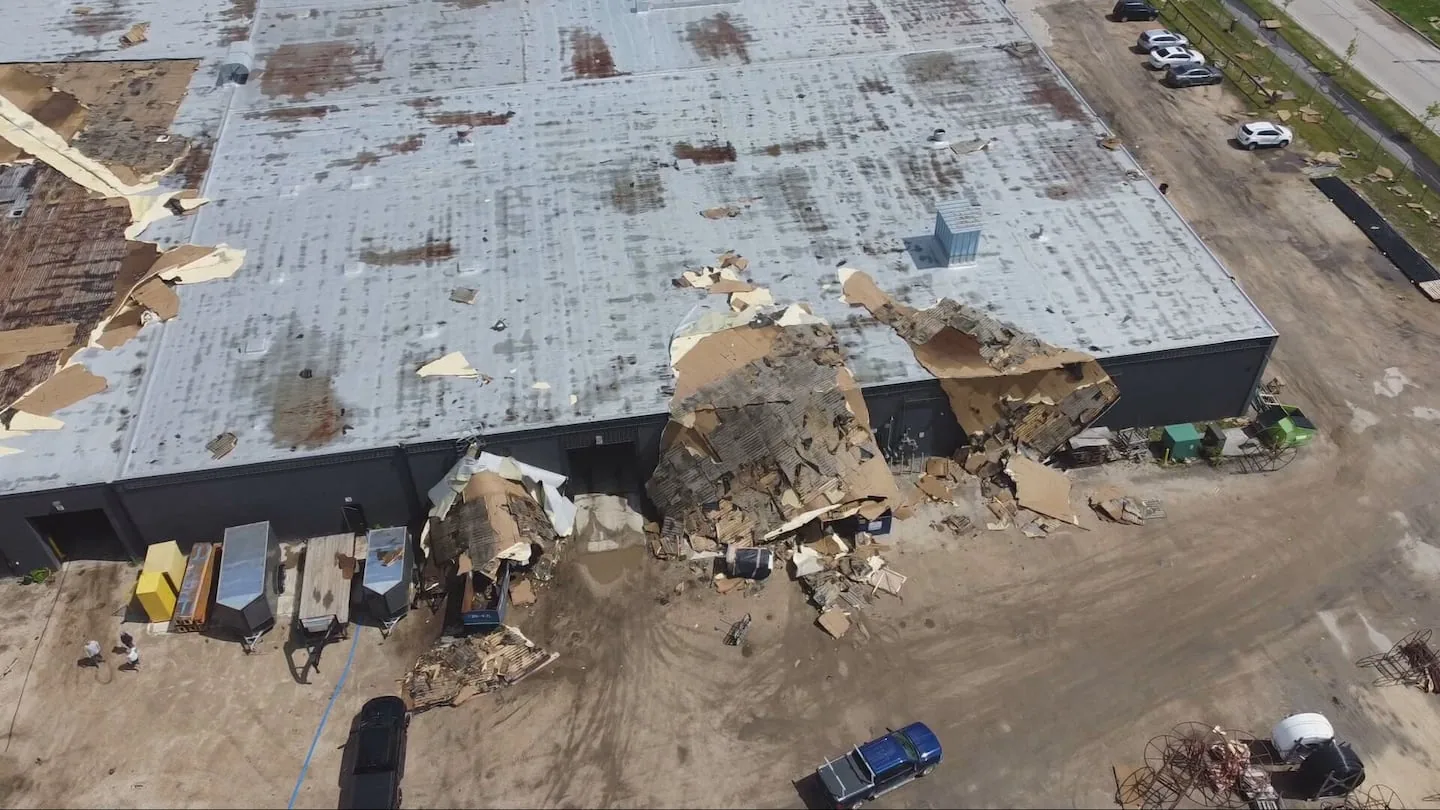
A tornado can peel a metal panel off a Chesapeake warehouse and expose the roof below, while flying debris punches holes in sections that look untouched from the ground. We inspect commercial roofs after tornadoes and repair what we find: torn or missing membrane, loose edges and flashings, punctures and disturbed equipment. A storm's rating does not tell us what is damaged on your building. We explain what temporary protection is needed now and what the permanent repair will involve, and we flag structural or equipment questions for the right professionals when the roof repair depends on them.
Chesapeake knows these storms are real. On March 31, 2017, a tornado touched down near Green Tree Road, reached EF2 strength near Centerville Road and continued into Virginia Beach. Every building's damage is different, though, and repairs are based on what we find on your roof. Tell us the property address and who can give us access. We inspect the roof and connect any wind damage to what we actually see: torn membrane, loose metal, openings and damaged supports.
Getting Safe Access
After a tornado, loose roofing and debris can make the roof dangerous to walk. We arrange the inspection with the building contact and inspect only the areas that are safe and approved. Our report lists the areas we reached and those we could not. Some sections may need an engineer's approval before anyone goes up, and we note that. Photos show what we saw but do not prove that hidden areas are sound. We protect or repair only the areas we are cleared to work in.
Our storm damage roof repair inspection documents each type of damage separately: loose edges, torn membrane and damaged penetrations. The storm tells us when the damage likely happened, not how much needs to be repaired. Structural questions go to a qualified engineer, and their decision may change how we access the roof or what needs to be rebuilt. We wait for those answers before recommending a larger project.
Checking What Is Left Behind
When a panel or section of roofing tears off, the fasteners, wood nailers and supports underneath are often damaged too. We inspect the roof around the missing section and check what the new material will attach to. Metal that stayed in place is not automatically sound. If the structure needs work, the engineer decides on that. We explain what must be fixed before the new roofing goes on, so the repair has solid attachment and does not tear off in the next storm.
Our wind damage roof repair rebuilds the edges, flashings and attachments that failed. We check metal joints and the membrane where it ends at the edge. A tornado does not tell us whether every remaining piece is still secure, so we check before reusing anything. Hidden wood or structural concerns are listed in our report. The permanent repair goes on only once the base is ready, and each part of the work is shown with its reason.
Debris Punctures
Flying debris can leave small holes in membrane that otherwise looks fine. We inspect each puncture and the membrane around it. A small hole does not tell us whether the insulation below is wet, so we check when it matters. A puncture may also run into a seam or edge. We find those connections before planning the repair. If something on the roof, such as a damaged equipment support, is still causing damage, we flag it so it can be fixed before the patch goes on.
Our membrane puncture repair patches each hole onto clean, sound membrane. The membrane around each hole is cleaned or cut back as needed, and the patch may need to extend past old repairs. If we suspect wet insulation, we check before finalizing the repair. Even when several punctures are fixed in one visit, each one is recorded separately, so you know exactly what was repaired and where instead of reading a vague note about general storm sealing.
Wet Insulation
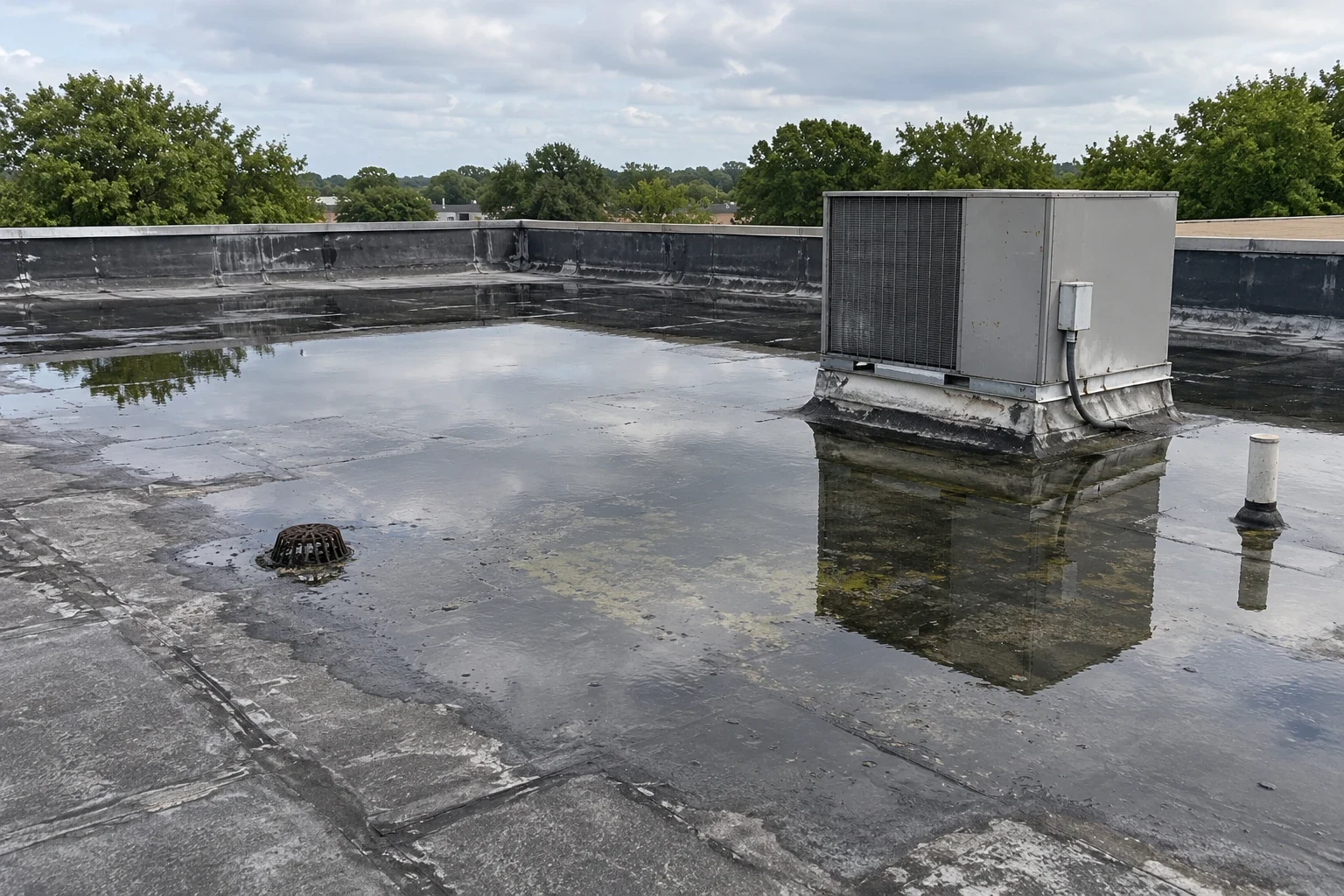
Rain that gets in through damaged roofing can soak insulation well beyond the visible opening. We take core samples to decide what to remove and what to keep. Each opening is approved, protected below and sealed the same day. Our report shows what we confirmed. A dry-looking surface does not prove the insulation underneath is dry. We base the repair on what we find, and any areas still waiting on structural review or access are listed before materials are ordered.
Our insulation and cover board replacement covers the wet or damaged layers we confirm. We mark where sound insulation begins and what will be removed. If the deck or supports need an engineer's review, that comes first and may change how large each work section is or how the roof is attached. The written plan keeps all of this in order, so the new roof goes on over sound insulation and a solid deck.
Emergency Protection
An open roof needs temporary protection while permanent repairs are planned. We work only in areas that are safe and cleared. We take emergency calls overnight and on weekends and holidays, and what we can do depends on access and weather. We explain what the temporary protection covers and what still needs a permanent repair. A tarp or temporary membrane does not fix structural or hidden problems, so those stay on the list until they are resolved.
Our emergency roof repair starts with your building and the most urgent openings. We explain any concerns about the structure before starting work, and the facility team decides how to protect rooms and contents below. For properties near Greenbrier, we work under that building's own approvals. Permission for one building does not cover another. The work plan reflects what is safe, what can be done now and how the roof will be closed up.
Final Documentation
When repairs are finished, we record every repaired edge, seam and patch, along with the materials used. Photos show the completed work. Any items deferred for later are listed with the next step. We review the warranty for the new work. Structural, equipment and interior repairs are handled and approved by their own trades, and insurance decisions are made by your insurer. If a new leak appears later, we compare it with this record and inspect the roof as it is then.
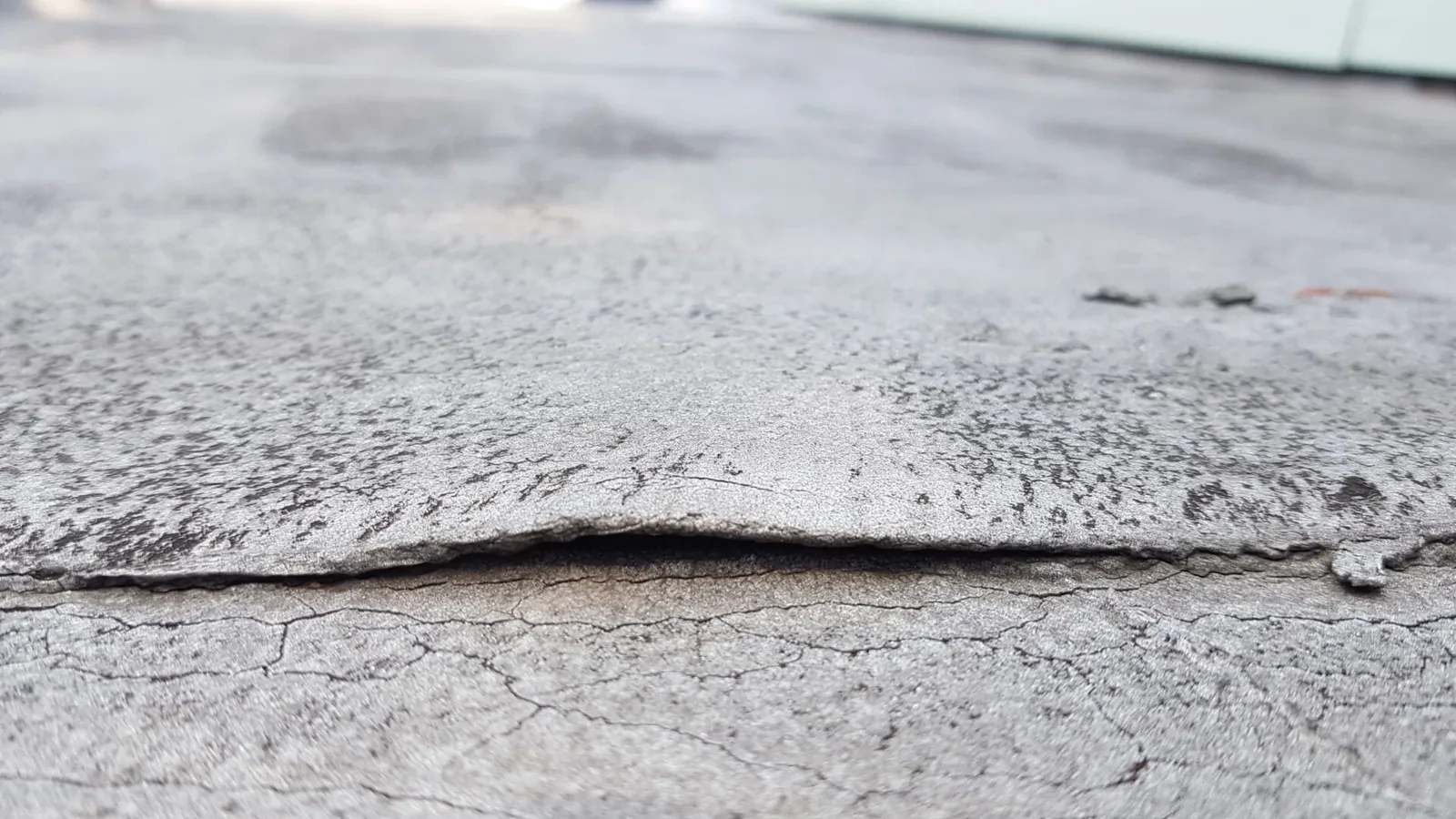
Tornado winds often open seams across the roof. Our seam failure repair cleans and rejoins those seams to sound membrane. We check for movement and nearby details that may need work. Several repairs can be done in the same visit, but each is recorded with its own reason. Future maintenance can follow those locations, and any new damage gets its own inspection and repair.
Commercial Roofing Questions
How soon can you inspect after a tornado?
As soon as the building is safe to access. If an engineer needs to clear parts of the roof first, we start with the safe areas and come back for the rest.
Why check the roof around a missing section?
The fasteners, wood and supports beneath torn-off roofing are often damaged too. New roofing needs a solid base or it will not hold in the next storm.
Can debris damage areas that look fine?
Yes. Small punctures from flying debris are easy to miss from the ground. We inspect the whole roof and patch each hole.
Can you protect the building right away?
Yes. We install temporary protection where it is safe, including nights and weekends, and plan the permanent repair afterward.
Will you help with insurance?
We provide photos, measurements and a written description of the damage and repairs. Coverage is decided by your insurer.
Get tornado damage assessed
Tell us your building address and who can give us access. We will inspect the roof, protect openings where it is safe and send photos with a clear repair plan.