
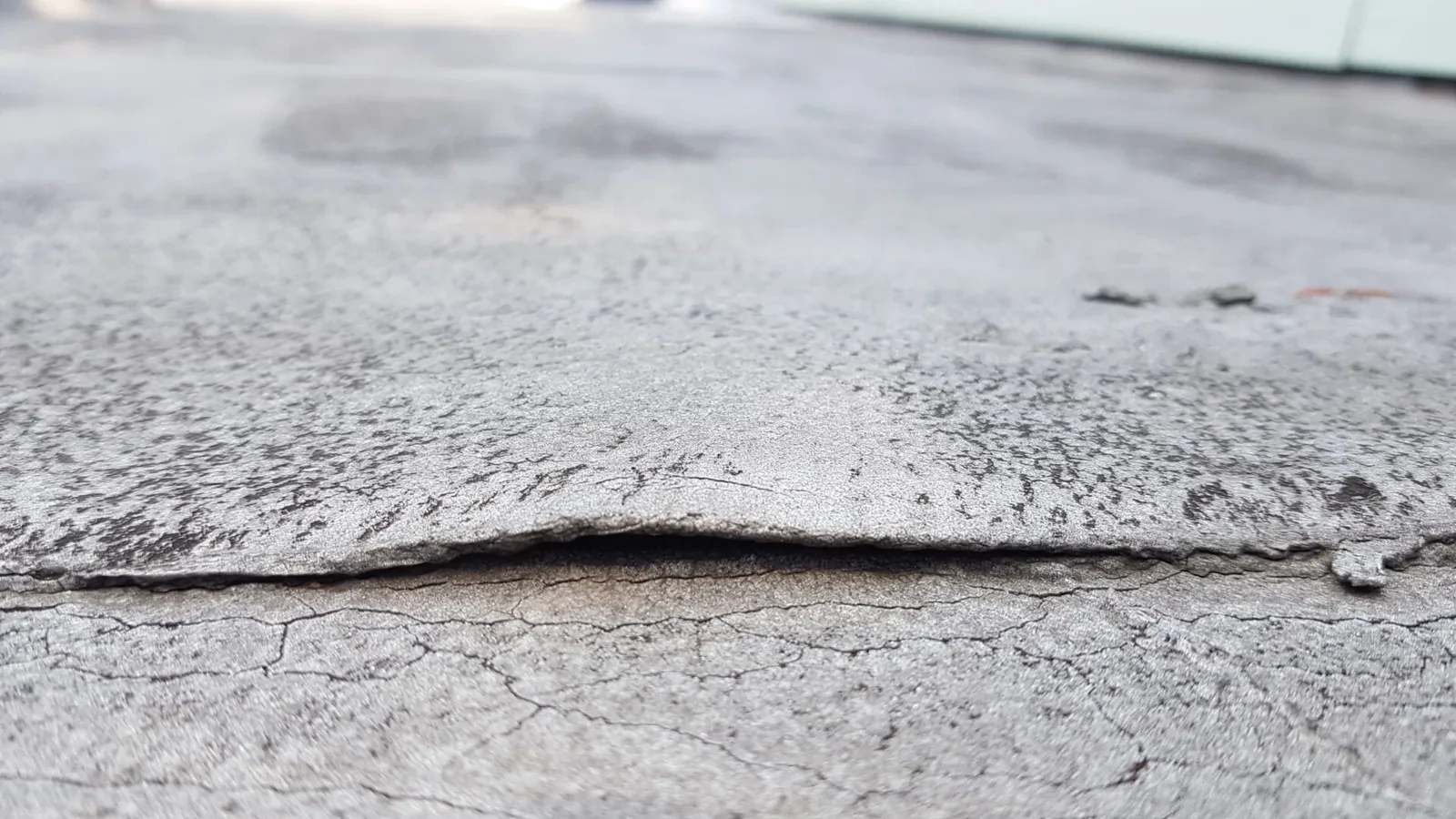
Hampton Roads summers are long, hot and humid, and years of sun take a toll on commercial roofs. A cracked membrane next to an equipment curb on a Chesapeake office building can leave the insulation underneath open to rain. Before choosing a new membrane or a coating, it is worth understanding how far the weathering goes. We inspect roofs with heat and UV damage, find the cracks, brittle areas and failed seams, and explain what repair, restoration or replacement makes sense. A weathered look alone does not tell you why a roof is leaking, so we check before recommending anything.
Greenbrier and Great Bridge are both in our service area, but a roof's age, membrane and sun exposure vary building to building. We inspect the membrane, seams and equipment flashings before blaming heat or UV for a problem. The property contact tells us where the leak or damage is and any access limits. Photos and repair records help us separate surface wear from open seams or damaged insulation. Our recommendation is based on what we find on your roof.
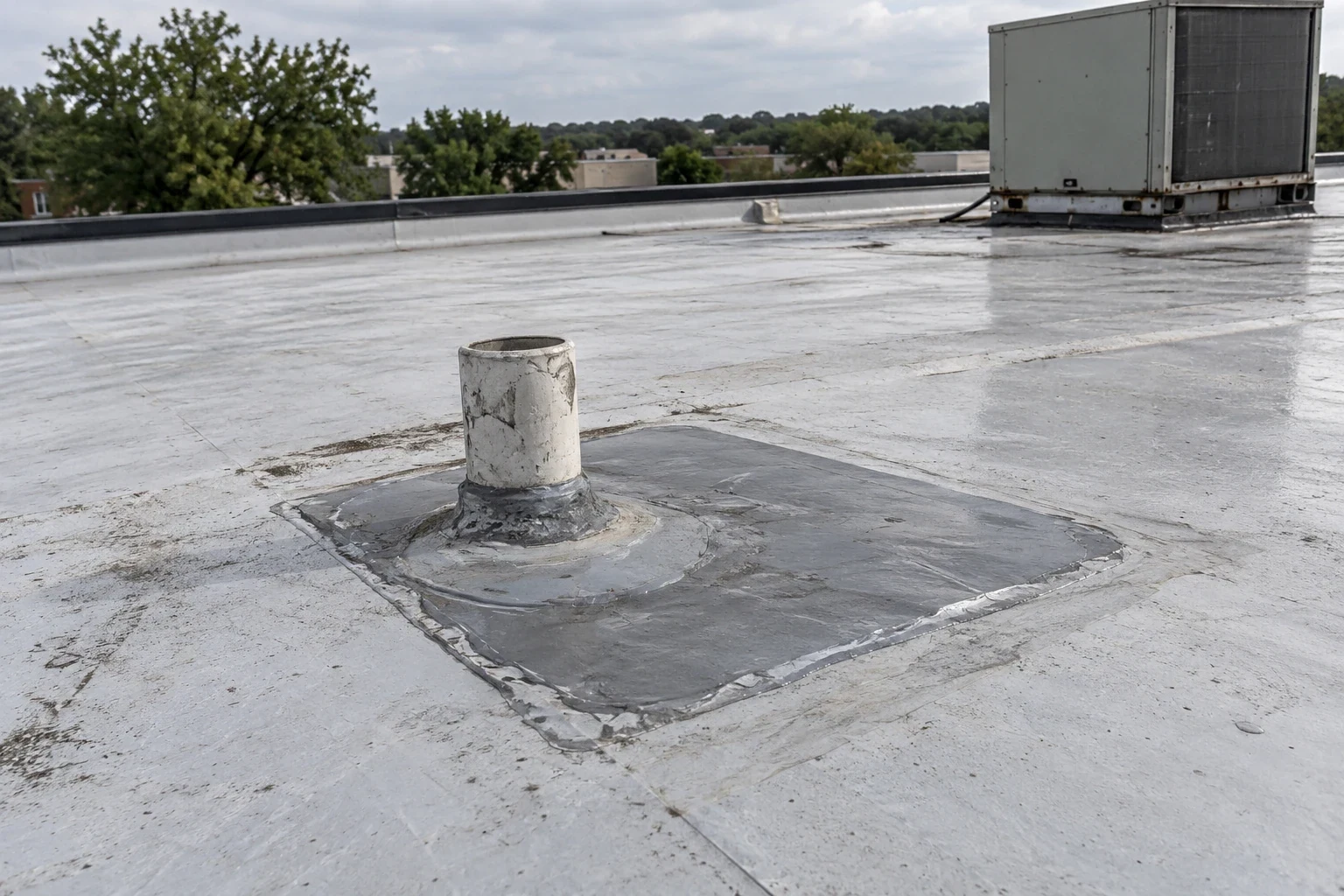
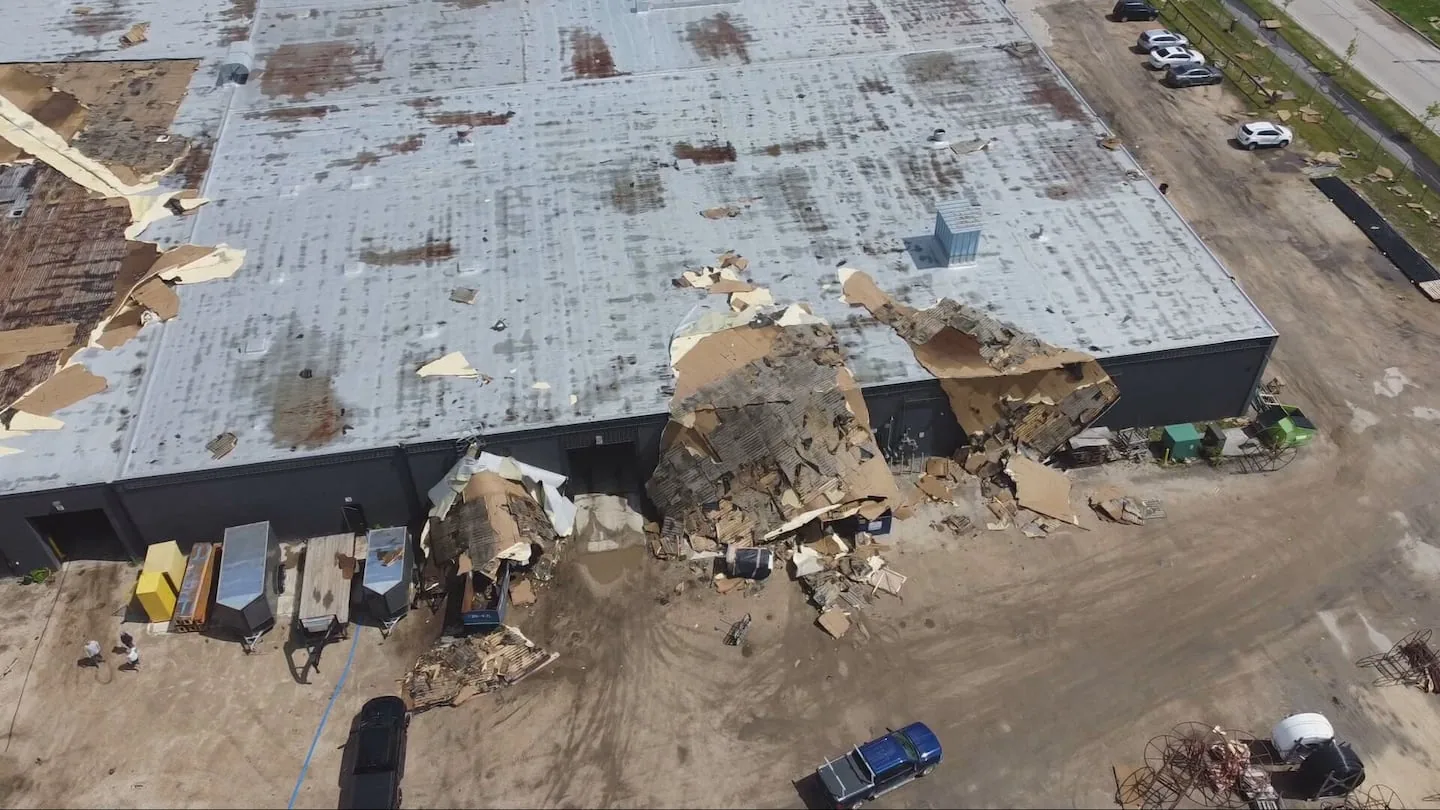
Surface Wear vs. Real Damage
Faded, chalky or discolored membrane is not necessarily leaking. Cracks, crazing and brittleness are more serious, because they can open up and let water in. We inspect the area around a reported problem and note any open cracks or splits. Discoloration alone does not decide how much roof needs to be removed. The membrane must still be sound enough to accept a repair. Old coatings, patches and embedded dirt can also change what prep is needed, so we check them before recommending a fix.
Our commercial roof inspection records what we inspected and what we could not reach. We note what we can see and what is still uncertain, such as whether the insulation below is wet. A roof's age does not prove it needs replacement, and a membrane that looks fine on top may still have problems underneath. Where more checks would change the plan, we recommend them, so you are not replacing a roof based on appearance alone.
Repairing Cracks and Splits
A crack or split needs to be repaired with compatible material that extends past the damaged area onto sound membrane. If the membrane around the crack is too brittle to accept a bond, we cut back until we reach material that can. Old patches near the crack may need to come out too. The estimate shows both the repair and the prep. That is why a repair can be larger than a fine crack, while nearby areas that are still in good shape are left alone.
Our membrane puncture repair service handles holes and splits as well. A cut, a split and a hole can each have different causes, from foot traffic to dropped tools to shrinkage, so we look at what caused each one before fixing it. If roof movement or shrinkage is a factor, we address that too. Sealing the crack you see does not help if the cause is still there.
Is the Roof a Good Candidate for a Coating?
A chalky surface is not automatically ready for a coating. We check the membrane's condition, how it needs to be cleaned and whether the coating will stick. Open seams and cracks have to be repaired first, and any wet insulation underneath must be dealt with. A coating will not fix wet insulation or a failed flashing. We include all the prep work in the restoration option, so you can compare it fairly with repair or replacement. The goal is to choose the coating based on the roof's real condition.
Our roof coating restoration options include cleaning, any test patches needed and detail repairs at flashings and seams. Areas we have not yet checked are noted before final quantities are set. The coating has to be applied according to the manufacturer's requirements for your roof type. We will not promise a specific number of extra years, but we will show you the work each option involves, so restoration can be weighed against targeted repair or replacement.
Checking the Insulation Underneath
Water that gets through a cracked membrane can soak the insulation below. When keeping that insulation would change the plan, we take a small core sample. The building contact helps protect the space below, and the opening is sealed the same day. A dry surface does not mean dry insulation. Confirmed wet areas are replaced, and areas we still need to check are listed separately, so materials are not ordered for a section until we know what is under it.
Our insulation and cover board replacement follows the findings on your roof. We mark the wet areas and where the sound insulation begins. If deck or structural questions come up, we recommend the right professional. The new insulation has to be in place and solid before the new membrane goes on. The written plan shows confirmed quantities and areas still to be checked, so a general "the roof is old" label does not drive the repair.
Working Around Building Operations
Hospitals such as Chesapeake Regional Medical Center on Battlefield Boulevard North have strict rules about work over patient areas, and any roof inspection at a facility like that is planned with its facility team. We explain where we need to go and what might be exposed during repairs. The facility decides on room use, equipment and timing. For a building near Greenbrier, we get approval from that building's contact. Once we know the roof's condition, we plan the prep work so occupied rooms are protected before any section is opened.
A damaged flashing around HVAC equipment may need the mechanical contractor involved. We locate the damaged area and identify whether the unit needs to be shut down, disconnected or raised before the flashing is opened. Material handling, work area size and temporary dry-in are part of the plan. You get a schedule that fits the time actually available. A convenient date does not mean the insulation or equipment is ready, so open items are listed rather than assumed.
After the Work
When the repair is complete, we document where the crack or split was repaired and what prep was done. We note the materials used and any nearby details included in the work. Other worn areas that were not repaired are listed with a recommended next step. We review the warranty for the repair. A clean look after the work does not mean the rest of the roof is sound, so photos show exactly what was fixed and serve as a baseline for later inspections.
Heat and sun often lead to seam failure, and we inspect seams separately from cracks in the field of the roof. Even when they are repaired together, each one is recorded with its own cause and fix. That way future maintenance starts from today's condition and the areas already repaired. If a new problem looks similar to an old one, we still inspect it fresh before deciding on a fix.
Commercial Roofing Questions
Does a chalky or faded membrane need to be replaced?
Not necessarily. Surface chalking is normal aging. Cracks, brittleness and open seams are what matter, and we check for those before recommending repair, coating or replacement.
Can a coating fix a cracked roof?
Only after the cracks and any open seams are properly repaired and wet insulation is dealt with. A coating protects a sound roof; it does not rebuild a damaged one.
Why would a repair extend beyond the visible crack?
Brittle membrane around a crack may not bond to new material. We cut back to sound membrane so the repair holds.
How do you know if the insulation is wet?
We take small core samples where the answer matters, and sometimes use an infrared scan to find likely wet areas first. Each opening is sealed the same day.
What records will we get after the repair?
Photos and a short summary of what was repaired, the materials used and any other worn areas we recommend watching or repairing later.
Get sun-damaged roofing checked
Send us the building address and where you are seeing cracks or leaks. We will inspect the roof, photograph what we find and explain whether repair, coating or replacement makes the most sense.