
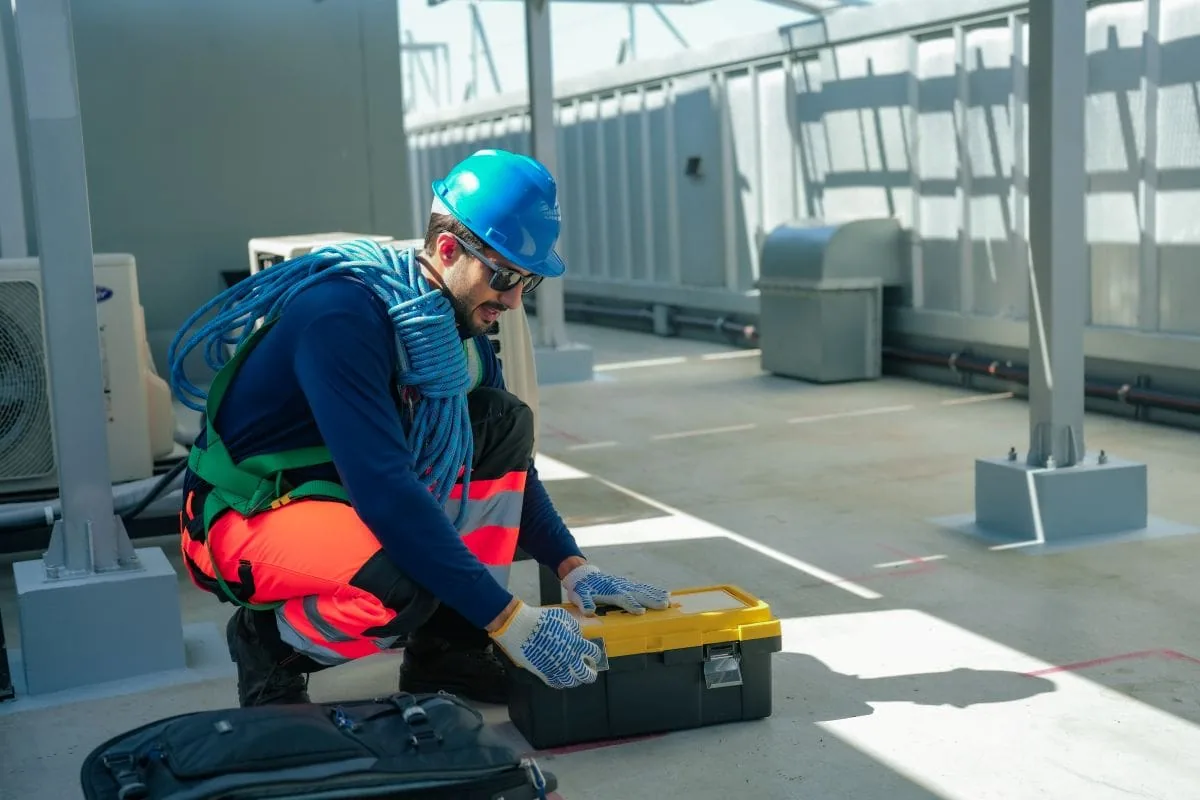
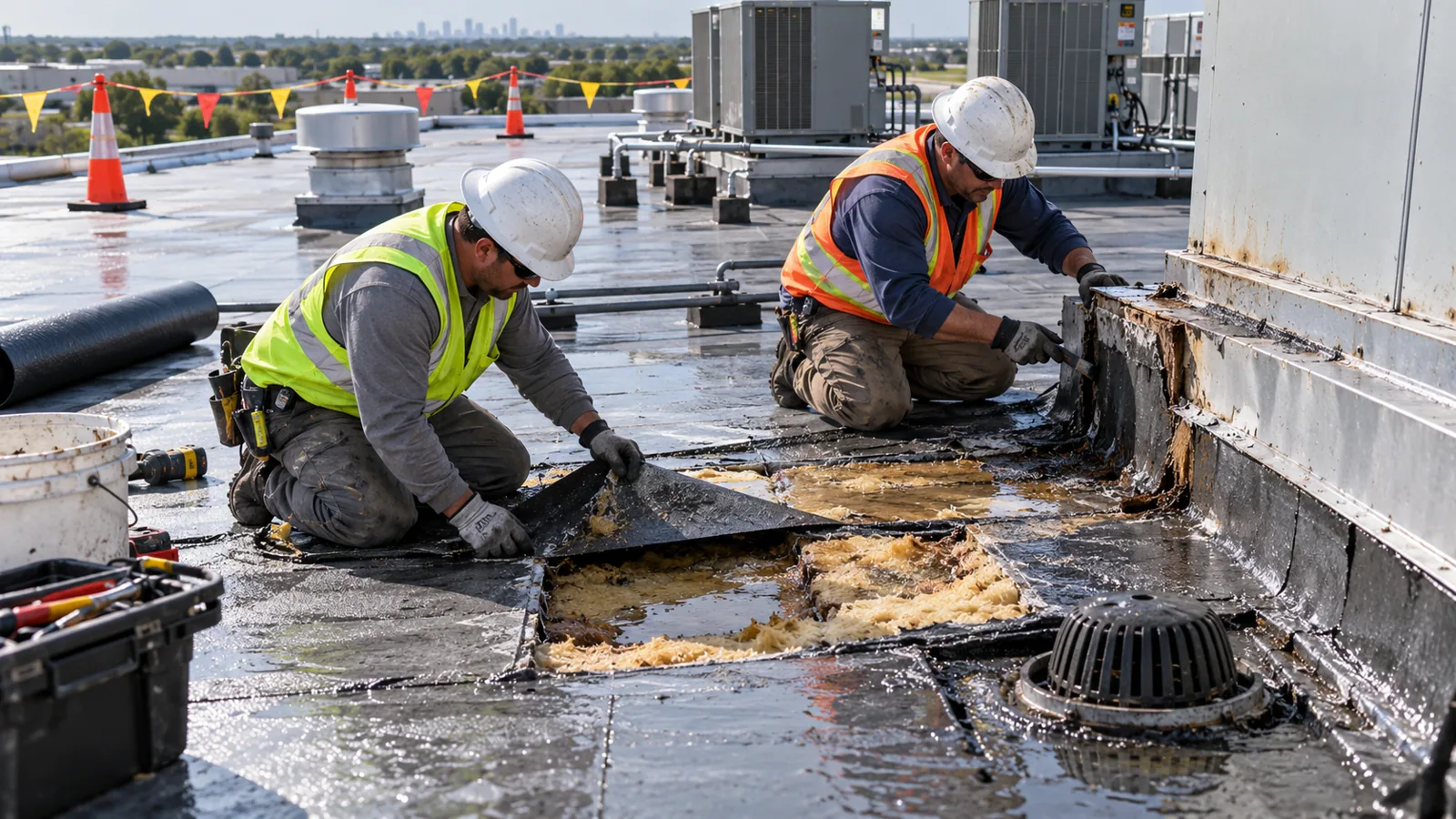
A split in the membrane at an office roof flashing often turns out bigger than it looks. Water gets in at the opening, spreads into the insulation and turns a small repair into a larger one. Roof capital planning in Chesapeake, VA, should account for that before a budget is set. We inspect each roof and lay out the realistic options: repair, coating restoration, recover or full replacement. For each one, we explain what comes off, what stays, and what new work goes in, so owners can compare real scopes instead of square-foot prices.
Healthcare and other occupied buildings need capital planning that fits around their operations. The facility contact tells us which building and roof areas to review, which rooms below are sensitive and when we can be on the roof. We inspect what we can reach, explain what we find under the surface, and only then compare repair, replacement or a follow-up inspection. A purchasing calendar is useful once the roof's condition is understood, and each roof is judged on its own evidence, not on the name of the institution or the building next door.
When Repair Makes Sense
A repair only works if the membrane around the damage is still in good enough shape to bond to. We check the surrounding area, old patches and signs of aging before recommending one. A repair that looks small on the surface can grow once we see how far water has traveled underneath. If wet insulation or a damaged deck is likely, we recommend a quick check before pricing. That way a repair option on the capital plan reflects the real amount of work, not just the size of the hole.
A commercial roof repair option on your plan lists the prep work, the materials and what the finished repair will look like. If something could change the size of the job, we say so and suggest how to check it before materials are ordered. Temporary leak protection is listed separately. A tarp or quick patch buys time, but it is not the repair, and the budget should not treat it as one.
Restoration and Recover Options
A coating restoration can add years to a roof at a fraction of replacement cost, but only if the existing roof is a good candidate. We check for wet insulation, failed seams, contamination and old coatings that may not bond. A coating will not fix a damaged deck or soaked insulation beneath it. If repairs are needed first, we include them in the option so you can compare restoration and replacement honestly, with all the prep work counted.
Our roof coating restoration assessment covers the field of the roof and the flashings, drains and edges that go with it. A recover, where a new membrane goes over the existing roof, has its own requirements, including code limits on the number of roof layers and the condition of what stays below. Two finished roofs can look similar while one required far more prep. The capital plan shows those differences, so the cheaper option is not quietly hiding problems underneath.
Full Replacement Scope
A replacement estimate should spell out how many layers come off, how much insulation is replaced, and what happens at the edges, curbs and walls. A thicker new roof can raise the height at doors, equipment curbs and parapets, which may require raising curbs or extending flashing. We also include protection for occupied spaces below and the cost of moving material. With all of that listed, you are comparing complete roofs, not just the price of a new membrane.
A commercial roof replacement option on your plan includes the tear-off, insulation, membrane, flashing and edge work. If more investigation could change the amount of removal, we recommend it before the budget is finalized. Where the pattern of damage supports replacing a larger area, we explain why. Structural or mechanical questions are referred to the right engineer or trade, and we note them so they are resolved before installation.
Answering the Questions That Move the Budget
Sometimes one unknown can swing a roof budget by a wide margin, usually the condition of the insulation or deck. When that is the case, we recommend a targeted check: a few core cuts, a moisture scan or a look at the deck from below. The building contact helps us protect the space underneath, and every opening is sealed the same day. Results are logged by location, so confirmed wet areas are priced firmly and anything still unknown is clearly marked.
A due diligence roof survey can answer those questions before a capital decision is made. We explain what we were able to inspect, what we could not reach and why a further look might matter. Infrared scans and similar tools are useful for narrowing down suspect areas, but they still need confirmation. The goal is to narrow the uncertainty enough to set a budget you can rely on.
Access and Site Logistics
Limited crane access, tight staging space or tenants who cannot be disturbed can all add time and cost. We discuss the material route, staging area and work hours with the property manager before pricing. Interior protection and temporary dry-in at the end of each day affect how fast tear-off can move. A section boundary that suits the tenants inside may not suit the roof's drainage, so we plan sections around both. Every one of those factors is reflected in the option you approve.
A good capital plan builds on the history of repairs already made. Our roof asset management records show where earlier work was done and which problems are still open. Greenbrier North Commerce Park is part of Chesapeake's Greenbrier Business District, and buildings there still need to be assessed one by one. We compare what we see on the roof with available records, and base quantities on the roof we actually inspected.
Approving the Plan and Tracking Changes
Once you choose an option, we record exactly what it includes and what it does not. Pending items, such as equipment that needs to be raised by the mechanical contractor, are listed with who is responsible. If the layout changes later, the new work gets its own scope and price. We review the warranty terms for the chosen system so you know what is covered and what could void it. The brand of membrane alone does not answer.
For projects near Greenbrier and across Chesapeake, we can respond to emergencies on nights, weekends and holidays when a roof needs temporary protection. That work is recorded separately from the planned capital project. When the project is complete, the finished work and materials go into the building's roof record, and any deferred items stay on the list for the next budget cycle.
Commercial Roofing Questions
How do you make repair and replacement options comparable?
Each option lists what is removed, what stays, the new materials, the flashing and edge work, and access costs. With the full scope shown, you can compare the real cost and expected life of each choice.
Is a coating always cheaper than replacement?
Usually up front, but only if the existing roof is a good candidate. If insulation is wet or seams have failed, those repairs must happen first, and the cost gap can shrink. We include that prep in the comparison.
What if we do not know the condition under the membrane?
We recommend a targeted check, such as core cuts or a moisture scan, before the budget is finalized. Anything that cannot be checked yet is shown as a clear allowance, not a hidden assumption.
Which site costs should be included in a capital estimate?
Crane or lift time, staging, material handling, interior protection, after-hours work and daily dry-in. These can add meaningfully to a project and belong in the number you approve.
What should the final approval document include?
The chosen scope, materials, areas covered, items excluded or deferred, work by other trades and the warranty terms. That record helps when future changes or repairs come up.
Plan your roof spending with real numbers
Send us your building records and the options you are weighing. We will inspect the roof, photograph what we find and explain what each option involves, so you can budget with confidence.