

A roof is one of the most expensive parts of a commercial building, and it is often managed one leak at a time. An open seam on a warehouse can let water run under a membrane that looks perfectly fine, and the next patch goes in without anyone asking why the last one failed. We provide roof asset management in Chesapeake, VA, that changes that. We keep a running record of each roof's condition, tie every repair to a real finding, and help owners decide when to repair, when to restore and when to budget for replacement.
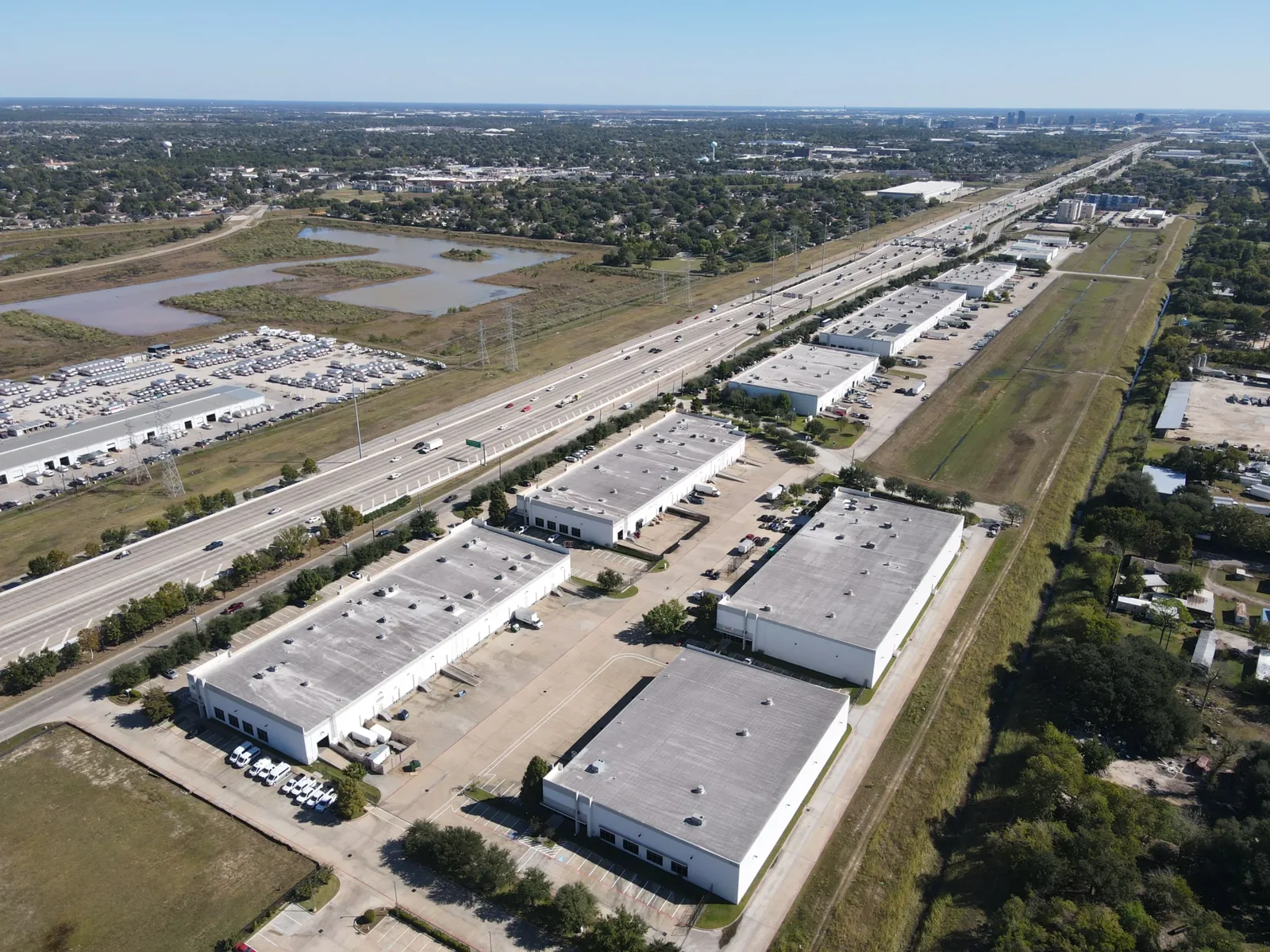
Greenbrier North Commerce Park sits in Chesapeake's Greenbrier Business District, where many owners hold several buildings side by side. Planning for a group like that still depends on inspecting each roof on its own. We compare past maintenance records with what we see on the roof today, and group work only where buildings share similar systems and access. Each roof keeps its own repair list and open questions, so a portfolio calendar never hides a problem on a single building.
Find the Problem Before Setting Priorities
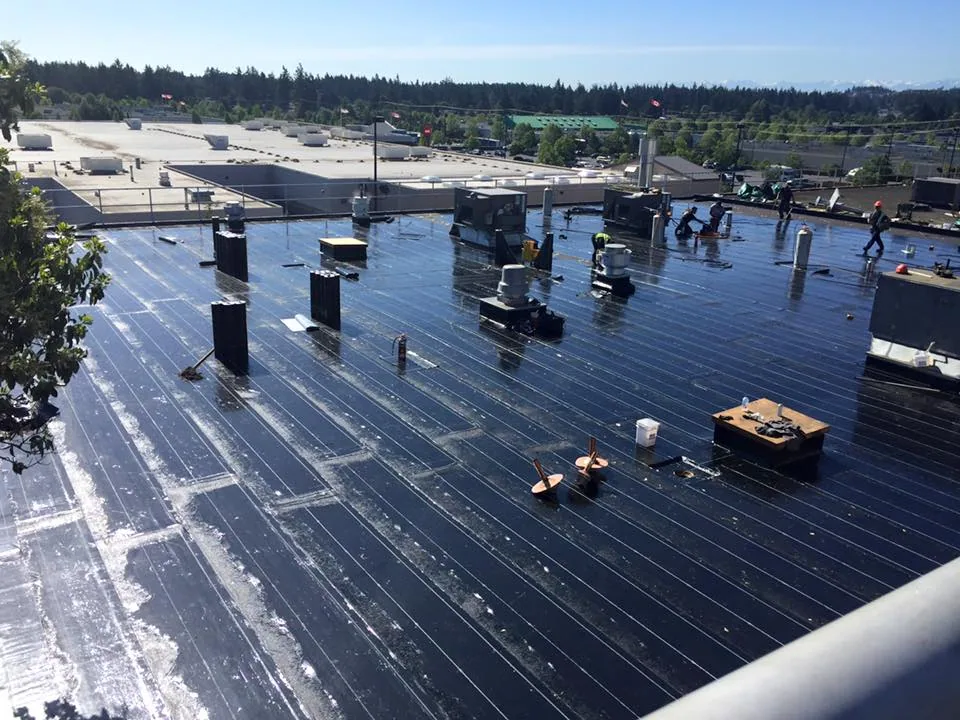
When we find an open seam or failed flashing, we mark its exact location on the roof plan and photograph it with the surrounding area. We also note what we cannot yet confirm. Water that gets in at a seam can travel well beyond the opening and soak insulation several feet away, so a small defect sometimes points to a larger repair. When that is possible, we recommend a moisture check before anyone commits to a final quantity.
A full commercial roof inspection gives the asset record its baseline. We walk the field, edges, drains and rooftop equipment, list the defects we find and note any areas we could not reach. That baseline lets you compare today's condition with past repair notes and see whether problems are getting worse. It also keeps temporary patches clearly separated from the permanent repairs that still need to happen.
Stop the Water, Then Plan the Fix
An active leak needs a fast response. We take emergency calls overnight, on weekends and on holidays, and do whatever temporary repair the weather and access allow. That might be a membrane patch, sealing an open flashing or covering a damaged section. In the asset record, we log the temporary work separately from the permanent repair still needed. A roof that has been patched to stop a leak is not finished, and the record makes sure the follow-up is scheduled.
Our roof capital planning keeps larger decisions apart from emergency work. We lay out options such as targeted repair, coating restoration, recover or full replacement, with what each one includes and roughly when it makes sense. A budget year is not a reason to replace a roof that still has life, nor to delay one that is failing. Unknown quantities are listed openly so the numbers do not shift after approval.
Know What Is Under the Membrane
A dry-looking membrane can sit on top of wet insulation. Before deciding whether to keep that insulation in a recover or tear it off in a replacement, it pays to check. We recommend small test cuts in the areas that matter, planned with the building contact so the space below is protected. Each cut is patched the same day, and the findings are logged with photos and locations so the decision rests on real evidence rather than a guess about age.
An infrared moisture survey can help find likely wet areas across a large roof when conditions are right, usually on a clear evening after a sunny day. It is a screening tool, not a final answer, so we confirm suspect areas with cores. The asset record notes what the scan showed and what the cores confirmed. That way the removal quantity in any later estimate is based on measured findings.
Access and Logistics Affect Cost
How material gets on and off the roof matters. A building with limited crane access, a tight loading area or tenants who cannot be disturbed may need smaller work sections, more handling or special scheduling. We plan the route, staging area and work hours with the property manager before pricing the job. If the work opens the roof overnight, temporary dry-in and interior protection are included in the scope so the building stays watertight between work days.
For owners with several properties, our multi-site roof programs put every building on one review calendar while keeping each roof's findings separate. Similar membranes do not mean identical insulation or deck conditions, so every repair is scoped on its own. Coordinating dates across buildings can save mobilization costs, but one property's approval never stands in for another's.
Each Building's Own Rules
Healthcare and other occupied facilities need roof plans that fit around their operations and equipment. The facility contact tells us which areas are sensitive, which units cannot be shut down and when we can work. We record what we inspect, what we recommend and anything that needs another visit. A separate Greenbrier commercial property in the same portfolio gets its own record, and while review dates can be coordinated, approvals stay with each building.
For a visit to a property near Greenbrier, we bring that building's history so we can compare current conditions with past repairs. If a new curb or penetration has been added since our last visit, we inspect its flashing on its own merits. Earlier work tells us how the roof was built, but it does not prove that new rooftop changes were flashed correctly. Any new repair is defined before materials are ordered.
Keep the Record Current
When a repair or replacement is finished, we update the record with what was done, where and with which materials. Deferred items stay on a separate list so they are not forgotten. We also file the warranty documents and note their terms, because a membrane brand on its own does not tell you what is covered. If a leak later turns out to come from HVAC, plumbing or the building structure, the record shows that too.
Scheduled preventive roof maintenance builds on that record. Each visit checks new seam separation, blocked drains and any changes to rooftop equipment. If a leak keeps coming back at the same place, we investigate the cause instead of adding another layer of sealant. You get a short report with photos and a clear next step, ready for the next work window or budget meeting.
Commercial Roofing Questions
What makes a roof defect worth prioritizing?
Its location, whether water is getting in now, and what it could damage below. A defect over occupied space or sensitive equipment usually moves up the list. We photograph and map each one so the priority is easy to understand.
Can roof age tell you how much needs to be replaced?
Not on its own. Two roofs of the same age can be in very different shape. Moisture testing and core cuts tell you how much insulation is wet and how much can stay, which is what really drives the cost.
How should an infrared scan be used?
As a guide to likely wet areas. We confirm suspect spots with core samples before using them in an estimate, and the record shows both the scan results and what the cores found.
Which access costs belong in a roof estimate?
Crane or lift time, staging space, material handling, after-hours work and temporary dry-in when the roof is open overnight. Including them up front keeps the estimate realistic and avoids change orders.
What should be recorded after work is completed?
The location and scope of the repair, materials used, warranty documents and any items deferred for later. That record makes the next inspection and budget discussion much faster.
Get a clear picture of your roofs
Send us the building address and any past roof records. We will inspect the roof, document what we find with photos and give you a short written plan with priorities and next steps.