
If you manage several commercial buildings in Chesapeake, you already know that roofs age at different rates. A warehouse with a lifted edge and a retail center with a tired membrane may be the same age, but they need very different work. We run multi-site roof programs that give owners one inspection standard, one reporting format and one schedule across the portfolio. What we do not do is treat every roof as identical. Each building is inspected on its own, and the repair plan follows what that roof actually needs, not a blanket specification.
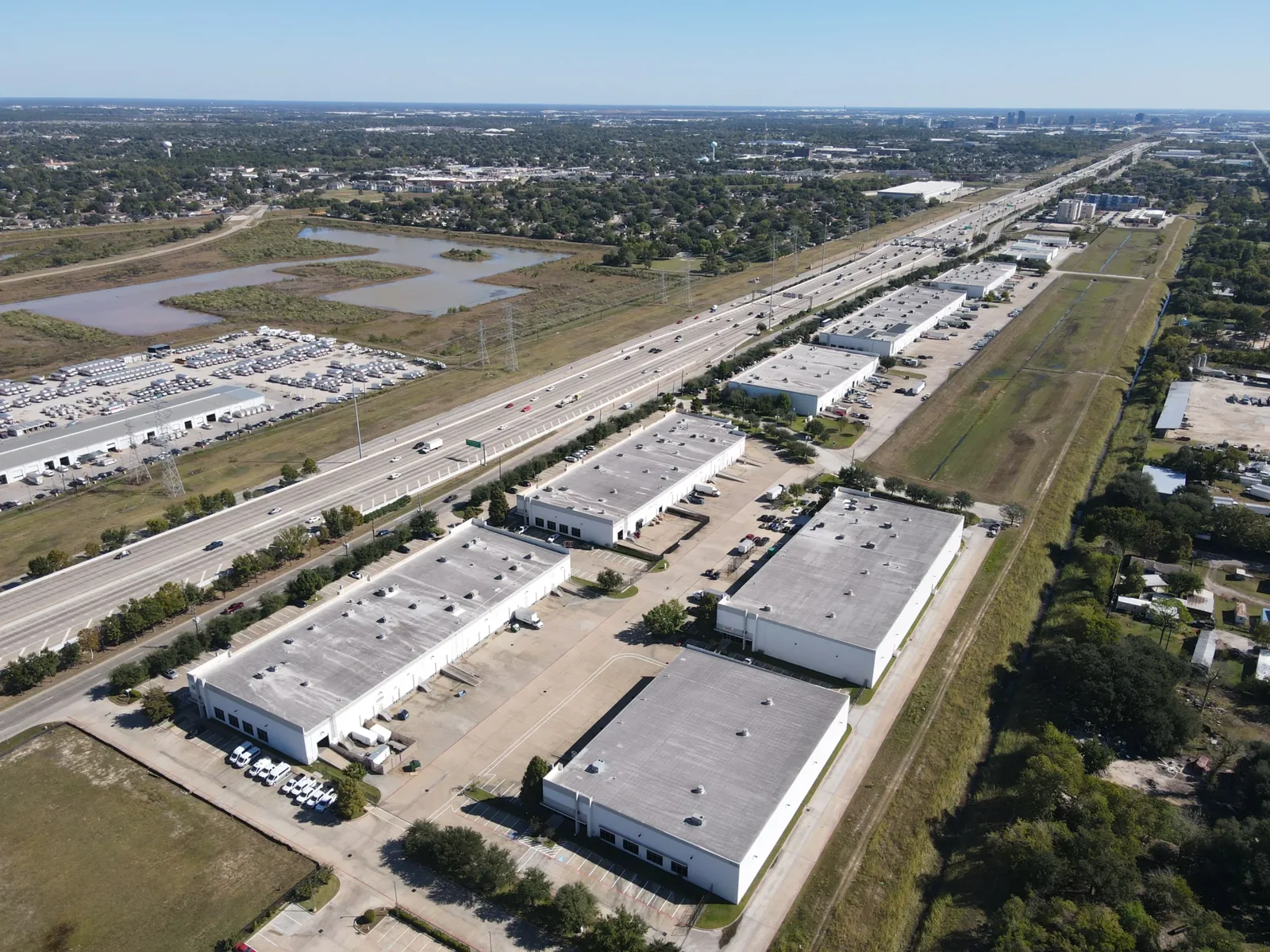
Greenbrier North Commerce Park, in Chesapeake's Greenbrier Business District, is a good example of how varied a single business park can be: different tenants, different loading patterns, different roof systems. A program there still starts building by building. We inspect each roof, note access and safety conditions, then group work only where it genuinely makes sense to share crews, materials or mobilization. You get a single calendar without losing track of what makes each roof different.
Start With What Each Roof Needs
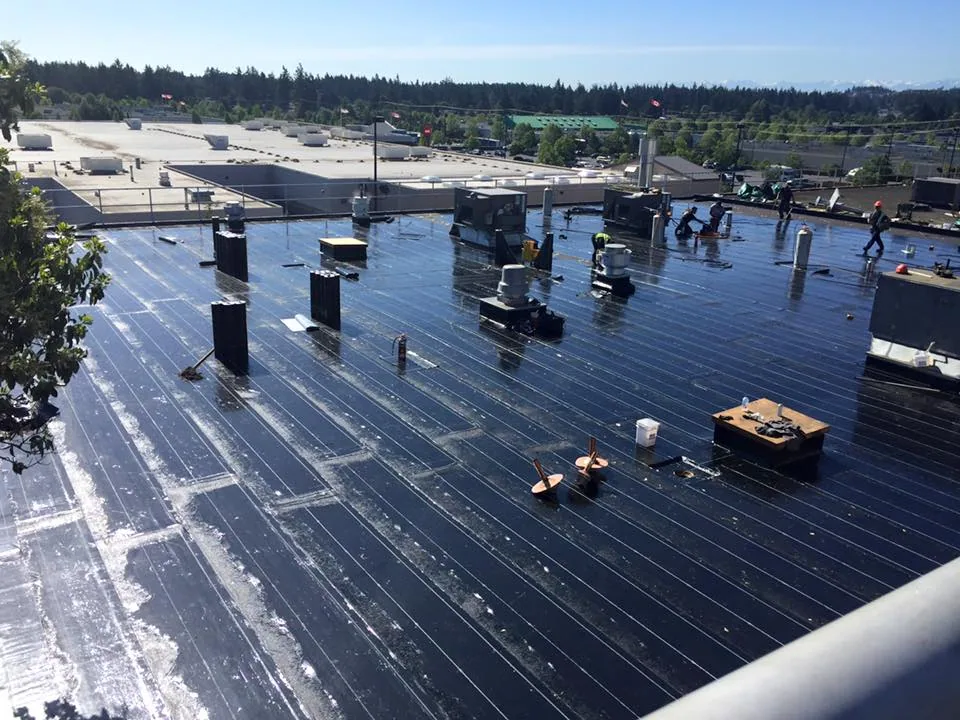
Two roofs can show the same symptom for different reasons. Membrane flutter on one building may come from failed fasteners along the perimeter; on another, it may mean the insulation board below has broken down. We find the actual cause on each roof before writing a repair, because the wrong diagnosis leads to a fix that fails again. Fresh photographs and a marked roof plan show exactly where the problem is, and any area that needs a core cut or closer look is flagged.
Our roof condition reports use the same layout for every building, so a portfolio manager can compare properties in minutes. The format is shared, but the findings are not copied. Each report lists that roof's defects, its likely remaining life and its recommended repairs. That makes it far easier to decide which buildings need money this year and which can wait, without lumping roofs together by age or membrane type alone.
Urgent Repairs vs. Planned Work
Some problems cannot wait for the next budget cycle. An open seam or a detached edge with water getting in needs a fast temporary repair, while a worn but watertight roof can be planned for next season. We sort each building's issues into what needs attention now, what should be scheduled, and what can be monitored. We take emergency calls on nights, weekends and holidays, and the work we can do depends on safe access and the weather at the time.
Our emergency roof repair crews focus on stopping the water first. Afterward, we explain what was done as a temporary measure and what permanent repair is still needed, so the follow-up does not get lost. The other buildings in the program keep their own planned inspection and approval dates. One urgent call does not throw the whole schedule into crisis mode, and every building's priority stays tied to its current condition.
What Can Stay and What Must Go
Whether existing insulation can stay in place makes a huge difference in cost. On one building it may be dry and sound enough to keep under a new membrane; on another it may be soaked from years of small leaks. We confirm that roof by roof with moisture scans or core cuts before committing to a scope. Any cut we make is small, planned with the property contact and sealed the same day, and the results are recorded with the location.
When insulation has to be replaced, our insulation and cover board work is priced from what we actually found, not an assumed percentage. If an area could not be checked, it is shown as an allowance with a clear note rather than a hidden guess. That is why two roofs with similar-looking membranes can carry different prices: the work underneath is different, and the estimate tells you why in plain terms.
Scheduling Around Each Building
Every property has its own operating constraints. A hospital or clinic may need roof work over patient areas planned carefully with facility staff, while a distribution warehouse may only care that a loading dock stays clear. We discuss the roof work, the areas below it and any noise or odor concerns with each building's contact. Their access rules and preferred work hours go into the schedule before a single section of roof is opened.
Healthcare buildings in particular need their own contacts, work windows and coordination with HVAC or other rooftop equipment. A separate Greenbrier commercial property in the same program gets its own inspection and its own approval. Sharing crews across buildings can save time and money, but each owner or manager approves the work on their own roof.
Budgeting Across the Portfolio
A lower price per square foot does not always mean a better deal. One roof may need tear-off of wet insulation, another may have a difficult crane setup or limited staging space, and those costs belong in the comparison. We break each estimate into the membrane, the prep work underneath, the flashing and edge details, and any access costs, so you can see why two numbers differ. Bundling work across buildings can lower costs, but only when the work is truly similar.
Our roof capital planning separates repairs needed now from replacements that can be planned over several years. We point out work that can be grouped to save money and work that has to stay separate. We also explain what is likely to happen if an active problem is put off, without promising a remaining service life we cannot back up. That gives owners a budget they can defend to partners or lenders.
Records That Stay Useful
Roofs change after the work is done. A new HVAC unit or a cable penetration can open a new leak path on a roof that was sound last year. We keep a record of each building's completed repairs, materials used and any deferred items, so later changes can be checked against it. Warranty paperwork is filed for each roof and reviewed for its actual terms. A warranty on one building does not cover work on another.
Ongoing preventive roof maintenance visits follow each roof's history. We check flashing, drains, seams and any new rooftop work, then report findings building by building. Visits can be scheduled on the same day across several properties to save time, but repairs are recommended only where the roof calls for them. The result is a consistent program with less guesswork and fewer surprise leaks.
Commercial Roofing Questions
Can one specification cover every building in the program?
It can set a common standard for materials and workmanship, but each roof still needs its own inspection. Insulation condition, deck type, drainage and edge details vary, and the repair or replacement scope should follow what each building actually has.
How do you prioritize urgent work across several roofs?
Active leaks and open seams or edges come first, usually with a temporary repair to stop the water. Roofs that are worn but watertight are scheduled into the planned program. Each building's priority is based on its current condition.
What goes into each building's roof record?
A roof plan, dated photos, the membrane and insulation type, past repairs, open issues and warranty documents. The format is the same for every building so managers can compare properties quickly.
Does approval for one building cover the others?
No. Each building has its own contact, access rules and approval. We can coordinate crews and dates across properties, but every roof is opened only after its owner or manager signs off.
What happens when a tenant adds new rooftop equipment?
We inspect the new curb or penetration, check the flashing against what was installed before and update that building's record. If the change affects the warranty, we flag it so it can be reviewed with the manufacturer.
Tell us about your buildings
Send the property addresses and any roof photos or reports you have. We will inspect each roof, document what we find and give you a clear, building-by-building plan with priorities and next steps.