
A poorly flashed attachment on an office roof can leak around solar equipment installed later. Putting down a new membrane first doesn't solve the future attachment problem on its own. Solar-ready roofing in Chesapeake starts with getting today's roof right.
We review whatever layout information you have and identify who's responsible for what. You need to see the roof work happening now separately from later structural and electrical decisions. For an office building roof, keep the current roof records and the proposed solar layout together. "Solar ready" means different things to different people and doesn't define every future attachment. Our scope fixes known problems now and lists what still depends on the solar design.
Hospitals and medical buildings planning for solar need today's roof condition kept separate from later structural and electrical decisions. The operator tells us which areas are open for work and shares any layout drawings. We check the existing insulation before assuming it can stay. A future attachment may change the roof flashing needed, so the scope records each one and who reviews it. A finished roof doesn't mean the solar equipment is approved or ready to install.
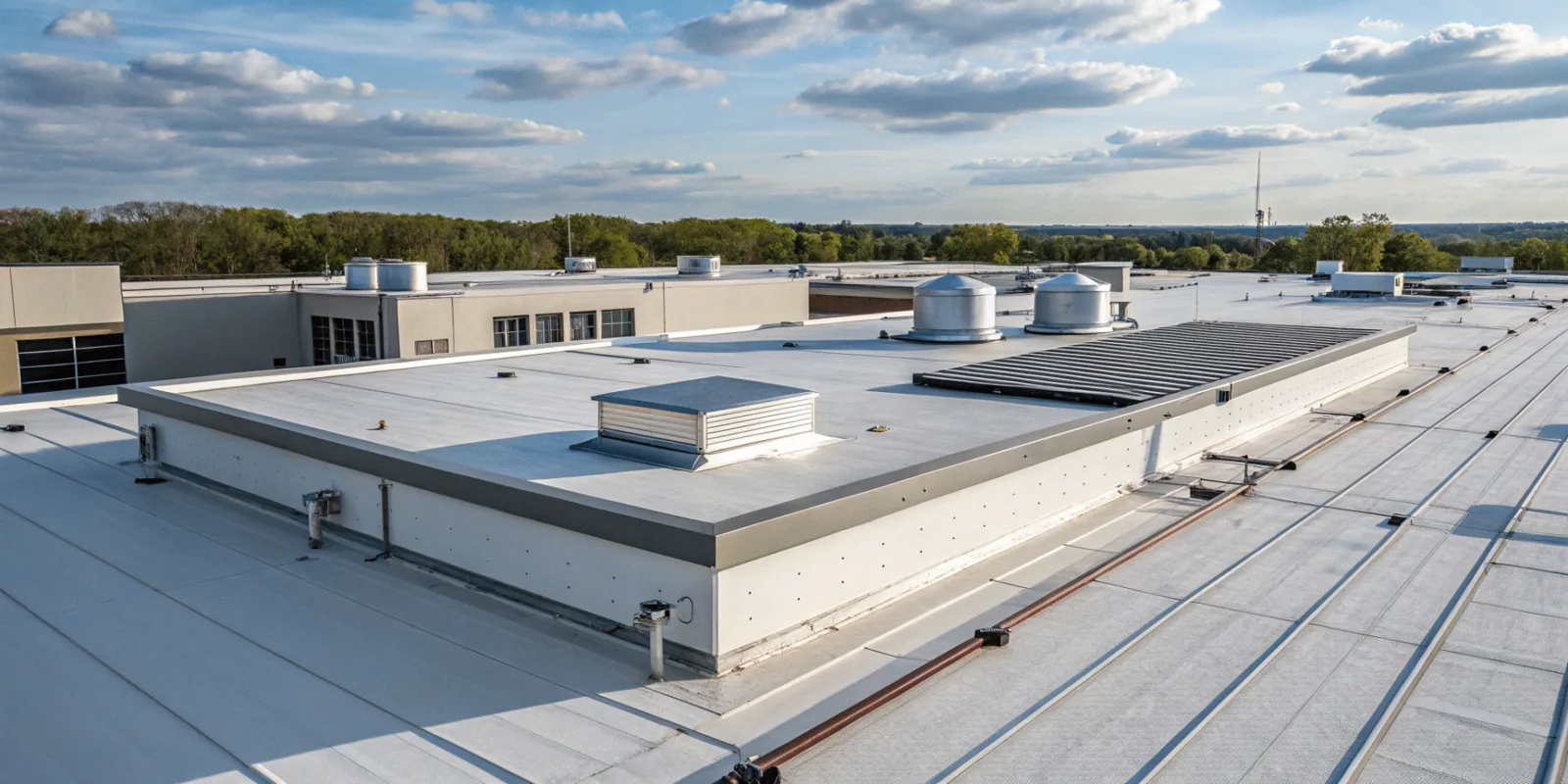
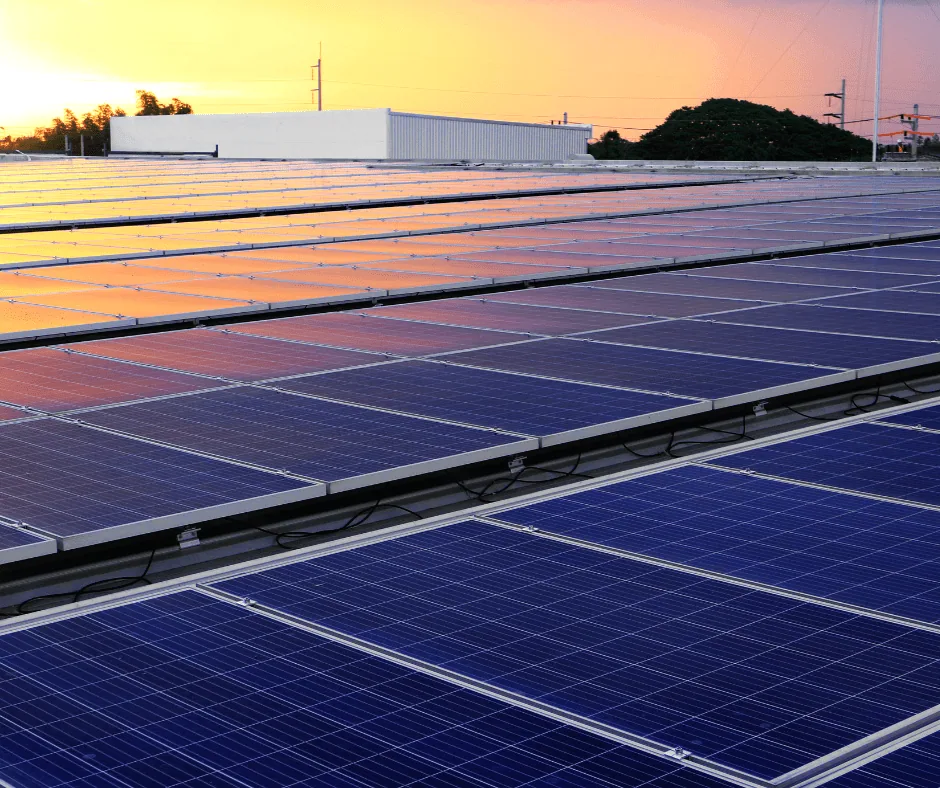
What the roof needs to be finished now
A solar layout and a roofing scope are different plans. We identify the roof work and any drawings for where the solar will attach. Structural, equipment and electrical decisions stay with the engineer and the solar contractor. Open questions about insulation and attachment are settled before ordering. A new membrane doesn't make the roof suitable for every possible array.
Today's work spells out tear-off, prep and flashing details, so you can review the roofing while the solar plans develop. Planning starts with what's defined now and what's still open.
A roof replacement before solar should state what comes off and what stays. We compare what we find with the planned new roof. Wet insulation or loose attachment needs to be confirmed before final quantities, and confirmed insulation repair is listed next to the new membrane. Wet insulation doesn't go away when the membrane is replaced. Wanting solar doesn't mean every old layer can stay. The new roof has to be built correctly on a sound base before anything is mounted on it.
Planning for racks, supports and penetrations
Solar racking may sit on ballasted mounts, attached stanchions or a mix, and each needs its own roof detail. We go over the planned layout and note which attachments need current drawings. Our rooftop equipment curb and support work defines what has to happen before attachments can be flashed. Structural and equipment responsibilities stay with the engineer and solar contractor. A roofing price shouldn't quietly include structural design or crane lifts.
We price the roofing from the layout you give us. Open questions are settled before flashing parts are ordered, so each attachment stays tied to the roof work.
A revised solar layout can change the number of attachments, conduit routes and blocking. We note which drawing we priced from and review any changes. You'll have a clear approval process for added roofing work. The same roof area doesn't mean the same number of attachments. Flashing parts need an approved layout before they're installed, so nothing gets ordered while the solar design is still changing. Today's work stays clearly defined even if the solar plan changes, and we agree on who protects the roof between the two projects.
Choosing a membrane that works under solar
A TPO roof under future solar needs its insulation and flashing requirements identified. We compare the roof system with the attachment and access information available. Not every TPO accessory works with every type of solar mount. Check product and project requirements before ordering.
Known roof problems are fixed now with a solid base and proper flashings. Questions about future attachments stay separate if the layout isn't final. Two roofs of the same size won't always need the same solar attachments later. The roof system should be finished to the scope defined for today.
A PVC roof has its own prep and flashing approach. We list what changes in the work instead of just comparing membranes. You can compare full roofs with insulation repair included in each. Having membrane in stock is different from having the roof system approved. A future attachment isn't automatically compatible just because the roof looks like a good fit; it still needs the solar layout and product requirements reviewed. The roof scope lists those open items before anything is ordered, and today's work stays tied to the specific products installed.
Keeping access and drainage open
A solar layout still has to leave room to maintain the roof. We go over access to drains, rooftop units and flashings with the solar contractor and the building operator. A layout outline doesn't show every detail that will need checking later, so settle those access paths before roofing quantities depend on them. Material moves and protection between the two projects need someone responsible. A finished roof field doesn't approve every future attachment, and each project's schedule should show where the other one starts.
Greenbrier's commercial buildings each need their roof access and solar plans reviewed on their own. For solar-ready roofing in Greenbrier, we coordinate the layout with access to drains, equipment and flashings. If another trade has to finish something first, we track that separately from finished roof areas. The roof has to meet the system's requirements before we install, and a future solar date doesn't make it ready.
Great Bridge and Greenbrier are both in Chesapeake, but location doesn't settle solar loads or attachment design. Structural review, electrical layout and roofing scope stay with the right professionals. Our roof assessment maps penetrations, drains, access paths and any existing weak spots that could conflict with a future layout, and notes assumptions that still need design confirmation. That keeps today's roof work separate from approvals and details that belong to the solar project.
Finished roofing vs. future solar work
A phased roof project before solar should define each day's tear-off and how it's sealed. Our occupied building reroofing approach covers rooms below, work areas and equipment limits before pricing. Separate work windows can mean repeated setup and more tie-ins. You can schedule work that's ready to finish. Finished details stay separate from attachments waiting for the solar contractor. A general "solar ready" label shouldn't close open questions about insulation or attachment. Our closeout records what was actually finished, so the solar team has a clear starting point.
We record installed products and finished flashings with any agreed inspections, along with photos and a short note on what we fixed. Warranty notice and alteration rules come from the actual documents. Many roof warranties have rules about adding penetrations later, so check before the solar work starts. The roof type alone doesn't tell you what's covered when attachments are added.
Keep the solar contractor's responsibilities alongside the roofing records. New layouts need current dimensions and a flashing review. Insulation concerns outside our scope stay listed. "Solar ready" should mean a finished roof today and clear next steps for the solar work.
Commercial Roofing Questions
What information should we have before solar-ready roofing?
Existing roof records and the planned solar layout. We note which drawing the price is based on and any open attachment questions.
Does a new roof mean the building can carry solar?
No. Structural and equipment decisions stay with the engineer and solar contractor. We define the roof work those decisions depend on.
What if the solar layout changes?
We review the new attachment count, conduit routes and flashings before ordering, and changes are approved in writing.
What needs to stay accessible after solar goes in?
Drains, rooftop units and flashings. Settle access paths with the operator and solar contractor before the layout is final.
What should the roofing closeout show?
The roof installed, finished flashings and photos, with future attachments and warranty rules for changes listed separately.
Planning solar on a commercial roof?
Send us your current roof records and any proposed solar drawings. We'll review the roof and explain what needs to be done now, with photos.