

When a storm loosens the edge on an office roof, rain can get under the membrane and into the building. Before you compare repair bids or talk with your insurer, you need a clear record of what's actually wrong. Roof insurance claim assistance in Chesapeake starts with an honest inspection.
We document what we see on the roof and explain the repair we'd recommend. The record ties each problem to the work needed to fix it. For an office building roof, we need the affected areas and any past roof history. Our scope describes the construction work. Your insurance company decides what the policy covers, and we keep those two things separate.
Every claim-related inspection starts with the building, a contact person and the roof's current condition. Gather any older records and dated photos along with what you've noticed inside. We inspect the damaged area and note any hidden conditions, like wet insulation, that need checking before quantities are set. Let us know about work-hour limits. A good claim file separates damage we saw from conditions we couldn't confirm. The insurer's review and our repair schedule are separate decisions.
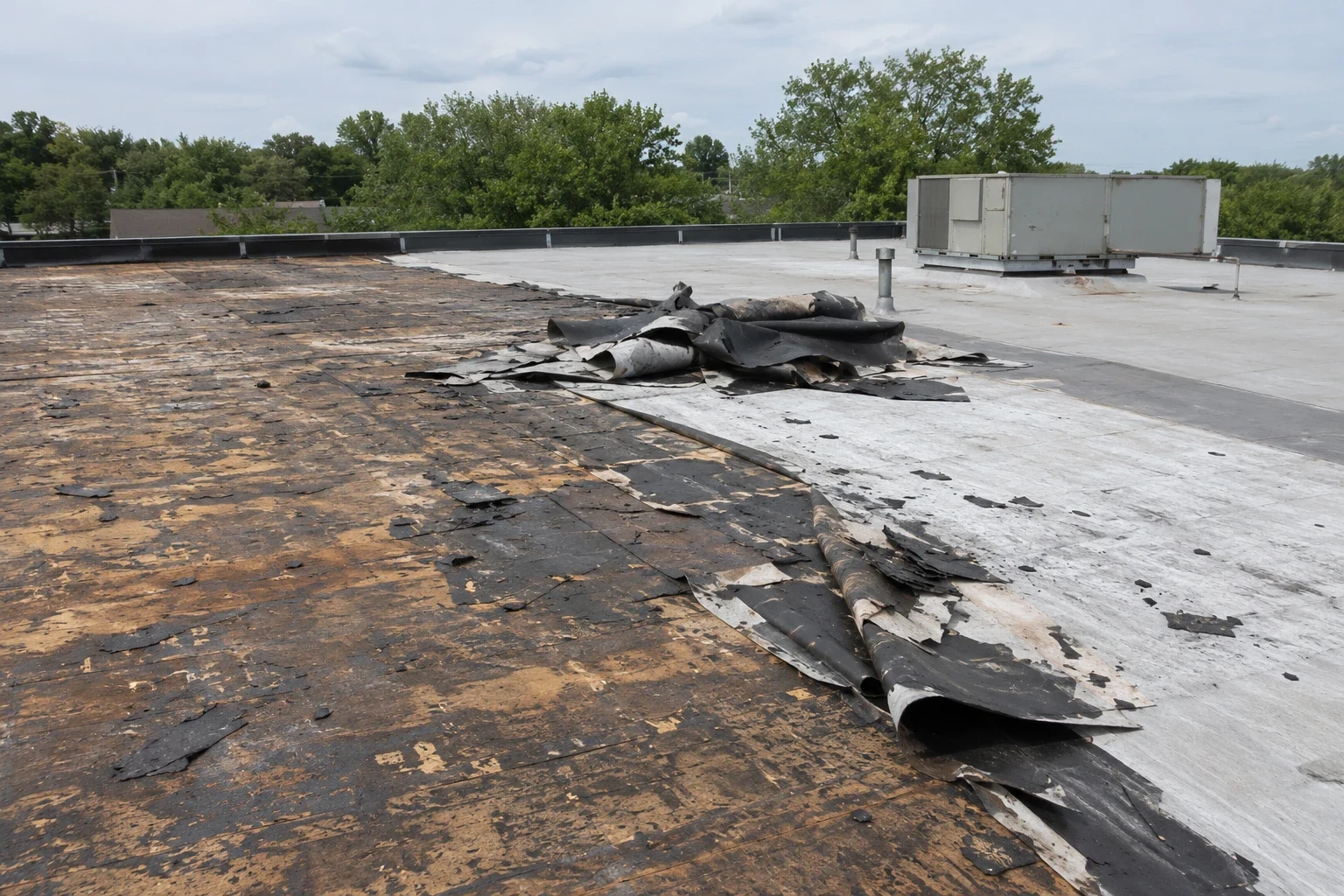
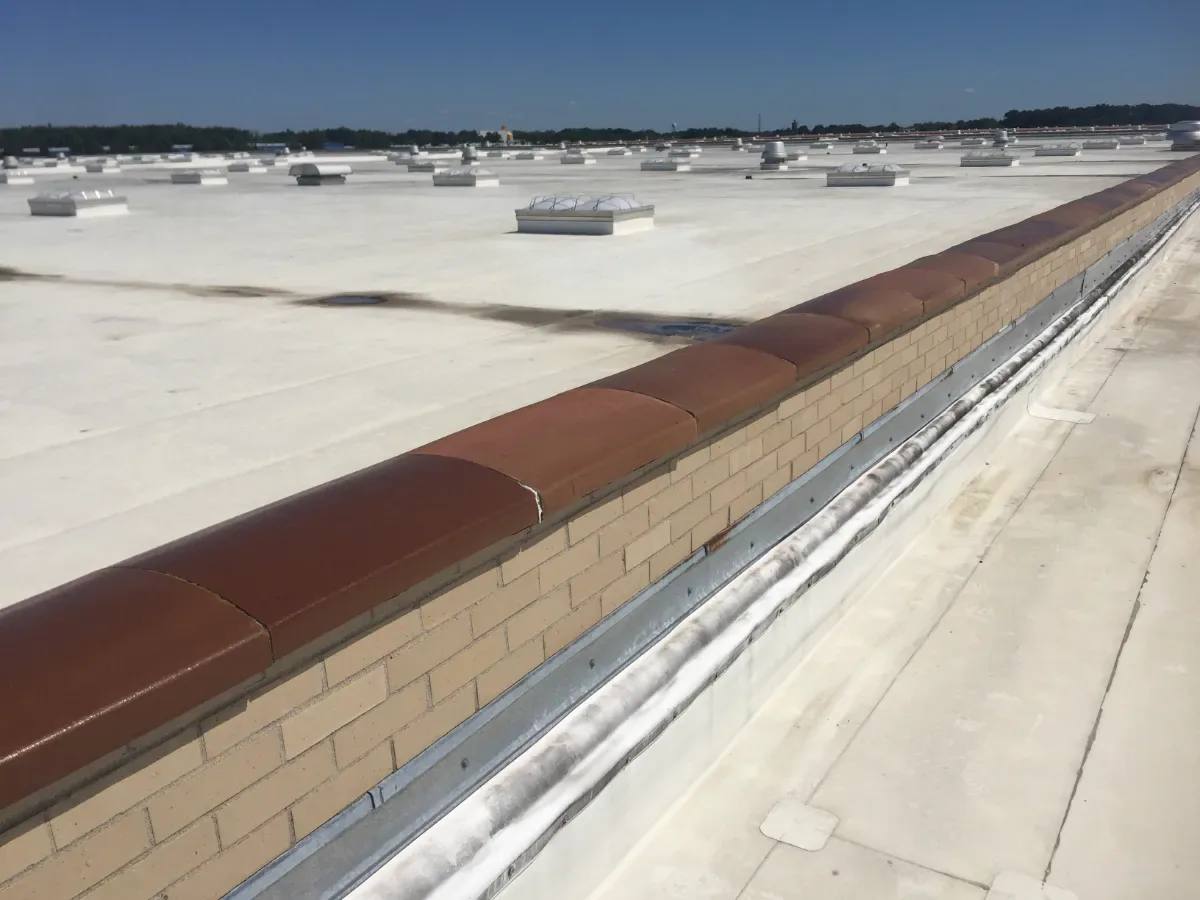
Documenting what's actually on the roof
Fresh storm damage and an old, worn patch can look alike from a distance, and they need to be told apart. We record when you noticed the problem alongside what we see now. Older photos help us compare, but they don't show hidden conditions under the membrane.
Our report separates what we documented from questions about cause that are still open. Calling it a claim doesn't turn every existing roof problem into storm damage. The record names what we checked and what we couldn't confirm, which keeps the comparison fair and doesn't stretch the evidence.
A commercial roof inspection for a claim should state which areas we looked at and what question we were answering. We compare the field, the edges and the rooftop equipment with any records. A ceiling stain helps us know where to look, but it doesn't prove the roof is the source. Where we couldn't see under the membrane, we say so. Keep our report together with any follow-up checks still needed, so one visit isn't mistaken for a full assessment of every layer. Repair quantities are based on what we actually find.
Turning findings into a repair scope
A visible tear in the membrane may need wood or fastener repair underneath. We separate confirmed repairs from items that still need checking. Tear-off, disposal and new insulation are listed alongside the flashing work. The size of the patch doesn't tell you how much work is needed underneath.
You can match each line in the scope to a problem we documented. That keeps pricing tied to real tasks, not vague damage descriptions. If damage might extend further, we note it as a question to investigate and approve before opening up.
A storm damage roof repair scope should describe what we saw and what the finished repair will be. We list temporary repairs separately from the permanent fix. Photos tie the damage we found to the proposed repair. Insulation questions and any equipment work are listed. Measuring a loose edge doesn't tell you every part needed to fix it; the full repair follows the project and product requirements. That gives you a clear construction scope without us making a call on coverage.
The leak vs. the wet insulation it caused
Water often travels between roof layers after getting in at one spot, so the wet area can be bigger or smaller than the hole on top. We check the insulation before final tear-off quantities are set, and we separate suspected wet areas from confirmed ones. A new membrane doesn't dry out wet insulation underneath.
Confirmed wet insulation is listed with disposal, new board and tie-ins to the existing roof. The quantity is based on what we find, not on the size of the ceiling stain. That keeps the record tied to both the cause and the damage it caused.
On a TPO roof, we name the materials and matching flashing parts. We describe the insulation prep along with the repair. Similar-looking roofs don't always use the same parts or take the same labor. Compare full repairs before anything is ordered. Product requirements are construction decisions, not something a claim file decides. A low membrane price shouldn't leave insulation work out of the scope, and the repair should fix the problem completely.
Changes to the scope once the roof is opened
Once a damaged area is opened, we may find more wet insulation or rotted wood than expected. Before we cut further, we explain how extra work will be measured and approved. The roof is sealed every night while changes are reviewed. A conversation with your insurer doesn't approve extra work on its own; you approve changes to the roofing contract with us. Updated quantities stay on the work order where you can review them.
If a rooftop unit has to be lifted or disconnected by another trade, that's scheduled separately. Those steps go in the schedule instead of an assumed repair date.
A PVC roof repair option needs its own materials and prep listed. We spell out the differences in materials and labor instead of just naming the product, and both options should end at the same finished repair. Insulation and flashing work stay included in both. Switching membranes doesn't mean the existing layers can stay; that still has to be checked. Coverage decisions are separate from which roof system is approved, and the scope makes those separate responsibilities clear.
A record that helps the reviewers
Greenbrier North Commerce Park sits in the Greenbrier business district, but a claim at one building still needs its own roof record. Claim-related roofing in Greenbrier needs a contact, access to the affected areas and current photos. We list temporary repairs separately from permanent ones. A recurring leak at a rooftop unit gets its own investigation. Where a claim stands doesn't change what's ready on the roof.
A commercial roof repair closeout should list the work done, with photos. We include insulation repairs, finished flashings and any inspections. Concerns outside our scope are noted after the job. Warranty and alteration terms need the actual documents; a membrane type doesn't tell you what's covered or for how long. You get a short construction summary your reviewers can read. Policy interpretation and payment decisions stay with the insurer.
A useful claim file keeps weather information, interior observations and roof findings separate. We identify the building, the affected area and any past repairs, then photograph each detail before a temporary patch changes how it looks. We note what we inspected and what we couldn't see. Any adjuster or insurer review is separate from our assessment of the roof. You can compare the claim record with the repair scope without treating an estimate or claim status as proof the work is done.
Commercial Roofing Questions
What does your claim assistance include?
A documented inspection, photos and a repair scope. We describe the roof work; the insurer decides what the policy covers and pays.
Does the storm date set every repair quantity?
No. Quantities come from what we find on the roof and confirm underneath. Timing and hidden conditions are listed separately.
What makes two repair scopes easy to compare?
Each line tied to a documented problem and a finished repair, including insulation, flashing parts and protection for the building.
What happens if you find more damage after opening the roof?
We explain how extra work will be measured and approved before going further, and the roof stays sealed in the meantime.
What records should we keep?
Photos of the damage and the finished work, the repair scope, any inspections and the warranty paperwork.
Need a clear roof record for a claim?
Send us any older roof records, what changed and which areas are affected. We'll document the roof and explain the repair with photos.